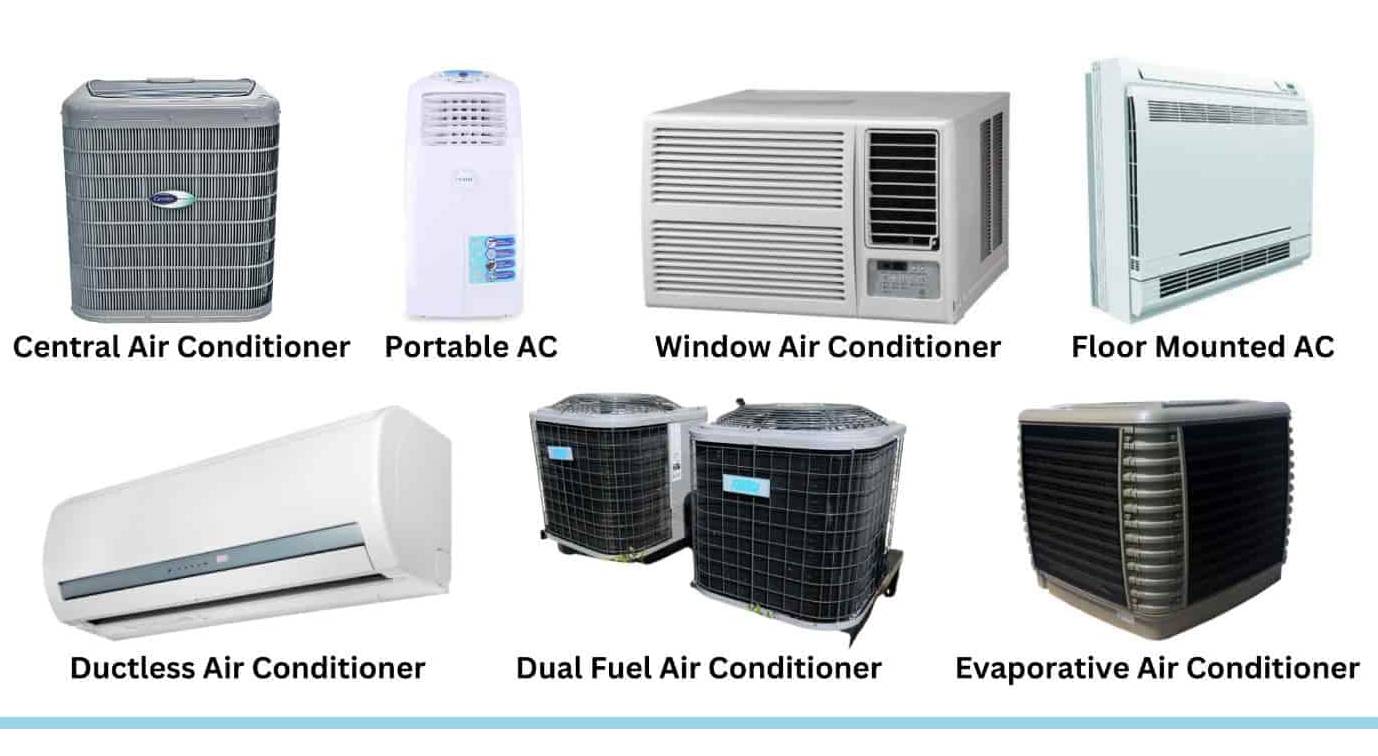
4 Types Of Air Conditioning System
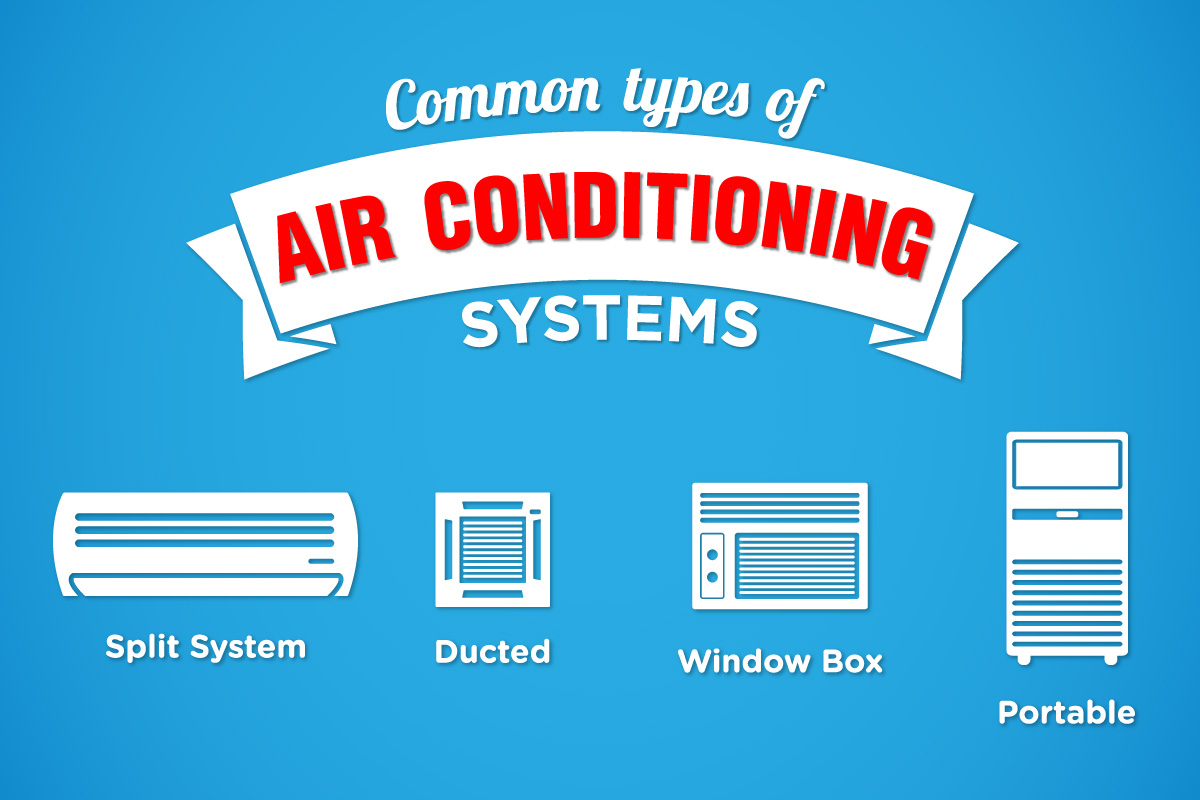
Understanding the Cool: 4 Air Conditioning Systems for Your Home
Choosing the right air conditioning system is a crucial decision for homeowner comfort and energy efficiency. This guide will explore four common types of AC systems, outlining their functionality, potential issues, and when to call a professional.
1. Central Air Conditioning Systems: The Whole-House Solution
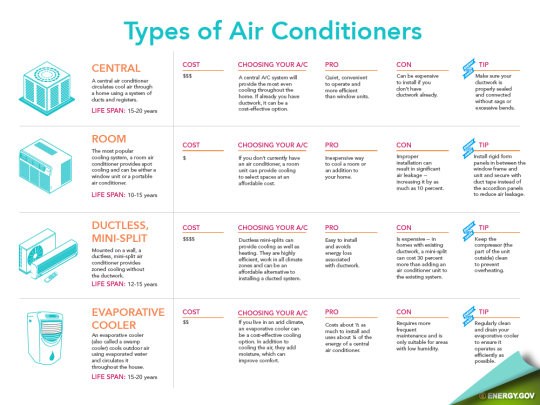
Central air conditioning is the most prevalent cooling solution for homes, especially those with existing ductwork. These systems use a split design, comprised of an outdoor compressor/condenser unit and an indoor evaporator coil, typically integrated with your furnace or air handler.
How it Works: Refrigerant circulates between the indoor and outdoor units. The indoor coil cools air, which is then distributed throughout the house via ductwork. The outdoor unit releases the heat extracted from inside.
Common Issues & Troubleshooting:
- No Cooling: Check the thermostat settings, circuit breaker, and air filter. A dirty filter restricts airflow, causing the system to struggle.
- Weak Airflow: Look for blocked vents or leaks in the ductwork.
- Strange Noises: Rattling, hissing, or grinding sounds can indicate compressor issues, refrigerant leaks, or fan problems.
- Ice Buildup on the Evaporator Coil: This often indicates restricted airflow (dirty filter) or low refrigerant.
DIY Checks (Before Calling a Pro):
- Thermostat: Ensure it's set to "cool" and the desired temperature is lower than the room temperature.
- Air Filter: Replace or clean a dirty air filter regularly (every 1-3 months).
- Circuit Breaker: Check for a tripped breaker and reset it.
- Outdoor Unit: Clear any debris (leaves, branches) from around the outdoor unit.
When to Call a Professional:
Refrigerant Leaks: These require specialized equipment to detect and repair. Refrigerant is an environmental hazard, and handling it requires proper certification.
Compressor Issues: Compressor repairs are complex and expensive. A malfunctioning compressor often signals the need for a system replacement.
Electrical Problems: Working with high-voltage electricity is dangerous. Leave electrical repairs to a qualified electrician or HVAC technician.
Significant Ductwork Leaks: While small leaks can be sealed with duct tape (as a temporary fix), major leaks require professional attention to ensure proper sealing and insulation.
Estimated Repair Costs:
- Air filter replacement: $10-$30
- Refrigerant recharge: $200-$500
- Compressor replacement: $800-$2,500
- Ductwork repair: $200-$1,000+ (depending on the extent of the damage)
2. Ductless Mini-Split Systems: Targeted Cooling
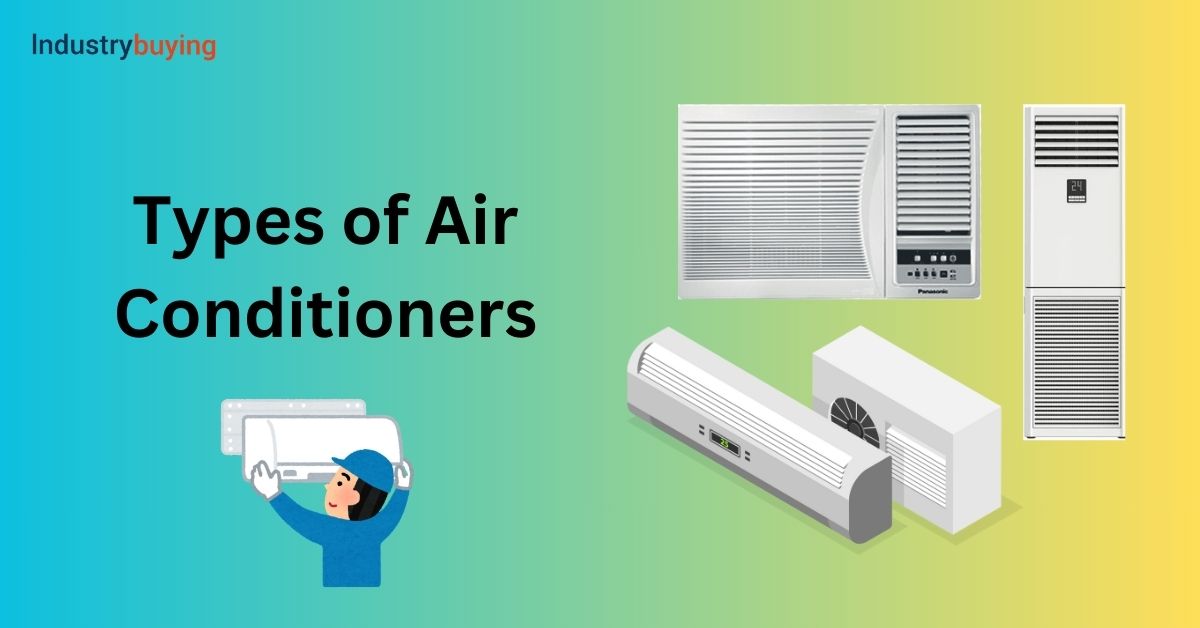
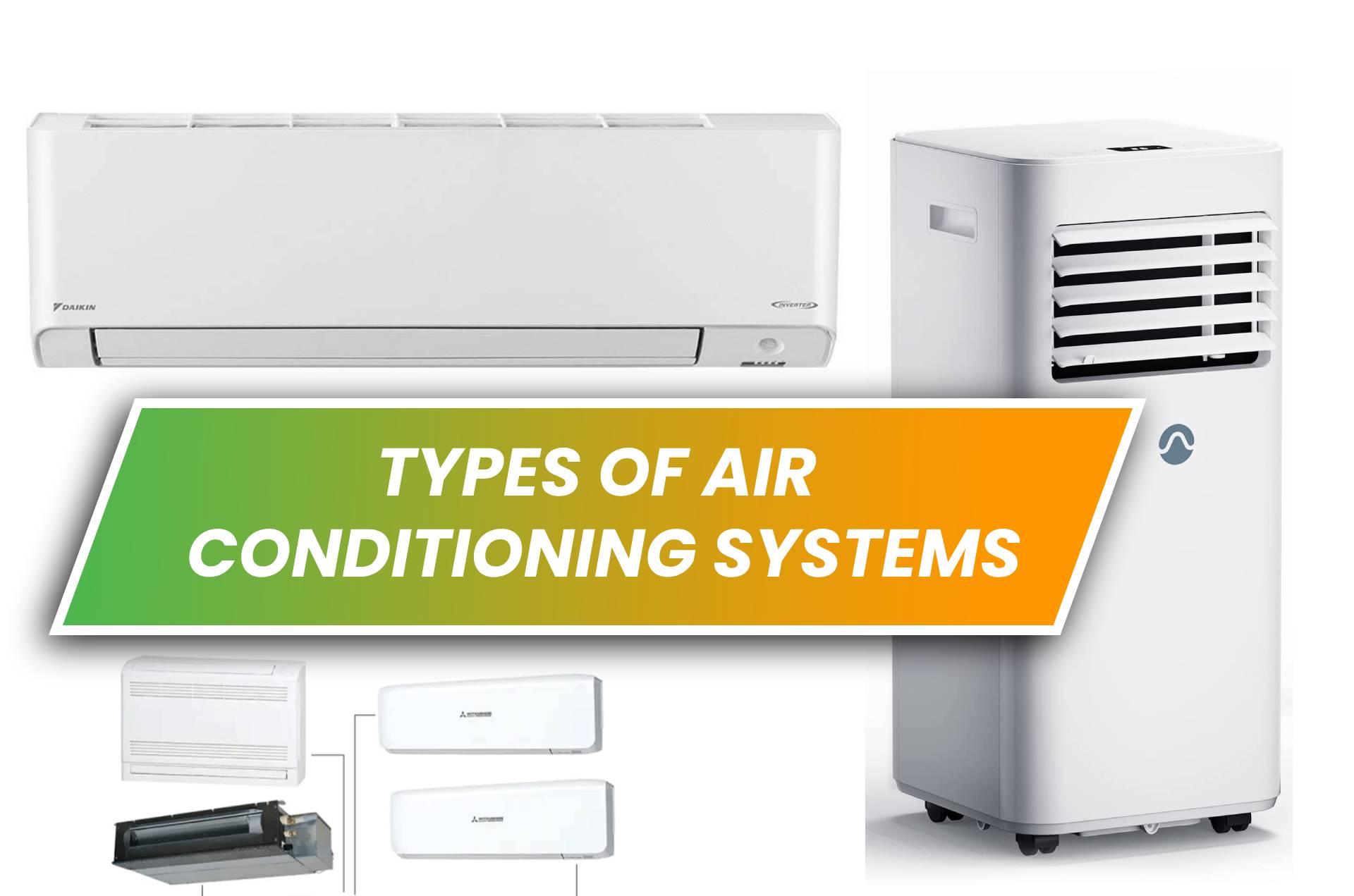
Ductless mini-split systems offer a flexible solution for homes without existing ductwork or for targeting specific rooms or zones. They consist of an outdoor condenser unit connected to one or more indoor air handling units.
How it Works: Similar to central AC, refrigerant circulates between the indoor and outdoor units. Each indoor unit can be controlled independently, providing customized cooling for different areas.
Common Issues & Troubleshooting:
- Reduced Airflow: Clogged filters and dirty coils are common culprits.
- Water Leaks: These can be caused by clogged condensate drains.
- Strange Noises: Squealing, buzzing, or rattling sounds can indicate motor or fan issues.
- System Not Turning On: Check the remote control batteries and power supply to the unit.
DIY Checks (Before Calling a Pro):
- Filters: Clean or replace the air filters regularly.
- Coils: Clean the indoor and outdoor coils with a soft brush or vacuum.
- Condensate Drain: Check and clear any clogs in the condensate drain line. You can use a wet/dry vacuum or a stiff wire to dislodge blockages.
- Remote Control: Ensure the batteries are fresh and the settings are correct.
When to Call a Professional:
Refrigerant Leaks: Like central AC, refrigerant leaks require professional attention.
Complex Electrical Issues: Mini-split systems involve electrical connections between the indoor and outdoor units. Leave these repairs to a qualified technician.
Compressor Problems: Compressor replacement is typically a job for a professional.
Installation: While some DIY kits are available, professional installation is highly recommended to ensure proper setup and performance.
Estimated Repair Costs:
- Air filter replacement: $10-$20
- Coil cleaning (professional): $100-$300
- Condensate drain cleaning (professional): $80-$150
- Refrigerant recharge: $200-$500
3. Window Air Conditioners: Individual Room Cooling
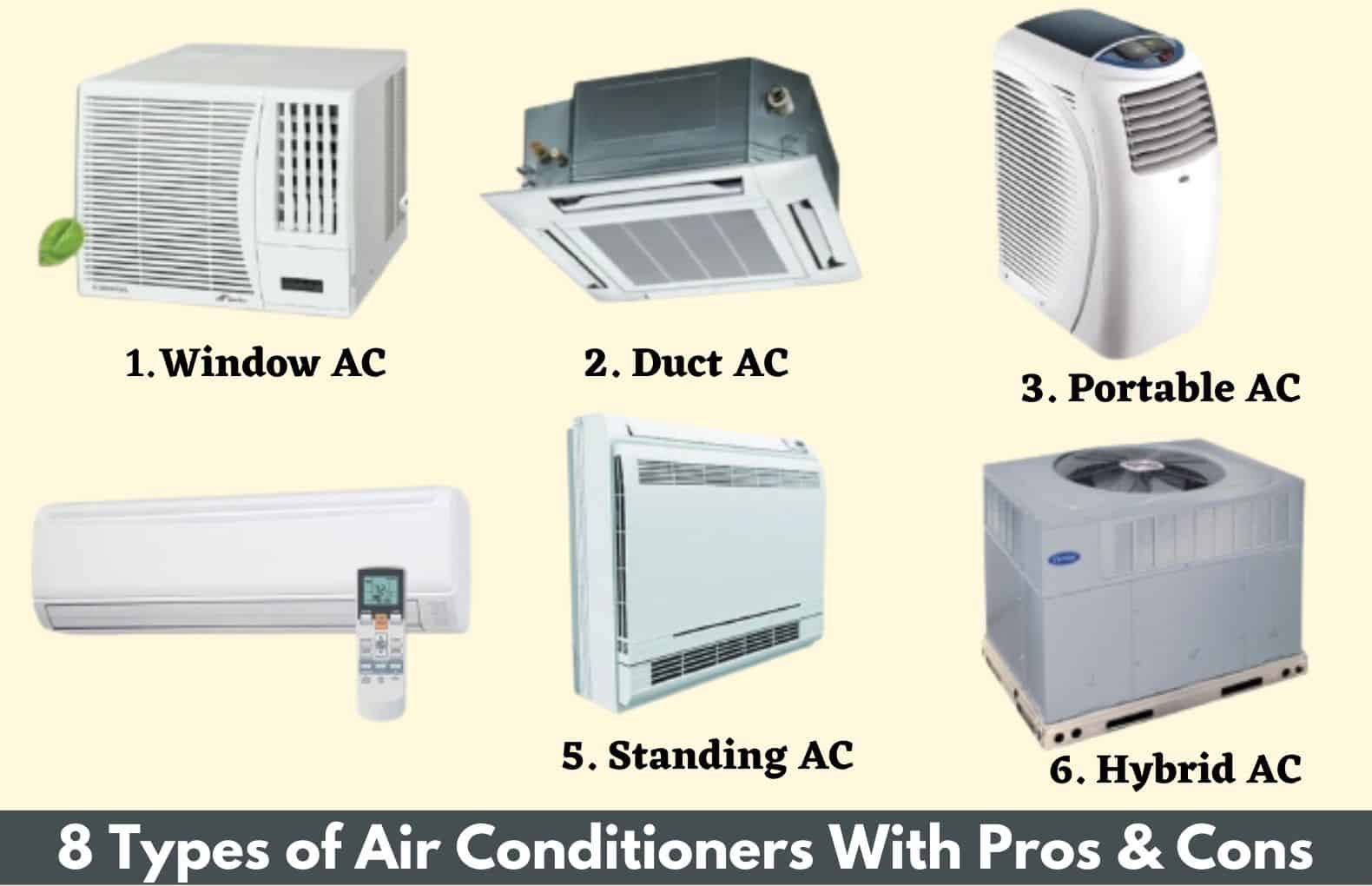
Window air conditioners are a simple and affordable solution for cooling a single room. They are self-contained units that mount in a window.
How it Works: Window ACs draw air from the room, cool it using refrigerant, and exhaust the heat outside. They have a fan that circulates the cooled air back into the room.
Common Issues & Troubleshooting:
- Not Cooling Effectively: Check the filter, ensure the unit is properly sealed in the window, and make sure the room is not too large for the unit's capacity.
- Water Leaks: These can be caused by a clogged drain or improper installation.
- Loud Noises: Rattling, buzzing, or humming sounds can indicate loose parts or a failing motor.
- Unit Not Turning On: Check the power cord, fuse, and thermostat settings.
DIY Checks (Before Calling a Pro):
- Filter: Clean or replace the air filter regularly.
- Sealing: Ensure the unit is properly sealed in the window to prevent air leaks. Use foam weatherstripping or caulk to seal any gaps.
- Drainage: Check and clear any clogs in the drain.
- Power Cord: Inspect the power cord for damage.
When to Call a Professional:
Generally, window AC units are not worth repairing professionally due to their relatively low cost. If the unit has a major problem (compressor failure, refrigerant leak), it's usually more cost-effective to replace it.
Estimated Repair Costs:
- Air filter replacement: $5-$15
- Professional repair: Often exceeds the cost of a new unit.
4. Portable Air Conditioners: Cooling on the Move
Portable air conditioners are self-contained units that can be moved from room to room. They exhaust hot air through a window vent kit.
How it Works: Similar to window ACs, portable ACs draw air from the room, cool it using refrigerant, and exhaust the heat outside. They have a flexible hose that vents through a window kit.
Common Issues & Troubleshooting:
- Not Cooling Effectively: Ensure the vent hose is properly installed and sealed, and that the filter is clean. Portable ACs are generally less efficient than window units.
- Water Tank Full: Some models require manual draining of a water tank.
- Loud Noises: Rattling or buzzing sounds can indicate loose parts or a failing motor.
- Unit Not Turning On: Check the power cord, fuse, and thermostat settings.
DIY Checks (Before Calling a Pro):
- Vent Hose: Ensure the vent hose is properly installed and sealed in the window kit. Use weatherstripping or caulk to seal any gaps.
- Filter: Clean or replace the air filter regularly.
- Water Tank: Empty the water tank regularly if your model requires it.
- Power Cord: Inspect the power cord for damage.
When to Call a Professional:
Like window AC units, portable ACs are typically not worth repairing professionally for major issues. Replacement is often the more cost-effective option.
Estimated Repair Costs:
- Air filter replacement: $5-$15
- Professional repair: Often exceeds the cost of a new unit.
Safety First! Always disconnect the power supply before performing any maintenance or repairs on your air conditioning system. If you are unsure about any aspect of the repair, it's always best to consult a qualified HVAC professional.