45 Degree Pipe Rolling Offset Formula

Understanding pipe offsets is crucial for anyone working with HVAC systems, plumbing, or any piping project. One of the most common and useful techniques is the 45-degree rolling offset. This allows you to navigate around obstacles while maintaining the integrity of your piping. This article breaks down the 45-degree pipe rolling offset formula, offering practical steps, safety advice, and when it's best to call in a professional.
Understanding Rolling Offsets
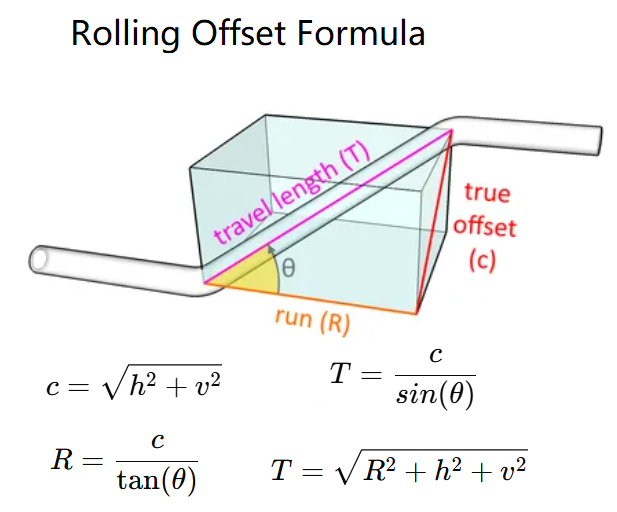
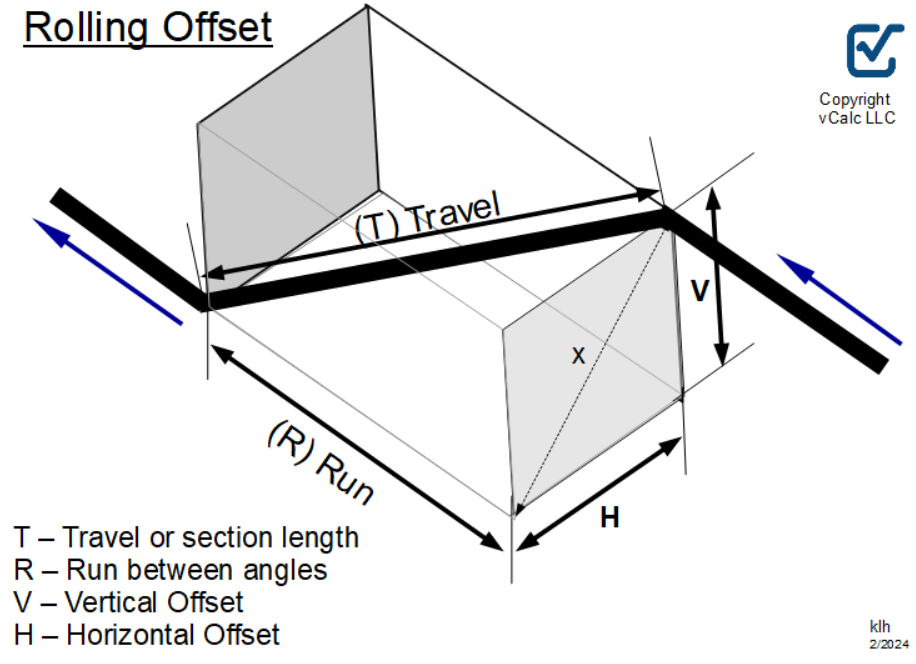
A pipe offset is simply a way to move a pipe from one location to another, usually to bypass an obstruction. A rolling offset introduces a third dimension, allowing the pipe to shift both horizontally and vertically. This is particularly useful in tight spaces or when avoiding complex installations.
Why a 45-Degree Angle?
The 45-degree angle strikes a good balance between distance and simplicity. It's easy to calculate and allows for relatively compact offsets. Other angles can be used, but the 45-degree rolling offset is a standard for a reason.
The 45-Degree Pipe Rolling Offset Formula: Step-by-Step
Here’s a breakdown of the formula and how to apply it in your projects:
1. Identify the Knowns
Before you start calculating, you need to know:
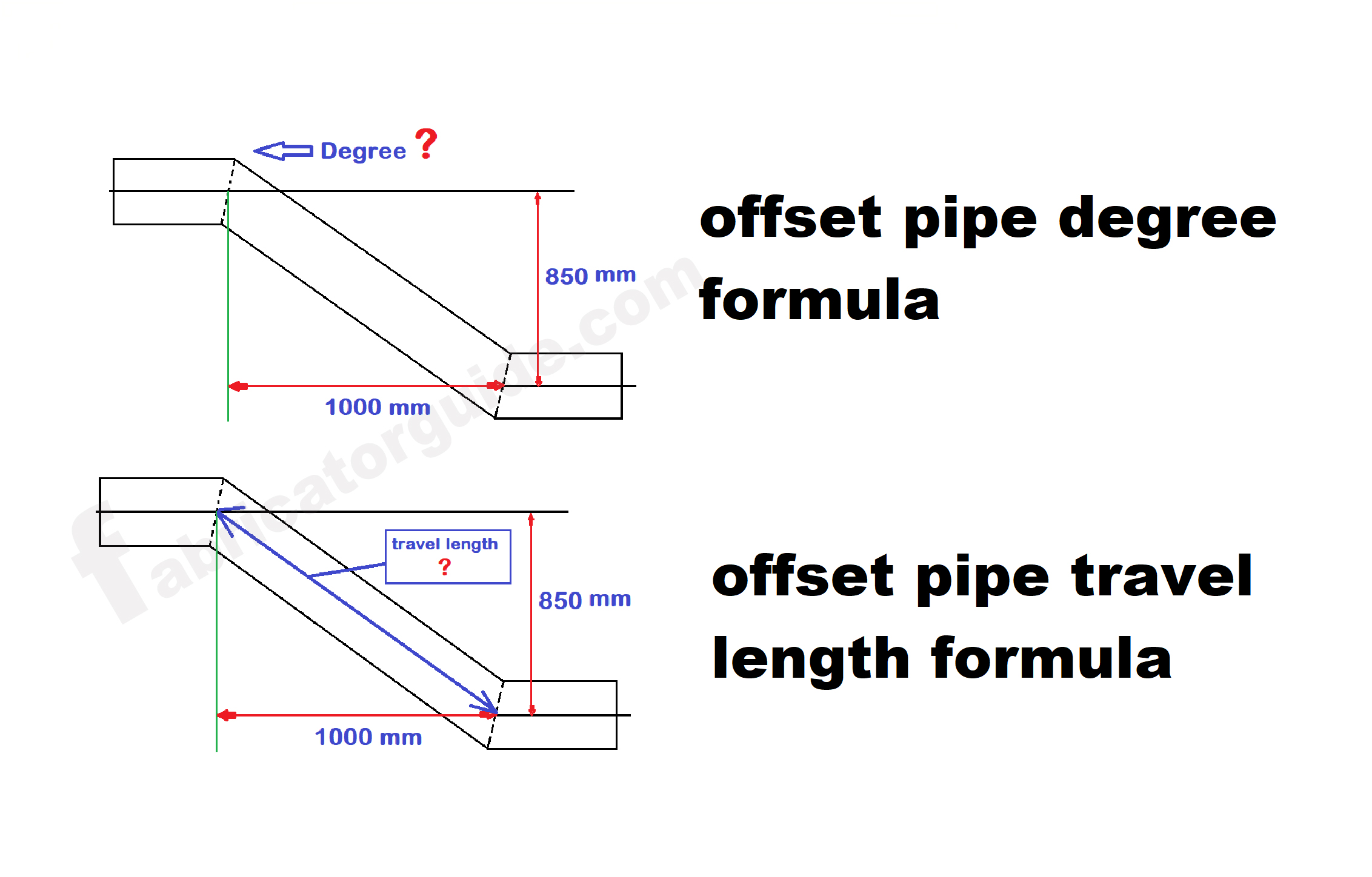
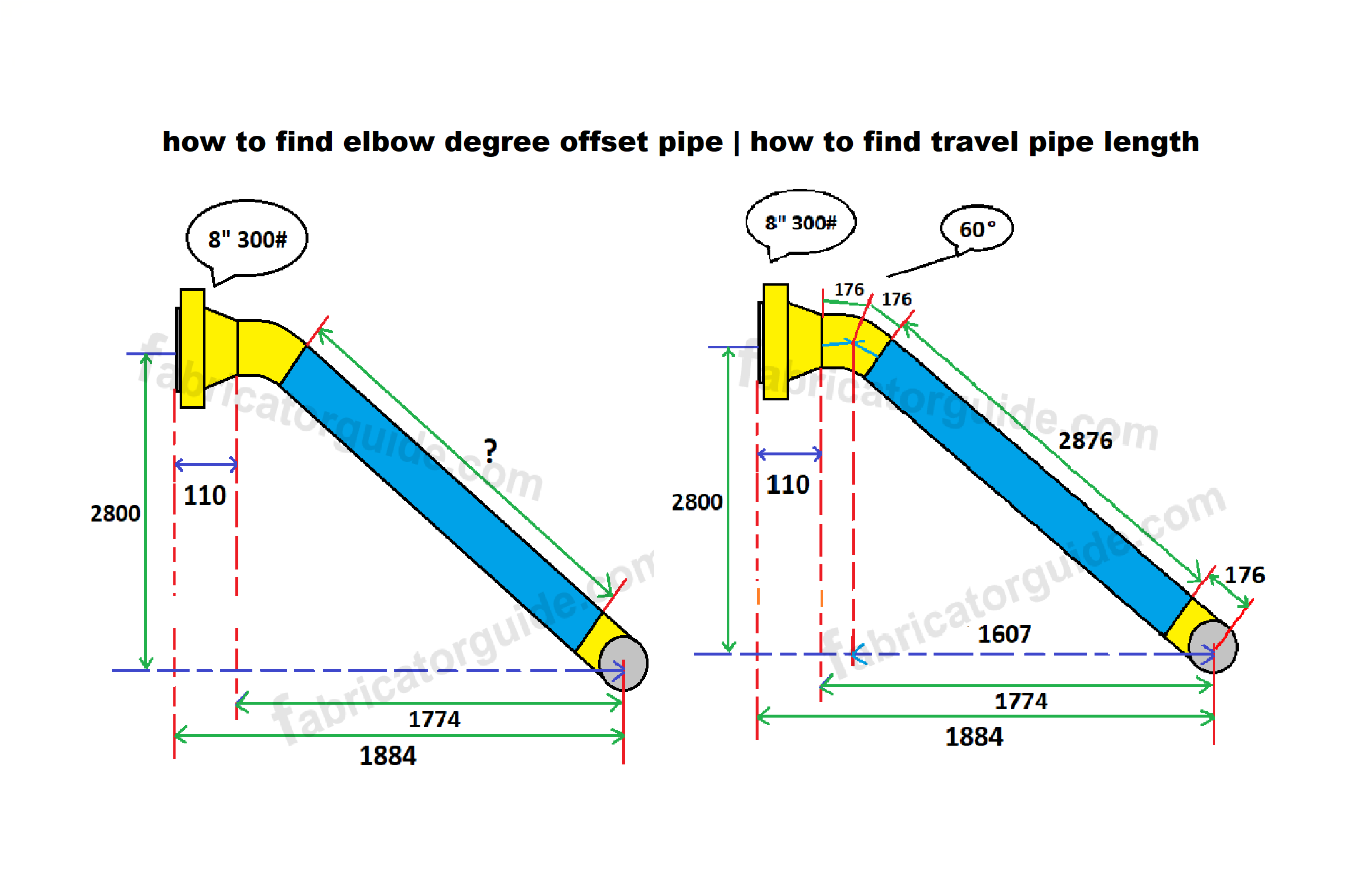
- Travel (T): The total diagonal distance of the offset.
- Offset (O): The distance the pipe needs to move in one direction (e.g., horizontal).
- Roll (R): The distance the pipe needs to move in the other direction (e.g., vertical).
- Set (S): The length of pipe needed for each 45 degree bend. This is the same for both bends in a rolling offset.
You’ll typically know the Offset and Roll, and you’ll need to calculate the Travel and Set.
2. Calculating Travel
For a 45-degree rolling offset, the Travel (T) is calculated using the Pythagorean theorem:
T = √(O² + R²)
In plain English, square the offset, square the roll, add them together, and then take the square root of the result.
Example: Let's say you need to offset a pipe 6 inches horizontally (O = 6") and 8 inches vertically (R = 8").
T = √(6² + 8²)
T = √(36 + 64)
T = √100
T = 10 inches
Therefore, the Travel is 10 inches.
3. Calculating Set
For a 45-degree rolling offset, the Set (S) is calculated as follows:
S = T x 0.707
In plain english, multiply the Travel by 0.707
Example: Using the travel we calculated previously, the travel (T) is 10 inches.
S = 10 x 0.707
S = 7.07 inches
Therefore, the Set is 7.07 inches. You would need two pieces of pipe that are each 7.07 inches for this rolling offset.
4. Marking and Cutting the Pipe
Once you have your measurements, accurately mark the pipe where you need to make your bends. Use a pipe cutter or saw designed for the material you're working with (copper, PVC, etc.). Ensure your cuts are square for proper fitting.
5. Making the Bends
Use a pipe bender appropriate for the pipe material and size. For copper, a manual or hydraulic bender is common. For PVC, you might use heat to make bending easier (exercise extreme caution with heat!). Ensure your bends are precisely at 45 degrees. If bending PVC, a heat gun and a bending spring are recommended to prevent kinks.
6. Assembling the Offset
Carefully assemble the offset, ensuring all joints are properly aligned and secured. For copper, this means soldering or using compression fittings. For PVC, use appropriate PVC cement. Follow the manufacturer's instructions for the joining method you choose.
Tools You’ll Need
- Measuring tape
- Pencil or marker
- Pipe cutter or saw
- Pipe bender (appropriate for the material)
- Safety glasses
- Gloves
- Square
- Soldering equipment (for copper)
- PVC cement (for PVC)
- Heat gun (for PVC bending)
- Bending spring (for PVC)
Materials You Might Need
- Pipe (copper, PVC, etc.)
- Fittings (couplings, solder, PVC cement)
- Flux (for soldering)
- Sandpaper or emery cloth (for cleaning pipe)
Safety First!
- Always wear safety glasses and gloves.
- Be careful when using heat. Work in a well-ventilated area and avoid direct contact with the heat source or hot materials.
- Ensure proper ventilation when soldering. Solder fumes can be harmful.
- Turn off power or water supply to the system before starting any repairs.
- Never work on pressurized lines.
Common Issues and Troubleshooting
- Incorrect Measurements: Double-check your calculations and measurements before cutting or bending. Even small errors can compound.
- Kinks in PVC: Use a bending spring and apply heat evenly to prevent kinks when bending PVC.
- Leaks at Joints: Ensure proper soldering or cementing techniques are used. Clean the pipe thoroughly before joining.
- Incorrect Bend Angle: Use a protractor or angle finder to ensure bends are precisely at 45 degrees.
When to Call a Professional
While understanding the 45-degree rolling offset formula is helpful, some situations warrant calling a professional HVAC technician or plumber. Consider seeking professional help when:
- You lack experience with soldering or pipe bending. Improper techniques can lead to leaks or system damage.
- The project involves complex piping configurations. Navigating intricate systems requires specialized knowledge.
- You suspect gas leaks. Gas line repairs should always be handled by qualified professionals.
- You’re uncomfortable working with electricity. HVAC systems often involve electrical components that can be dangerous if mishandled.
- The repair requires specialized tools you don't have. Renting expensive tools for a single project might not be cost-effective.
- You are dealing with refrigerant lines. Handling refrigerant requires EPA certification.
Cost Considerations
The cost of a 45-degree rolling offset repair or installation varies depending on the complexity of the job, the materials used, and labor rates in your area. DIYing the project can save on labor costs, but you'll need to factor in the cost of tools and materials.
Rough Estimate:
- DIY (Materials only): $20 - $100 (depending on pipe material and length)
- Professional Service Call (including labor and materials): $150 - $500+
Always get multiple quotes from licensed and insured professionals before hiring someone for the job. Request a detailed breakdown of the costs involved.
Calculating Angles With a Protractor
Using a protractor is a precise way to ensure your bends are at the correct 45-degree angle.
- Mark the center: First, mark the center point of where you want your bend to begin on the pipe.
- Align the protractor: Place the protractor on the pipe, aligning its base with the pipe's axis and centering it on your marked point.
- Mark the angle: Find the 45-degree mark on the protractor and make a corresponding mark on the pipe.
- Repeat: Rotate the protractor 180 degrees and repeat the marking process on the opposite side of the pipe.
- Connect the marks: Draw a line connecting the marks on either side. This line indicates where your bend should occur to achieve a perfect 45-degree angle.
Advanced Considerations: Fittings Instead of Bending
While bending pipe is often the preferred method for creating offsets, using fittings can sometimes be a viable alternative. This approach involves using two 45-degree elbows to create the offset.
Advantages:
- Easier for beginners, as it eliminates the need for bending.
- Can be quicker in some situations.
Disadvantages:
- More fittings mean more potential leak points.
- Can be more expensive than bending, depending on the cost of fittings.
- May not be suitable for tight spaces due to the added length of the fittings.
If you choose to use fittings, ensure they are of high quality and properly installed to minimize the risk of leaks.
Final Thoughts
The 45-degree pipe rolling offset formula is a valuable skill for anyone working with piping systems. By understanding the principles and following the steps outlined in this article, you can confidently tackle many common HVAC and plumbing projects. However, remember to prioritize safety and know when to call a professional. A well-executed offset not only resolves immediate obstacles but also contributes to the long-term efficiency and reliability of your system.