5 Ton Ac Package Unit With Gas Heat
Frequently Asked Questions About 5 Ton AC Package Units with Gas Heat
Considering a 5-ton AC package unit with gas heat for your home or business? This comprehensive guide answers common questions to help you make an informed decision.
What exactly is a 5-ton AC package unit with gas heat?
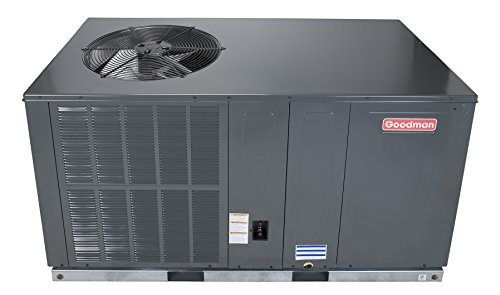
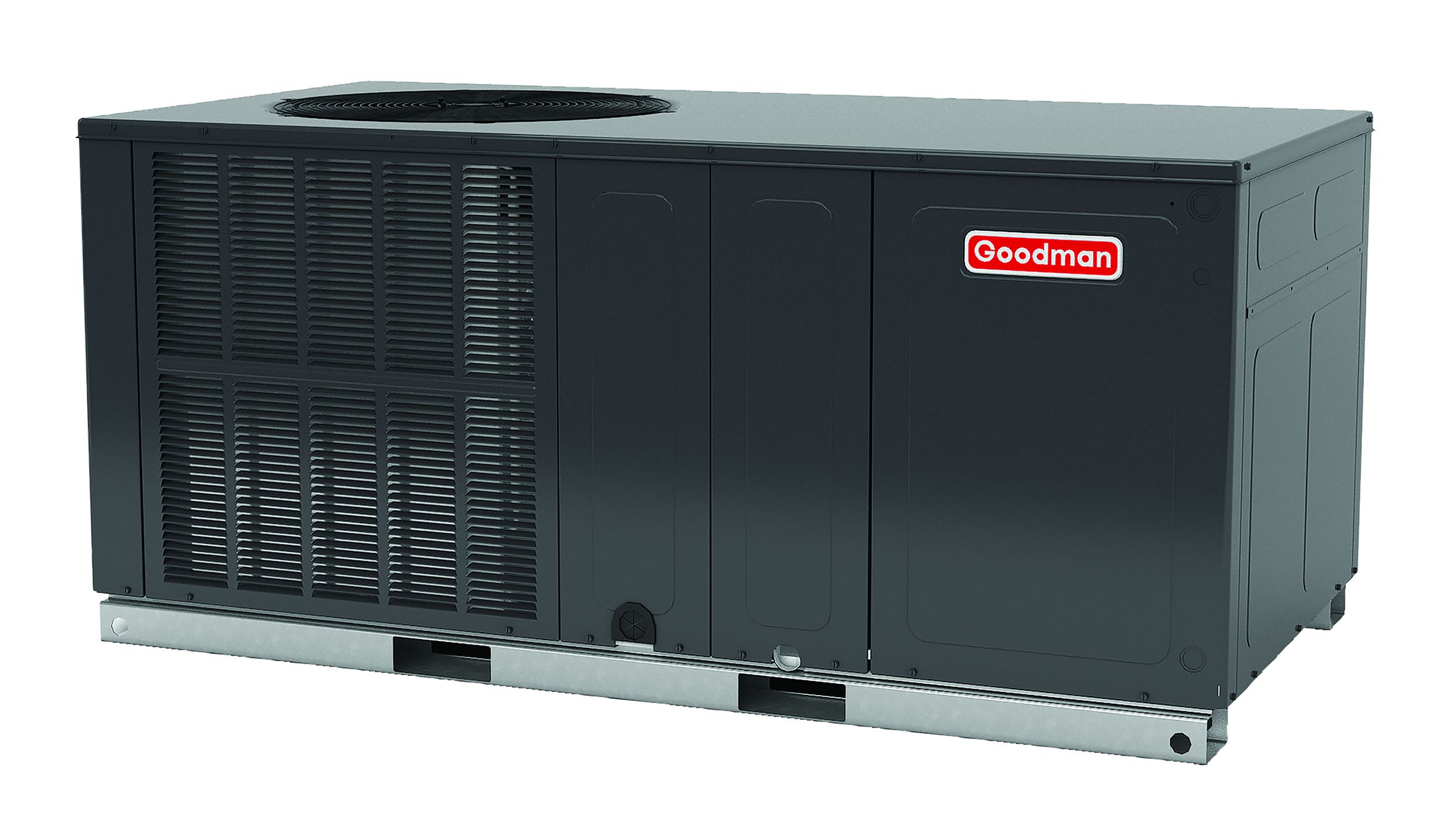
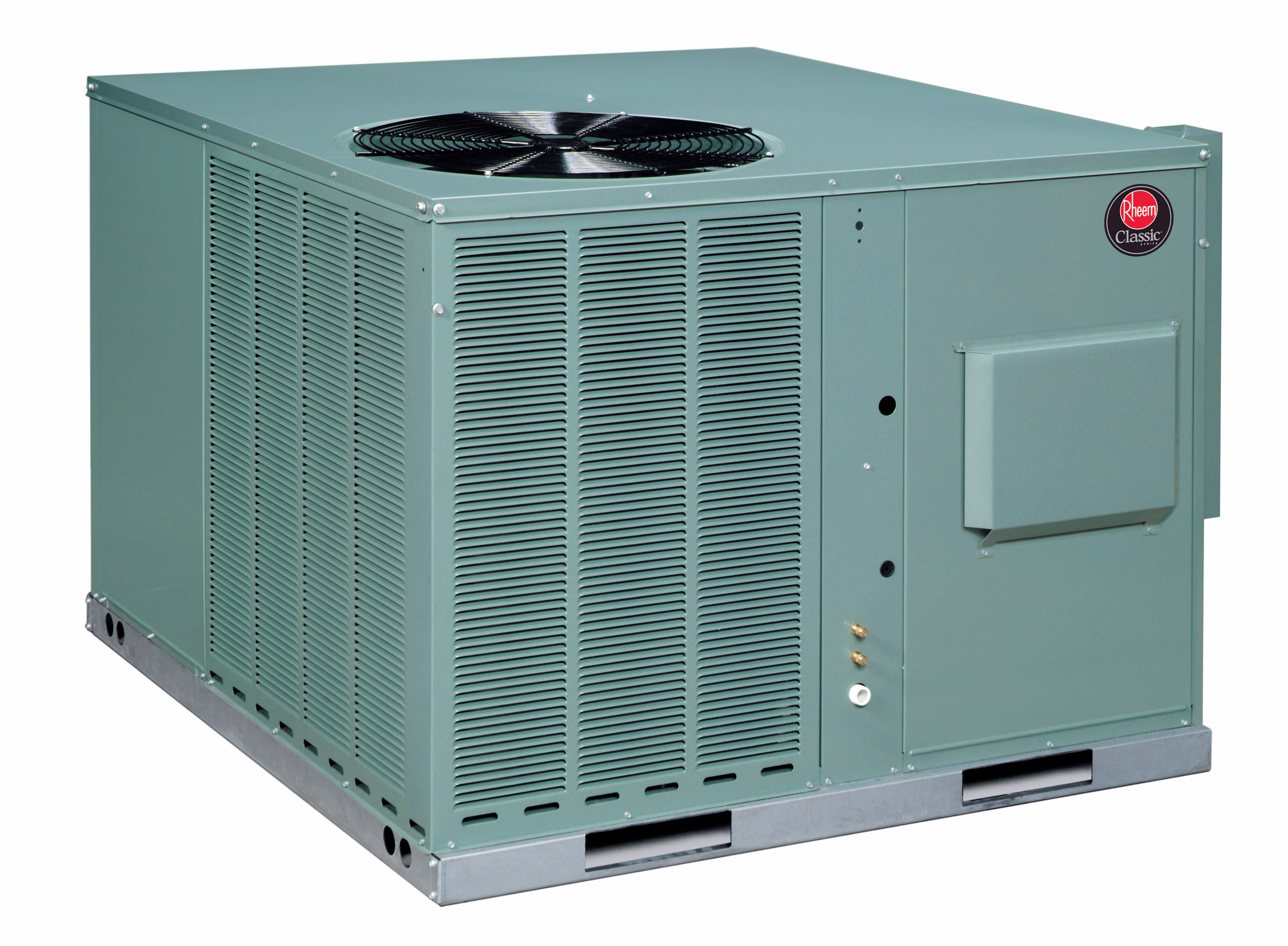
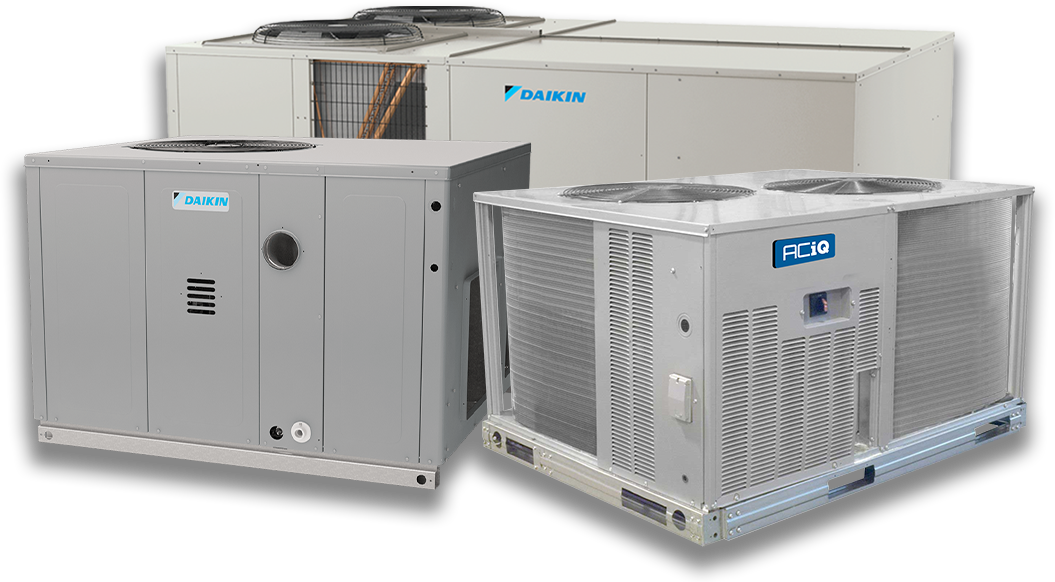
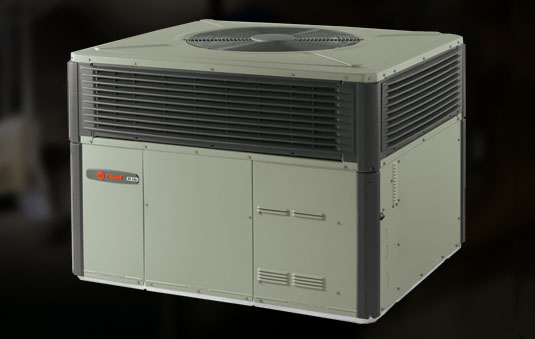
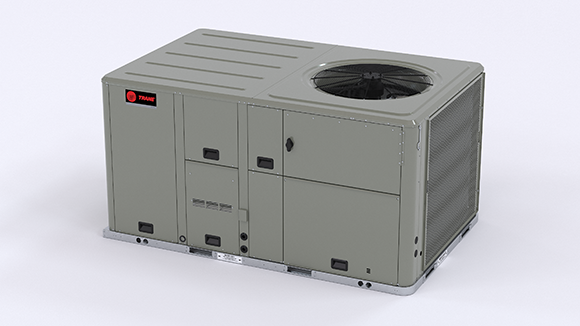
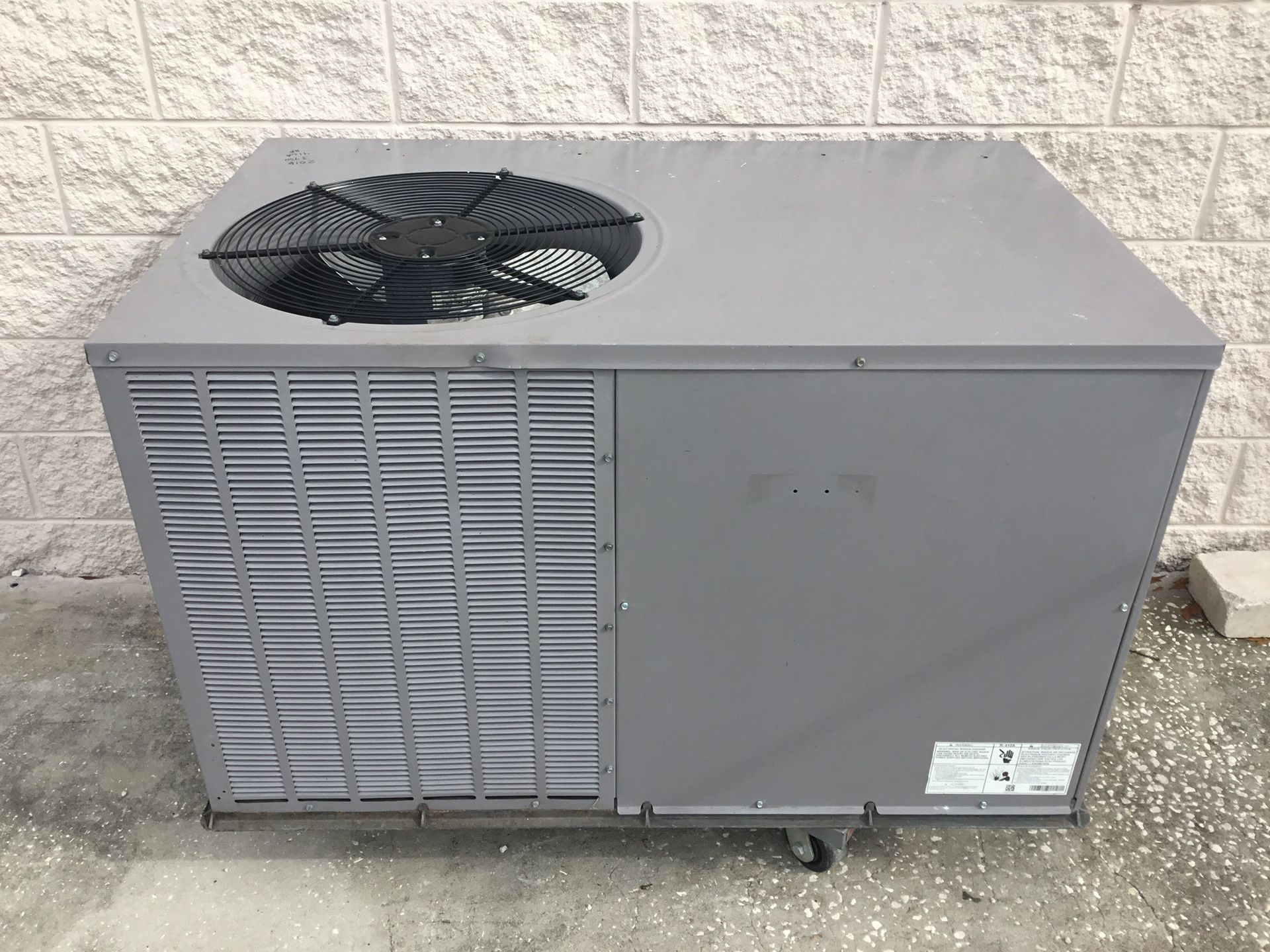
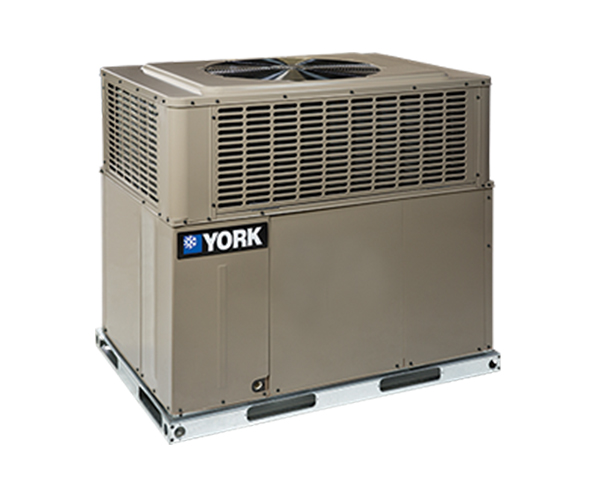
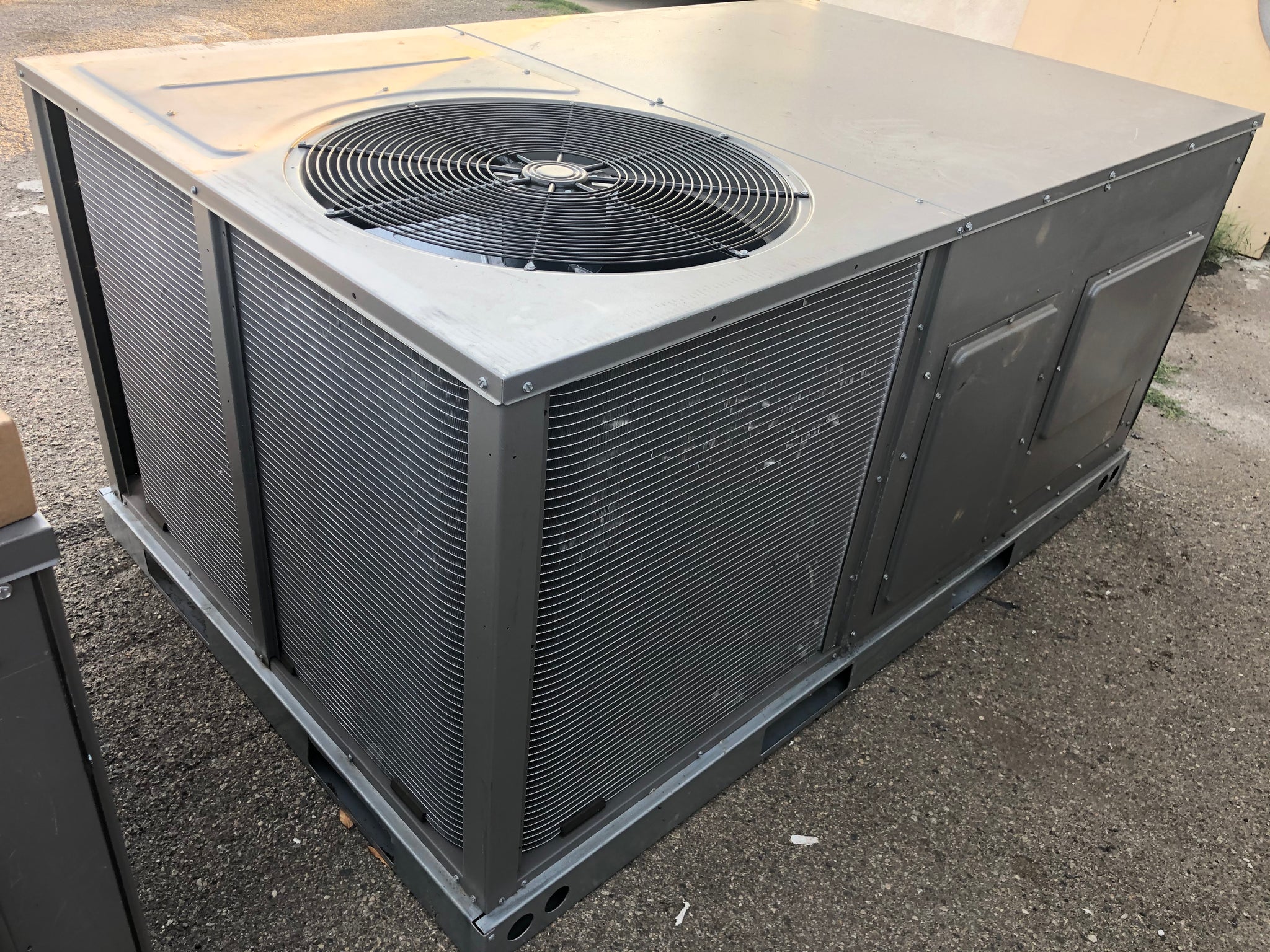
A 5-ton AC package unit with gas heat is a self-contained heating and cooling system. It combines an air conditioner (AC) and a gas furnace into one outdoor unit. Unlike split systems where the AC and furnace are separate, all the components are housed together in a single cabinet. This simplifies installation and is often used when indoor space is limited.
Key features:
- 5-ton cooling capacity: This indicates the unit's ability to remove heat from your space (60,000 BTU/hr). A 5-ton unit is typically suitable for larger homes or commercial spaces.
- Gas heat: Uses natural gas or propane to generate heat.
- Package unit: All components are pre-assembled in a single cabinet.
- Outdoor installation: Usually installed on a slab or roof.
Is a 5-ton unit the right size for my home or building?
Proper sizing is crucial for efficiency and comfort. A unit that's too small won't adequately cool or heat your space, while one that's too large will cycle on and off frequently, leading to temperature fluctuations, increased energy bills, and premature wear and tear.
Factors to consider for sizing:
- Square footage: Generally, a 5-ton unit can handle 2000-2500 square feet, but this is a very rough estimate.
- Climate: Hotter climates require larger AC units.
- Insulation: Well-insulated homes require smaller units.
- Windows: The number and type of windows impact heating and cooling loads.
- Ceiling height: Higher ceilings increase the volume of air to condition.
- Orientation: The direction your home faces affects solar heat gain.
- Number of occupants: More people generate more heat.
Don't guess! The best way to determine the right size unit is to have a qualified HVAC professional perform a Manual J load calculation. This calculation takes all the above factors into account to accurately assess your heating and cooling needs. Always prioritize a professional assessment over relying solely on rule-of-thumb estimates.
What are the benefits of a package unit compared to a split system?
Both package units and split systems have their advantages. Package units offer several specific benefits:
- Simplified installation: Since all components are pre-assembled, installation is typically faster and less complex than with a split system. This can translate to lower installation costs.
- Space-saving: Ideal for properties where indoor space is limited, as the entire system is located outside. No need for a separate indoor furnace.
- Easier maintenance: All components are in one location, making servicing and maintenance more convenient.
- Reduced ductwork: May require less ductwork than some split system installations, potentially saving on ductwork costs and reducing air leakage.
- Lower initial cost: In some cases, the initial cost of a package unit may be lower than a comparable split system, although this depends on specific models and installation factors.
However, there are potential drawbacks:
- Accessibility: Depending on the location, accessing the unit for maintenance or repairs may be more challenging.
- Noise: All components are located outside, which may result in slightly more noticeable noise levels than a split system where the air handler is indoors.
How energy-efficient are 5-ton AC package units with gas heat? What SEER and AFUE ratings should I look for?
Energy efficiency is a critical factor in minimizing operating costs and environmental impact. Look for units with high SEER (Seasonal Energy Efficiency Ratio) and AFUE (Annual Fuel Utilization Efficiency) ratings.
SEER (Cooling):
- Measures the cooling efficiency of the air conditioner. A higher SEER rating means greater energy efficiency.
- The minimum SEER rating currently required is 14 in most regions of the US.
- Look for units with SEER ratings of 16 or higher for significant energy savings. Some models can reach SEER ratings of 20 or more.
- The higher the SEER, the lower your electricity bills will be during the cooling season.
AFUE (Heating):
- Measures the heating efficiency of the gas furnace. A higher AFUE rating means more of the fuel is converted into usable heat, and less is wasted.
- The minimum AFUE rating currently required is 78%.
- Look for units with AFUE ratings of 80% or higher for improved energy efficiency. Some high-efficiency models can reach AFUE ratings of 95% or more.
- The higher the AFUE, the lower your gas bills will be during the heating season.
Consider Energy Star Certified Models: Units that meet Energy Star guidelines offer superior energy efficiency and can qualify for rebates and incentives.
What is the average lifespan of a 5-ton AC package unit with gas heat, and what maintenance is required?
With proper care and maintenance, a 5-ton AC package unit with gas heat can last 15-20 years or even longer. Regular maintenance is essential to maximize lifespan and ensure optimal performance.
Recommended Maintenance Tasks:
- Annual professional inspection and tune-up: A qualified HVAC technician should inspect the unit annually to clean coils, check refrigerant levels, inspect electrical components, lubricate moving parts, and ensure proper operation.
- Regular filter changes: Replace the air filter every 1-3 months, depending on usage and air quality. Dirty filters restrict airflow, reduce efficiency, and can damage the unit.
- Keep the area around the unit clear: Remove debris, leaves, and vegetation from around the unit to ensure proper airflow.
- Clean the coils: Clean the outdoor coils periodically to remove dirt and debris. You can use a garden hose with a gentle spray nozzle. Avoid using high-pressure washers, which can damage the coils.
- Monitor for unusual noises or smells: If you notice any strange noises or smells coming from the unit, contact a qualified technician immediately. Ignoring these signs can lead to more serious and costly problems.
- Inspect and clean burners (gas heat): Have a professional inspect and clean the burners annually to ensure efficient and safe combustion.
- Check for gas leaks: Regularly check for gas leaks, especially if you smell gas. Use a leak detection solution or contact your gas company.
Neglecting maintenance can lead to reduced efficiency, increased energy bills, breakdowns, and a shorter lifespan for your unit. Investing in regular maintenance is a smart way to protect your investment.
What is the typical cost to install a 5-ton AC package unit with gas heat?
The cost to install a 5-ton AC package unit with gas heat can vary significantly depending on several factors:
- Unit model and efficiency: Higher-efficiency models typically cost more upfront.
- Installation complexity: Factors like accessibility, existing ductwork modifications, and the need for electrical upgrades can affect the installation cost.
- Labor rates: Labor costs vary depending on your location and the HVAC contractor you choose.
- Permits and inspections: Local permits and inspections can add to the overall cost.
- Ductwork condition: If existing ductwork needs repair or replacement, this will increase the overall project cost.
- Removal and disposal of old unit: Most contractors include the cost of removing and disposing of the old unit in their estimate.
As a general guideline, you can expect the total cost (including the unit and installation) to range from $7,000 to $15,000 or more. It's essential to get quotes from multiple qualified HVAC contractors to compare prices and services. Be sure to ask for a detailed breakdown of the costs included in the estimate.
What should I look for when choosing an HVAC contractor to install my unit?
Selecting the right HVAC contractor is just as important as choosing the right unit. A reputable contractor will ensure a proper installation, which is crucial for the unit's performance and longevity.
Key factors to consider:
- Licensing and insurance: Verify that the contractor is properly licensed and insured in your state or locality.
- Experience and reputation: Choose a contractor with a proven track record of installing package units. Ask for references and check online reviews.
- Certifications: Look for contractors who are certified by organizations like NATE (North American Technician Excellence).
- Detailed estimates: Get written estimates that clearly outline the scope of work, costs, and warranty information.
- Warranty: Ask about the contractor's labor warranty and the manufacturer's warranty on the unit.
- Communication: Choose a contractor who communicates clearly and answers your questions thoroughly.
- Professionalism: A professional contractor will arrive on time, be respectful of your property, and clean up after the job is completed.
Don't be afraid to ask questions! A good contractor will be happy to answer your questions and provide you with the information you need to make an informed decision. Trust your gut - if something feels off, consider getting another quote. A well-chosen contractor will not only install your system correctly but also provide ongoing support and maintenance to keep it running smoothly for years to come.