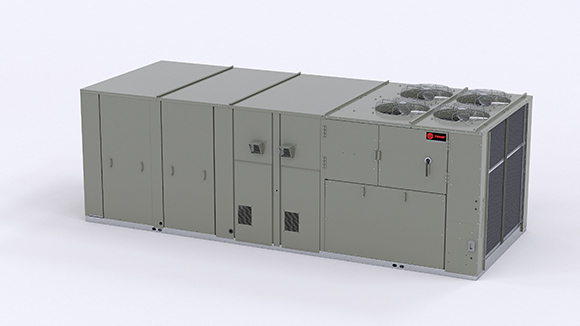
5 Ton Commercial Rooftop Hvac Units Prices
Decoding the Costs: 5 Ton Commercial Rooftop HVAC Unit Prices and Industry Insights
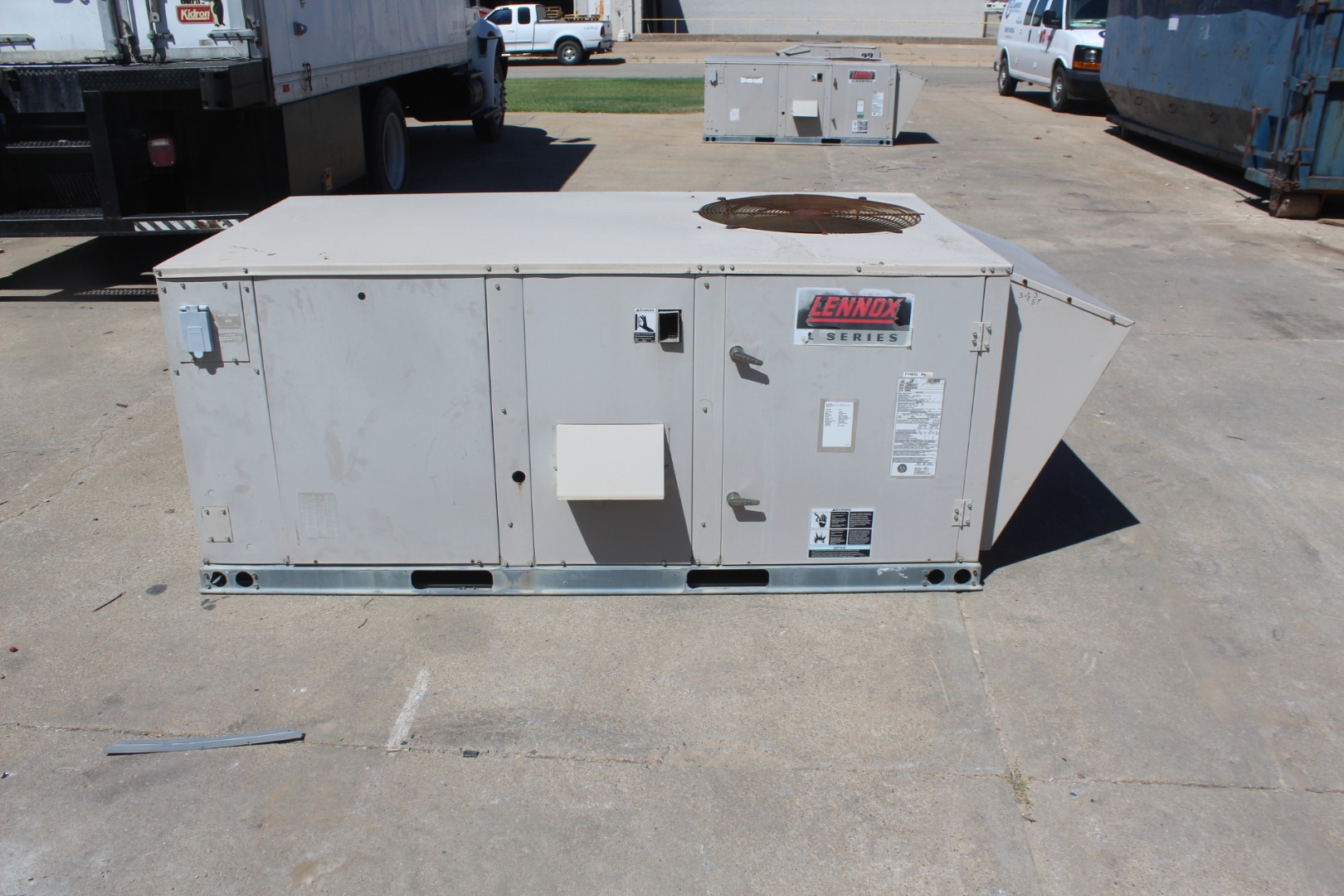
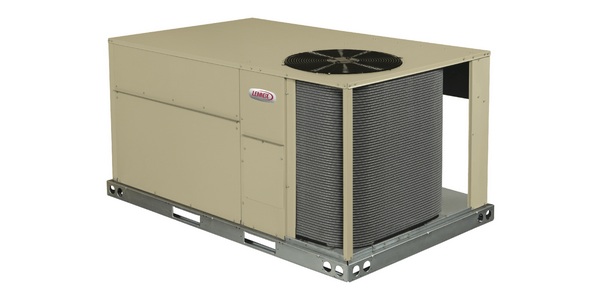
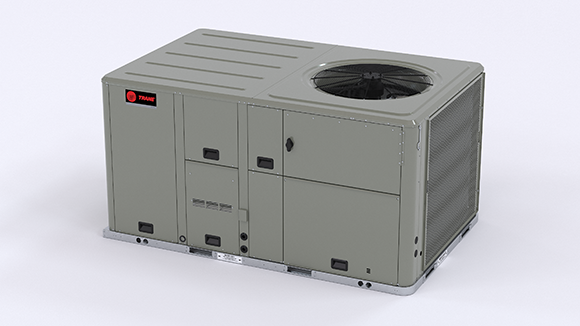
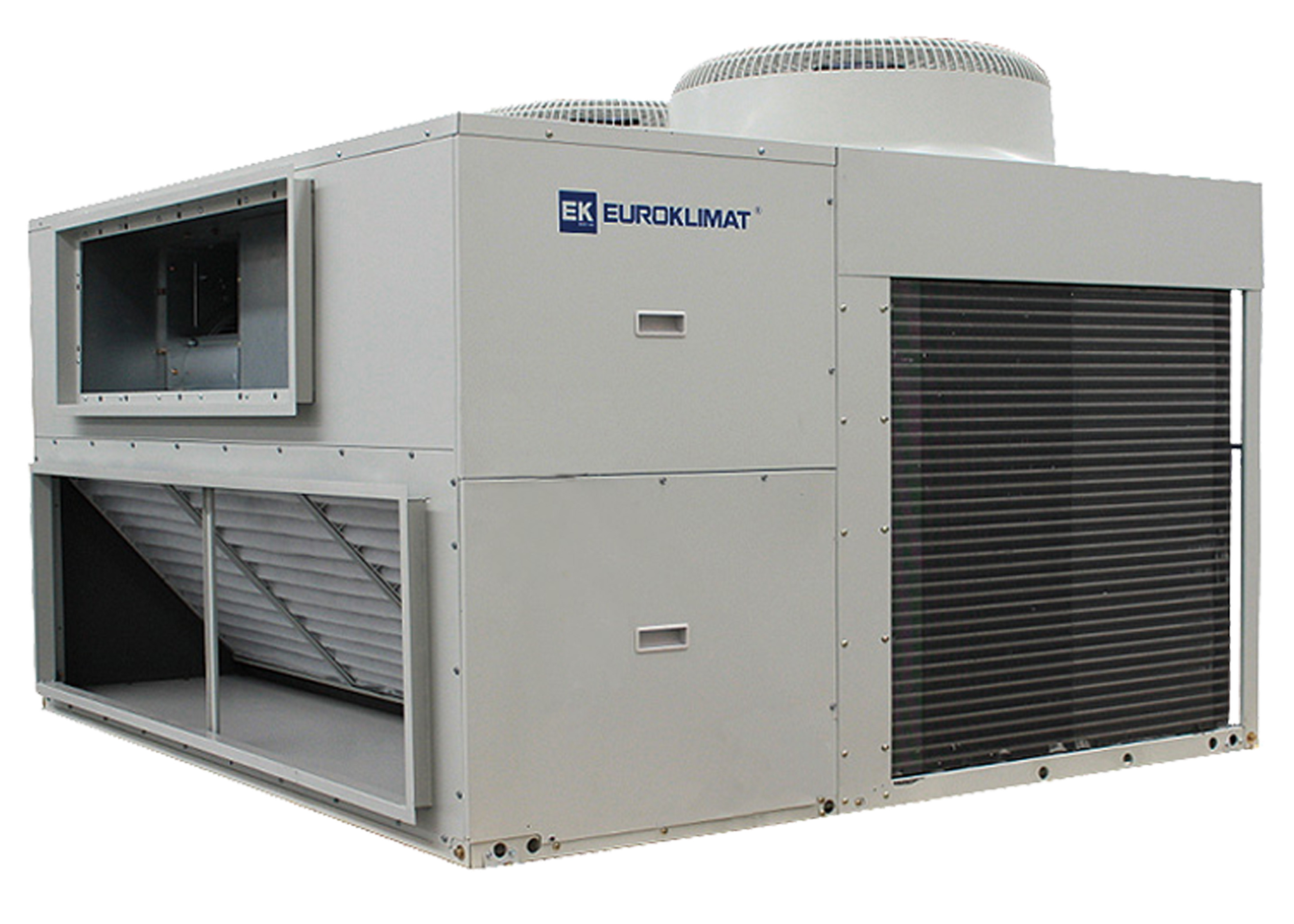
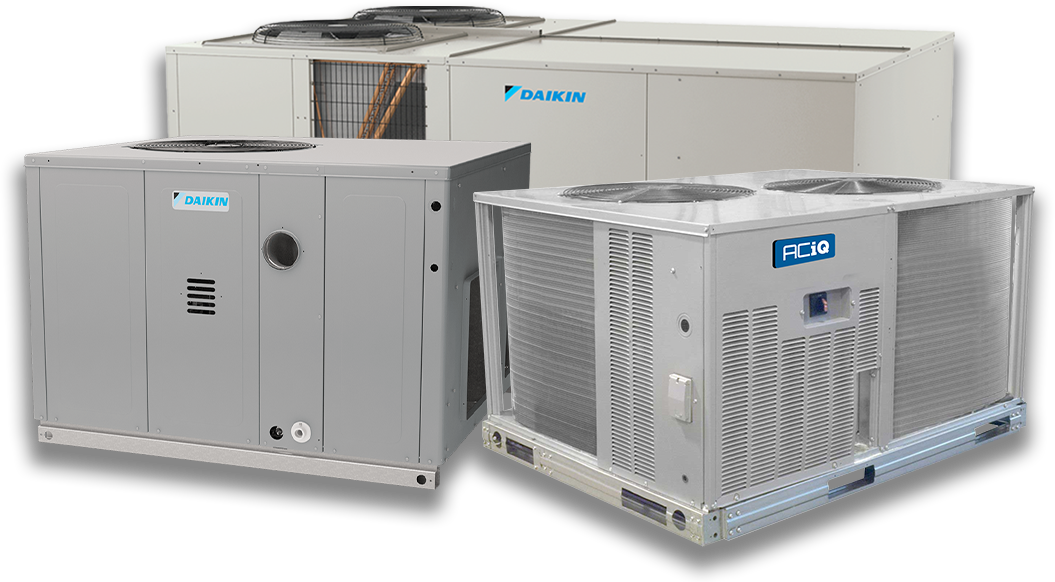
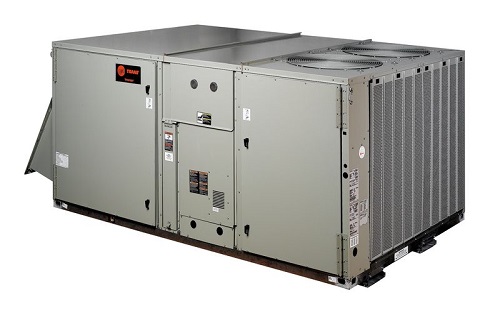
For HVAC students, seasoned technicians, and business owners alike, understanding the pricing of commercial rooftop units (RTUs) is crucial. A 5-ton RTU is a common size for smaller commercial buildings like retail spaces, restaurants, and office buildings. This article provides a comprehensive overview of the factors influencing the price of a 5-ton commercial rooftop HVAC unit, career opportunities in the field, and valuable industry insights.
Factors Influencing the Price of a 5 Ton Commercial Rooftop Unit
The price of a 5-ton commercial rooftop HVAC unit can vary considerably depending on several factors:
- Efficiency (SEER and EER Ratings): Units with higher Seasonal Energy Efficiency Ratio (SEER) and Energy Efficiency Ratio (EER) ratings are more energy-efficient, leading to lower operating costs over time. However, they generally have a higher initial purchase price. Expect to pay a premium for units exceeding minimum efficiency standards.
- Brand Reputation: Well-established brands like Carrier, Trane, York, and Rheem often command higher prices due to their perceived reliability, performance, and extensive service networks.
- Features and Technology: Advanced features like variable-speed compressors, smart controls, and integrated economizers will increase the unit's cost. An economizer, for example, allows the unit to use outside air for cooling when conditions are favorable, reducing energy consumption.
- Installation Complexity: Installation costs can vary greatly depending on the building's existing infrastructure, the complexity of the ductwork, and the need for any structural modifications to support the new unit.
- Refrigerant Type: The type of refrigerant used can also impact the price. Newer refrigerants, often with lower global warming potential (GWP), might initially increase the cost of the unit. The HVAC industry is transitioning away from older refrigerants like R-22 and R-410A towards more environmentally friendly options.
- Warranty: A longer and more comprehensive warranty can justify a higher price, providing peace of mind and protecting against potential repair costs.
- Market Conditions: Fluctuations in the prices of raw materials, labor costs, and overall demand can also influence the price of 5-ton RTUs.
Typical Price Ranges for 5 Ton Commercial Rooftop Units
As a general guideline, expect the price of a new 5-ton commercial rooftop HVAC unit to range from $6,000 to $12,000 for the equipment alone. Installation costs can add another $2,000 to $6,000 or more, depending on the complexity of the job. Therefore, the total cost (equipment + installation) can range from $8,000 to $18,000.
These are estimates, and it's crucial to obtain multiple quotes from reputable HVAC contractors in your area to get accurate pricing for your specific needs.
Career Opportunities in Commercial HVAC
The commercial HVAC industry offers a wide range of career opportunities for individuals with varying levels of education and experience. Here are a few examples:
- HVAC Technician: Install, maintain, and repair commercial HVAC systems. They diagnose problems, perform routine maintenance, and ensure systems operate efficiently. According to the U.S. Bureau of Labor Statistics, the median annual wage for HVAC technicians was $51,390 in May 2022. The job outlook is projected to grow 6 percent from 2022 to 2032, about as fast as the average for all occupations.
- HVAC Installer: Focus on the installation of new HVAC systems, including rooftop units. They work with blueprints, connect ductwork, and ensure proper system operation.
- HVAC Service Manager: Oversee a team of HVAC technicians, manage service schedules, and ensure customer satisfaction. This role often requires several years of experience as an HVAC technician.
- HVAC Sales Engineer: Work with clients to determine their HVAC needs and recommend appropriate systems. They possess strong technical knowledge and sales skills.
- Building Automation Systems (BAS) Specialist: Program and maintain building automation systems that control HVAC, lighting, and other building systems. These roles are growing as buildings become more intelligent and energy-efficient.
Certifications: Enhancing Your Career Prospects
Obtaining relevant certifications can significantly enhance your career prospects and earning potential in the HVAC industry.
- EPA Section 608 Certification: Required by the U.S. Environmental Protection Agency (EPA) for technicians who handle refrigerants. There are different types of certifications based on the type of equipment you work with (Type I, Type II, Type III, and Universal).
- NATE (North American Technician Excellence) Certification: A widely recognized certification that demonstrates your knowledge and skills in specific HVAC areas, such as installation, service, and maintenance. NATE-certified technicians often command higher salaries and are more sought after by employers.
- HVAC Excellence Certification: Another reputable certification program that offers various certifications for different HVAC specialties.
- Manufacturer-Specific Certifications: Many HVAC manufacturers offer certifications for their specific equipment. These certifications can be valuable for technicians who specialize in working with particular brands.
Real-World Example: Sarah started as an HVAC apprentice after completing a two-year technical program. She obtained her EPA 608 certification and then pursued NATE certification in commercial refrigeration. Her certifications and experience allowed her to advance to a lead technician role at a large commercial HVAC company, significantly increasing her earning potential.
The Importance of Continuing Education
The HVAC industry is constantly evolving with new technologies and regulations. Continuing education is essential for staying up-to-date and maintaining your competitive edge. Attend industry conferences, take online courses, and participate in training programs offered by manufacturers and trade associations. This dedication to lifelong learning will not only enhance your skills but also make you a more valuable asset to your employer or your own business.
Tips for Employers Hiring HVAC Technicians
When hiring HVAC technicians, consider the following:
- Verify Certifications: Ensure that candidates possess the required certifications, such as EPA 608 and NATE.
- Assess Experience: Evaluate candidates' experience with commercial HVAC systems, particularly rooftop units.
- Check References: Contact previous employers to verify candidates' work history and performance.
- Conduct Technical Assessments: Administer practical tests to assess candidates' troubleshooting and repair skills.
- Prioritize Soft Skills: Look for candidates with strong communication, problem-solving, and customer service skills.
- Offer Competitive Compensation and Benefits: Attract and retain top talent by offering competitive salaries, health insurance, retirement plans, and opportunities for professional development.
Sustainability and Energy Efficiency in Commercial HVAC
Sustainability and energy efficiency are increasingly important considerations in the commercial HVAC industry. As building owners and businesses strive to reduce their carbon footprint and lower operating costs, the demand for high-efficiency HVAC systems and energy-efficient building practices is growing. This trend is driving innovation in the industry, with manufacturers developing more efficient equipment and technicians specializing in energy audits and building performance optimization.
Investing in a high-efficiency 5-ton rooftop unit, although potentially more expensive upfront, can lead to significant long-term savings on energy bills and contribute to a more sustainable building operation.
Example: Many companies are now using advanced monitoring systems to track the performance of their HVAC equipment in real-time. This allows them to identify and address any inefficiencies, optimizing energy consumption and preventing costly breakdowns.
Conclusion
Understanding the pricing of 5-ton commercial rooftop HVAC units, the factors that influence those prices, and the career opportunities available in the commercial HVAC industry is essential for students, technicians, and employers alike. By investing in education, certifications, and energy-efficient technologies, you can position yourself for success in this dynamic and growing field.


/rebel-applied-packaged-rooftop-unit1.png?sfvrsn=e5f3fb9a_2)