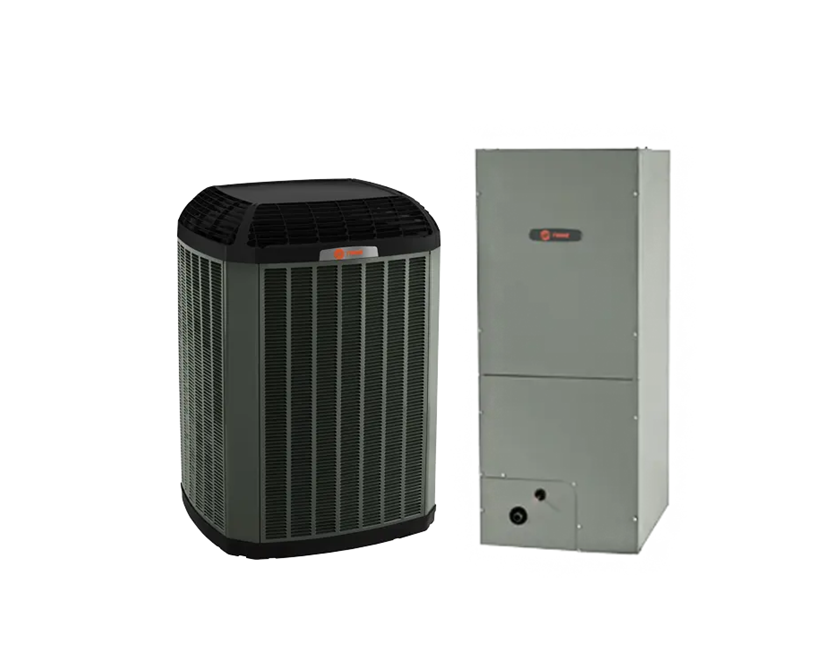
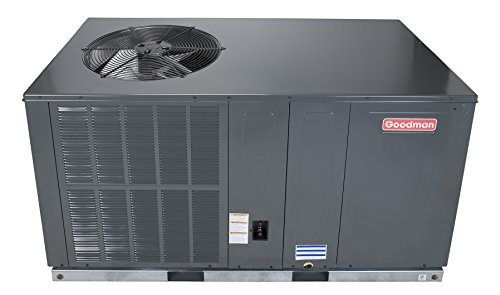
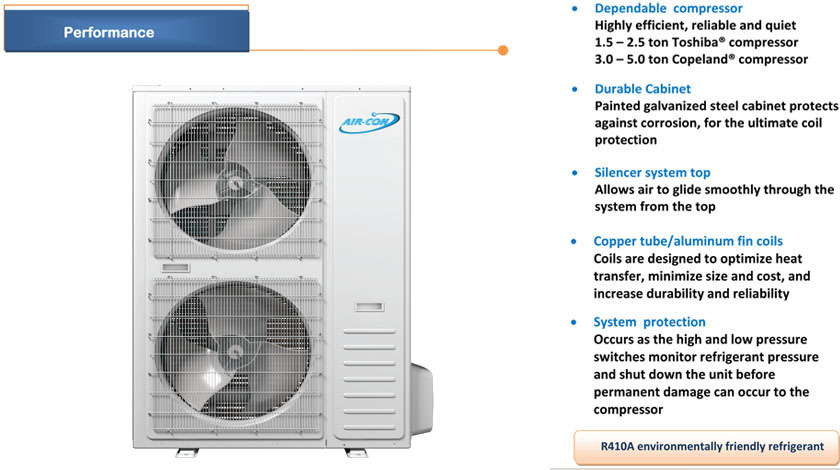
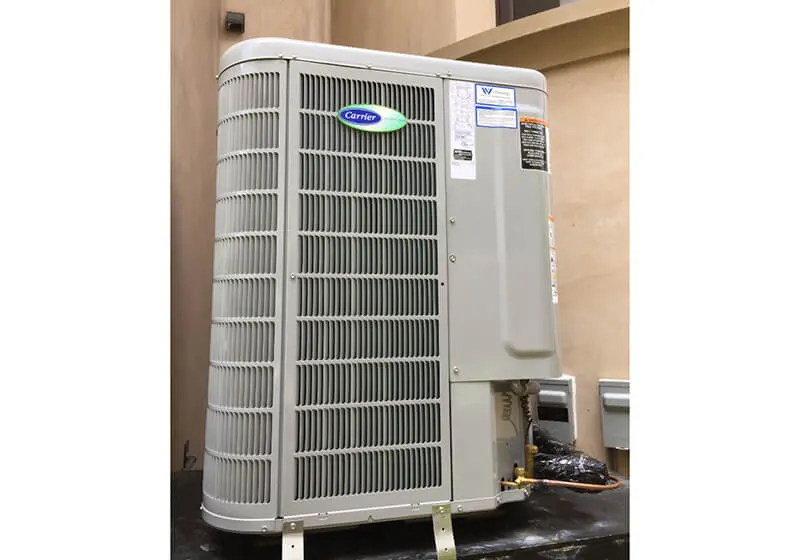
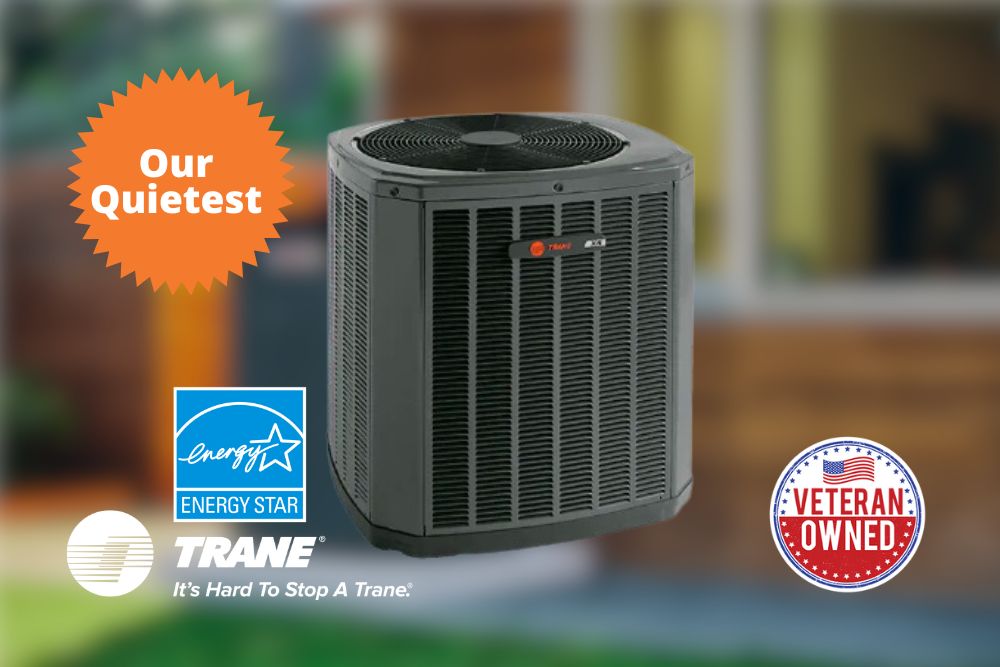
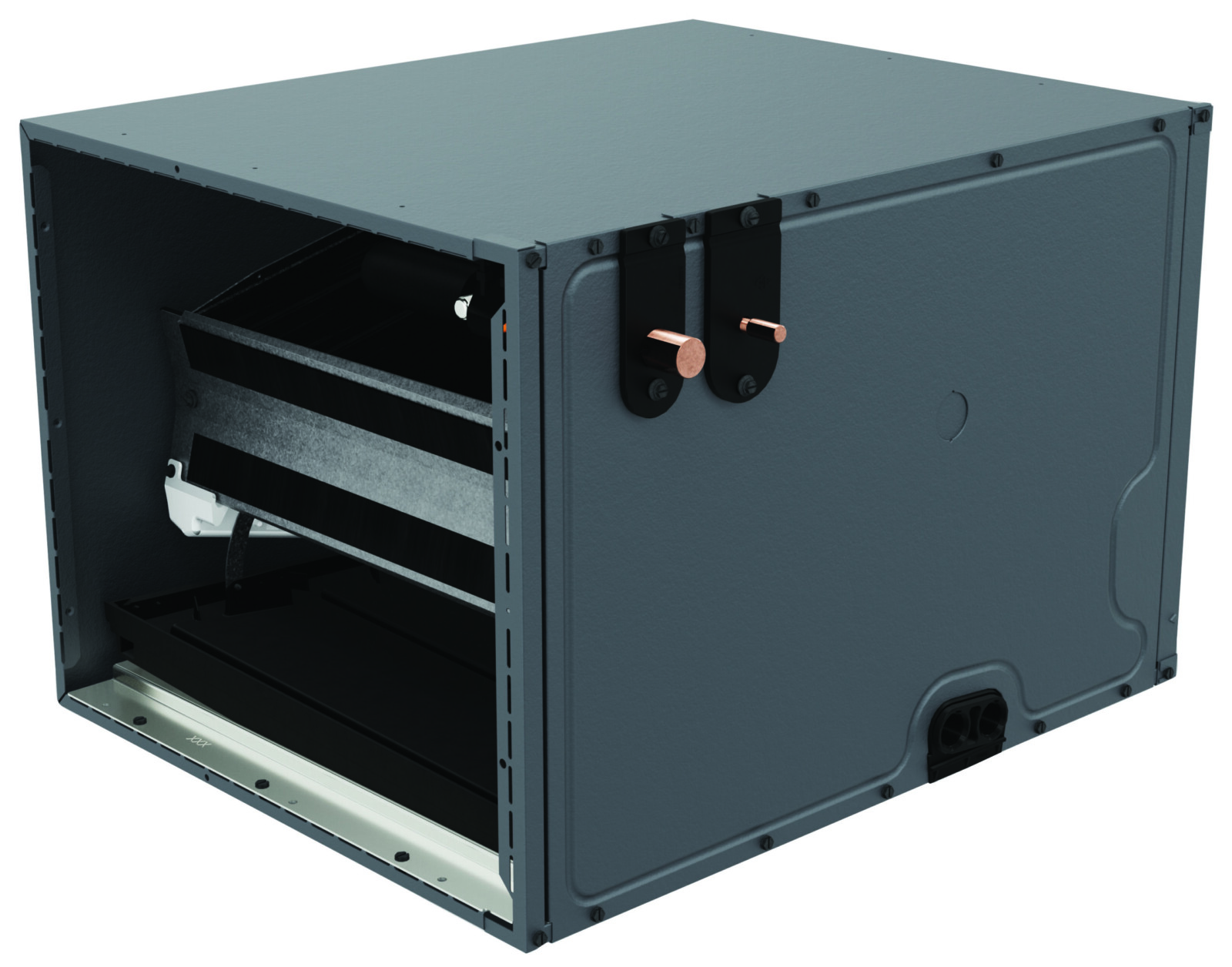
5 Ton Variable Speed Air Conditioner
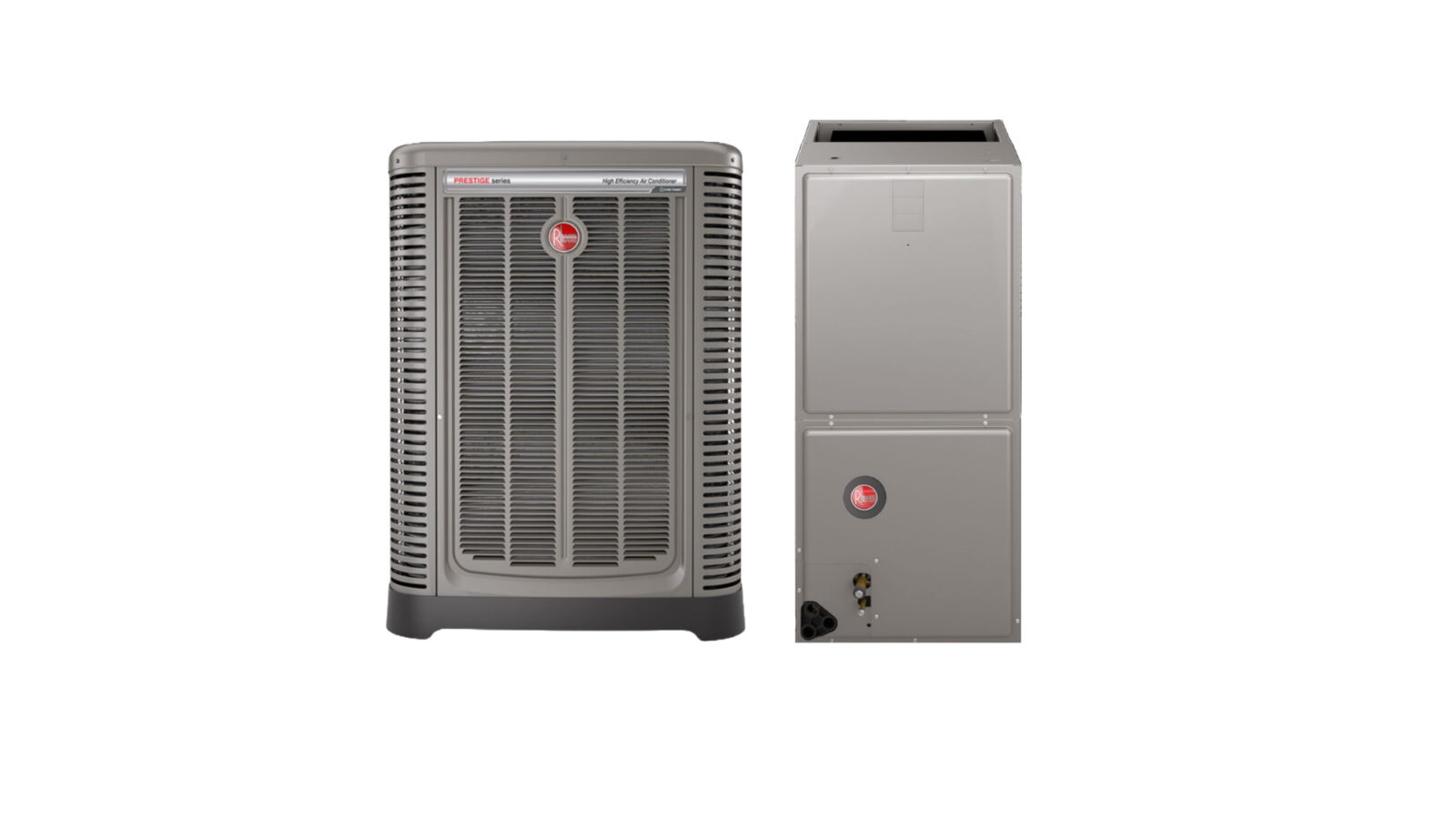
Imagine this: It's the peak of summer, and your 5-ton variable speed air conditioner, usually a beacon of cool comfort, has decided to take a vacation. You're met with warm air, a blinking thermostat, or complete silence. Before you panic and call for professional help, let's walk through some basic troubleshooting steps you can safely perform to diagnose and potentially fix the issue yourself.
Understanding Your 5-Ton Variable Speed AC
First, let's quickly define what we're dealing with. A 5-ton AC unit is designed to cool a relatively large space (typically around 2000-2500 square feet, but this varies based on insulation and climate). The "variable speed" component means the compressor can adjust its speed to match the cooling demand, leading to better efficiency and more consistent temperatures compared to traditional single-speed units. This also means the system is more complex and diagnosing issues can require a more systematic approach.
Safety First!
Before we begin, let's emphasize safety. Electricity can be dangerous. Always turn off the power to your AC unit at the circuit breaker before attempting any repairs. If you're uncomfortable working with electrical components, don't hesitate to call a qualified HVAC technician.
Troubleshooting Steps: No Cool Air
This is the most common complaint. Let's break down the possible causes and how to address them:
1. Check the Thermostat
It sounds simple, but often the solution is staring you right in the face.
- Power: Ensure the thermostat has power. Replace the batteries if necessary.
- Settings: Make sure the thermostat is set to "Cool" mode and the temperature is set low enough to trigger the AC (e.g., a few degrees below the current room temperature).
- Fan Setting: Verify the fan setting is on "Auto" rather than "On." "On" will run the fan continuously, even when the compressor isn't cooling.
- Program: Review your thermostat schedule. The AC might be programmed to be off during certain times.
If the thermostat is the culprit, you've just saved yourself a service call!
2. Inspect the Air Filter
A dirty air filter restricts airflow, causing the AC to work harder and potentially freeze up the evaporator coil. This is a common cause of reduced cooling or no cooling at all.
- Location: Typically, the air filter is located in the return air duct, either at the unit itself or in a wall or ceiling vent.
- Inspection: Remove the filter and hold it up to the light. If you can't see much light through it, it's time to replace it.
- Replacement: Replace the dirty filter with a new one of the correct size and type. Be sure to install it with the arrow pointing in the direction of airflow.
A clean air filter improves efficiency and prolongs the life of your AC unit.
3. Check the Outdoor Unit (Condenser)
The outdoor unit is responsible for releasing heat from your home. Obstructions around the unit can hinder this process.
- Debris: Clear away any debris around the outdoor unit, such as leaves, grass clippings, branches, and other obstructions. Ensure there is at least 2-3 feet of clearance around the unit.
- Coil Fins: Inspect the condenser coil fins (the metal fins surrounding the unit). If they are bent or damaged, carefully straighten them with a fin comb (available at most hardware stores). Be gentle; the fins are delicate.
- Power: Make sure the disconnect switch (usually located near the outdoor unit) is in the "On" position.
Important: If you see ice forming on the refrigerant lines or the outdoor unit, turn off the AC immediately and allow it to thaw. This indicates a problem with airflow or refrigerant, and continuing to run the AC can damage the compressor. Contact a professional.
4. Check the Indoor Unit (Evaporator Coil)
The evaporator coil is located inside the indoor unit and is responsible for cooling the air. Like the condenser coil, it can become dirty or frozen.
- Access Panel: Locate the access panel on your indoor unit. You may need a screwdriver to remove it.
- Visual Inspection: Look for signs of ice buildup on the evaporator coil. If you see ice, turn off the AC and allow it to thaw completely.
- Airflow: After thawing, ensure adequate airflow by checking the air filter and registers. Restricted airflow is a common cause of freezing.
- Professional Cleaning: Cleaning the evaporator coil is generally best left to a professional, as it involves working with refrigerant and delicate components.
5. Circuit Breaker Check
A tripped circuit breaker can cut power to the AC unit. This is often caused by the AC drawing too much current.
- Location: Locate your electrical panel and find the circuit breaker labeled "AC" or "Air Conditioner."
- Inspection: Check if the breaker is tripped (usually in the "Off" or "Middle" position).
- Reset: If the breaker is tripped, flip it all the way to the "Off" position and then back to the "On" position.
- Repeat Tripping: If the breaker trips repeatedly, there may be a more serious electrical problem. Call a qualified electrician or HVAC technician.
6. Condensate Drain Line
The condensate drain line removes water that condenses during the cooling process. A clogged drain line can cause water to back up and shut down the AC unit.
- Location: Locate the condensate drain line, which is typically a PVC pipe that exits the indoor unit.
- Inspection: Check for any visible clogs or obstructions in the drain line.
- Clearing the Drain: You can try clearing the drain line with a wet/dry vacuum or a stiff wire. Be careful not to damage the pipe. You can also try pouring a cup of vinegar down the drain line to dissolve any algae or mold buildup.
- Condensate Pump (if applicable): Some systems have a condensate pump to pump the water away. Ensure the pump is working correctly and the float switch is not stuck.
Troubleshooting Steps: AC Turns On and Off Frequently (Short Cycling)
Short cycling is when your AC turns on and off in short bursts. This is inefficient and can damage the compressor.
- Dirty Air Filter: As mentioned before, a dirty air filter is a common cause.
- Oversized AC Unit: If your AC unit is too large for your home, it may cool the space too quickly and then shut off, leading to short cycling. This is a problem that requires professional assessment and potentially replacing the unit.
- Refrigerant Leaks: Low refrigerant can also cause short cycling. This requires a professional to diagnose and repair the leak and recharge the refrigerant.
- Electrical Issues: Faulty wiring or a failing capacitor can also cause short cycling. Contact a qualified electrician or HVAC technician.
When to Call a Professional
While many issues can be resolved with these simple steps, some problems require professional attention. Call a qualified HVAC technician if you encounter any of the following:
- Refrigerant Leaks: Handling refrigerant requires specialized equipment and training.
- Compressor Problems: The compressor is the heart of the AC unit, and repairs are complex and expensive.
- Electrical Issues: If you're uncomfortable working with electricity or suspect a serious electrical problem, call an electrician.
- Frozen Evaporator Coil (repeatedly): Recurring freezing indicates a more serious issue that needs professional diagnosis.
- Strange Noises: Unusual noises, such as banging, grinding, or hissing, can indicate mechanical problems.
- You've tried the above steps and the AC still isn't working.
Preventive Maintenance
The best way to avoid AC problems is to perform regular preventive maintenance.
- Change the Air Filter Regularly: At least every 1-3 months, or more often if you have pets or allergies.
- Clean the Outdoor Unit: Clear away debris and straighten coil fins as needed.
- Professional Maintenance: Schedule a professional AC tune-up annually. This will include inspecting and cleaning the coils, checking refrigerant levels, and lubricating moving parts.
By following these troubleshooting steps and performing regular maintenance, you can keep your 5-ton variable speed AC unit running efficiently and reliably for years to come. Remember, when in doubt, consult a professional!