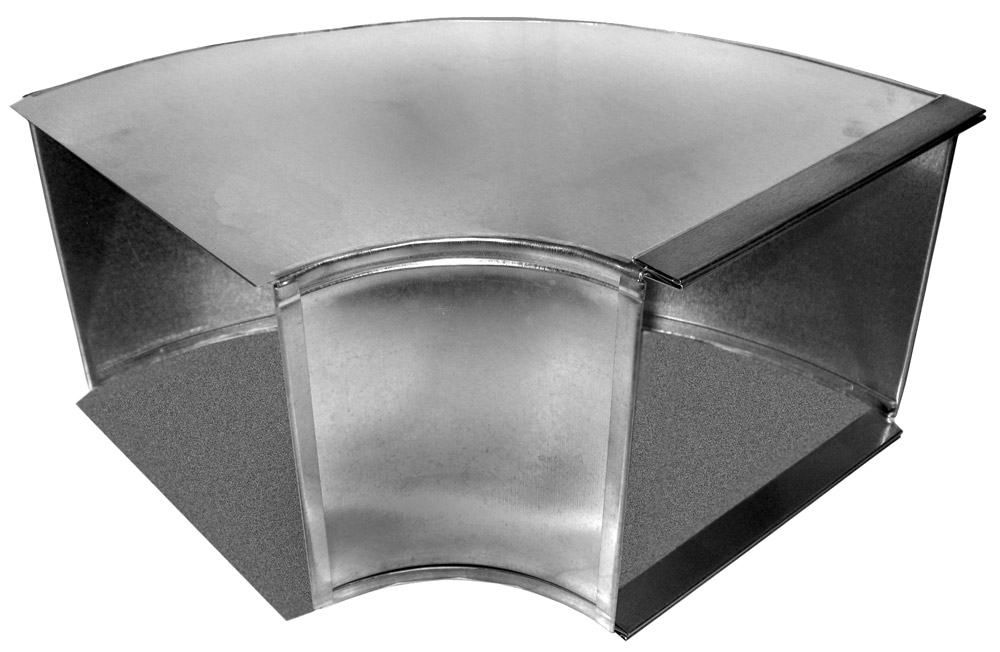
6 Inch 90 Degree Duct Close Elbow

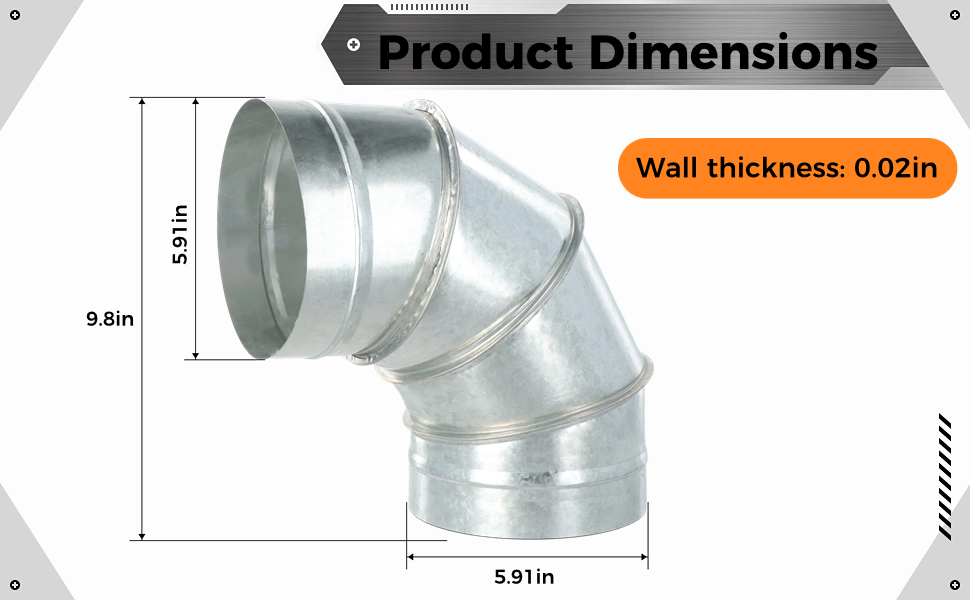
A 6-inch 90-degree duct close elbow is a vital component in many HVAC (Heating, Ventilation, and Air Conditioning) systems. It's a specific type of duct fitting designed to make a sharp, 90-degree turn in a duct run, while keeping the connection point very close to the bend itself. Understanding its purpose, materials, uses, and selection criteria is crucial for ensuring efficient airflow and optimal system performance.
What is a 6-Inch 90-Degree Duct Close Elbow?
Let's break down the name: "6-inch" refers to the diameter of the duct it's designed to connect to. This is a standard size used in many residential and commercial applications. "90-degree" indicates the angle of the turn the elbow makes. And "close elbow" specifies that the radius of the bend is relatively tight, meaning the transition is quite abrupt. It minimizes the space the elbow takes up in the duct run.
In essence, a 6-inch 90-degree duct close elbow is a curved section of ductwork that allows you to change the direction of airflow by 90 degrees, accommodating space constraints where a wider, more gradual bend might not be possible.
Key Features and Benefits:
- Compact Design: The close radius makes it ideal for tight spaces.
- Directional Change: Allows for a precise 90-degree turn in ductwork.
- Standard Size: Compatible with 6-inch diameter ducts, a commonly used size.
- Various Materials: Available in galvanized steel, aluminum, and other materials.
- Essential Component: A fundamental part of many HVAC and ventilation systems.
Materials Used in Construction
Duct close elbows are typically made from durable materials to withstand the pressures and temperatures within a ventilation system. The most common materials are:
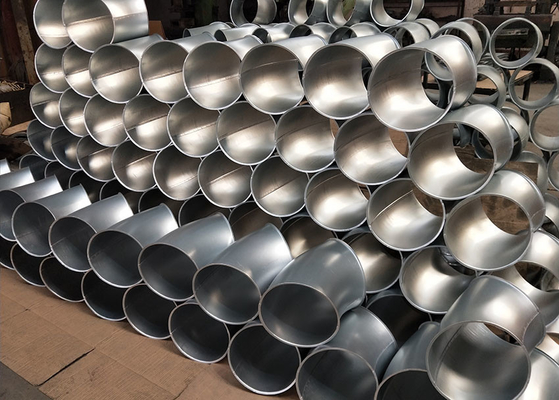
- Galvanized Steel: This is a popular choice due to its strength, durability, and resistance to rust and corrosion. Galvanization involves coating the steel with zinc, which acts as a protective barrier against moisture and other environmental factors.
- Aluminum: Aluminum elbows are lighter than steel and also offer good corrosion resistance. They are often preferred in situations where weight is a concern or in environments with high humidity.
- Stainless Steel: For applications requiring high corrosion resistance and cleanliness, stainless steel elbows are used. These are commonly found in food processing facilities, laboratories, and other specialized environments.
- PVC (Polyvinyl Chloride): While less common for traditional HVAC systems, PVC elbows can be used for certain ventilation applications, especially those involving corrosive fumes or liquids. PVC is resistant to many chemicals and is relatively inexpensive.
The choice of material depends on the specific application, the environmental conditions, and the budget.
Common Applications of a 6-Inch 90-Degree Duct Close Elbow
These elbows are found in a wide range of applications where ductwork needs to change direction in a limited space. Some typical examples include:
- Residential HVAC Systems: Connecting ducts to air handlers, furnaces, or ventilation outlets.
- Commercial Buildings: Distributing air throughout office spaces, retail stores, and other commercial environments.
- Industrial Settings: Exhausting fumes, providing ventilation, or directing airflow in manufacturing plants and warehouses.
- Kitchen Hoods: Venting cooking fumes and odors to the outside.
- Bathroom Ventilation: Removing moisture and odors from bathrooms.
- Dryer Venting: Exhausting hot, moist air from clothes dryers. (Note: always use metal ducting for dryer vents due to fire hazards with plastic)
Anywhere ductwork needs to navigate around obstacles or fit within confined spaces, a 6-inch 90-degree duct close elbow can be a useful solution.
Factors to Consider When Choosing a 6-Inch 90-Degree Duct Close Elbow
Selecting the right elbow for your application requires careful consideration of several factors:
- Material: As mentioned earlier, the material should be chosen based on the environment and the specific requirements of the application. Galvanized steel is generally a good all-around choice, while aluminum is suitable for lighter-duty applications or humid environments.
- Gauge (Thickness): The gauge of the metal refers to its thickness. Thicker gauges are more durable and can withstand higher pressures, but they are also more expensive. Choose a gauge that is appropriate for the expected pressure and stress on the ductwork. In HVAC, a higher gauge number means a thinner metal.
- Construction Quality: Look for elbows with smooth seams and clean welds. Poorly constructed elbows can leak air and reduce the efficiency of the system. A well-made elbow will have a consistent shape and a tight fit.
- Sealing: Consider how the elbow will be sealed to the ductwork. Some elbows come with pre-installed gaskets or flanges, while others require sealant or tape. Proper sealing is essential to prevent air leaks.
- Code Compliance: Ensure that the elbow meets all relevant building codes and safety standards. This is particularly important for commercial and industrial applications.
- Pressure Rating: The elbow should be rated to withstand the maximum pressure expected in the duct system. This is especially crucial in high-pressure applications.
- Cost: While cost is always a factor, it should not be the only consideration. Investing in a high-quality elbow can save you money in the long run by reducing air leaks and improving system efficiency.
Before making a purchase, take the time to research different brands and models to find an elbow that meets your specific needs and budget. Consult with an HVAC professional if you are unsure which elbow is right for your application.
Installation Tips
Proper installation is critical to ensure that the elbow functions correctly and does not leak air. Here are some tips for installing a 6-inch 90-degree duct close elbow:
- Preparation: Ensure that the ends of the ductwork are clean and free of debris. Use a metal file or deburring tool to remove any sharp edges.
- Sealing: Apply sealant or tape to the ends of the ductwork before attaching the elbow. Use a high-quality sealant that is designed for HVAC applications. Avoid using standard duct tape, as it tends to dry out and lose its adhesive properties over time.
- Secure Connection: Use screws, clamps, or rivets to securely attach the elbow to the ductwork. Make sure the connection is tight and that there are no gaps.
- Support: If the elbow is supporting a significant amount of weight, provide additional support with hangers or straps. This will prevent the elbow from sagging or pulling away from the ductwork.
- Testing: After installation, test the ductwork for leaks using a smoke test or a pressure test. Repair any leaks immediately.
- Safety First: Always wear appropriate safety gear, such as gloves and eye protection, when working with ductwork.
Common Problems and Solutions
Even with proper installation, problems can sometimes arise with duct elbows. Here are some common issues and their solutions:
- Air Leaks: This is a common problem that can reduce system efficiency and increase energy costs. Check the seams and connections for leaks and seal them with sealant or tape.
- Rust and Corrosion: If the elbow is made of steel, it can rust or corrode over time, especially in humid environments. Replace the elbow with a corrosion-resistant material, such as aluminum or stainless steel.
- Noise: A poorly installed elbow can create noise as air flows through it. Make sure the elbow is properly supported and that there are no sharp edges or obstructions that could cause turbulence.
- Reduced Airflow: A clogged or damaged elbow can restrict airflow. Inspect the elbow for obstructions and clean it out if necessary. If the elbow is damaged, replace it.
- Condensation: In cold climates, condensation can form on the outside of the elbow, leading to mold growth and water damage. Insulate the elbow to prevent condensation.
Alternatives to a 6-Inch 90-Degree Duct Close Elbow
While the close elbow is a standard solution for making tight turns, there are alternatives that might be more appropriate in certain situations:
- Radius Elbow: This elbow has a larger radius, which reduces air resistance and improves airflow. It's a good choice when space is not a major constraint.
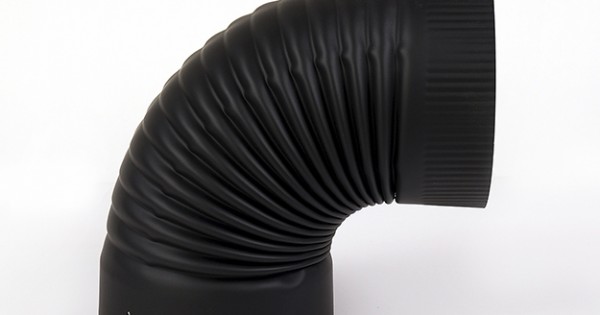
- Adjustable Elbow: This type of elbow allows you to adjust the angle of the turn, providing more flexibility in installation.
- Flexible Duct: Flexible duct can be used to make bends and turns, but it's generally less efficient than rigid ductwork. It should be used sparingly and only in short runs.
- Mitered Elbow: Fabricated from multiple angled sections of duct, a mitered elbow can create a sharp turn. However, they introduce more resistance than radius elbows and are less common in HVAC applications.
The best choice depends on the specific requirements of the application, including space constraints, airflow requirements, and budget.
Maintenance
Regular maintenance can help to extend the life of your duct elbows and ensure that they are functioning properly. Here are some simple maintenance tips:
- Inspect Regularly: Check the elbows for leaks, rust, and damage at least once a year.
- Clean: Clean the elbows periodically to remove dust and debris.
- Seal Leaks: Repair any leaks immediately to prevent air loss.
- Insulate: Insulate the elbows to prevent condensation and energy loss.
Conclusion
A 6-inch 90-degree duct close elbow is a fundamental component in many HVAC and ventilation systems. By understanding its features, materials, applications, and selection criteria, you can choose the right elbow for your needs and ensure optimal system performance. Remember to consider factors like material, gauge, construction quality, and code compliance. Proper installation and regular maintenance are also essential for ensuring the longevity and efficiency of your ductwork. Consulting with an HVAC professional can provide valuable guidance in selecting and installing the appropriate elbow for your specific application. Investing in quality components and proper installation will translate to a more efficient and reliable HVAC system overall.