8 Wire Thermostat Wiring Color Code
Understanding the 8 Wire Thermostat Wiring Color Code: A Comprehensive Guide
Upgrading your thermostat can significantly improve your HVAC system's efficiency and control. However, before you dive into the installation process, it’s crucial to understand the 8-wire thermostat wiring color code. This guide provides a detailed overview of the standard color codes, common configurations, troubleshooting tips, and when to call a professional.
Why Understanding Wiring is Essential
Incorrect wiring can damage your thermostat and your HVAC system. Identifying the function of each wire by its color is the first step to ensuring a safe and successful installation. This guide covers the most common 8-wire configurations and how they relate to typical HVAC systems.
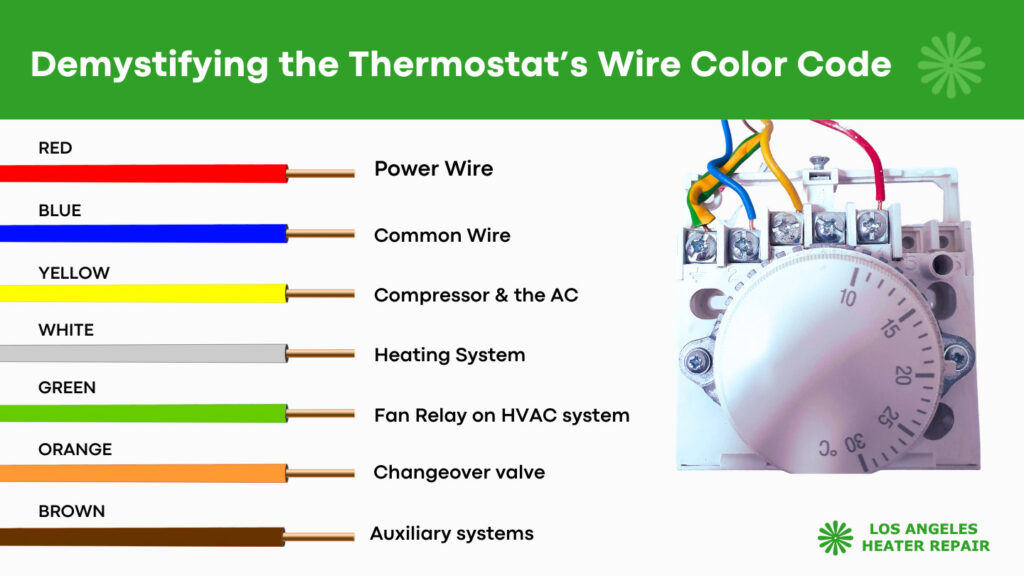
The Standard 8 Wire Thermostat Color Code
While not every installation adheres strictly to this standard, the following color codes are the most prevalent:
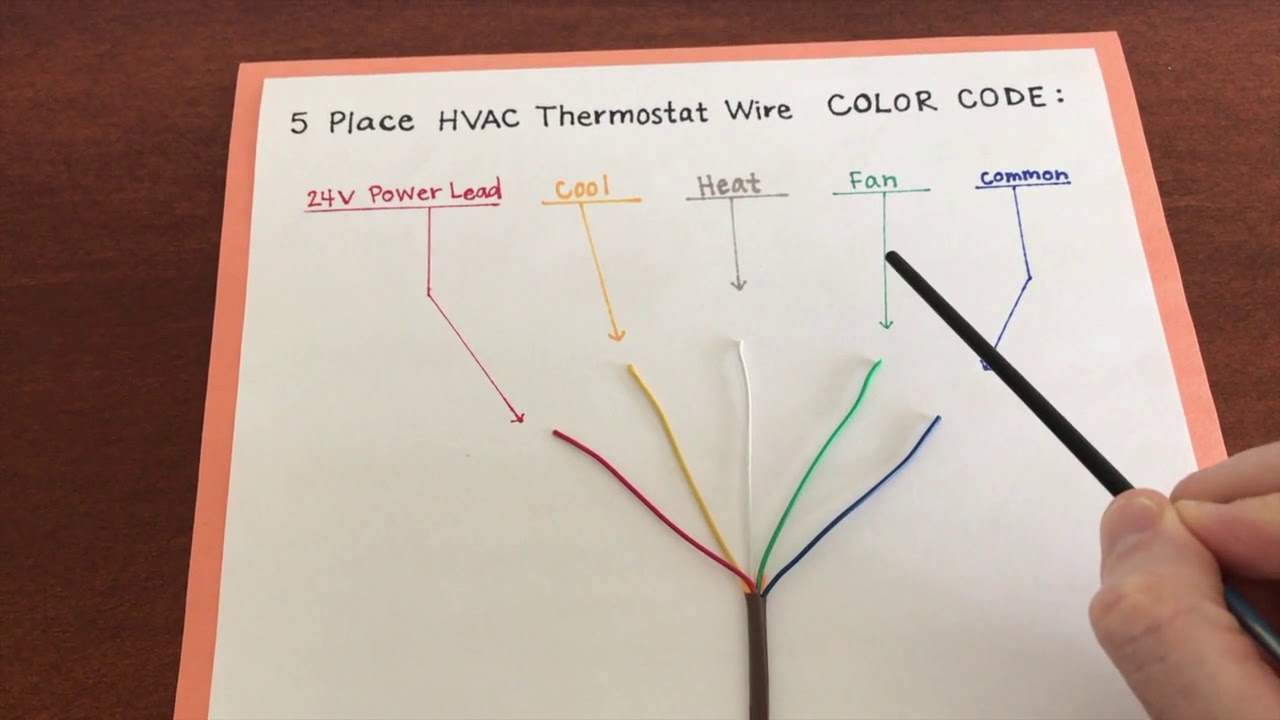
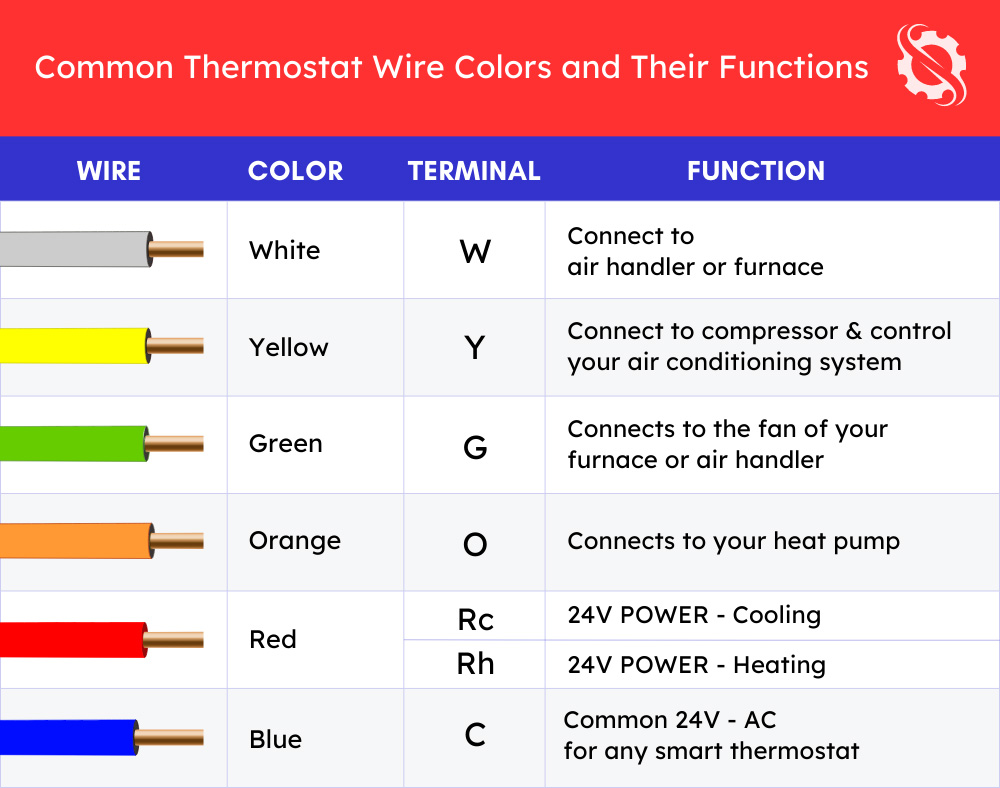
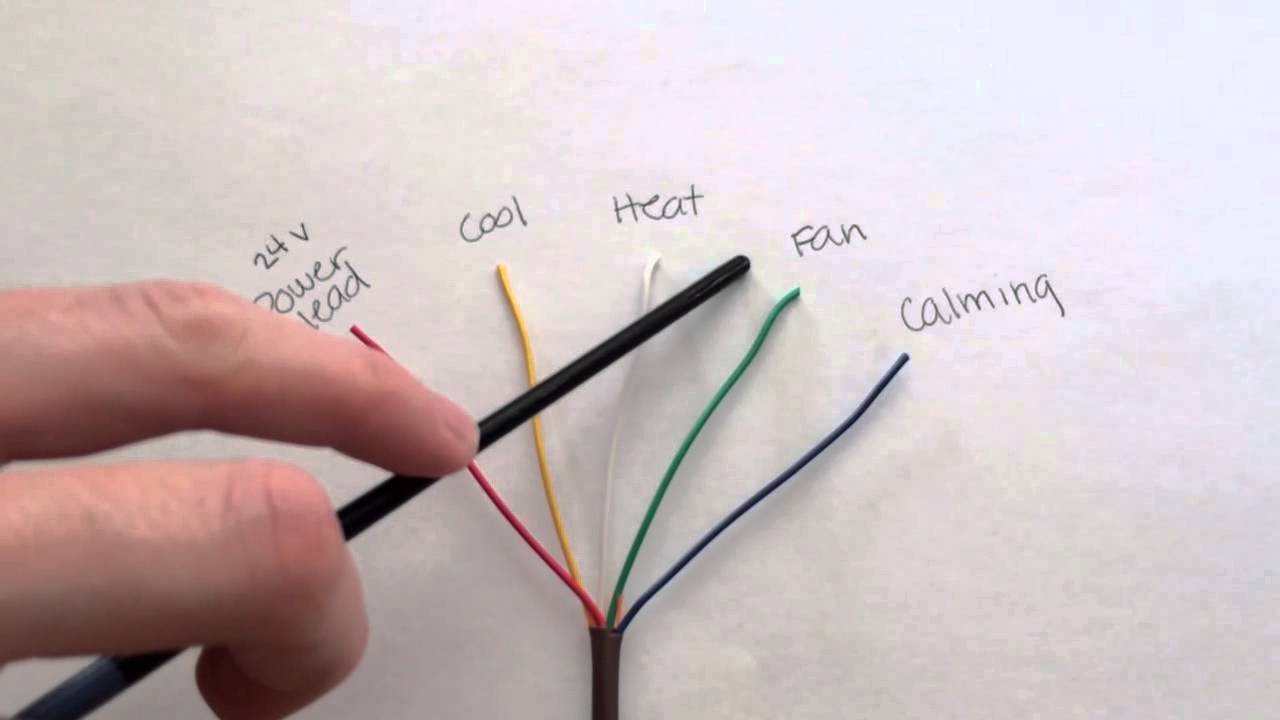
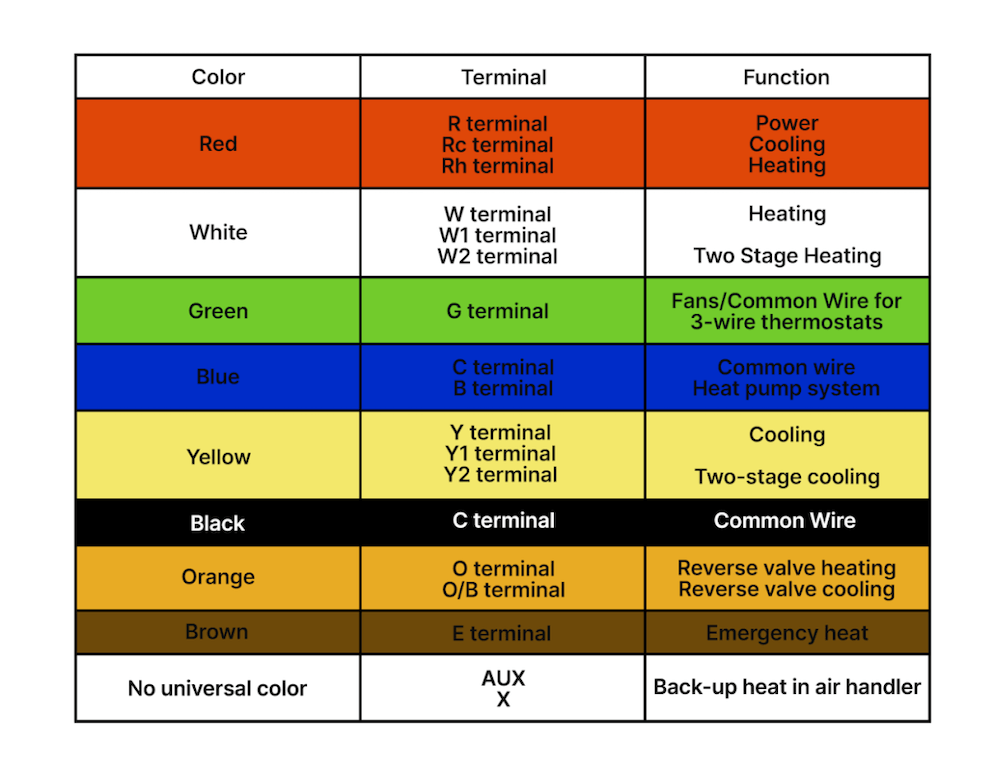
- Red (R): 24VAC power – This wire supplies power to the thermostat.
- White (W): Heat – Activates the heating system.
- Yellow (Y): Cooling – Activates the air conditioning system.
- Green (G): Fan – Controls the blower fan.
- Blue/Cyan (C): Common – Provides a return path for the 24VAC power, crucial for many modern thermostats to function correctly.
- Orange (O/B): Heat Pump Changeover Valve – Controls the reversing valve in a heat pump system. Its function (heating or cooling) depends on the specific configuration.
- Brown (not standardized, but sometimes used): Often associated with a second stage of heating or cooling, but can also be used for other auxiliary functions.
- Black (not standardized, but sometimes used): Could be for a second stage of heating, cooling, or humidifier control. Its function needs to be determined based on the system's documentation or prior wiring.
Common 8-Wire Thermostat Configurations
Here are a few of the most common configurations you might encounter:
- Basic Heating and Cooling with Fan: R, W, Y, G, C. This setup is common in many homes with a standard furnace and air conditioner.
- Heat Pump System: R, W, Y, G, C, O/B. This configuration is typical for heat pump systems, with the O/B wire controlling the reversing valve.
- Two-Stage Heating or Cooling: R, W, Y, G, C, W2 or Y2. This configuration allows for more precise temperature control and efficiency by using two stages of heating or cooling.
- Heat Pump with Auxiliary Heat: R, W, Y, G, C, O/B, W2. This system includes a heat pump with auxiliary heat strips for colder temperatures.
Decoding the Wires in Your Specific System
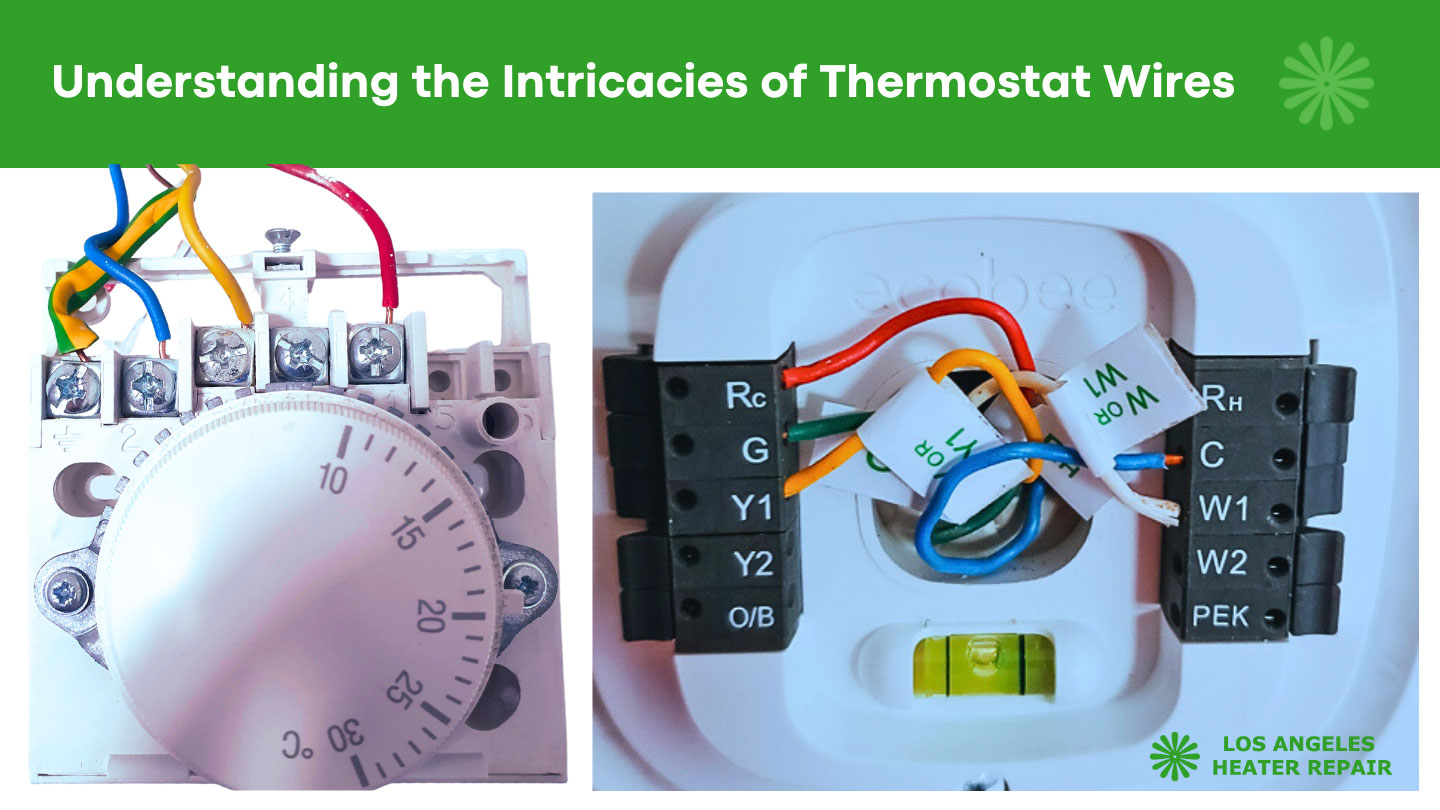
Before disconnecting any wires, take detailed pictures of the existing wiring configuration. Label each wire using masking tape and a marker. This will be invaluable when connecting the new thermostat.
Important: Turn off the power to your HVAC system at the breaker box before working with any wiring.
If you are unsure about the wiring, consult the documentation for your old thermostat, your HVAC system, or contact a qualified HVAC technician.
Troubleshooting Common Wiring Problems
Here are some common issues that can arise during thermostat wiring:
- No Power: This could be due to a blown fuse, a tripped breaker, or incorrect wiring. Verify the power supply to the thermostat.
- Incorrect Temperature Readings: This might indicate a miswired sensor or a faulty thermostat. Double-check the wiring and consider replacing the thermostat.
- Fan Runs Constantly: This is often caused by a wiring issue with the green (G) wire. Ensure it is connected correctly to the fan terminal.
- Heating or Cooling Not Working: This could be due to incorrect wiring of the W or Y wires. Verify the connections and consult the HVAC system documentation.
- Heat Pump Not Switching Correctly: This may indicate a problem with the O/B wire configuration. Some thermostats require you to configure whether the O/B wire energizes in heating or cooling mode.
When to Call a Professional
If you are uncomfortable working with electrical wiring, if you are unsure about the wiring configuration, or if you encounter any problems during the installation process, it is always best to consult a qualified HVAC technician. Attempting to troubleshoot complex issues without proper knowledge can lead to damage to your equipment or even personal injury.
Choosing the Right Smart Thermostat (and Wiring Considerations)
Modern smart thermostats offer enhanced features like remote control, energy monitoring, and learning capabilities. Popular brands include Nest, Ecobee, and Honeywell. When selecting a smart thermostat, consider its compatibility with your existing HVAC system and the number of wires required for operation. Some smart thermostats require a "C" wire for power, while others can operate without one using a power stealing method (which may not be compatible with all systems).
Comparing Popular Smart Thermostat Models
- Nest Learning Thermostat: Known for its sleek design and learning capabilities. It often requires a C wire but can sometimes function without one depending on the system.
- Ecobee SmartThermostat with Voice Control: Features room sensors for more precise temperature control and built-in voice assistant. It typically requires a C wire, but an adapter (Power Extender Kit) is included for systems without a C wire.
- Honeywell Home T9 Smart Thermostat: Offers zoning capabilities with smart room sensors and supports a wide range of HVAC systems. It usually requires a C wire.
Smart Thermostat Features to Consider
- Remote Control: Adjust your thermostat from anywhere using your smartphone or tablet.
- Energy Monitoring: Track your energy usage and identify opportunities to save money.
- Learning Capabilities: The thermostat learns your schedule and preferences to optimize energy efficiency.
- Geofencing: Automatically adjust the temperature based on your location.
- Voice Control: Control your thermostat using voice commands.
- Zoning: Control the temperature in different zones of your home independently.
HVAC System Efficiency Ratings: AFUE, SEER, and HSPF
When upgrading your HVAC system, it's crucial to understand the efficiency ratings. These ratings indicate how efficiently the system converts energy into heating or cooling.
- AFUE (Annual Fuel Utilization Efficiency): Measures the heating efficiency of furnaces. A higher AFUE rating indicates greater efficiency. Modern furnaces often have AFUE ratings of 90% or higher.
- SEER (Seasonal Energy Efficiency Ratio): Measures the cooling efficiency of air conditioners. A higher SEER rating indicates greater efficiency. Current federal regulations require new air conditioners to have a SEER rating of at least 14 in most regions.
- HSPF (Heating Seasonal Performance Factor): Measures the heating efficiency of heat pumps. A higher HSPF rating indicates greater efficiency. Heat pumps typically have HSPF ratings between 8 and 10.
Choosing an HVAC system with higher efficiency ratings can result in significant energy savings over the lifespan of the equipment.
HVAC System Warranties and Maintenance
Most HVAC manufacturers offer warranties on their equipment. The terms of the warranty can vary depending on the manufacturer and the specific model. It is important to read the warranty carefully and understand the coverage and any exclusions.
Regular maintenance is essential to keep your HVAC system running efficiently and to extend its lifespan. Recommended maintenance tasks include:
- Changing air filters regularly (every 1-3 months)
- Cleaning the outdoor unit (air conditioner or heat pump)
- Inspecting and cleaning the blower motor
- Checking refrigerant levels
- Inspecting ductwork for leaks
Consider scheduling annual maintenance with a qualified HVAC technician to ensure your system is operating at peak performance.
Popular HVAC Brands
Here are some of the most reputable HVAC brands available:
- Carrier: Known for its high-efficiency systems and innovative technology.
- Trane: Offers a wide range of HVAC systems with a focus on durability and reliability.
- Lennox: Provides energy-efficient systems with advanced features.
- Rheem: Known for its affordable and reliable HVAC solutions.
- Goodman: Offers a budget-friendly option with a good reputation for performance.
Researching different brands and models is essential to find the best fit for your needs and budget.
Conclusion: Investing in Comfort and Efficiency
Understanding the 8-wire thermostat wiring color code is a vital step in upgrading your HVAC system. By carefully following the wiring guidelines and considering the factors discussed in this guide, you can improve your home's comfort, energy efficiency, and overall value. Remember to prioritize safety and consult a professional if you have any doubts. By making informed decisions about your HVAC system, you can enjoy a comfortable and energy-efficient home for years to come.