90 Degree Turns In Sewer Lines

The intricate dance of air conditioning, heating, and ventilation often overshadows the vital support systems that keep buildings functioning. One such often-overlooked, yet critical, system is the sanitary drainage system. While HVAC professionals primarily focus on indoor climate, a foundational understanding of plumbing principles, especially those concerning sewer lines and drainage, is becoming increasingly valuable. This article delves into the significance of 90-degree turns in sewer lines, exploring their impact on system efficiency, potential problems, and how a knowledge of these principles can enhance your career in the HVAC industry.
The Role of Sewer Lines: A Primer for HVAC Professionals
Sewer lines are the unsung heroes of building infrastructure, responsible for transporting wastewater away from residences and commercial buildings. They operate primarily on gravity, relying on proper slope and design to ensure efficient waste removal. Understanding the basic principles of drainage is becoming more important for HVAC technicians, especially as integrated building systems and energy efficiency become focal points of the industry. For example, improper drainage can lead to moisture buildup, impacting indoor air quality – a key concern for HVAC specialists. Furthermore, water damage stemming from sewer line issues can directly affect HVAC equipment, requiring prompt diagnosis and coordinated repair efforts.
90-Degree Turns: A Necessary Evil?
Ideally, sewer lines would run in straight lines from fixture to main, but in reality, obstructions, building layouts, and site conditions often necessitate changes in direction. 90-degree turns are a common method for navigating these challenges. However, these turns present a potential point of weakness within the system.
The physics are simple: as wastewater flows through a pipe and encounters a sharp 90-degree bend, its momentum is disrupted. This disruption can lead to several problems:
- Reduced Flow Rate: The abrupt change in direction slows down the wastewater, potentially leading to backups and reduced system efficiency.
- Increased Turbulence: The bend creates turbulence, increasing the risk of solids settling out of the waste stream.
- Sediment Buildup: Over time, the turbulence and reduced flow can cause sediment to accumulate at the bend, further restricting flow and creating a breeding ground for clogs.
- Increased Wear and Tear: The increased turbulence and potential for clogs can put extra stress on the pipe material at the bend, accelerating wear and tear and increasing the risk of leaks.
Despite these drawbacks, 90-degree turns are often unavoidable. The key lies in understanding how to mitigate their negative effects.
Mitigating the Impact of 90-Degree Turns
Proper design and installation are crucial for minimizing the problems associated with 90-degree turns in sewer lines. Here are some best practices:
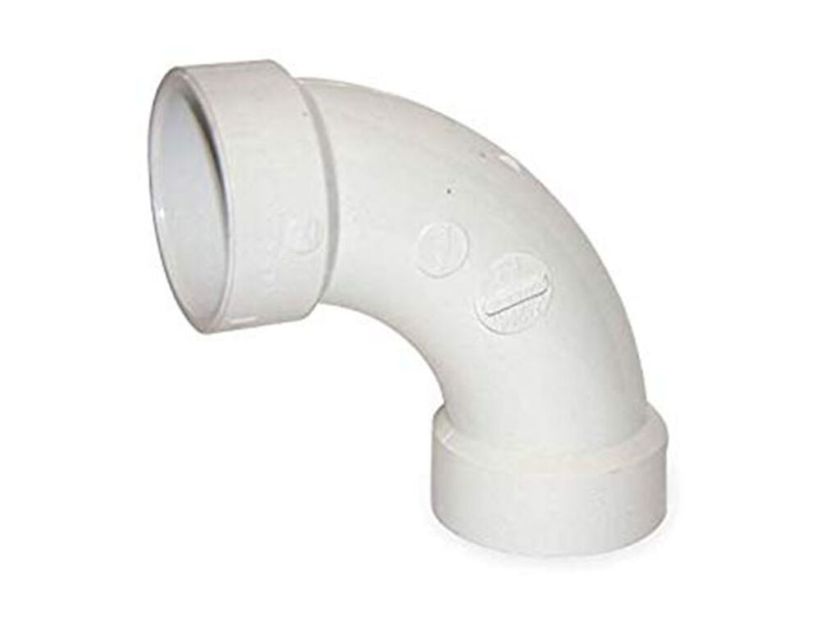
- Use Long-Sweep Bends: Instead of sharp 90-degree elbows, opt for long-sweep bends. These bends provide a more gradual change in direction, reducing turbulence and flow restriction.
- Increase Pipe Diameter: Slightly increasing the pipe diameter at and after the bend can help compensate for the reduced flow rate and allow for better solids transport.
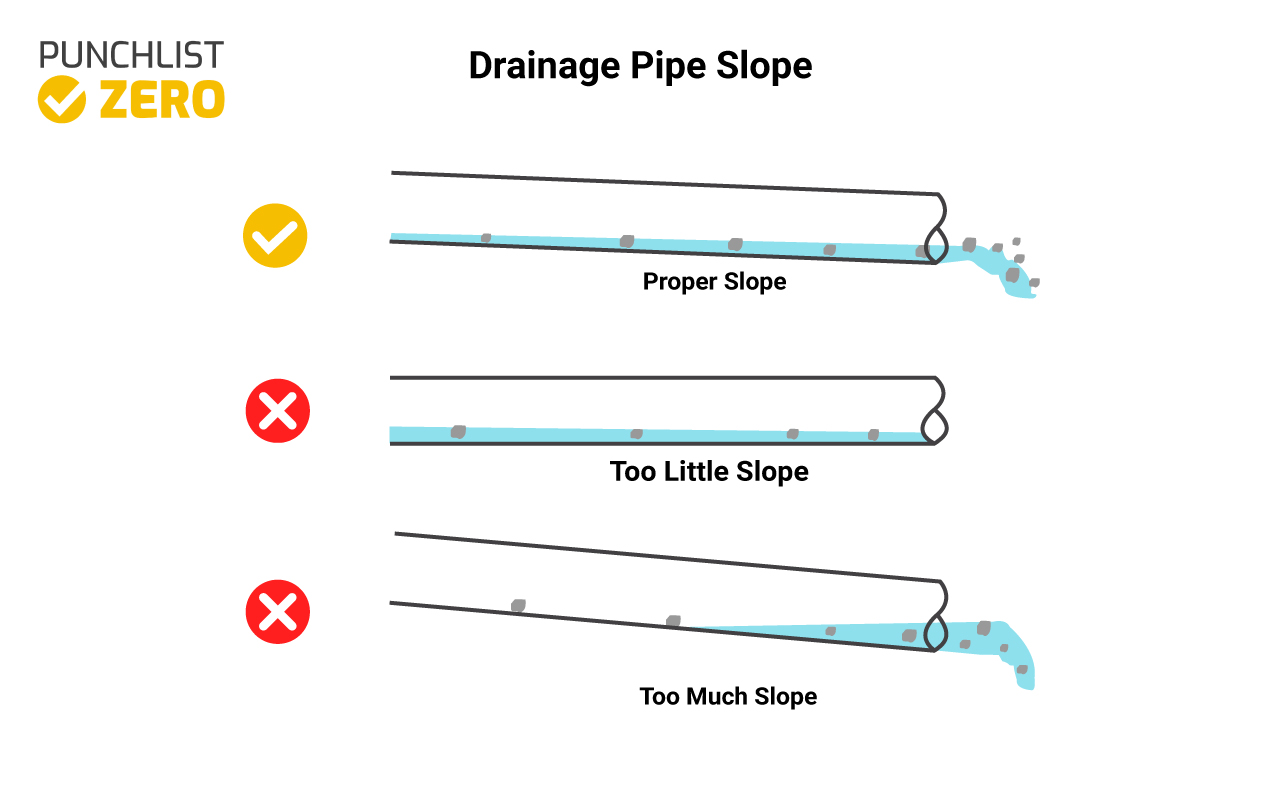
- Proper Slope: Maintaining the correct slope of the sewer line is essential. Too little slope will prevent proper drainage, while too much slope can cause liquids to separate from solids, leading to clogs.
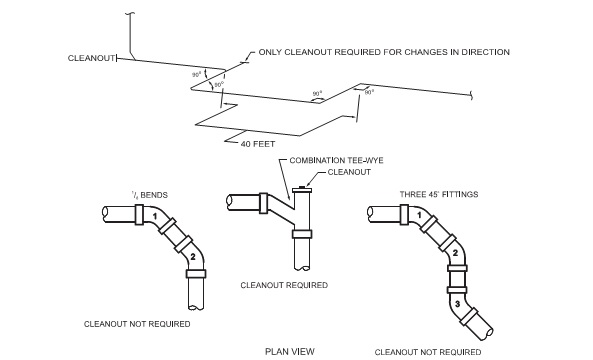
- Strategic Placement of Cleanouts: Installing cleanouts near 90-degree turns provides easy access for clearing any potential blockages.
- Regular Maintenance: Routine inspections and cleaning can help prevent sediment buildup and ensure optimal system performance.
Career Implications for HVAC Professionals
While sewer lines may seem outside the direct scope of HVAC, understanding their function and potential impact is becoming increasingly valuable for HVAC professionals. Here’s how:
- Holistic Building Understanding: A broader knowledge of building systems, including plumbing and drainage, allows HVAC technicians to diagnose problems more effectively and provide more comprehensive solutions.
- Improved Troubleshooting Skills: Moisture problems, indoor air quality issues, and even HVAC equipment malfunctions can sometimes be traced back to drainage problems. Understanding sewer line principles can help technicians identify these connections.
- Increased Marketability: As buildings become more integrated and energy-efficient, employers are seeking technicians with a wider range of skills and knowledge. Possessing a basic understanding of plumbing and drainage can make you a more attractive candidate.
- Opportunity for Specialization: Some HVAC technicians choose to specialize in areas that overlap with plumbing, such as water source heat pumps or geothermal systems. A knowledge of sewer lines is essential for these specializations.
Certifications & Continuing Education: Enhancing Your Expertise
For HVAC professionals looking to expand their knowledge and skills, consider pursuing relevant certifications and continuing education opportunities.
- EPA 608 Certification: This certification is mandatory for technicians who handle refrigerants. While not directly related to plumbing, it demonstrates a commitment to environmental responsibility and professional development.
- NATE (North American Technician Excellence) Certification: NATE offers certifications in various HVAC specialties, demonstrating competency and professionalism. While there isn't a specific plumbing-related NATE certification, understanding building systems holistically, which a NATE certification encourages, will aid in understanding interactions between systems.
- Continuing Education Courses: Many trade schools and community colleges offer courses on plumbing fundamentals, drainage system design, and water management. These courses can provide a valuable foundation for understanding sewer line principles.
- Manufacturer Training Programs: Some manufacturers of plumbing and drainage products offer training programs for HVAC professionals. These programs can provide valuable insights into the latest technologies and best practices.
Job Outlook and Salary Expectations
The job outlook for HVAC technicians remains strong. The U.S. Bureau of Labor Statistics projects a 6 percent growth in employment for HVACR mechanics and installers from 2022 to 2032, about as fast as the average for all occupations. Approximately 39,000 openings for HVACR mechanics and installers are projected each year, on average, over the decade.
According to the Bureau of Labor Statistics, the median annual wage for HVACR mechanics and installers was $59,620 in May 2023. The highest 10 percent earned more than $87,790. Salaries can vary depending on experience, location, and specialization. Technicians with broader skill sets, including knowledge of plumbing and drainage, may command higher salaries.
Real-World Example: Consider Sarah, an HVAC technician with five years of experience. She noticed a recurring moisture problem in a commercial building she serviced. By understanding basic drainage principles, she was able to identify a partially blocked sewer line as the root cause. While she didn't perform the plumbing repairs herself, her ability to diagnose the problem quickly and accurately saved the building owner time and money, cementing her reputation as a knowledgeable and reliable technician. This allowed her to become a lead technician for the company with a significant pay increase.
The Future of HVAC: Integrated Building Systems
The future of HVAC is increasingly focused on integrated building systems, where different components of a building work together to optimize energy efficiency, comfort, and sustainability. In this context, understanding the interactions between HVAC, plumbing, and other building systems is essential.
For example, consider a high-efficiency HVAC system that utilizes condensate drainage. Improper drainage of condensate can lead to moisture problems and mold growth, negating the benefits of the energy-efficient system. Similarly, a building's drainage system can affect the performance of a geothermal heat pump system, which relies on stable ground temperatures for optimal efficiency.
As technology advances and buildings become more complex, the demand for HVAC professionals with a broad understanding of building systems will continue to grow. Investing in education and training that goes beyond traditional HVAC topics can help you stay ahead of the curve and build a successful career in this evolving industry.
Conclusion: Embracing a Holistic Approach
While 90-degree turns in sewer lines may seem like a niche topic, they represent a broader principle: the importance of understanding the interconnectedness of building systems. As an HVAC professional, expanding your knowledge beyond the core principles of heating, ventilation, and air conditioning can significantly enhance your skills, increase your marketability, and position you for success in the ever-evolving world of building technology. By embracing a holistic approach to building systems, you can become a valuable asset to your employers and contribute to creating healthier, more efficient, and more sustainable buildings.