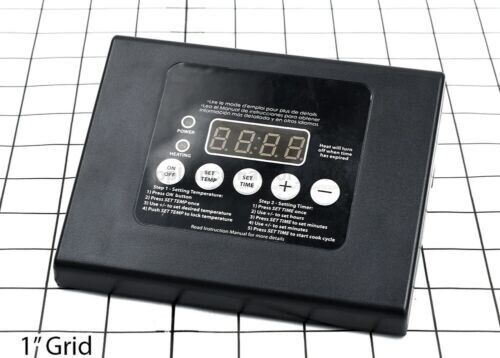
990050048 Digital Control Panel Kit

One of the most common frustrations for homeowners is an HVAC system that seems to be stuck. You set the temperature on your 990050048 Digital Control Panel Kit, but the system either never reaches the desired temperature or cycles on and off too frequently. Before calling a professional, let's walk through some troubleshooting steps to see if you can identify and possibly fix the problem yourself.
Preliminary Checks: No Tools Required
Start with the simplest things first. Sometimes the solution is right in front of you.
1. Verify the Thermostat Settings
This might seem obvious, but double-check that the 990050048 Digital Control Panel Kit is set to the correct mode (heat, cool, auto, or off). Ensure the temperature setpoint is appropriate for the season and your comfort level. Also, check the fan setting (auto or on). If the fan is set to "on," it will run continuously, which can sometimes give the impression that the system isn't heating or cooling properly.
DIY Action: Adjust the mode, temperature, and fan settings. Wait 15-30 minutes to see if the system responds.
2. Check the Air Filter
A dirty air filter is the most common cause of HVAC problems. A clogged filter restricts airflow, forcing your system to work harder, which can lead to overheating, inefficient cooling, and even damage to the unit. A dirty filter also drastically affects air quality.
DIY Action: Locate your air filter (usually in the return air vent or near the indoor unit). Remove it and hold it up to the light. If you can't see much light passing through, it's time to replace it. Note the filter size before heading to the hardware store. Replace it with a new filter of the correct size and MERV rating.
3. Inspect the Vents
Make sure all supply and return air vents are open and unobstructed. Furniture, rugs, or curtains can block airflow and prevent the system from properly heating or cooling your home. Close vents in rooms you rarely use to focus heating/cooling to populated areas.
DIY Action: Walk through your home and ensure all vents are open and clear of obstructions.
4. Examine the Outdoor Unit (Condenser)
Visually inspect the outdoor unit (condenser). Look for any obvious signs of damage, such as bent fins, debris buildup (leaves, grass clippings), or ice accumulation (in winter). Make sure there are no bushes or plants growing too close to the unit, restricting airflow.
DIY Action: Remove any visible debris from around the outdoor unit. Gently straighten any bent fins with a fin comb (available at most hardware stores). Do NOT attempt to clean the inside of the unit – this can be dangerous.
Basic Troubleshooting: Simple Tools Required
If the preliminary checks don't resolve the issue, you might need a few basic tools for further investigation. Remember to turn off the power to your HVAC system at the breaker box before attempting any of these steps.
1. Check the Circuit Breaker
Sometimes, a tripped circuit breaker is the culprit. Locate the breaker for your HVAC system in your electrical panel. Look for a breaker that is in the "tripped" (middle) position. Turn the breaker completely off and then back on.
Tools Required: None (visual inspection). However, a flashlight might be helpful in a dark electrical panel.
DIY Action: Reset the circuit breaker. Monitor it to see if it trips again. If the breaker trips repeatedly, there might be a more serious electrical problem, and you should call a qualified electrician.
2. Inspect the Condensate Drain Line
A clogged condensate drain line can cause the system to shut down or leak water. Locate the drain line (usually a PVC pipe near the indoor unit). Check for any blockages or standing water. A wet/dry vacuum can be used to clear the clog.
Tools Required: Wet/dry vacuum, bucket (to catch water).
DIY Action: Disconnect the drain line and use the wet/dry vacuum to suck out any clogs. Pour a cup of vinegar down the drain line periodically to prevent future buildup.
3. Examine the Thermostat Wiring
Loose or corroded thermostat wiring can cause communication problems between the thermostat and the HVAC system. Carefully remove the thermostat from the wall and inspect the wires connected to the terminals. Ensure the wires are securely connected and free of corrosion.
Tools Required: Screwdriver (appropriate size for the thermostat screws), possibly wire strippers/crimpers (if wires are frayed or damaged).
DIY Action: Tighten any loose wire connections. If the wires are corroded, gently clean them with a wire brush or replace them entirely. Be sure to label each wire before disconnecting it to ensure you reconnect them correctly.
4. Measure Voltage at the Disconnect Switch (Advanced - Use Caution!)
WARNING: Working with electricity can be dangerous. If you are not comfortable using a multimeter and taking voltage readings, DO NOT attempt this step. Call a qualified HVAC technician.
Locate the disconnect switch near the outdoor unit (condenser). This is usually a gray metal box with a handle. Use a multimeter to check the voltage at the disconnect switch. You should read approximately 240 volts. If the voltage is significantly lower or zero, there might be an electrical problem.
Tools Required: Multimeter, insulated screwdriver.
DIY Action: Only if you are qualified and comfortable, use a multimeter to check the voltage at the disconnect switch. If the voltage is incorrect, DO NOT attempt to fix it yourself. Call a qualified electrician or HVAC technician.
When to Call a Professional
While many HVAC problems can be resolved with simple troubleshooting, some issues are beyond the scope of DIY repair. Here are some situations where you should call a qualified HVAC technician:
* Refrigerant Leaks: If you suspect a refrigerant leak (e.g., ice buildup on the copper lines, hissing sound), do not attempt to repair it yourself. Refrigerant is harmful to the environment and requires specialized equipment and training to handle properly. * Electrical Problems: If you repeatedly trip breakers, notice burning smells, or have concerns about electrical wiring, call a qualified electrician or HVAC technician immediately. * Compressor Issues: The compressor is the heart of your HVAC system. If you suspect a problem with the compressor (e.g., loud noises, system not cooling), call a professional. * Gas Leaks: If you smell gas near your furnace or other gas-powered HVAC equipment, evacuate the area immediately and call your gas company or a qualified HVAC technician. * Complex Control System Issues: While we've covered basic thermostat troubleshooting, more complex issues with the 990050048 Digital Control Panel Kit itself (e.g., display malfunctions, communication errors) may require professional diagnosis and repair. * You've Tried Everything Else: If you've followed all the troubleshooting steps outlined above and the problem persists, it's time to call in the experts.Remember: Safety always comes first. If you are unsure about any step, or if you encounter a problem you are not comfortable handling, call a qualified HVAC technician. Attempting repairs beyond your skill level can be dangerous and could potentially damage your HVAC system further.
By following these troubleshooting steps, you can potentially identify and resolve common HVAC problems with your 990050048 Digital Control Panel Kit, saving you time and money. However, always prioritize safety and seek professional help when needed.