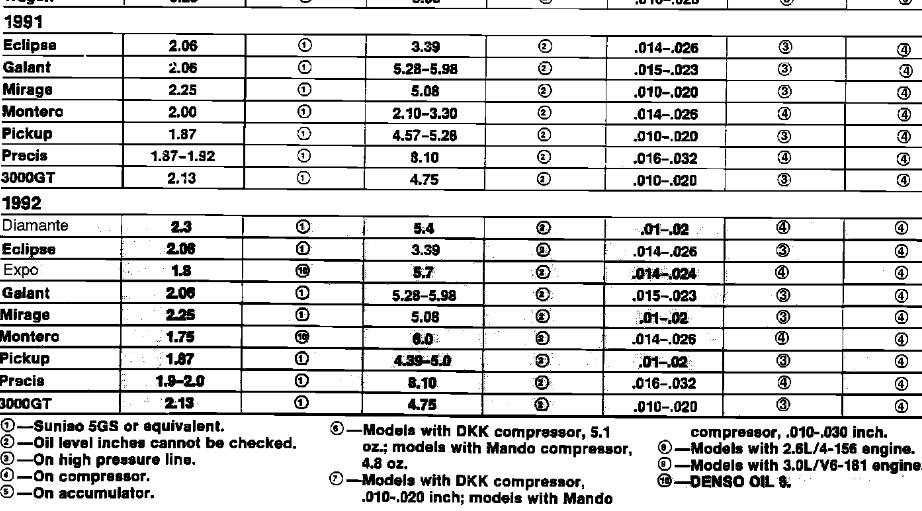
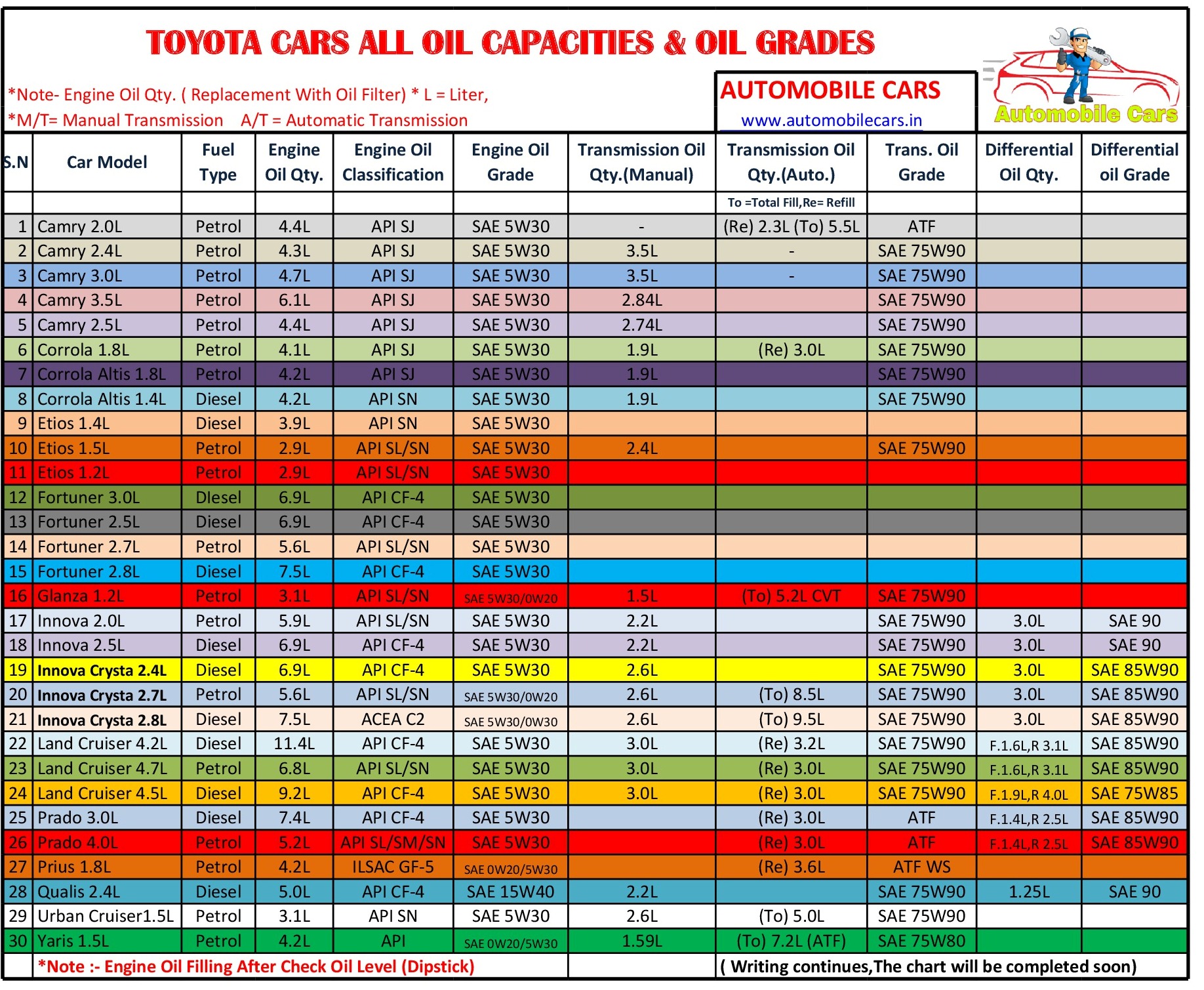
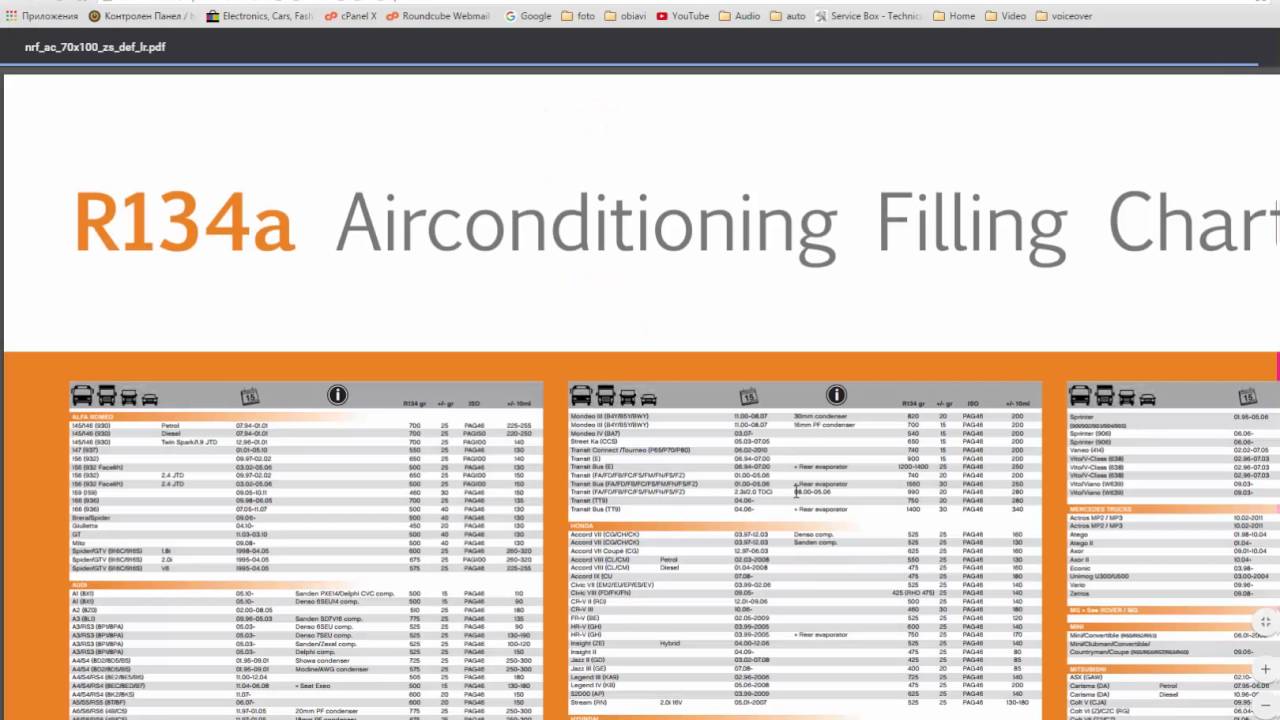
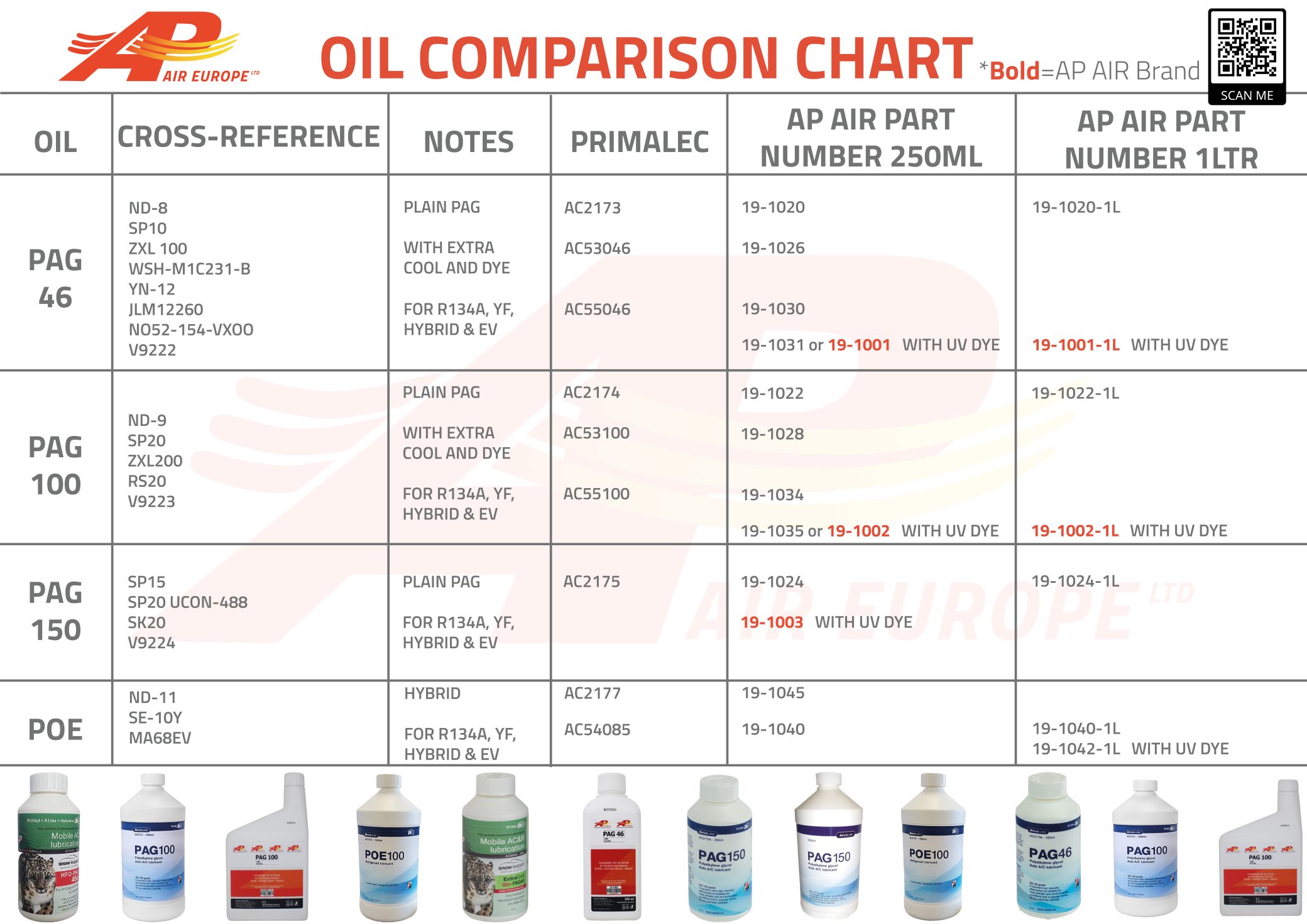
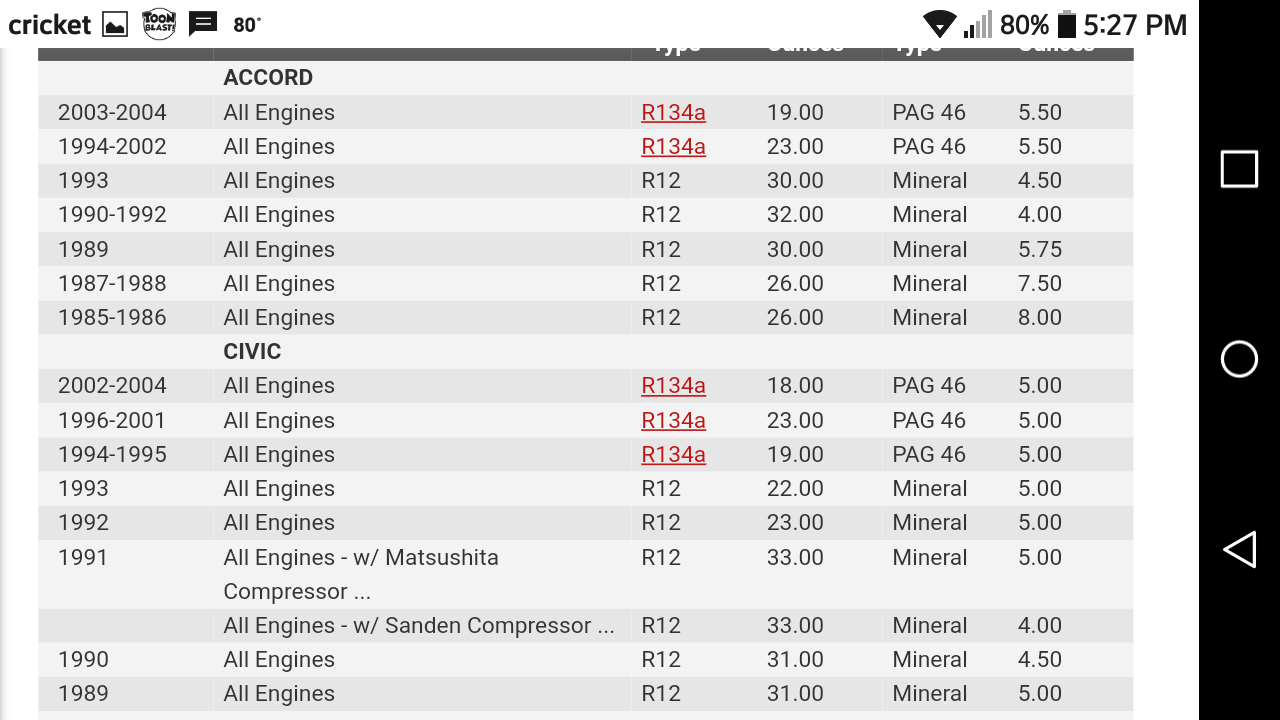
A C Compressor Oil Capacity Chart
Imagine this: It's a sweltering summer day, and your refrigerator decides to give up the ghost. The food inside is slowly warming, and panic starts to set in. Before calling for expensive professional help, let's explore some basic troubleshooting steps you can take to potentially revive your fridge.
Troubleshooting Your Refrigerator: A Step-by-Step Guide
This guide provides a structured approach to identifying and resolving common refrigerator issues. Safety is paramount, so always disconnect the power before performing any internal inspections or repairs.
Step 1: Is it Plugged In & Receiving Power?
This might seem obvious, but it's the most frequent cause of refrigerator problems. Don't feel silly checking it – everyone overlooks simple things sometimes!
- Verify the plug is securely inserted into the outlet.
- Test the outlet with another appliance (a lamp, phone charger, etc.) to ensure it's functioning.
- Check the circuit breaker in your electrical panel. If it's tripped, reset it. If it trips again immediately, there's a more serious electrical issue that requires a professional electrician. Do not repeatedly reset a tripped breaker.
- Inspect the power cord for any damage (cuts, frayed wires). If you find any, do not attempt to repair it yourself. A damaged power cord is a serious fire hazard. A professional should replace the entire cord.
Step 2: Check the Temperature Settings
Accidental adjustments to the temperature settings can significantly impact your refrigerator's performance.
- Locate the temperature control inside the refrigerator. This is usually a dial or digital display.
- Ensure the temperature setting is appropriate. A common recommended setting is between 35-38°F (2-3°C) for the refrigerator compartment and 0°F (-18°C) for the freezer.
- Avoid setting the temperature too low, as this can lead to excessive energy consumption and potential freezing of food in the refrigerator compartment.
- Wait 24 hours after adjusting the temperature to allow the refrigerator to stabilize.
Step 3: Inspect the Condenser Coils
The condenser coils are responsible for dissipating heat from the refrigerant. When these coils are dirty, the refrigerator has to work harder, reducing its efficiency and potentially leading to failure.
- Locate the condenser coils. These are typically located on the back of the refrigerator or underneath it.
- Disconnect the power to the refrigerator.
- Use a vacuum cleaner with a brush attachment to carefully remove dust and debris from the coils. Avoid using water or cleaning solutions, as this can damage the coils.
- Repeat this process every 6-12 months to maintain optimal refrigerator performance.
Step 4: Examine the Door Seals (Gaskets)
The door seals, also known as gaskets, create an airtight seal to prevent warm air from entering the refrigerator. Damaged or dirty gaskets can compromise this seal, forcing the refrigerator to work harder and increasing energy consumption.
- Visually inspect the door seals for any cracks, tears, or gaps.
- Clean the door seals with a mild soap and water solution. Rinse thoroughly and dry with a clean cloth.
- Test the seal by closing the door on a piece of paper. If you can easily pull the paper out, the seal is not tight enough.
- If the door seal is damaged, it may need to be replaced. Replacement gaskets are available online or at appliance parts stores. The installation process usually involves removing the old gasket and pressing the new one into place. If this seems daunting, consult a professional.
Step 5: Check the Evaporator Fan
The evaporator fan circulates cold air throughout the refrigerator and freezer compartments. If this fan is not working, the refrigerator will not cool properly.
- Locate the evaporator fan. It is usually located in the freezer compartment, behind a panel.
- Disconnect the power to the refrigerator.
- Remove the panel covering the evaporator fan.
- Inspect the fan blades for any obstructions (ice buildup, debris).
- Try to manually spin the fan blades. If they don't spin freely, the fan motor may be faulty.
- If the fan motor is faulty, it will need to be replaced. This repair can be more complex and may require specialized tools. If you're not comfortable with electrical repairs, it's best to call a professional.
Step 6: Defrost the Refrigerator (If Necessary)
Ice buildup in the freezer can restrict airflow and reduce cooling efficiency. If your refrigerator has a manual defrost function, you may need to defrost it periodically.
- Remove all food from the refrigerator and freezer.
- Disconnect the power to the refrigerator.
- Place towels around the base of the refrigerator to catch any melting water.
- Leave the refrigerator door open to allow the ice to melt naturally. You can also use a hair dryer (on a low setting) to speed up the process, but be careful not to damage any plastic parts.
- Once the ice has melted, clean the interior of the refrigerator with a mild soap and water solution.
- Dry the refrigerator thoroughly before plugging it back in.
- If the frost buildup is excessive and recurring, the defrost system (defrost heater, defrost timer, defrost thermostat) might be faulty. These repairs should be handled by a qualified technician.
Understanding the Role of the Compressor and Refrigerant
The compressor is the heart of the refrigerator, responsible for circulating the refrigerant throughout the system. The refrigerant is a fluid that absorbs heat from the inside of the refrigerator and releases it outside. These components are crucial for the cooling process.
The C Compressor Oil Capacity Chart – When to Consult a Professional
The compressor contains oil to lubricate its moving parts. Attempting to access or modify the compressor's oil levels is extremely dangerous and should only be performed by qualified professionals. The refrigerant system is sealed and under high pressure. Tampering with it can result in serious injury or death. Furthermore, improper handling of refrigerants is harmful to the environment. The term "C Compressor Oil Capacity Chart," while a valid concept for HVAC technicians, is not something a homeowner should ever need to use or attempt to interpret. It contains information relevant only to trained and certified technicians who have the equipment and knowledge to safely work with refrigerants and compressors.
Here are situations where you need to contact a professional:
- If you suspect a refrigerant leak: Refrigerant leaks can be harmful and require specialized equipment to detect and repair. Signs include a strong, unusual odor, frost buildup on the evaporator coils, or a refrigerator that is not cooling properly.
- If the compressor is making unusual noises: A noisy compressor can indicate a mechanical problem that requires professional attention.
- If the refrigerator is not cooling, and you've already tried the troubleshooting steps above: There may be a more complex issue with the compressor, refrigerant system, or other internal components.
- If you need to replace the compressor: Replacing a compressor requires specialized tools, knowledge of refrigerants, and certification.
Why You Should Never Attempt to Work on the Refrigerant System Yourself
- Safety Hazards: Refrigerants are under high pressure and can cause serious injury if released improperly. They can also be harmful to your health if inhaled.
- Environmental Concerns: Many refrigerants are harmful to the ozone layer and contribute to climate change. Improper handling of refrigerants can result in significant environmental damage.
- Complexity: The refrigerant system is a complex closed system that requires specialized knowledge and equipment to repair.
- Legal Regulations: In many areas, it is illegal for unlicensed individuals to work on refrigerant systems.
When to Call a Professional
While this guide provides basic troubleshooting steps, some problems require the expertise of a qualified appliance repair technician. Here are some situations where you should call a professional:
- Electrical Issues: If you suspect a problem with the wiring or electrical components of your refrigerator, do not attempt to repair it yourself. Call a qualified electrician.
- Refrigerant Leaks: If you suspect a refrigerant leak, do not attempt to repair it yourself. Call a qualified HVAC technician.
- Compressor Problems: If the compressor is not working properly, it will need to be repaired or replaced by a qualified technician.
- Complex Repairs: If you are not comfortable performing any of the troubleshooting steps in this guide, or if the problem persists after trying these steps, it's best to call a professional.
Preventative Maintenance Tips
Regular maintenance can help prevent refrigerator problems and extend its lifespan.
- Clean the condenser coils every 6-12 months.
- Clean the door seals regularly.
- Check the temperature settings periodically.
- Avoid overloading the refrigerator, as this can restrict airflow and reduce cooling efficiency.
- Keep the refrigerator clean to prevent food spoilage and odors.
By following these troubleshooting steps and preventative maintenance tips, you can help keep your refrigerator running smoothly and avoid costly repairs. Remember, safety is always the top priority. When in doubt, call a professional.