A Heat Pump Outdoor Unit Is Installed

So, you've just had a heat pump outdoor unit installed, or you're considering getting one. That's a great step towards potentially saving money on heating and cooling, and contributing to a more sustainable environment. But what exactly does this outdoor unit do, and what do you need to know about it? This guide will walk you through the ins and outs of your new heat pump's outdoor component.
What is a Heat Pump Outdoor Unit?
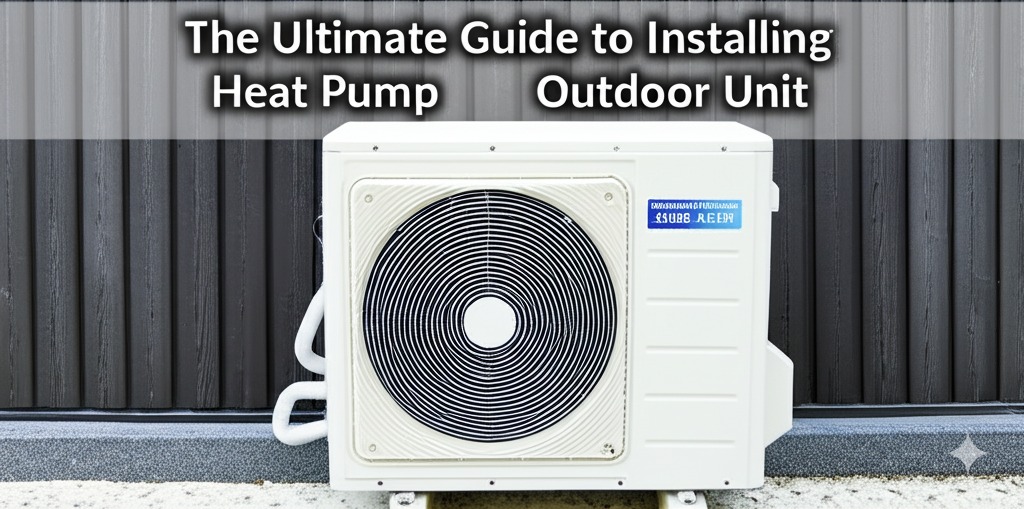
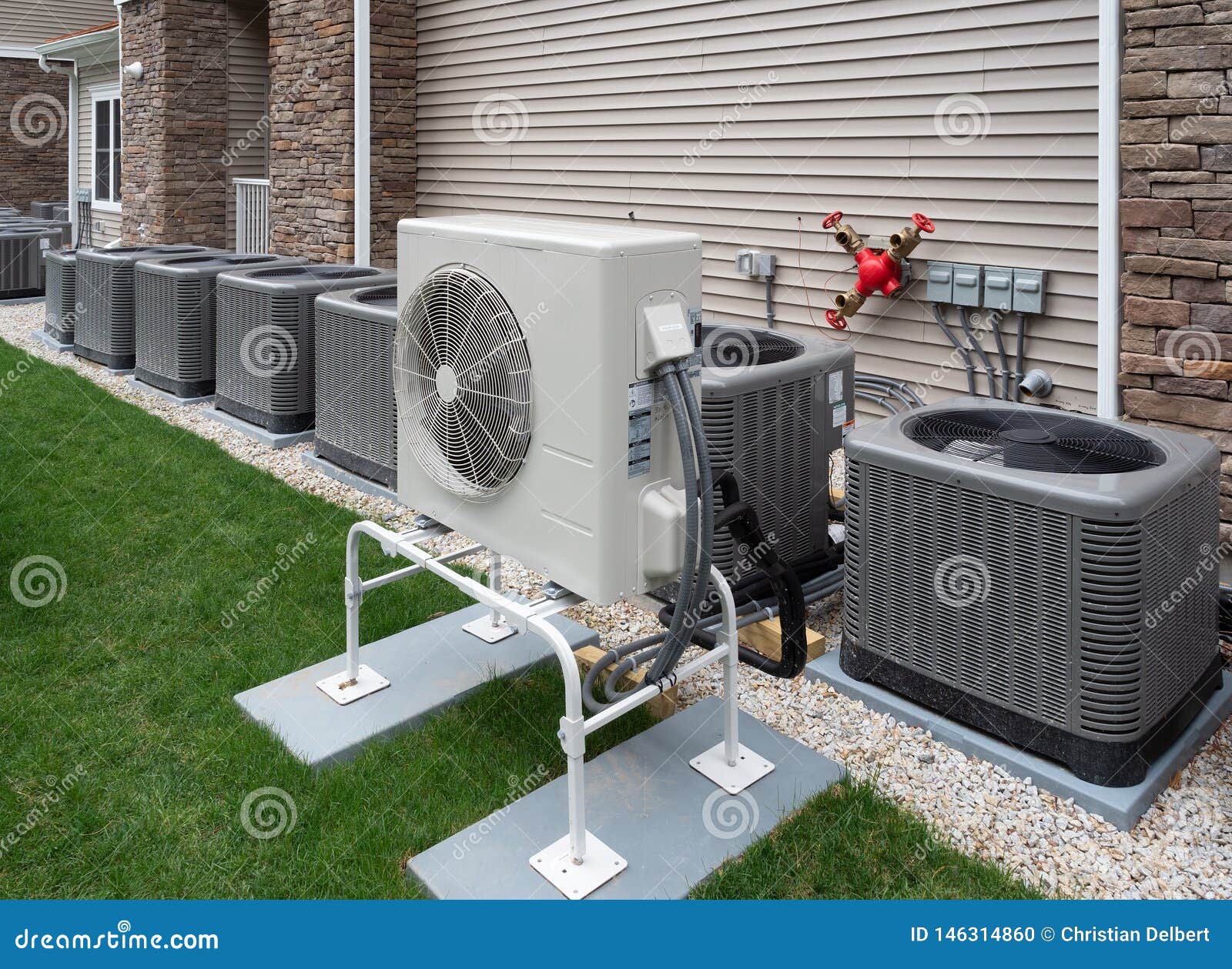
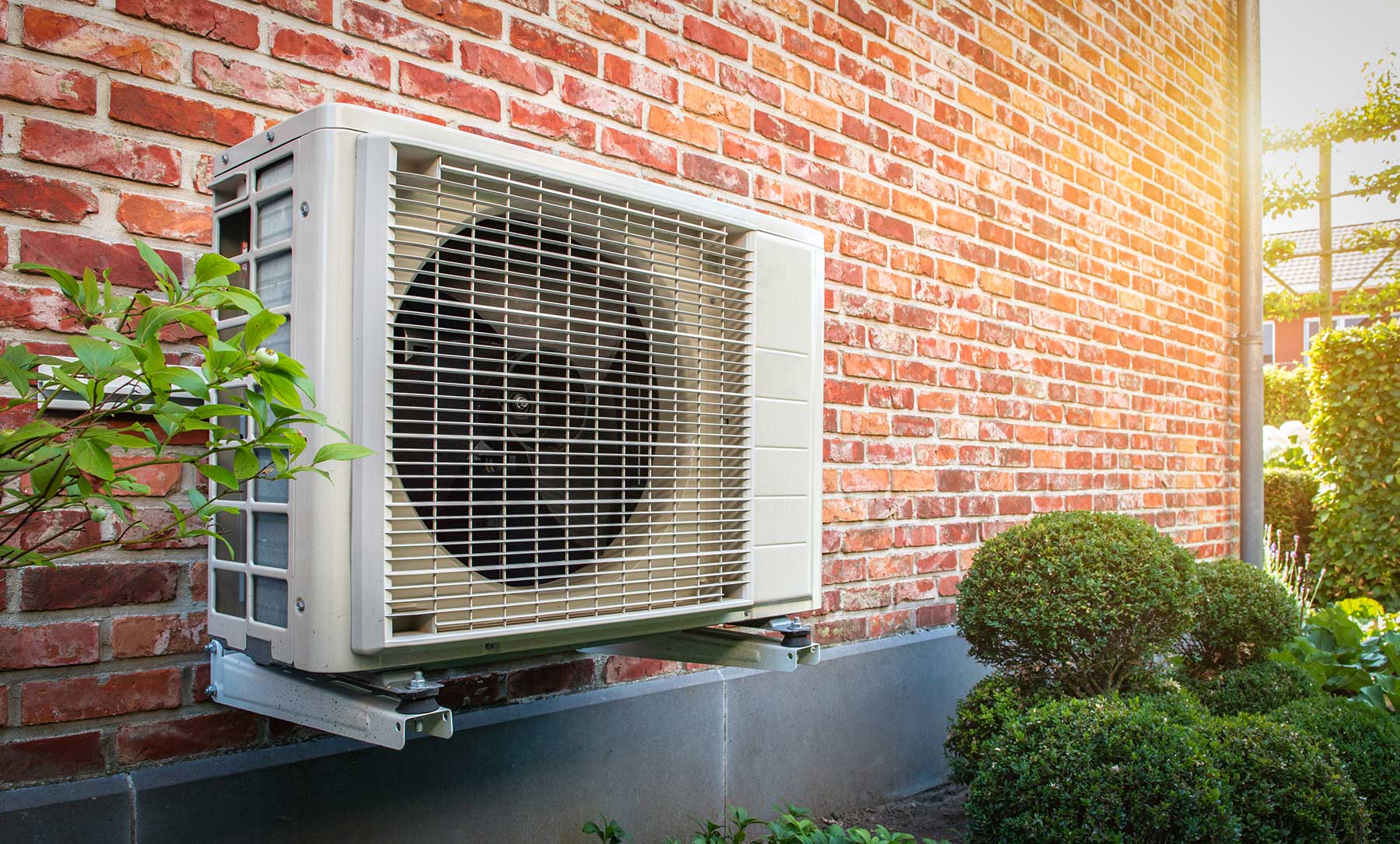
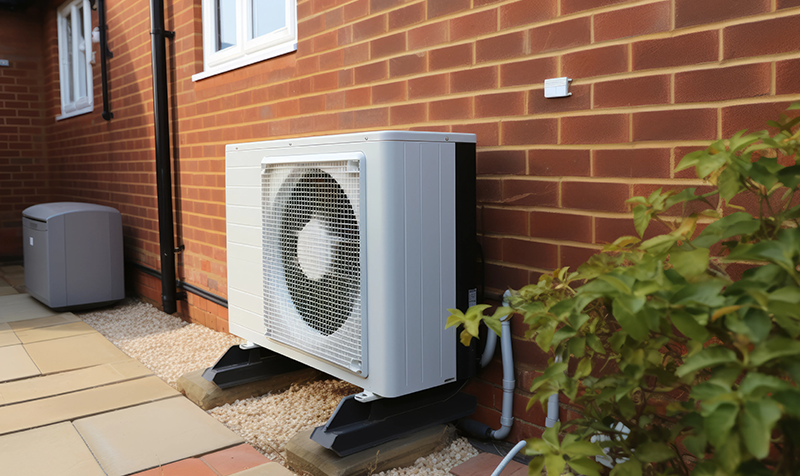
The heat pump outdoor unit is a critical component of your heat pump system. It's the part you see sitting outside your home, connected to the indoor unit (usually an air handler or furnace) by refrigerant lines. Its primary function is to either extract heat from the outside air (even when it's cold!) to heat your home or release heat from your home to cool it down. Think of it as a two-way heat transporter.
Unlike a traditional furnace that *generates* heat by burning fuel, a heat pump *moves* heat. This makes it much more energy-efficient, especially in moderate climates.
Key Components of the Outdoor Unit
Let's break down the main parts you'll find within your heat pump's outdoor unit:
- Compressor: The heart of the system. The compressor circulates the refrigerant and increases its pressure and temperature. Think of it as a pump that pushes and heats the "blood" of your heat pump system.
- Condenser Coil: This coil releases heat into the outside air during the cooling cycle and absorbs heat from the outside air during the heating cycle. It's where the refrigerant changes state (from gas to liquid or vice versa).
- Fan: The fan helps to move air across the condenser coil, facilitating the heat exchange process. You'll see it spinning to either push hot air away or draw cold air in (depending on the mode).
- Reversing Valve: This valve is the key to the heat pump's ability to both heat and cool. It reverses the flow of refrigerant, allowing the system to switch between heating and cooling modes.
- Refrigerant: The working fluid that absorbs and releases heat as it circulates through the system. Think of refrigerant as the "blood" of your AC system, carrying heat from inside to outside (or vice versa).
How Does It Work?
The magic of the heat pump outdoor unit lies in its ability to use a refrigerant cycle to move heat against its natural flow (from hot to cold). Here's a simplified explanation:
Heating Mode
- The refrigerant absorbs heat from the outside air, even when the air is cold. This is possible because the refrigerant has a very low boiling point.
- The refrigerant, now a low-pressure gas, flows to the compressor.
- The compressor increases the pressure and temperature of the refrigerant.
- The hot, high-pressure refrigerant flows to the indoor unit, where it releases heat to warm your home.
- As the refrigerant releases heat, it cools and condenses into a liquid.
- The liquid refrigerant flows back to the outdoor unit, where it passes through an expansion valve, reducing its pressure and temperature, and the cycle repeats.
Cooling Mode
- The refrigerant absorbs heat from the indoor air, cooling your home.
- The refrigerant, now a low-pressure gas, flows to the compressor.
- The compressor increases the pressure and temperature of the refrigerant.
- The hot, high-pressure refrigerant flows to the outdoor unit, where it releases heat into the outside air.
- As the refrigerant releases heat, it cools and condenses into a liquid.
- The liquid refrigerant flows back to the indoor unit, where it passes through an expansion valve, reducing its pressure and temperature, and the cycle repeats.
Benefits of a Heat Pump Outdoor Unit
Investing in a heat pump system, and thus a heat pump outdoor unit, comes with several advantages:
- Energy Efficiency: Heat pumps are generally more energy-efficient than traditional furnaces or air conditioners, especially in moderate climates. They move heat rather than generating it, which requires less energy.
- Dual Functionality: One system provides both heating and cooling, eliminating the need for separate appliances.
- Reduced Carbon Footprint: By using electricity rather than fossil fuels for heating, heat pumps can help reduce your carbon footprint.
- Potential Cost Savings: While the initial investment may be higher, the long-term energy savings can offset the cost over time.
- Improved Air Quality: Heat pumps typically include air filters that can improve indoor air quality.
Things to Consider After Installation
Now that your heat pump outdoor unit is installed, here are some important things to keep in mind:
Location and Clearance
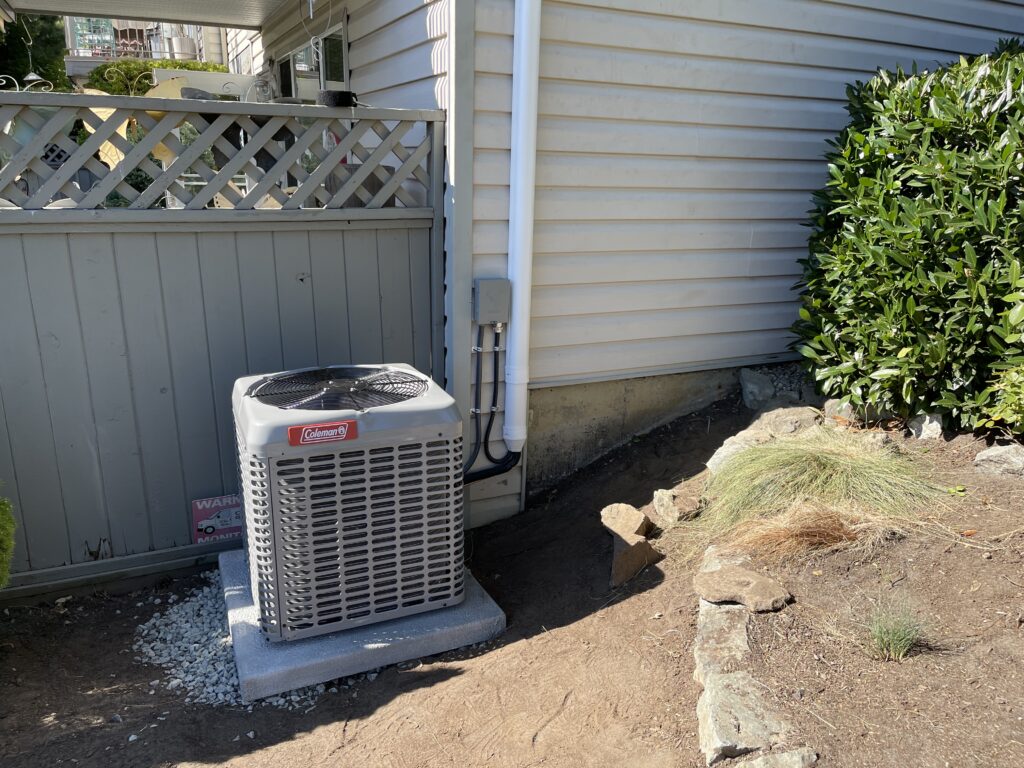
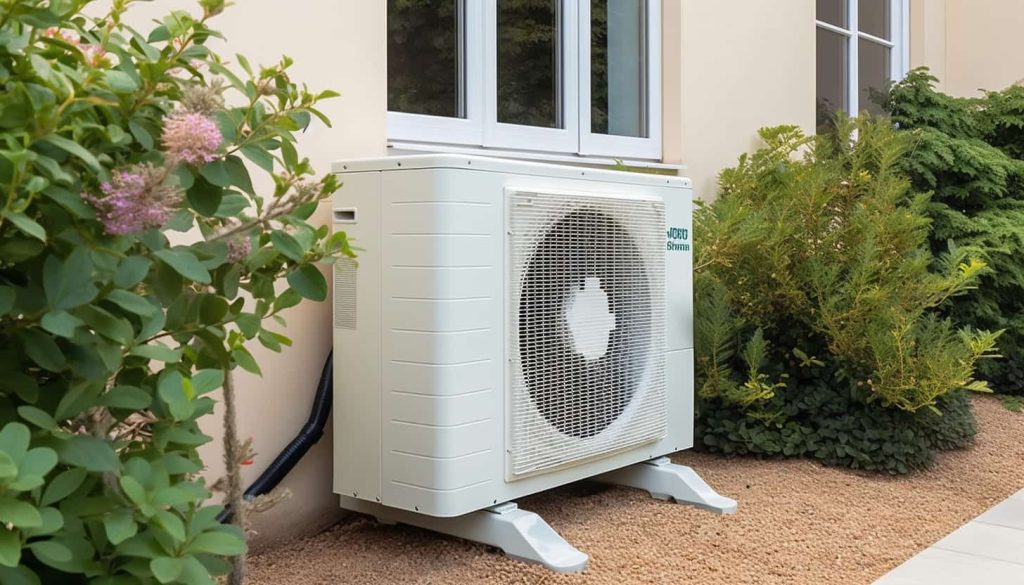
The location of the outdoor unit is crucial for its performance and longevity. Make sure it has ample clearance around it (at least 2-3 feet on all sides) to allow for proper airflow. Avoid placing it in areas where it will be exposed to excessive debris, snow accumulation, or direct sunlight.
Maintenance
Regular maintenance is essential to keep your heat pump running efficiently and prevent costly repairs. Here are some key maintenance tasks:
- Regular Cleaning: Keep the outdoor unit free of debris, such as leaves, twigs, and snow. You can use a garden hose to gently rinse the coils, but avoid using high-pressure sprayers that could damage them.
- Air Filter Replacement: Replace the air filter in your indoor unit every 1-3 months, depending on usage and air quality. A dirty air filter restricts airflow and reduces efficiency.
- Professional Inspection: Schedule a professional inspection and tune-up at least once a year. A qualified technician can check the refrigerant levels, clean the coils, lubricate moving parts, and identify any potential problems.
Noise Levels
Heat pump outdoor units can produce some noise during operation. If the noise is excessive or bothersome, there are steps you can take to mitigate it:
- Check for Obstructions: Make sure there are no objects near the unit that could be vibrating or rattling.
- Sound Dampening: Consider installing a sound dampening blanket or barrier around the unit (check with the manufacturer for recommended products).
- Professional Assessment: Consult with a technician to determine if there are any mechanical issues causing the noise.
Snow and Ice
In colder climates, snow and ice accumulation can affect the performance of the heat pump. Here's what you need to know:
- Keep it Clear: Regularly clear any snow or ice that accumulates around the unit, ensuring adequate airflow.
- Defrost Cycle: Heat pumps have a defrost cycle that automatically melts ice buildup on the coils. You may see steam coming from the unit during this process, which is normal.
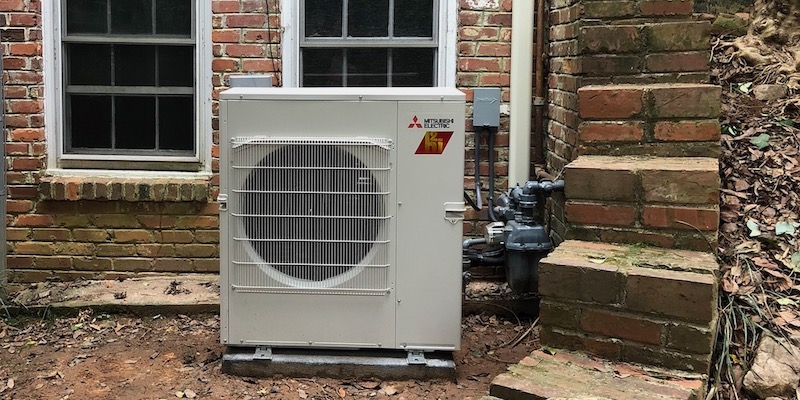
- Elevated Platform: Consider raising the unit on a platform to prevent it from sitting directly on the ground and being submerged in snow.
Refrigerant Leaks
Refrigerant leaks are a serious issue that can affect the performance of your heat pump and harm the environment. If you suspect a refrigerant leak (e.g., reduced heating or cooling, hissing sound), contact a qualified technician immediately. Do not attempt to repair the leak yourself.
SEER and HSPF Ratings
When purchasing a heat pump, you'll encounter the terms SEER and HSPF. These ratings indicate the energy efficiency of the unit.
- SEER (Seasonal Energy Efficiency Ratio): Measures the cooling efficiency of the heat pump. A higher SEER rating indicates greater efficiency.
- HSPF (Heating Season Performance Factor): Measures the heating efficiency of the heat pump. A higher HSPF rating indicates greater efficiency.
Choose a heat pump with a SEER and HSPF rating that is appropriate for your climate and energy needs.
Troubleshooting Common Issues
While heat pumps are generally reliable, you may encounter some common issues. Here are a few troubleshooting tips:
- Unit Not Turning On: Check the circuit breaker, thermostat settings, and power supply.
- Reduced Heating or Cooling: Check the air filter, refrigerant levels, and outdoor unit for obstructions.
- Strange Noises: Listen for unusual noises (e.g., grinding, hissing) that could indicate a mechanical problem.
- Icing Up: If the outdoor unit is icing up excessively, it could be a sign of a defrost cycle malfunction or refrigerant issue.
If you encounter any of these issues, it's best to consult with a qualified technician for diagnosis and repair.
When to Call a Professional
While some basic maintenance tasks can be performed by homeowners, it's essential to call a professional for any complex repairs or maintenance, especially when dealing with refrigerant. Here are some situations that warrant professional assistance:
- Refrigerant leaks
- Compressor problems
- Electrical issues
- Defrost cycle malfunctions
- Unusual noises or smells
- Annual inspection and tune-up
By understanding the workings of your heat pump outdoor unit and following these guidelines, you can ensure its efficient and reliable operation for years to come. Regular maintenance and timely repairs will help you maximize the benefits of your investment and enjoy a comfortable home environment.