A Superheated Vapor Contains Some Refrigerant In Liquid Form
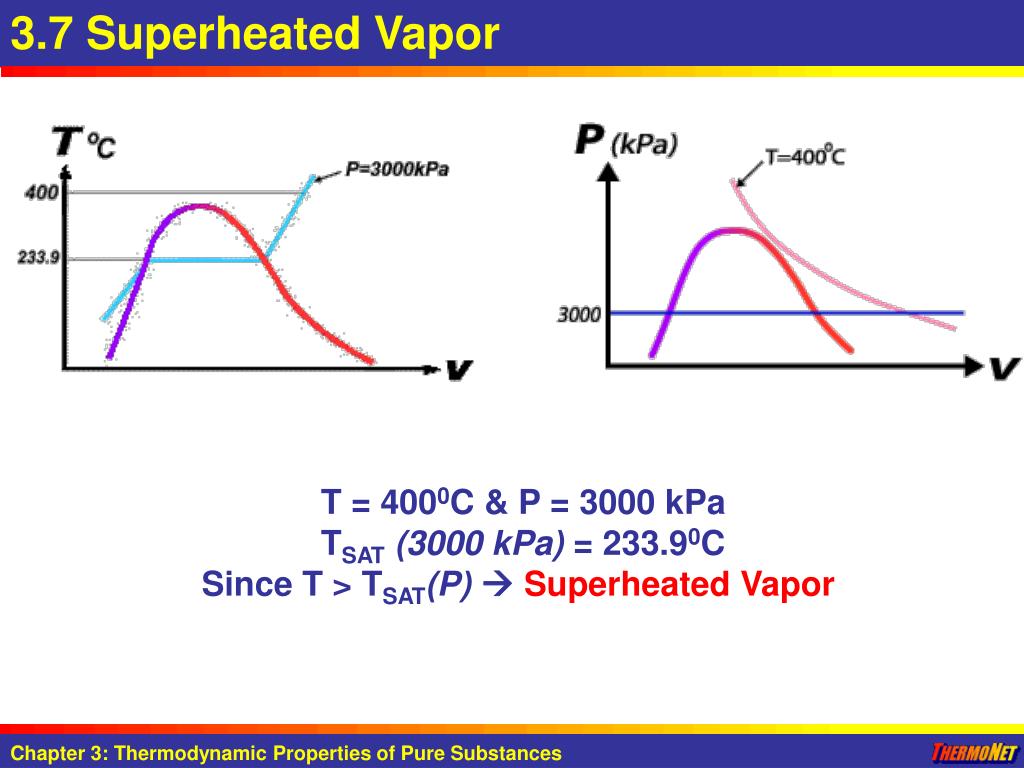
It sounds counterintuitive, doesn't it? A superheated vapor containing liquid refrigerant? The very definition of superheat implies we're dealing with vapor that's been heated *above* its saturation point, meaning all the liquid should be gone. But in the complex world of HVAC systems, things aren't always as they seem. This article will explore scenarios where this can happen, what it means for your system, and how to troubleshoot (or when to call in a pro).
Understanding Superheat and Refrigerant States
Before diving into the paradox, let's review some key concepts. Refrigerant exists in different states: liquid, vapor (gas), and a mixed state during the phase change (boiling or condensing). The goal of your air conditioner or heat pump is to move heat by changing the refrigerant's state through evaporation and condensation.
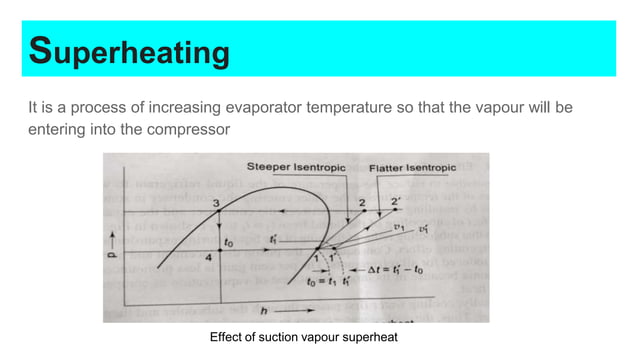
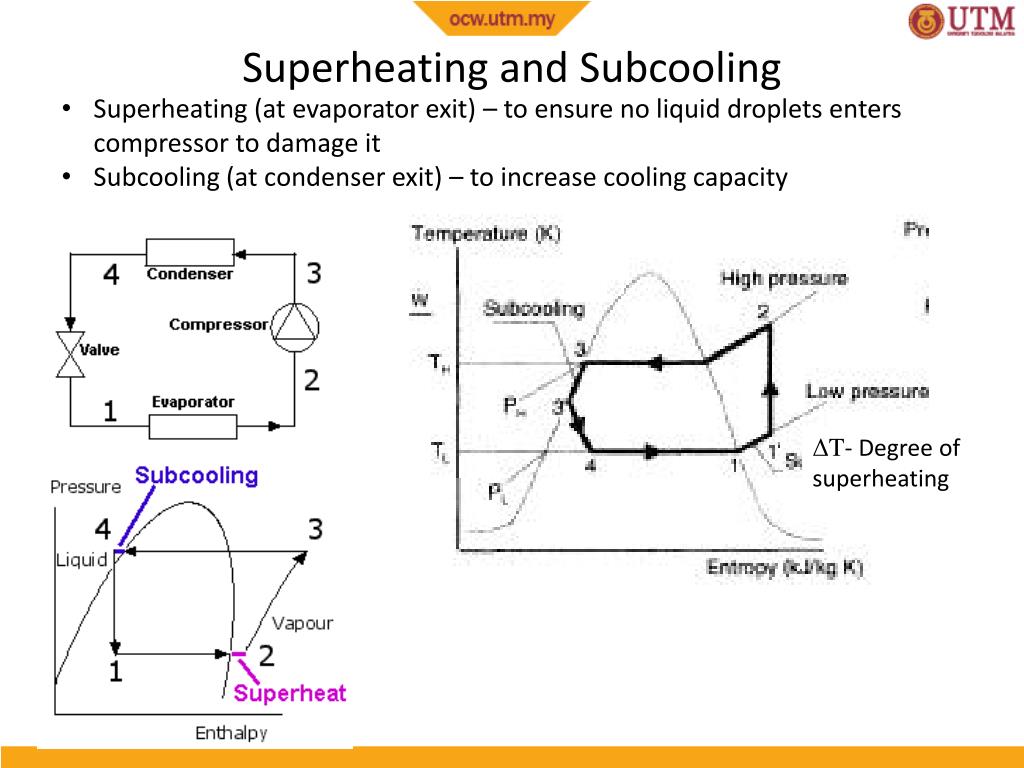
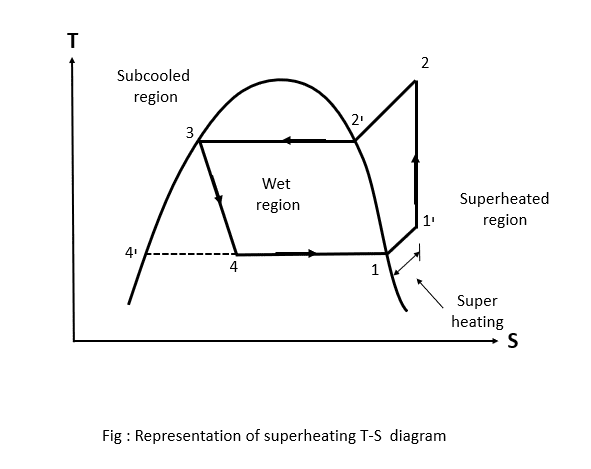
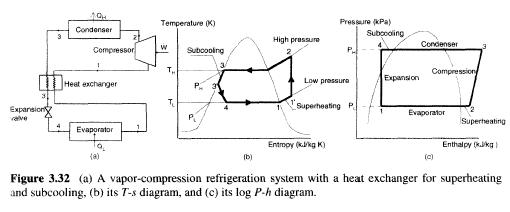
Superheat is a term used to describe the temperature of the refrigerant vapor after it has completely evaporated in the evaporator coil. It's the difference between the actual refrigerant vapor temperature and the saturation temperature at the measured pressure. A certain amount of superheat is crucial to ensure that only vapor refrigerant enters the compressor, which is designed to compress gases, not liquids. Liquid refrigerant entering the compressor can cause serious damage, a condition known as liquid floodback.
The Paradox: When Superheated Vapor Contains Liquid Refrigerant
The scenario where superheated vapor seems to contain liquid refrigerant usually doesn't mean there's actual liquid freely floating in the vapor stream within the pipe. Instead, it typically points to underlying issues that cause incorrect temperature and pressure readings, or misinterpretations of the system's state. Here are the most common culprits:
1. Incorrect Superheat Measurement
The most frequent cause of this perceived paradox is simply an inaccurate superheat measurement. This can stem from several factors:
- Improper Thermocouple Placement: The thermocouple measuring the refrigerant temperature should be securely attached to the suction line, preferably insulated from ambient air. A loose thermocouple or one exposed to drafts will give a false reading.
- Faulty Gauges: Inaccurate pressure gauges will lead to an incorrect saturation temperature calculation, which in turn affects the superheat calculation. Use calibrated, reliable gauges.
- Airflow Issues: Poor airflow across the evaporator coil can cause localized hot spots. If the thermocouple is placed in one of these hot spots, it will falsely inflate the superheat reading.
- Experience and Understanding: Correctly interpreting the data from the gauges takes experience and knowledge of the systems.
DIY Tip: Double-check your gauge calibration, thermocouple placement, and airflow before assuming a serious refrigerant problem. Try a different set of gauges to rule out equipment malfunction.
2. Oil Logging in the Evaporator Coil
Over time, oil from the compressor can migrate and accumulate (log) in the evaporator coil, especially in systems with long refrigerant lines or frequent starts and stops. This oil reduces the coil's efficiency and can cause uneven refrigerant flow. The reduced efficiency will cause low suction pressure, and potentially high superheat at the outlet of the evaporator.
The reduced efficiency and inconsistent cooling caused by oil logging can result in areas in the coil that are much colder than others. This isn't necessarily liquid refrigerant, but it can give the *impression* of liquid due to the extremely low temperatures.
When to Call a Pro: Oil logging is best addressed by a professional technician who can perform a chemical flush of the system to remove the accumulated oil and address the cause of the oil migration.
3. Restricted Refrigerant Flow
A restriction in the refrigerant line, such as a kink, a clogged filter drier, or a malfunctioning TXV (Thermostatic Expansion Valve), can cause a pressure drop. This pressure drop can lead to localized flashing of the refrigerant from liquid to vapor *before* it reaches the evaporator coil, potentially increasing the superheat at the point of measurement. While this isn't technically liquid *in* the superheated vapor, it indicates a serious problem with the flow.
Common Symptoms of Restricted Flow:
- High superheat readings.
- Low suction pressure.
- High discharge pressure.
- Reduced cooling capacity.
- Possible frost on the suction line near the restriction.
DIY Assessment: Check the filter drier for excessive temperature difference across it (a significant temperature drop indicates a clog). Visually inspect refrigerant lines for kinks or damage. However, diagnosing and repairing TXV issues often requires specialized tools and knowledge.
4. Non-Condensables in the Refrigerant
Air or other non-condensable gases in the refrigerant system can artificially inflate pressures and temperatures. This can lead to inaccurate superheat calculations and make it seem like liquid refrigerant is present in the vapor. Non-condensables are typically introduced during improper installation or repair procedures.
Signs of Non-Condensables:
- High discharge pressure.
- Elevated head pressure.
- Unstable system operation.
Professional Intervention Required: Evacuating the system and recharging it with fresh refrigerant is the only way to eliminate non-condensables. This requires specialized equipment and knowledge.
5. System Overcharge
While it seems counterintuitive to having high superheat, an overcharged system can cause liquid refrigerant to back up into the suction line if the condenser coil can not adequately reject the heat. This leads to liquid floodback, potentially damaging the compressor.
When to Call a Pro: This condition requires very precise measurements and an understanding of system performance charts. Evacuating a small amount of refrigerant may be needed, or the entire system may need to be evacuated and recharged.
Troubleshooting Steps and Safety Precautions
Before attempting any troubleshooting, prioritize safety. Always wear safety glasses and gloves when working with HVAC systems. Turn off the power to the unit at the breaker before disconnecting any electrical components.
- Verify Gauge Accuracy: Use a reliable set of gauges and ensure they are properly calibrated.
- Check Thermocouple Placement: Ensure the thermocouple is securely attached to the suction line, insulated, and not exposed to drafts.
- Inspect Airflow: Verify proper airflow across the evaporator coil by cleaning the coil and ensuring the blower motor is functioning correctly. Check for blocked vents or filters.
- Check Filter Drier: Feel the filter drier. A significant temperature difference across it indicates a possible restriction.
- Check pressures and compare to the saturation temperature chart.
When to Call a Professional
While some basic troubleshooting can be done by homeowners, more complex issues require the expertise of a qualified HVAC technician. Call a professional if:
- You are uncomfortable working with electrical components or refrigerant.
- You suspect a refrigerant leak.
- You suspect oil logging or non-condensables in the system.
- You are unable to accurately diagnose the problem after performing basic troubleshooting steps.
- The system requires refrigerant recovery or charging (requires EPA certification).
- You are unsure about using the proper tools and following safety procedures.
Estimated Repair Costs
Repair costs can vary widely depending on the complexity of the issue and your location. Here are some rough estimates:
- Filter Drier Replacement: $75 - $200
- TXV Replacement: $200 - $600
- Refrigerant Recharge: $150 - $500 (depending on the amount of refrigerant needed and leak repair).
- System Flush (to address oil logging): $300 - $800
- Compressor Replacement (if liquid floodback has caused damage): $1500 - $4000+
Note: These are just estimates. Always obtain multiple quotes from licensed HVAC contractors before proceeding with any repairs.
Tools and Parts You Might Need
- HVAC Gauges: Essential for measuring pressures and temperatures.
- Thermocouple: For accurate temperature readings.
- Refrigerant Leak Detector: To identify refrigerant leaks.
- Vacuum Pump: Required for evacuating the system before recharging.
- Manifold Hose Set: Connects the gauges to the system.
- Filter Drier: A common replacement part.
- TXV: Thermostatic Expansion Valve.
- Wrenches and Screwdrivers: For general repairs.
- Safety Glasses and Gloves: Always prioritize safety.
- Multimeter: to verify electrical components are in working order.
While the idea of superheated vapor containing liquid refrigerant might seem like a contradiction, it's usually a symptom of underlying problems that require careful diagnosis and repair. By understanding the principles of superheat, refrigerant states, and potential issues, you can better troubleshoot your HVAC system and determine when to call in a professional for assistance. Remember to prioritize safety and always consult with a qualified technician if you're unsure about any aspect of the repair process.