Ac Blower Fan Replacement

AC Blower Fan Replacement: A Comprehensive Guide for Homeowners
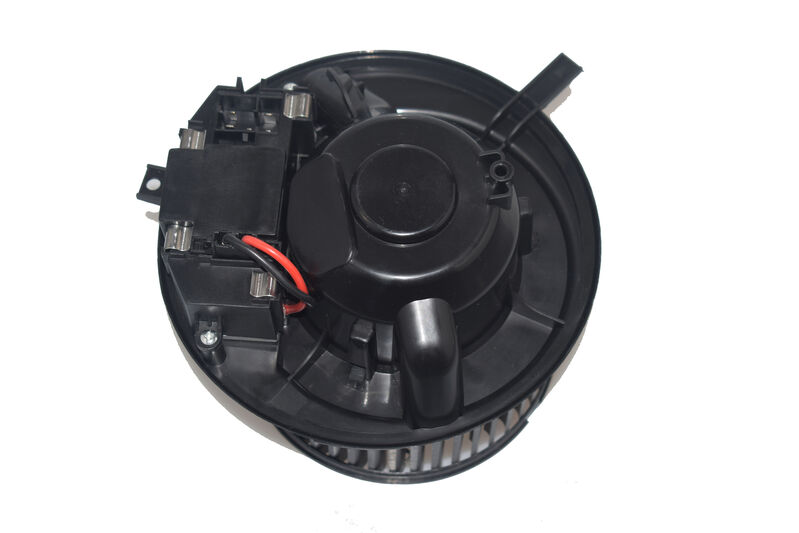
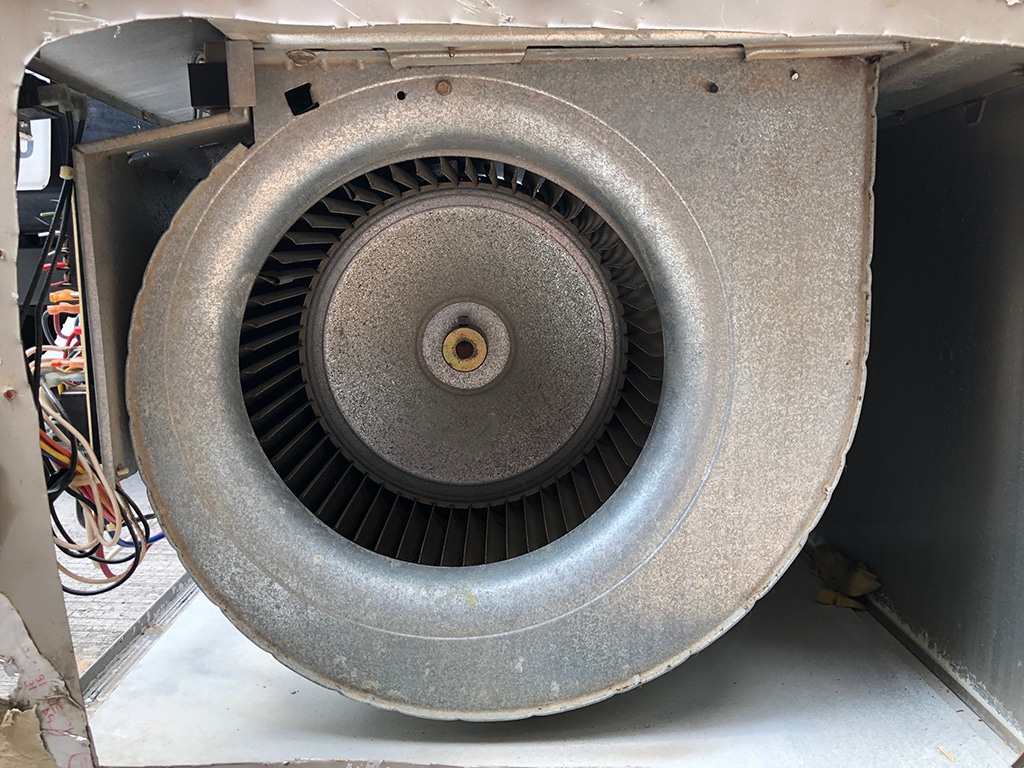
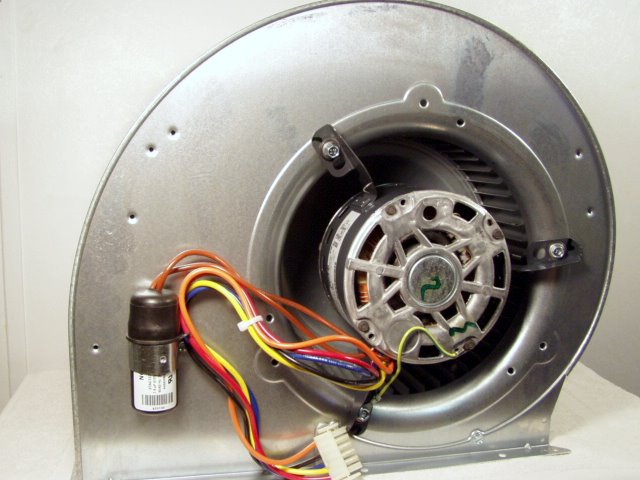
The AC blower fan, a vital component of your HVAC system, is responsible for circulating air throughout your home, delivering cool or warm air as needed. When this fan malfunctions, it can lead to reduced airflow, uneven temperatures, and even system failure. This guide provides a detailed overview of AC blower fan replacement, covering everything from identifying issues to choosing the right replacement and understanding the costs involved.
Understanding the Role of the Blower Fan
The blower fan resides within the indoor unit of your air conditioner or heat pump. It works in tandem with the compressor and evaporator coil (in cooling mode) or the heat exchanger (in heating mode) to distribute conditioned air. A properly functioning blower fan ensures consistent temperatures, optimal energy efficiency, and comfortable living conditions.
Signs You Need a Blower Fan Replacement
Recognizing the symptoms of a failing blower fan can save you from a complete HVAC system breakdown. Common indicators include:
- Reduced Airflow: Weak or inconsistent airflow from your vents is a primary sign.
- Unusual Noises: Grinding, squealing, or rattling sounds emanating from your indoor unit often point to a worn-out blower motor or damaged fan blades.
- Uneven Temperatures: Some rooms may be significantly warmer or cooler than others.
- Increased Energy Bills: A struggling blower fan consumes more energy to maintain the set temperature.
- The AC Unit Won't Turn On: In some cases, a completely failed blower motor can prevent the entire system from starting.
- Burning Smell: This could indicate an overheating motor or electrical issue. Shut off your unit immediately and call a professional.
Factors Affecting Blower Fan Lifespan
The lifespan of an AC blower fan varies depending on several factors, including:
- Usage: Systems used more frequently, especially in extreme climates, will experience faster wear and tear.
- Maintenance: Regular maintenance, including filter changes and professional inspections, can significantly extend the fan's life.
- Air Quality: Dirty air filters restrict airflow, forcing the blower fan to work harder and shortening its lifespan.
- Quality of Components: Higher-quality blower motors and fans generally last longer than cheaper alternatives.
Typically, a well-maintained blower fan can last 10-15 years. However, neglect and harsh operating conditions can reduce its lifespan considerably.
Choosing the Right Replacement Blower Fan
Selecting the correct replacement blower fan is crucial for optimal performance and compatibility. Here's what to consider:
- Motor Type:
- Permanent Split Capacitor (PSC) Motors: These are the most common and affordable type. They offer single-speed operation and are suitable for basic HVAC systems.
- Electronically Commutated Motors (ECM): These are more efficient and offer variable-speed operation. ECMs provide better temperature control, quieter operation, and lower energy consumption. They are often found in high-efficiency HVAC systems. Upgrading to an ECM motor from a PSC motor can offer significant energy savings over time, but requires ensuring compatibility with your system.
- Brushless DC Motors (BLDC): Similar to ECMs but even more efficient and reliable.
- Size and Capacity: The blower fan must be appropriately sized for your HVAC system's capacity (measured in CFM - Cubic Feet per Minute). Consult your HVAC system's manual or a qualified technician to determine the correct size.
- Voltage and Horsepower: Ensure the replacement blower fan matches the voltage and horsepower requirements of your system.
- Brand Compatibility: While universal blower fans are available, it's generally recommended to choose a replacement fan from the same manufacturer as your HVAC system to ensure proper fit and performance. Popular brands include Carrier, Trane, Lennox, Rheem, and Goodman.
Installation: DIY vs. Professional
While some homeowners may attempt a DIY blower fan replacement, it's generally recommended to hire a qualified HVAC technician. Improper installation can lead to:
- Damage to the HVAC system.
- Reduced efficiency.
- Safety hazards (electrical shock).
- Voided warranties.
A professional technician has the expertise and tools to properly diagnose the issue, select the correct replacement fan, and install it safely and efficiently. They can also ensure the system is properly balanced and calibrated after the replacement.
Blower Fan Replacement Cost
The cost of replacing an AC blower fan varies depending on several factors:
- Type of Motor: ECM motors are typically more expensive than PSC motors.
- Size and Capacity: Larger fans cost more.
- Labor Costs: Installation costs vary by region and contractor.
- Brand: Some brands are more expensive than others.
As a general guideline, expect to pay between $300 and $800 for a blower fan replacement, including parts and labor. ECM motor replacements tend to be on the higher end of that range. Get quotes from multiple HVAC contractors to ensure you're getting a fair price. In some cases, replacing the entire indoor unit might be more cost-effective in the long run, especially if other components are nearing the end of their lifespan.
Maintaining Your Blower Fan for Longevity
Proper maintenance is key to extending the life of your blower fan. Here are some essential tips:
- Regularly Change Air Filters: Dirty air filters restrict airflow, forcing the blower fan to work harder. Change your filters every 1-3 months, depending on usage and air quality. Use high-quality filters to trap more dust and allergens.
- Schedule Annual HVAC Inspections: A professional technician can inspect the blower fan and other components for signs of wear and tear and perform necessary maintenance.
- Keep the Indoor Unit Clean: Dust and debris can accumulate inside the indoor unit, hindering the blower fan's performance. Periodically vacuum the area around the unit.
- Consider a Whole-House Air Purifier: These systems can significantly improve air quality, reducing the strain on your blower fan.
Understanding HVAC System Ratings: AFUE, SEER, and HSPF
When considering a new HVAC system or even a blower fan upgrade that impacts overall system efficiency, understanding key rating metrics is vital:
- AFUE (Annual Fuel Utilization Efficiency): This rating applies to furnaces and measures how efficiently the furnace converts fuel (natural gas, propane, or oil) into heat. A higher AFUE rating indicates greater efficiency. Modern high-efficiency furnaces can achieve AFUE ratings of 95% or higher.
- SEER (Seasonal Energy Efficiency Ratio): This rating applies to air conditioners and heat pumps in cooling mode. It measures the cooling output of the system divided by the energy consumed. A higher SEER rating indicates greater cooling efficiency. The minimum SEER rating currently required in the US is 14 in most regions, with some systems exceeding 20 SEER.
- HSPF (Heating Seasonal Performance Factor): This rating applies to heat pumps in heating mode. It measures the heating output of the system divided by the energy consumed. A higher HSPF rating indicates greater heating efficiency. The minimum HSPF rating currently required is 8.2.
Upgrading to a higher-efficiency system with better AFUE, SEER, or HSPF ratings can significantly reduce your energy bills and environmental impact. While a blower fan replacement might not directly affect these ratings, it can contribute to overall system efficiency and performance.
Warranties and Protection
Blower fans typically come with a manufacturer's warranty, covering defects in materials and workmanship. The warranty period can range from 1 to 5 years, depending on the brand and model. Ensure you understand the terms and conditions of the warranty before purchasing a replacement fan. Keep your purchase receipts and warranty information in a safe place.
Some HVAC contractors also offer extended warranties or service agreements, providing additional protection against unexpected repairs. Consider these options for added peace of mind.
Popular HVAC Brands and Models
Here's a brief overview of some popular HVAC brands and models known for their quality and reliability:
- Carrier: Known for innovative technology and high-efficiency systems. Carrier offers a wide range of furnaces, air conditioners, and heat pumps with excellent AFUE, SEER, and HSPF ratings. Their Infinity series is a top-of-the-line option.
- Trane: A reputable brand with a long history of producing durable and reliable HVAC equipment. Trane's XV series offers variable-speed technology and impressive energy efficiency.
- Lennox: Known for its premium products and advanced features. Lennox offers some of the quietest and most efficient HVAC systems on the market. Their Dave Lennox Signature Collection is highly regarded.
- Rheem: A popular brand offering a balance of performance and affordability. Rheem's Prestige series features advanced technology and energy-saving features.
- Goodman: A budget-friendly brand that provides reliable performance at a lower price point. Goodman systems are a good option for homeowners looking for a cost-effective solution.
Conclusion
Replacing your AC blower fan is a necessary repair that can significantly impact your comfort and energy bills. By understanding the signs of a failing fan, choosing the right replacement, and maintaining your system properly, you can ensure optimal performance and extend the life of your HVAC system. Remember to consult with a qualified HVAC technician for professional advice and installation. Investing in a high-quality blower fan and regular maintenance will pay off in the long run with improved comfort, lower energy costs, and a more reliable HVAC system.