Ac Compressor Starter Capacitor
Frequently Asked Questions: AC Compressor Starter Capacitors
This article answers common questions about AC compressor starter capacitors. Understanding these components can help you diagnose AC problems and potentially save money on repairs.
1. What exactly is an AC compressor starter capacitor and what does it do?
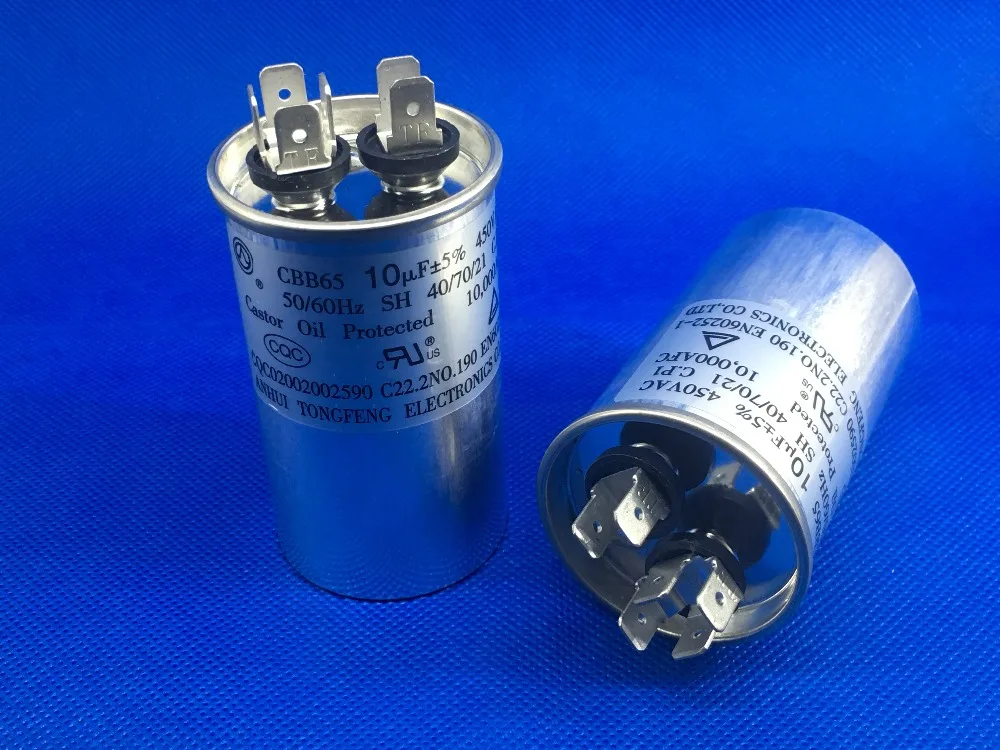
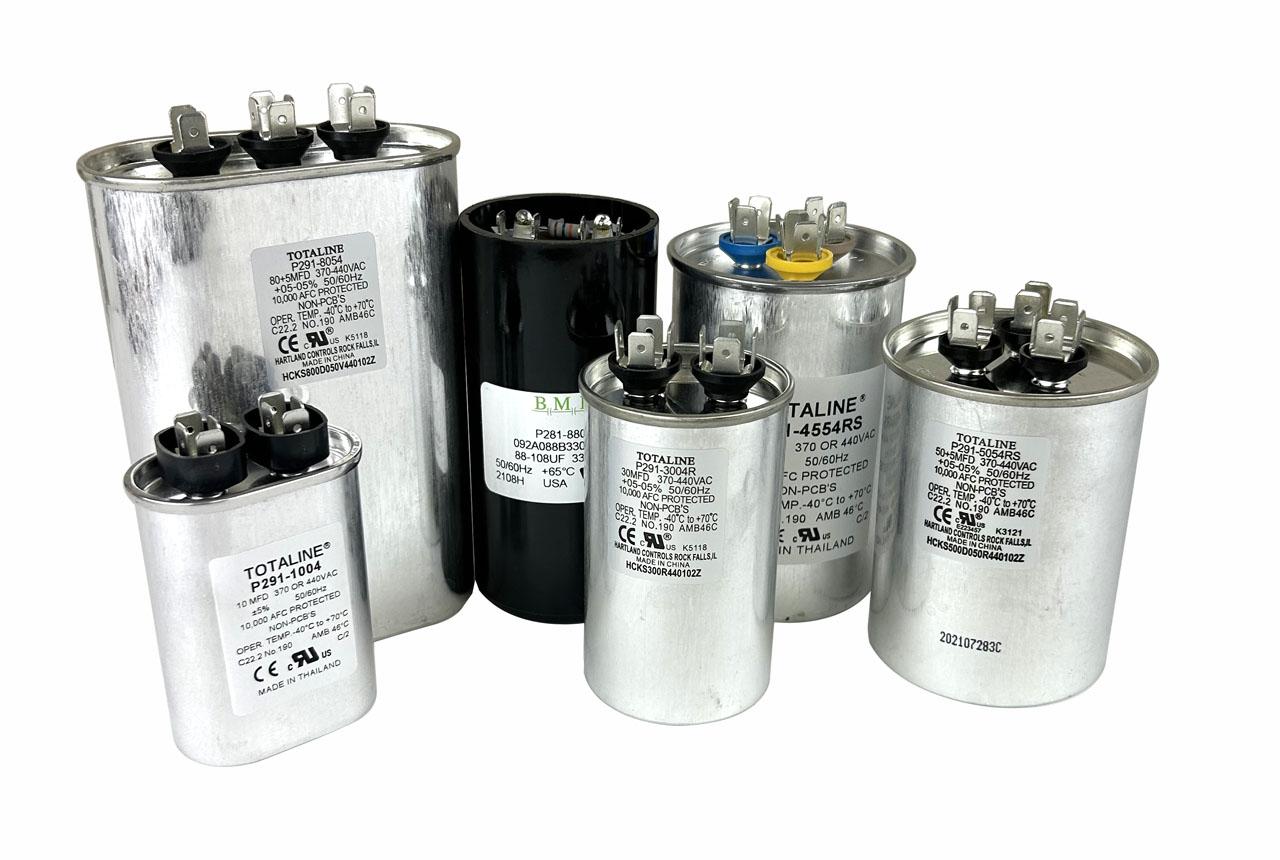
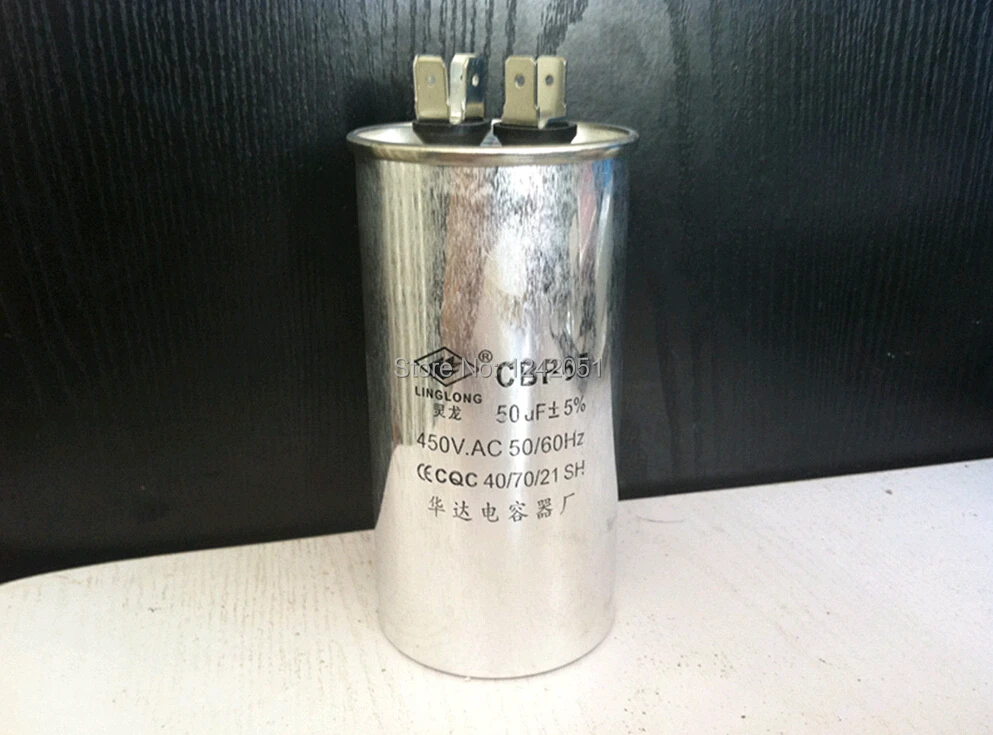
A starter capacitor, sometimes called a "start capacitor," is a small cylindrical component inside your air conditioner's condensing unit. Its primary job is to provide a powerful jolt of energy to the compressor motor when it starts up. Think of it as a booster that helps the motor overcome initial inertia and get running.
Without a functioning starter capacitor, the compressor motor may struggle to start, hum loudly, or fail to start altogether. This can lead to the AC system not cooling properly or even causing damage to the compressor itself.
2. How can I tell if my AC compressor starter capacitor is bad? What are the symptoms?
Several telltale signs can indicate a failing or failed starter capacitor. If you notice any of these, it's a good idea to have your AC system inspected by a qualified technician:
- The AC won't turn on or starts intermittently: This is a classic symptom. The compressor needs the capacitor to provide that initial boost.
- Humming noise from the outdoor unit: If the compressor is trying to start but can't, it may emit a humming sound.
- Clicking or buzzing sounds: Similar to humming, these noises can indicate the capacitor is failing to deliver the necessary power.
- The AC trips the circuit breaker: A failing capacitor can cause the compressor to draw excessive current, tripping the breaker.
- The AC runs but doesn't cool effectively: In some cases, a weak capacitor might allow the compressor to start, but it won't run at full capacity, leading to poor cooling.
- Visually bulging or leaking capacitor: A physical inspection of the capacitor itself (AFTER the power is disconnected!) may reveal swelling, bulging, or leaking fluids. This is a clear sign of failure. Never touch a suspected leaking capacitor as it may contain harmful chemicals.
Important Safety Note: Working with electrical components can be dangerous. Always disconnect the power to the AC unit at the breaker before attempting any inspection or repair. If you're not comfortable working with electricity, it's best to call a qualified HVAC technician.
3. Can I replace the AC compressor starter capacitor myself? Is it a difficult DIY project?
Replacing a starter capacitor can be a DIY project, but it requires caution and some basic electrical knowledge. If you're comfortable working with electricity and understand basic safety procedures, it's a manageable task. However, if you're unsure or uncomfortable, it's best to leave it to a professional.
Here's a simplified overview of the process (remember to disconnect the power first!):
- Identify the capacitor: Locate the capacitor within the AC unit's control panel. It's typically a cylindrical component.
- Take a picture: Before disconnecting any wires, take a clear picture of the wiring configuration. This will help you reconnect the wires correctly later.
- Discharge the capacitor: This is crucial! Capacitors store electricity, even when the power is off. Use a properly insulated screwdriver with an insulated handle to carefully short the terminals of the capacitor. Make sure the screwdriver handle is fully insulated and that you are not touching any metal parts of the screwdriver during this process. This will discharge any stored energy. Even after discharging, treat the capacitor with respect.
- Disconnect the wires: Carefully disconnect the wires from the capacitor terminals.
- Install the new capacitor: Connect the wires to the new capacitor terminals, ensuring they match the original wiring configuration (refer to the picture you took).
- Reassemble the unit: Put the control panel back together.
- Restore power: Turn the power back on at the breaker.
- Test the AC: Turn on the AC and observe its operation.
Important Considerations:
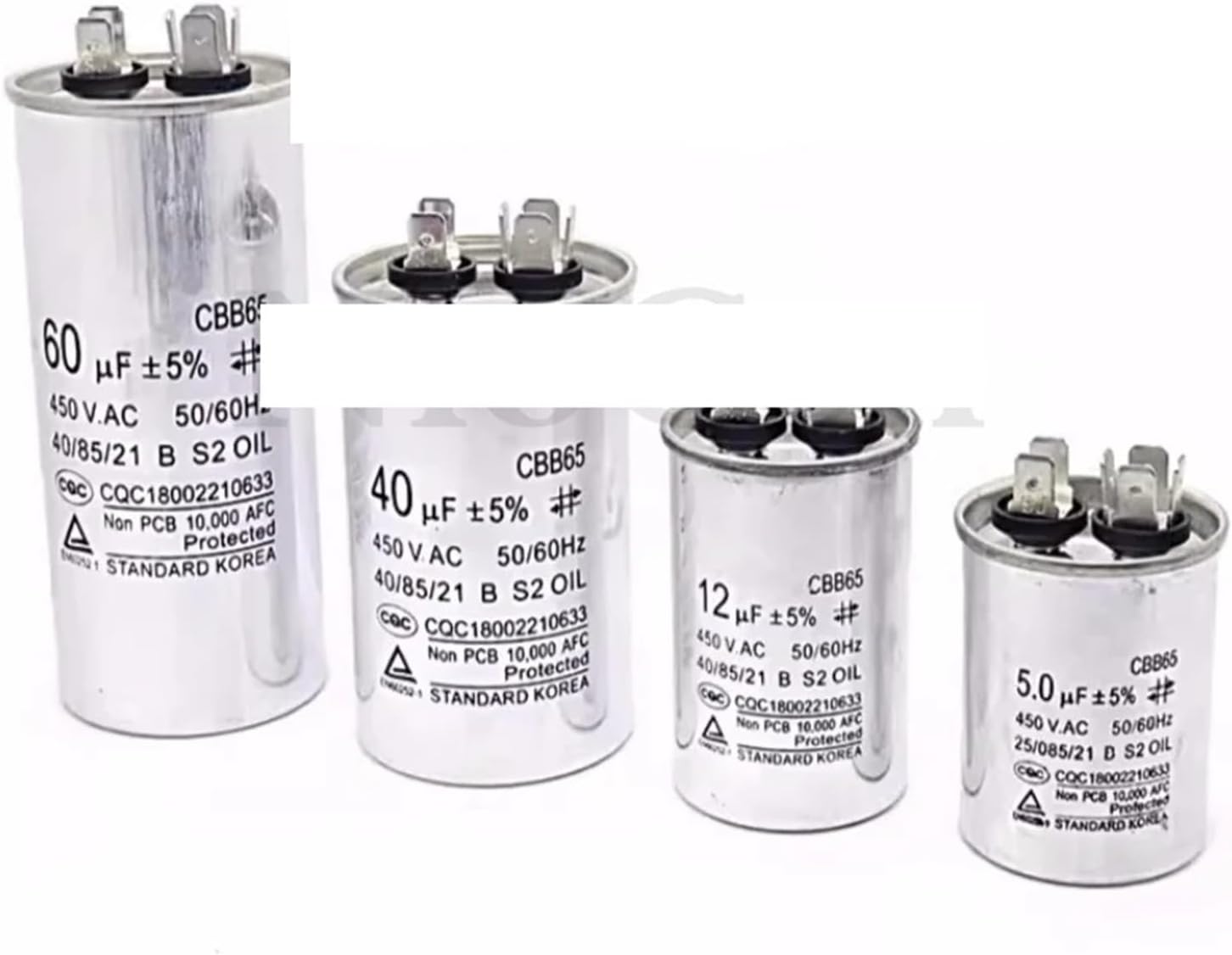
- Correct Replacement: Ensure you purchase a capacitor with the exact same voltage and capacitance (measured in microfarads or uF) as the original. Using the wrong capacitor can damage your AC system. This information will be printed on the capacitor itself.
- Safety Gear: Always wear safety glasses and insulated gloves when working with electrical components.
- Discharge Tool: While a screwdriver *can* be used to discharge a capacitor, a dedicated capacitor discharge tool is safer and more reliable.
If any part of this process seems daunting or confusing, don't hesitate to call a qualified HVAC technician. Incorrect wiring or improper discharge can lead to electric shock or damage to the equipment.
4. Where can I buy a replacement AC compressor starter capacitor?
You can purchase replacement starter capacitors from several sources:
- HVAC Supply Stores: These stores specialize in HVAC parts and typically have a wide selection of capacitors. They can also offer advice and assistance in choosing the correct replacement.
- Appliance Repair Stores: Many appliance repair stores also carry capacitors for air conditioners.
- Online Retailers: Online retailers like Amazon or eBay offer a variety of capacitors. However, be sure to purchase from a reputable seller and verify the capacitor's specifications before buying.
- Local Hardware Stores: Some hardware stores may carry basic starter capacitors, but the selection might be limited.
When purchasing a replacement, always bring the old capacitor with you (or have its specifications readily available) to ensure you get the correct match.
5. What is the cost of a replacement AC compressor starter capacitor, and how much does it cost to have it professionally installed?
The cost of a replacement starter capacitor itself is relatively inexpensive, typically ranging from $10 to $50, depending on the voltage, capacitance, and brand. However, the cost of professional installation will include labor charges, which can vary significantly depending on your location and the HVAC technician's hourly rate.
Expect to pay anywhere from $75 to $250 or more for professional installation, including the cost of the capacitor. The price can be higher if the technician needs to diagnose other issues with the AC system.
It's always a good idea to get quotes from multiple HVAC contractors before proceeding with the replacement. Ask for a detailed breakdown of the costs, including the price of the capacitor and the labor charges.
6. How long do AC compressor starter capacitors typically last, and what can affect their lifespan?
A typical AC compressor starter capacitor has a lifespan of 3 to 10 years. However, several factors can affect its longevity:
- Heat: Excessive heat is a major enemy of capacitors. If the AC unit is located in a hot, poorly ventilated area, the capacitor's lifespan may be shortened.
- Voltage Fluctuations: Power surges and voltage fluctuations can stress the capacitor and lead to premature failure.
- Start/Stop Cycles: Frequent start/stop cycles put a strain on the capacitor, reducing its lifespan. This is more common in systems that are frequently turned on and off, such as those with poor insulation.
- Quality of the Capacitor: Lower-quality capacitors may have a shorter lifespan than higher-quality ones.
- Operating Environment: A dirty or dusty operating environment can cause the capacitor to overheat, shortening its lifespan. Regular cleaning of the AC unit can help extend the lifespan of the capacitor and other components.
Regular maintenance, such as cleaning the AC unit and ensuring proper ventilation, can help extend the lifespan of the starter capacitor.
7. Is there anything I can do to prevent my AC compressor starter capacitor from failing prematurely?
While you can't completely prevent a capacitor from failing eventually, there are several things you can do to minimize the risk of premature failure:
- Regular AC Maintenance: Schedule annual maintenance for your AC system. A technician can inspect the capacitor and other components for signs of wear and tear and address any potential issues before they escalate.
- Keep the AC Unit Clean: Regularly clean the AC unit, removing any dirt, debris, or leaves that may be blocking airflow. This will help prevent the unit from overheating.
- Ensure Proper Ventilation: Make sure the AC unit has adequate ventilation. Don't block the unit with plants or other objects that could restrict airflow.
- Consider a Surge Protector: Install a surge protector on the AC unit's circuit to protect it from voltage spikes.
- Use a Soft Starter (Advanced): For longer compressor life and reduced stress on the capacitor, consider installing a "soft starter" kit. These devices gradually ramp up the compressor motor's voltage, reducing the inrush current and extending the lifespan of both the compressor and the capacitor. This is a more involved installation and is best left to a qualified technician.
By taking these preventative measures, you can help extend the lifespan of your AC compressor starter capacitor and avoid costly repairs.