Ac Controller Panel Air Pressure Pulling Towards Unit
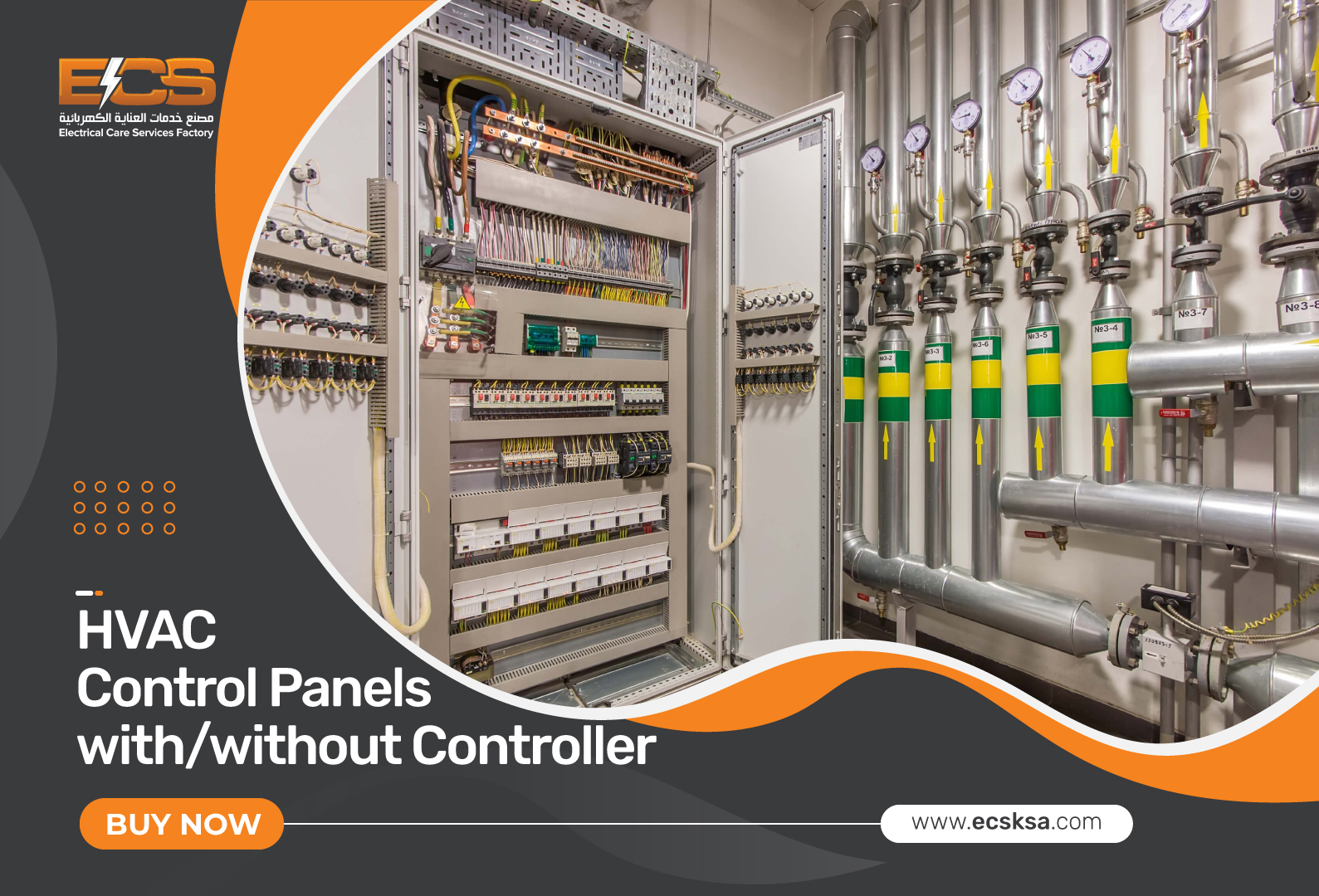
An air conditioner (AC) system is designed to maintain a comfortable indoor environment. A crucial aspect of its operation is the balance of air pressure, both inside your home and within the AC unit itself. If you notice that the air pressure seems to be pulling *towards* the AC unit, it's a sign that something is not functioning correctly. This guide will help you understand the underlying causes, troubleshooting steps, and when to call a professional.
Understanding Air Pressure and AC Systems
To understand why air pressure pulling towards the AC unit is a problem, let's first review the basics of how an AC system works and its relationship with air pressure.
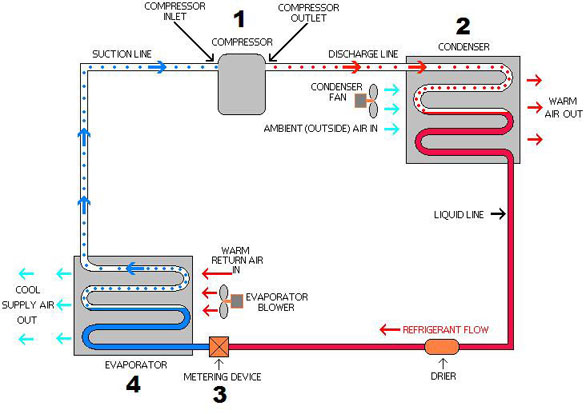
An AC system works by transferring heat from inside your home to the outside. This process involves several key components:
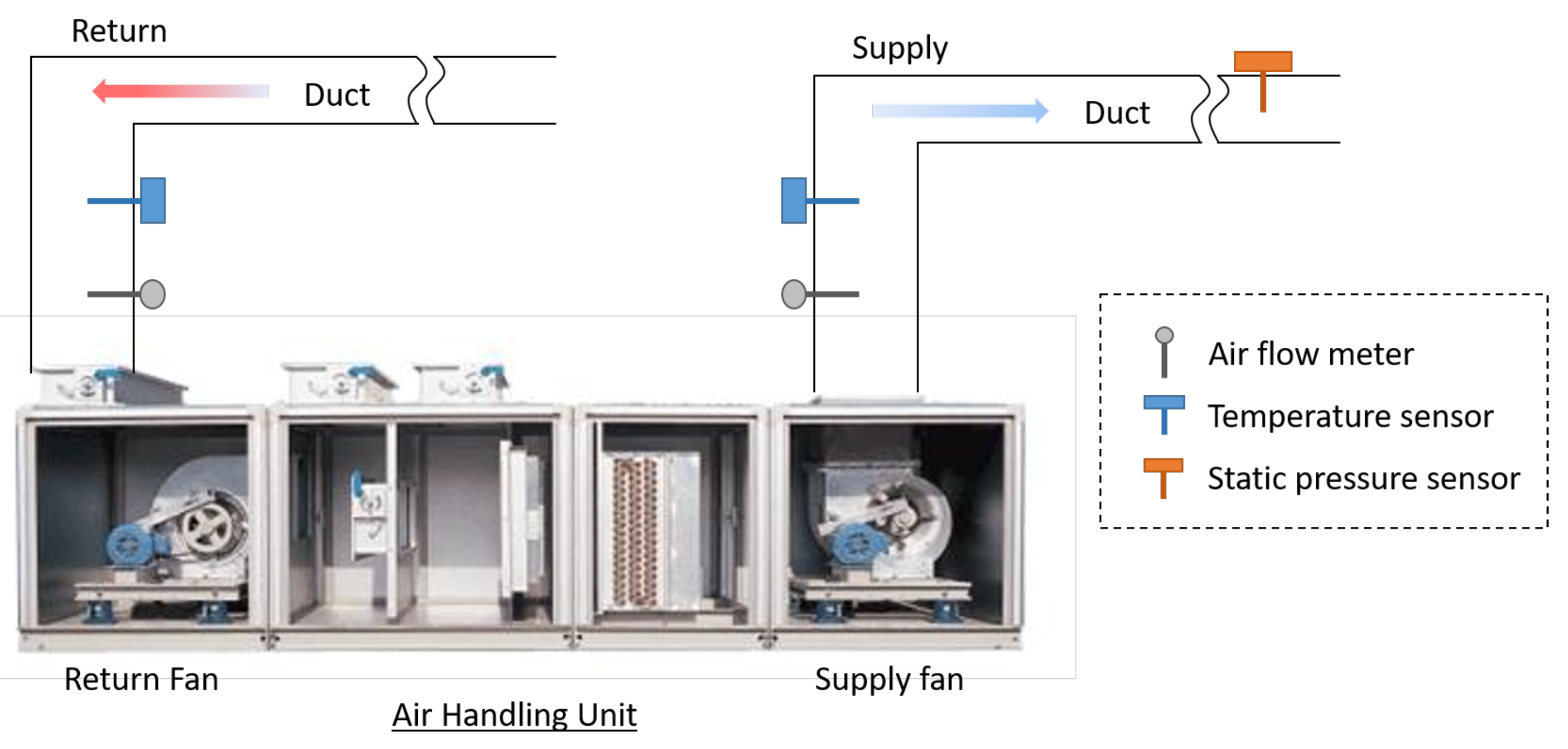
* Evaporator Coil: Located inside your indoor unit, this coil absorbs heat from the indoor air. * Condenser Coil: Located outside your outdoor unit, this coil releases the absorbed heat to the outside air. * Compressor: The heart of the system, it circulates the refrigerant and increases its pressure and temperature. * Refrigerant: Think of refrigerant as the "blood" of your AC system, carrying heat from inside to outside. It cycles between liquid and gas states to absorb and release heat. * Blower Fan: This fan circulates air across the evaporator coil, distributing cool air throughout your home. * Ductwork: The network of channels that carry the cooled air from the AC unit to the vents in your rooms.Air pressure is the force exerted by air. In an AC system, proper air pressure is essential for efficient operation. The blower fan creates a pressure differential that allows air to flow through the system. When the pressure is unbalanced, it can indicate a problem.
What Does "Air Pressure Pulling Towards the Unit" Mean?
When we talk about air pressure pulling towards the AC unit, we're typically referring to a few scenarios:
* Strong Suction at Vents: You might notice that air vents in certain rooms have an unusually strong suction, almost as if the air is being "sucked" back into the vent. * Difficulty Closing Doors: In extreme cases, the pressure difference can be significant enough that you experience difficulty closing interior doors, as the air inside the room is being pulled towards the return vents near the AC unit. * Whistling Noises: Air being forced through small openings can create whistling noises near the AC unit or ductwork.These symptoms suggest that there's an excessive negative pressure in the system. This imbalance often indicates a restriction in airflow *somewhere*. The system is trying to draw in more air than is readily available, causing the "pulling" sensation.
Possible Causes of Air Pressure Issues
Several factors can contribute to the sensation of air pressure pulling towards your AC unit. Here's a breakdown of the most common causes:
* Clogged Air Filter: This is the *most frequent* culprit. A dirty air filter restricts airflow to the evaporator coil. The blower fan works harder to draw air through the filter, creating a negative pressure in the return ducts. * Dirty Evaporator Coil: Dust and debris can accumulate on the evaporator coil, reducing its ability to absorb heat and restricting airflow. This, in turn, increases the negative pressure. * Blocked Return Vents: If return vents are blocked by furniture, rugs, or other obstructions, the AC unit will struggle to draw in enough air, leading to a pressure imbalance. * Closed Supply Vents: While it might seem like a good idea to close vents in unused rooms to save energy, doing so can restrict airflow and increase the pressure in the ductwork system. The system is designed to operate with all vents open to some extent. * Ductwork Problems: Leaky, collapsed, or improperly sized ductwork can create significant airflow restrictions and pressure imbalances. Leaks, in particular, cause the system to work harder and pull air from unintended sources. * Improperly Sized AC Unit: If the AC unit is too large for your home, it can cool the air too quickly, leading to short cycling (frequent on/off cycles) and pressure imbalances. An oversized unit can also dehumidify the air too rapidly, contributing to discomfort. * Blower Fan Issues: A malfunctioning blower fan, whether due to a faulty motor or damaged fan blades, may not be able to move air efficiently, resulting in pressure problems. * Refrigerant Leaks: While not directly causing a *pressure* issue in the *air* ducts, a refrigerant leak can affect the system's overall performance. With a low refrigerant charge, the compressor works harder and the system becomes less efficient at cooling, which *can* manifest as perceived pressure imbalances.Troubleshooting Steps
Before calling a professional, there are several troubleshooting steps you can take to identify and potentially resolve the issue:
1. Check and Replace the Air Filter: This is the *easiest and most important* step. Replace a dirty air filter with a clean one of the correct size and MERV rating (Minimum Efficiency Reporting Value). Higher MERV ratings filter out more particles but can also restrict airflow, so choose one recommended for your system. Aim to replace your filter every 1-3 months, depending on usage and air quality. 2. Inspect Return Vents: Ensure that all return vents are free from obstructions. Move furniture, rugs, or anything else that might be blocking airflow. 3. Open Supply Vents: Ensure all supply vents are open. Avoid completely closing vents in unused rooms, as this can disrupt the system's airflow. Instead, adjust the vents to a lower setting. 4. Visually Inspect Ductwork: If possible, visually inspect accessible ductwork for leaks, kinks, or collapses. Look for obvious signs of damage or separation. Seal any small leaks you find with duct tape (though professional sealing with mastic sealant is recommended for a long-term solution). 5. Clean Around the Outdoor Unit: Ensure the outdoor unit (condenser) is free from obstructions such as plants, debris, or overgrown vegetation. The unit needs proper airflow to release heat efficiently. 6. Check for Icing: Inspect the evaporator coil (if accessible) for ice buildup. Icing can indicate restricted airflow or a refrigerant problem. If you find ice, turn off the AC and allow it to thaw completely before restarting. If icing recurs, it indicates a more serious problem. 7. Listen for Unusual Noises: Pay attention to any unusual noises coming from the AC unit, such as squealing, grinding, or rattling. These noises can indicate a mechanical problem with the blower fan or compressor.When to Call a Professional
If you've tried the troubleshooting steps above and the problem persists, it's time to call a qualified HVAC technician. Some issues require specialized knowledge and equipment to diagnose and repair.
Here are some scenarios that warrant professional assistance:
* Refrigerant Leaks: Refrigerant handling requires specialized training and equipment. A professional can locate and repair leaks, and recharge the system with the correct type and amount of refrigerant. * Ductwork Problems: Extensive ductwork repairs or modifications are best left to professionals. They have the expertise to properly size and seal ductwork for optimal airflow and efficiency. * Compressor Issues: The compressor is a complex and expensive component. Diagnosing and repairing compressor problems requires specialized skills and tools. * Blower Fan Malfunctions: While you might be able to replace a blower fan motor yourself, it's often best to have a professional diagnose the underlying cause of the failure and ensure proper installation of the new motor. * Icing Issues: If the evaporator coil is icing up repeatedly, it indicates a more serious problem, such as a refrigerant leak or airflow restriction, that requires professional attention. * Unsure of the Cause: If you're unable to identify the cause of the air pressure issue, it's best to err on the side of caution and call a professional for a diagnosis.Choosing a Qualified HVAC Technician:
* Check for licensing and insurance. * Read online reviews. * Get multiple quotes. * Ask about their experience with similar problems. * Ensure they offer a warranty on their work.Preventive Maintenance
Regular preventive maintenance can help prevent air pressure problems and extend the life of your AC system. Here are some essential maintenance tasks:
* Regularly replace the air filter (every 1-3 months). * Schedule annual AC tune-ups with a qualified technician. This typically includes cleaning the coils, checking refrigerant levels, inspecting ductwork, and lubricating moving parts. * Keep the outdoor unit clean and free from debris. * Trim vegetation around the outdoor unit. * Consider having your ductwork professionally cleaned every few years.By understanding the causes of air pressure pulling towards your AC unit, taking proactive troubleshooting steps, and scheduling regular maintenance, you can ensure your AC system operates efficiently and effectively, providing you with a comfortable indoor environment for years to come.