Ac Float Switch Full Of Water

AC Float Switch Full of Water: A Homeowner's Guide to Troubleshooting and Repair
Finding your AC float switch swimming in water is a common, yet concerning, issue for homeowners. It usually indicates a drainage problem in your air conditioning system, and left unchecked, it can lead to water damage and costly repairs. This guide will walk you through the process of understanding, troubleshooting, and potentially fixing the issue yourself. However, always remember safety first, and know when to call a qualified HVAC technician.
Understanding the AC Float Switch
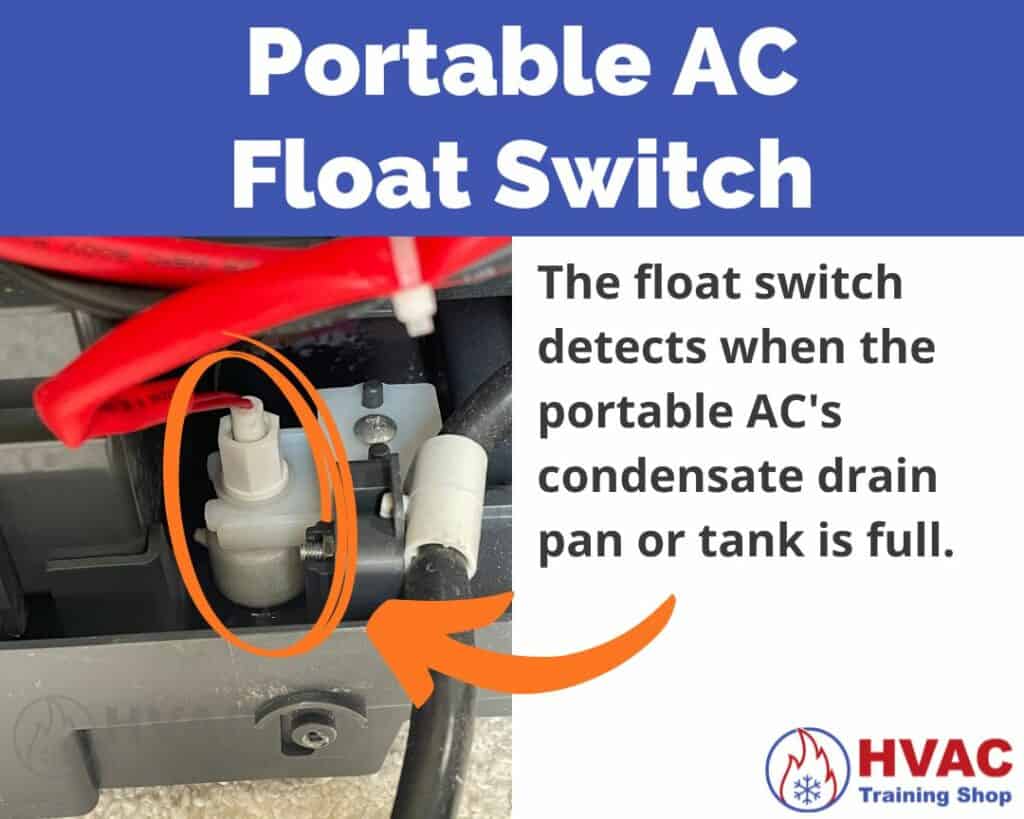
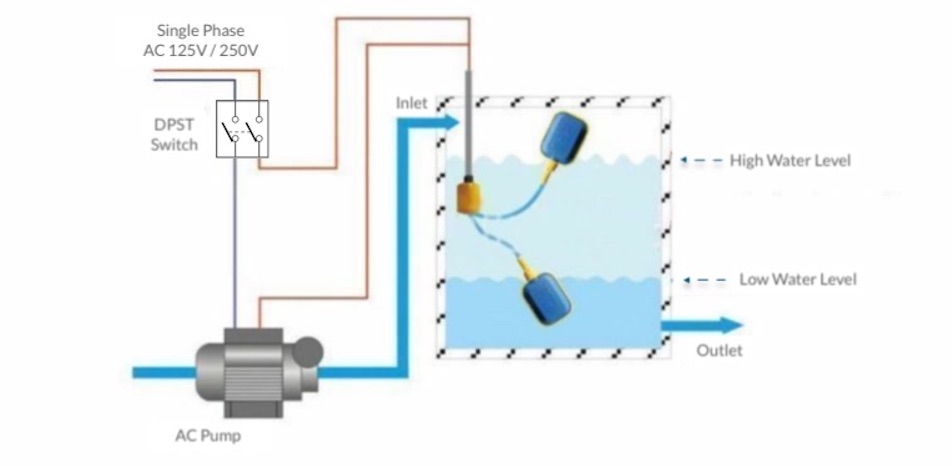
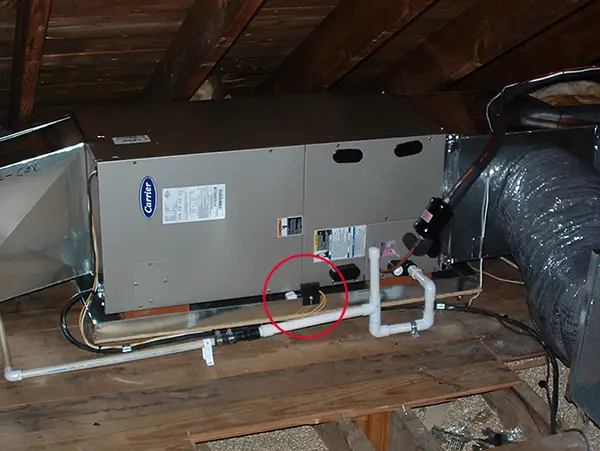
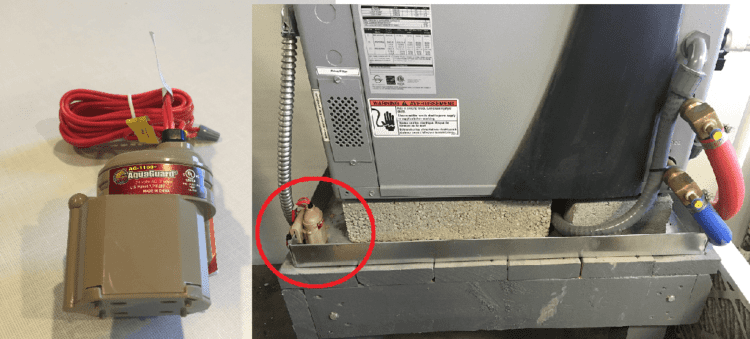
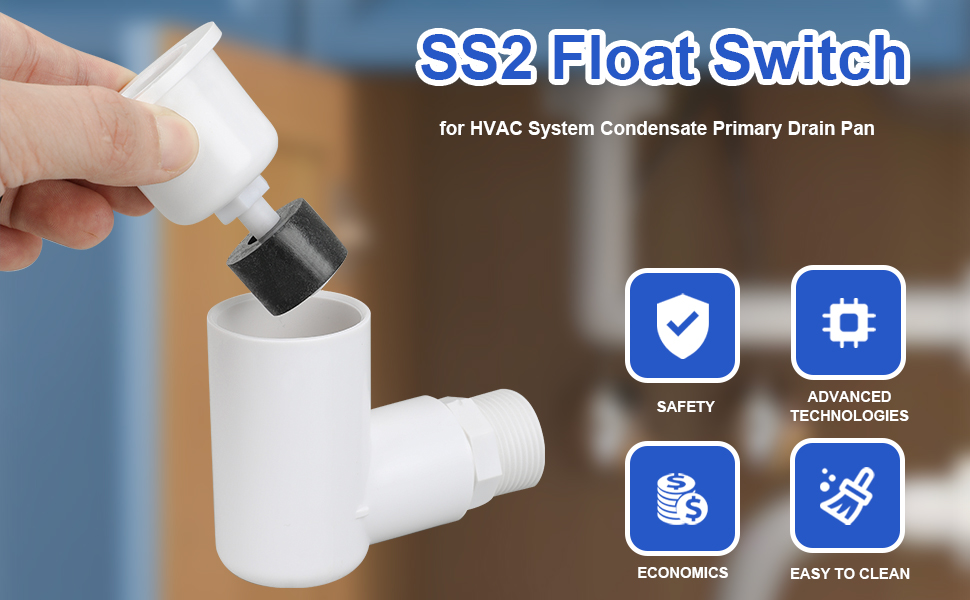
The AC float switch is a safety device designed to shut down your air conditioning system when water accumulates in the drain pan. This prevents overflow and potential water damage to your home. The float switch is typically a small, plastic device located in the drain pan underneath your indoor AC unit (often in the attic or a closet). When water levels rise, the float rises, triggering the switch and cutting off power to the compressor. This prevents further condensation and, hopefully, alerts you to a problem.
Safety First!
Before you begin any troubleshooting, always turn off the power to your AC unit at the breaker box. Water and electricity are a dangerous combination. Additionally, be mindful of potential mold growth and wear appropriate safety gear, such as gloves and a mask, if you suspect mold.
Tools You'll Need
Here’s a list of tools you may need for this project:
- Wet/Dry Vacuum
- Plumber's Snake or Wire Brush
- Bucket
- Screwdriver (Phillips and Flathead)
- Pliers
- Shop Rags
- Safety Glasses
- Gloves
- Multimeter (optional, for testing continuity)
Step-by-Step Troubleshooting: Why is Your AC Float Switch Full of Water?
Let's get started. Follow these steps to diagnose the problem:
- Inspect the Drain Pan: Look for cracks, rust, or other damage. A damaged drain pan needs to be replaced by a professional.
- Check the Float Switch Itself: Is the float moving freely? Sometimes debris can obstruct its movement. Clean around the float and make sure it can rise and fall without resistance.
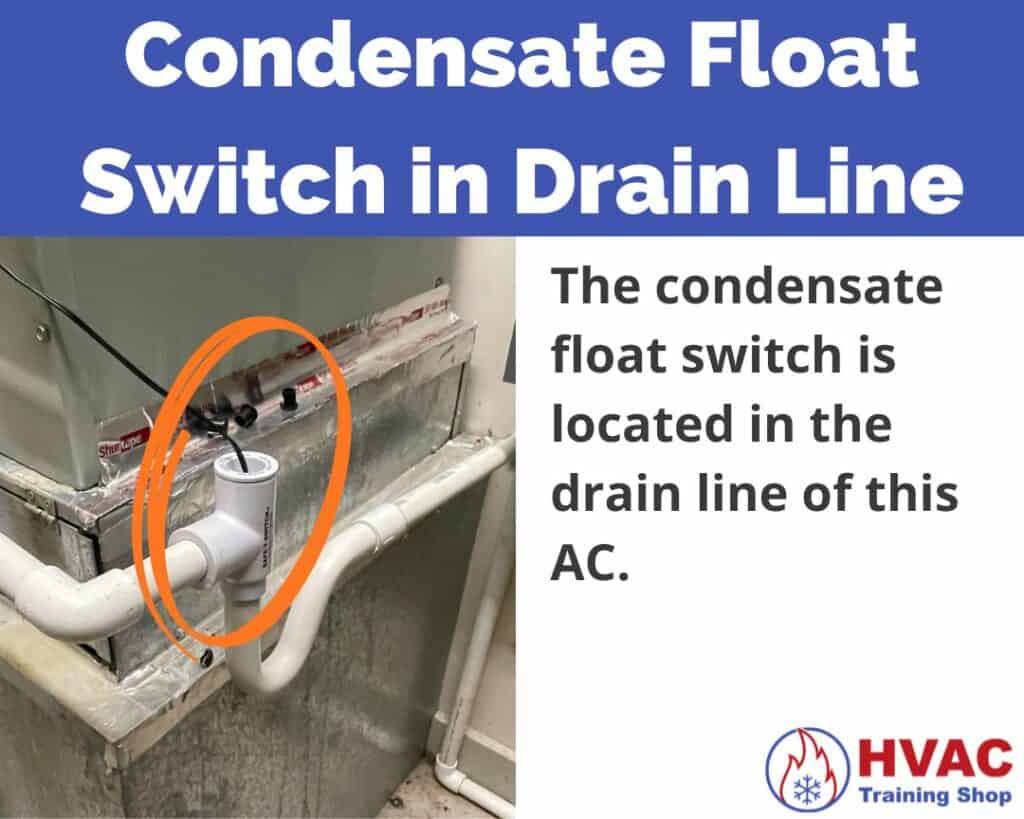
- Clear the Drain Line: This is the most common culprit. Algae, mold, and debris can build up in the drain line, causing a blockage. Disconnect the drain line from the AC unit (usually a PVC pipe). Use a wet/dry vacuum to suck out any clogs. You can also use a plumber's snake or a stiff wire brush to break up stubborn blockages. Be prepared for water to come out! Have a bucket ready.
- Pour Water Down the Drain Line: After clearing the line, pour water down it to ensure it drains freely. If the water backs up, there's still a blockage.
- Check the Drain Line Outlet: Go outside and find the drain line outlet (usually a small pipe near the foundation). Make sure it's not blocked by leaves, dirt, or insects.
- Inspect the Condensate Pump (if applicable): Some systems use a condensate pump to pump the water away. Make sure the pump is working properly. Listen for unusual noises or check if the pump is running but not moving water. Condensate pumps have their own floats and can fail.
- Check the Air Filter: A dirty air filter can restrict airflow, causing the evaporator coil to freeze up. When the ice melts, it overwhelms the drain pan. Replace your air filter regularly (every 1-3 months).
- Reassemble and Test: Reconnect the drain line and turn the power back on to your AC unit. Observe the float switch and drain line for any leaks or further issues. Run the AC and check for water accumulation.
Common Culprits and Their Solutions
Here’s a breakdown of the most common causes and how to address them:
- Clogged Drain Line: Clean with a wet/dry vacuum, plumber's snake, or vinegar solution.
- Damaged Drain Pan: Replace the drain pan (hire a professional).
- Faulty Float Switch: Replace the float switch.
- Frozen Evaporator Coil: Replace the air filter, check for refrigerant leaks (call a professional).
- Condensate Pump Failure: Replace the condensate pump.
- Improperly Sloped Drain Line: Re-slope the drain line for proper drainage (this can be tricky, consider calling a professional).
Replacing a Float Switch
If the float switch itself is faulty, replacing it is a relatively straightforward DIY task. Here's a general guide:
- Turn off the power to the AC unit.
- Locate the float switch and disconnect the wires. Note the wiring configuration before disconnecting. Take a picture if necessary.
- Remove the old float switch.
- Install the new float switch, connecting the wires in the same configuration as the old one.
- Test the new float switch by manually raising the float. The AC unit should shut off.
- Turn the power back on to the AC unit.
Note: Always use a replacement float switch that is compatible with your AC system. You can usually find the correct replacement at a local HVAC supply store or online.
When to Call a Professional HVAC Technician
While many of these issues can be addressed with DIY solutions, there are situations where calling a professional is the best course of action. Consider calling an HVAC technician if:
- You're uncomfortable working with electrical components.
- You suspect a refrigerant leak.
- The evaporator coil is frozen, and replacing the air filter doesn't solve the problem.
- You're unable to clear the drain line blockage.
- The drain pan is damaged and needs to be replaced.
- You suspect a more complex issue with your AC system.
- You are unsure about how to do the repair safely.
Estimated Repair Costs
Here’s a general idea of what you might expect to pay for common repairs:
- Cleaning a clogged drain line: $75 - $200
- Replacing a float switch: $50 - $150 (parts and labor)
- Replacing a condensate pump: $150 - $400 (parts and labor)
- Replacing a drain pan: $300 - $800 (parts and labor)
- Refrigerant leak repair: $200 - $1500+ (depending on the severity and location of the leak)
Note: These are just estimates. Actual costs may vary depending on your location, the complexity of the repair, and the HVAC technician's rates.
Preventative Maintenance Tips
Preventing future problems is always better than dealing with them after they arise. Here are some tips to keep your AC system running smoothly:
- Replace your air filter regularly (every 1-3 months).
- Schedule annual AC maintenance with a qualified HVAC technician.
- Periodically flush the drain line with a solution of vinegar and water.
- Keep the area around your outdoor AC unit clear of debris.
By understanding the function of your AC float switch and taking preventative measures, you can avoid costly repairs and keep your home comfortable all summer long. Remember, when in doubt, don't hesitate to call a professional. Your safety and the longevity of your AC system are worth it.