Ac Not Frozen But Not Cooling
Is your air conditioner blowing lukewarm air despite not being visibly frozen? This frustrating situation, where your AC isn't frozen but isn't cooling, is a common problem with various potential causes. Understanding these causes and knowing how to troubleshoot them can save you money on energy bills and prevent costly repairs. This article breaks down the reasons behind a non-cooling AC, offers practical solutions, and explores the benefits of integrating smart technology for optimal energy efficiency.
Understanding Why Your AC Isn't Cooling
While a frozen AC unit often indicates airflow problems, a non-frozen but non-cooling AC points to other underlying issues. These can range from simple fixes to more complex mechanical problems. Here's a breakdown of the most common culprits:
Refrigerant Leaks
Refrigerant is the lifeblood of your AC system. It absorbs heat from inside your home and releases it outdoors. A refrigerant leak diminishes the system's ability to cool effectively. Even a small leak can significantly impact performance. According to the EPA, many older systems use R-22 refrigerant, which is being phased out due to its environmental impact. Newer, more efficient systems use refrigerants like R-410A, which are more environmentally friendly but still require proper handling to prevent leaks.
“Refrigerant leaks not only impact cooling performance but also contribute to greenhouse gas emissions. Addressing leaks promptly is crucial for both efficiency and environmental responsibility.” - EPA Guidelines
Signs of a refrigerant leak include:
- Weak airflow
- Higher than normal energy bills
- Hissing or bubbling sounds near the AC unit
- Ice formation (in severe cases, despite not being fully frozen)
Solution: Refrigerant leaks require professional attention. An HVAC technician can locate the leak, repair it, and recharge the system with the appropriate refrigerant. Consider upgrading to a newer, more efficient unit if your system uses R-22 and has a substantial leak, as repairs can be costly.
Compressor Issues
The compressor is the heart of your AC system, responsible for circulating refrigerant. A malfunctioning compressor can severely impact cooling performance. Compressor issues can stem from electrical problems, mechanical wear and tear, or refrigerant leaks that damage the compressor over time.
Signs of a compressor problem:
- AC unit not turning on
- Unusual noises coming from the outdoor unit
- Weak or no cooling
- Circuit breaker tripping frequently
Solution: Compressor repairs are often expensive. Depending on the age and condition of your unit, replacing the entire AC system might be a more cost-effective option. Consult with an HVAC professional to assess the situation and explore available options, including energy-efficient upgrades that qualify for rebates.
Dirty Air Filter
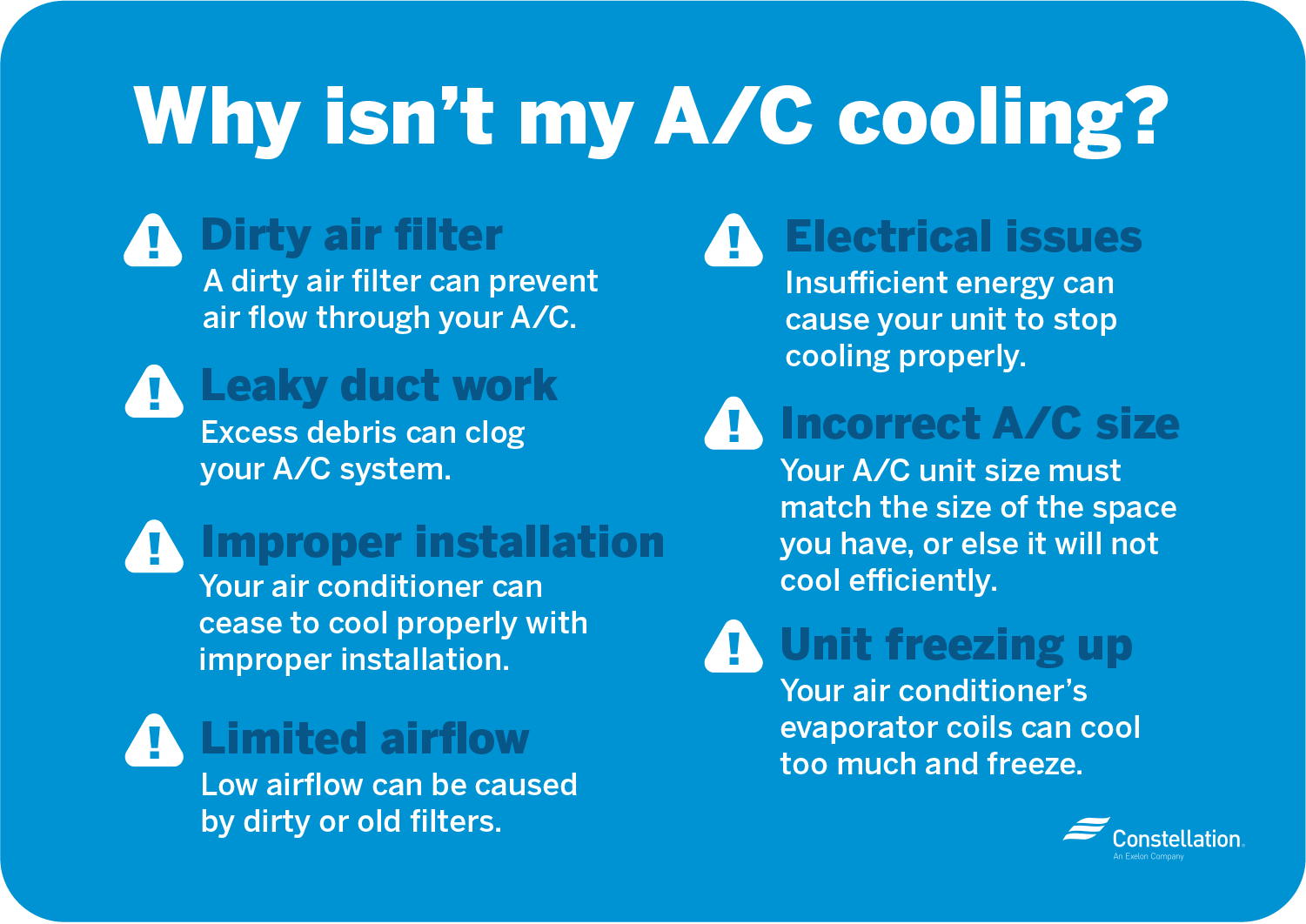
A clogged air filter restricts airflow, forcing your AC system to work harder and reducing its cooling capacity. While this often leads to a frozen evaporator coil, it can also cause the system to struggle to cool without freezing, especially in milder climates or if other factors are contributing.
Signs of a dirty air filter:
- Reduced airflow
- Dust accumulation in the house
- Higher energy bills
- AC running constantly
Solution: Regularly replace your air filter (typically every 1-3 months, depending on usage and air quality). Consider using a high-efficiency particulate air (HEPA) filter for improved air quality, especially if you have allergies or respiratory issues. The Energy Star program recommends checking your filter monthly.
Dirty Condenser Coils
The condenser coils, located in the outdoor unit, release heat from the refrigerant. If these coils are covered in dirt, leaves, or debris, they can't efficiently dissipate heat, leading to reduced cooling performance.
Signs of dirty condenser coils:
- Weak airflow
- Higher energy bills
- AC running for extended periods
- Outdoor unit is excessively noisy
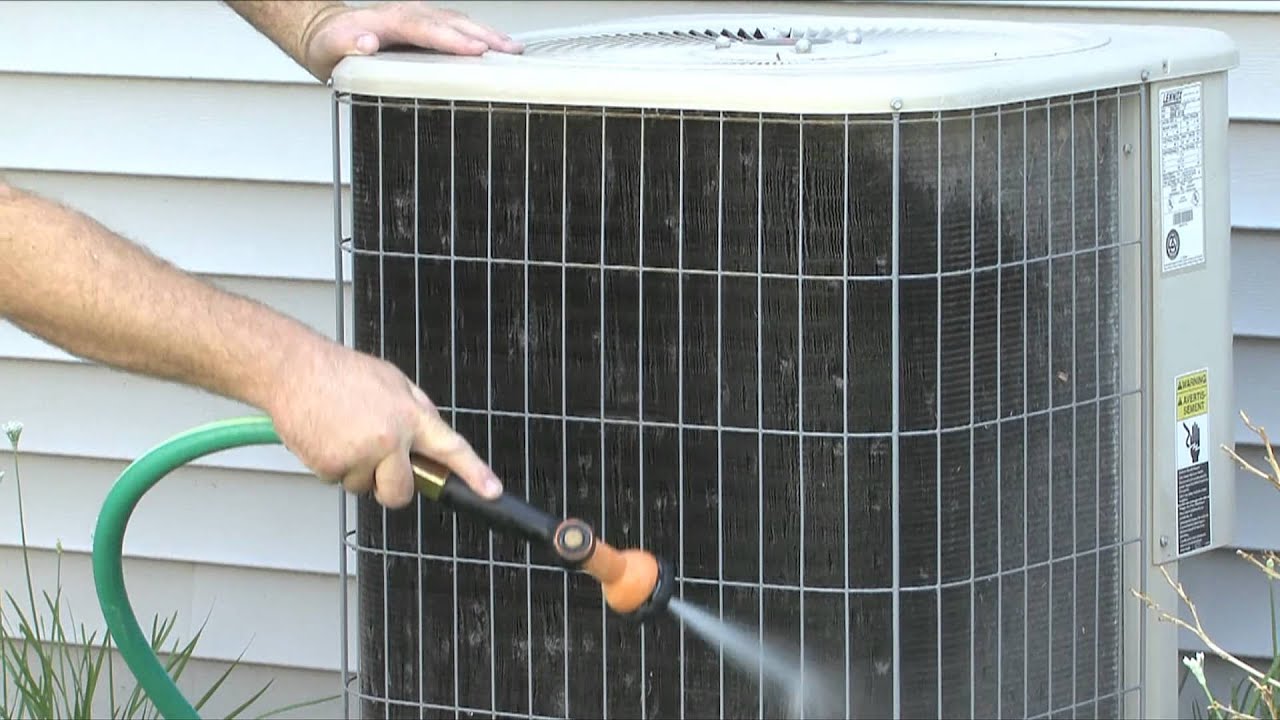
Solution: Clean the condenser coils regularly. Turn off the power to the unit and use a garden hose to gently wash away dirt and debris. Avoid using a pressure washer, as it can damage the delicate fins. Commercial coil cleaners are also available for tougher grime. Consider a professional cleaning service for optimal results.
Ductwork Issues
Leaky or poorly insulated ductwork can waste a significant amount of energy, allowing cooled air to escape before it reaches your living spaces. The Department of Energy estimates that duct leakage can account for up to 30% of energy loss in a typical home. This energy loss directly translates to higher energy bills and reduced cooling effectiveness.
Signs of ductwork problems:
- Uneven cooling throughout the house
- Dusty rooms
- Higher than expected energy bills
- Drafts near ductwork
Solution: Inspect your ductwork for leaks and damage. Seal any visible leaks with duct tape or mastic sealant. Consider insulating your ductwork, especially in unconditioned spaces like attics and crawl spaces. A professional ductwork inspection and sealing service can identify and address hidden leaks for optimal energy efficiency. Many utility companies offer rebates for duct sealing and insulation upgrades.
Blower Motor Problems
The blower motor is responsible for circulating air throughout your home. A malfunctioning blower motor can reduce airflow, leading to poor cooling performance. Problems can range from a faulty capacitor to a burned-out motor.
Signs of a blower motor problem:
- Weak airflow
- Unusual noises coming from the indoor unit
- AC not blowing air at all
- Blower motor not turning on
Solution: A faulty blower motor often requires professional repair or replacement. An HVAC technician can diagnose the problem and recommend the appropriate solution. Replacing the blower motor with a more energy-efficient model can further improve system performance.
Smart HVAC Integration for Enhanced Efficiency
Integrating smart technology into your HVAC system can provide greater control over your energy consumption and enhance cooling performance. Smart thermostats, sensors, and zoning systems offer numerous benefits:
Smart Thermostats
Smart thermostats learn your heating and cooling preferences and automatically adjust the temperature to optimize energy savings. They can be programmed with customized schedules, controlled remotely via smartphone, and even integrate with other smart home devices. Many smart thermostats have energy-saving features like geofencing (adjusting the temperature based on your location) and learning algorithms that adapt to your lifestyle. Energy Star-certified smart thermostats can save you up to 8% on your energy bills.
Smart Sensors
Smart sensors placed throughout your home can monitor temperature and humidity levels, providing valuable data to your smart thermostat. This allows for more precise temperature control and can help identify areas with poor insulation or air leaks. Some sensors can even detect occupancy and adjust the temperature accordingly, further optimizing energy savings.
Zoning Systems
Zoning systems divide your home into different temperature zones, allowing you to control the temperature in each zone independently. This can be particularly beneficial for homes with multiple stories or rooms with varying heating and cooling needs. Zoning systems can be integrated with smart thermostats and sensors for even greater control and energy efficiency. According to the Department of Energy, zoning systems can save homeowners up to 30% on their energy bills.
Energy Savings and ROI
Investing in energy-efficient HVAC solutions and smart technology can provide significant long-term cost savings. Here's a breakdown of the potential ROI:
- Energy-efficient AC systems: Upgrading to an Energy Star-certified AC system can reduce energy consumption by 20-40%, resulting in substantial savings on your monthly utility bills.
- Smart thermostats: As mentioned earlier, Energy Star-certified smart thermostats can save you up to 8% on your energy bills.
- Duct sealing and insulation: Addressing ductwork issues can reduce energy loss by up to 30%, resulting in significant savings.
- Government rebates and incentives: Many utility companies and government agencies offer rebates and incentives for energy-efficient HVAC upgrades and smart technology installations. Check with your local utility company and the Energy Star website for available programs.
The payback period for energy-efficient HVAC upgrades varies depending on the specific measures implemented and your local energy rates. However, the long-term savings and improved comfort make these investments worthwhile.
Conclusion
An AC that's not frozen but not cooling can be a frustrating problem, but understanding the potential causes and implementing the right solutions can restore your cooling comfort and save you money on energy bills. From addressing refrigerant leaks and cleaning coils to upgrading to energy-efficient equipment and integrating smart technology, there are numerous steps you can take to optimize your HVAC system's performance. Remember to consult with a qualified HVAC professional for expert advice and assistance.