Ac Still Running At Set Temperature
It's a frustrating scenario: Your air conditioner seems to be running constantly, even though the thermostat indicates it's reached the set temperature. You're left wondering why it's not cycling off, if you're wasting energy, and potentially damaging your AC unit. Before you panic, let's walk through some simple troubleshooting steps to diagnose and potentially fix the problem yourself. This guide will empower you to identify the root cause and decide when it's time to call in a professional.
Step 1: Initial Assessment – Is It *Really* Running Constantly?
Before diving into complex diagnostics, let's make sure we're dealing with a genuine issue. Sometimes, what seems like constant running is actually perfectly normal.
Verify the Thermostat Setting
First, double-check your thermostat setting. Is it set to "Cool" and at a temperature lower than the current room temperature? A common mistake is accidentally leaving the thermostat on "Fan Only," which will keep the blower running continuously, even if the AC isn't actively cooling. Make sure the system is in "Cool" mode and that the temperature setpoint is lower than the room's current temperature.
Check the Outdoor Temperature
On extremely hot days, your AC might indeed run for extended periods to maintain the set temperature. This is particularly true if your home is poorly insulated. A good question to ask yourself is "Is it exceptionally hot outside?" If the answer is yes, your AC may just be working hard to keep up. In these cases, monitoring your AC's performance over a few days with more moderate temperatures will help you determine if a real problem exists.
Observe the Cooling Performance
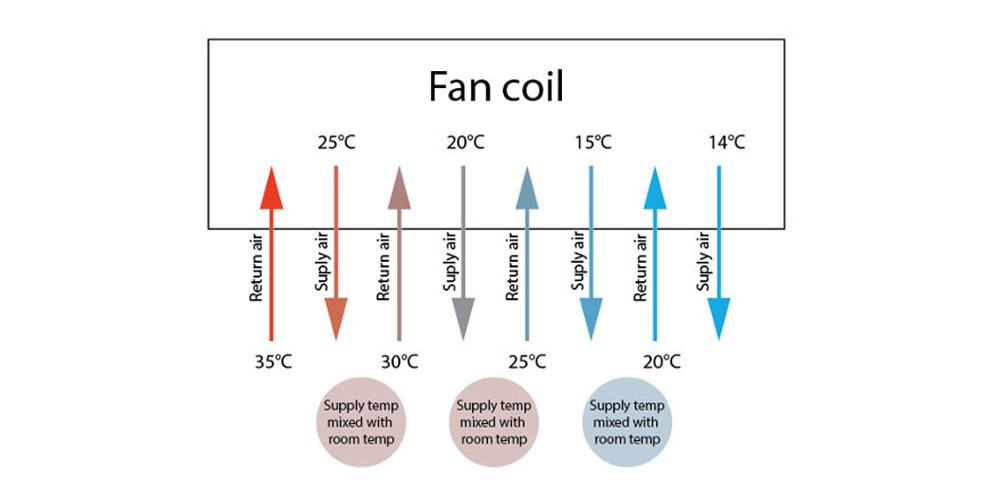
Even if the AC is running, is it actually cooling effectively? Place your hand near a supply vent. Is the air coming out cold? Use a thermometer to measure the air temperature coming out of the vent and compare it to the temperature of the air being drawn in by the return vent. A 15-20 degree difference indicates that the system is cooling efficiently, even if it is running longer than you expect. If it's not cooling well, move to step two.
Step 2: Airflow Obstructions – The Most Common Culprit
Restricted airflow is one of the most frequent reasons for an AC to run continuously. When airflow is reduced, the AC struggles to cool the air, leading to longer run times and potential overheating. Addressing airflow restrictions is a simple DIY task that can often resolve the issue.
Dirty Air Filter – The #1 Suspect
The air filter prevents dust, pollen, and other particles from entering your AC system. When it becomes clogged, it restricts airflow, forcing your AC to work harder and longer. Change your air filter regularly – ideally every 1-3 months, or more frequently if you have pets or allergies. This is the easiest and most impactful thing you can do to improve your AC's efficiency and longevity. The filter is usually located in a return air vent, often in a wall or ceiling. Check your owner's manual for the exact location.
Blocked Outdoor Unit
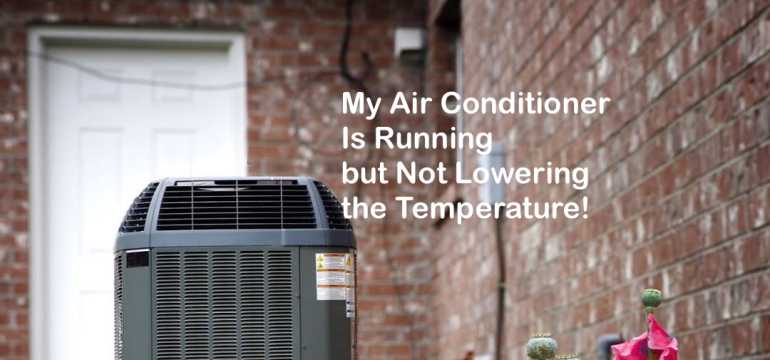
The outdoor unit (condenser) needs free airflow to dissipate heat. Check for obstructions around the unit, such as overgrown shrubs, leaves, or debris. Clear away anything within 2-3 feet of the unit on all sides. Make sure the fins on the outside of the unit are clean. You can use a garden hose (with a gentle spray) to rinse them off, spraying from the inside out. Be careful not to bend the fins.
Closed or Blocked Vents
Ensure that all supply vents (the ones blowing cold air) are open and unobstructed. Closing vents in unused rooms might seem like a good idea to conserve energy, but it can actually create pressure imbalances in your ductwork and reduce airflow to the rooms that need it most. Make sure furniture or curtains aren't blocking any vents.
Ductwork Issues
While a full ductwork inspection is best left to a professional, you can visually check for obvious problems. Look for disconnected or crushed ductwork in accessible areas, such as the attic or basement. If you find any, you can try to re-seal the connections with duct tape (though professional sealing is recommended for long-term effectiveness). However, if you suspect significant duct leakage or damage, calling an HVAC technician is the best course of action.
Step 3: Condenser Coil Issues – Cleaning for Better Cooling
The condenser coil, located in the outdoor unit, releases heat from the refrigerant. If the coil is dirty, it can't efficiently release heat, causing the AC to run longer.
Cleaning the Condenser Coils
Turn off the power to the AC unit at the breaker box before cleaning the coils! Use a fin comb (available at most hardware stores) to gently straighten any bent fins. Then, use a garden hose with a spray nozzle to wash the coils from the inside out. Be gentle and avoid using high pressure, which could damage the fins. Commercial coil cleaners are also available, but follow the instructions carefully.
Step 4: Thermostat Calibration and Placement – Accuracy Matters
An improperly calibrated or poorly placed thermostat can give inaccurate readings, causing your AC to run longer than necessary.
Thermostat Calibration
Some thermostats allow you to calibrate the temperature reading. Consult your thermostat's manual for instructions. If your thermostat consistently reads a temperature that's higher or lower than the actual room temperature, adjusting the calibration can help.
Thermostat Placement
The thermostat should be located in a central area of your home, away from direct sunlight, drafts, and heat sources (like lamps or appliances). A thermostat placed near a sunny window, for example, will register a higher temperature than the rest of the room, causing the AC to run longer.
Step 5: Refrigerant Leaks – A Job for the Pros
Refrigerant is the fluid that cools the air in your AC system. If there's a refrigerant leak, your AC won't cool effectively and will run continuously trying to reach the set temperature. Refrigerant leaks require professional attention.
Signs of a Refrigerant Leak
* AC running constantly but not cooling well * Ice forming on the refrigerant lines or evaporator coil * Hissing or bubbling sound coming from the AC unit * Higher than usual energy bills
If you suspect a refrigerant leak, turn off the AC and call a qualified HVAC technician immediately. Handling refrigerant is dangerous and requires specialized equipment and training.
Step 6: Electrical Issues – Proceed with Caution (Or Don't)
Electrical problems can sometimes cause an AC to malfunction and run continuously. However, electrical troubleshooting should only be attempted by individuals with experience and knowledge of electrical systems. If you're not comfortable working with electricity, call a qualified electrician or HVAC technician.
Check the Breaker
Start by checking the circuit breaker for your AC unit. Make sure it's not tripped. If it is, reset it. If the breaker trips repeatedly, there may be a short circuit or overload, which requires professional attention.
Capacitor Problems
Capacitors are electrical components that help start and run the AC's motor. A failing capacitor can cause the motor to run inefficiently or continuously. Identifying and replacing capacitors requires specialized knowledge and tools, and should only be done by a qualified technician.
When to Call a Professional
You've gone through the troubleshooting steps above, but your AC is still running constantly and not cooling properly. Here's when it's time to call a professional HVAC technician:
- You suspect a refrigerant leak.
- You have electrical problems or are uncomfortable working with electricity.
- You suspect a major component failure (e.g., compressor, motor).
- You've checked for and addressed airflow restrictions, but the problem persists.
- Your AC is old and nearing the end of its lifespan (typically 10-15 years).
A qualified HVAC technician can diagnose the problem accurately and perform the necessary repairs to get your AC running efficiently again. They can also advise you on whether it's more cost-effective to repair or replace your unit.
Preventative Maintenance is Key
The best way to avoid your AC running constantly is to perform regular preventative maintenance. This includes:
- Changing your air filter regularly.
- Cleaning the outdoor unit.
- Scheduling annual AC tune-ups with a qualified HVAC technician.
By taking good care of your AC system, you can extend its lifespan, improve its efficiency, and avoid costly repairs.
By following these troubleshooting steps, you can often identify and resolve the issue of an AC running constantly. Remember to prioritize safety and call a professional when needed. A little effort can save you money on your energy bills and ensure your AC keeps you comfortable all summer long. Good luck!