Ac Temperature Difference Between Return And Supply

One of the most crucial, yet often overlooked, indicators of your HVAC system's performance is the temperature difference between the return and supply air. This seemingly simple metric, often referred to as the Delta T, can reveal a wealth of information about your system’s efficiency and potential for energy savings. Understanding and optimizing this temperature difference is key for both homeowners and businesses looking to reduce energy consumption and lower their utility bills.
What is Delta T and Why Does it Matter?
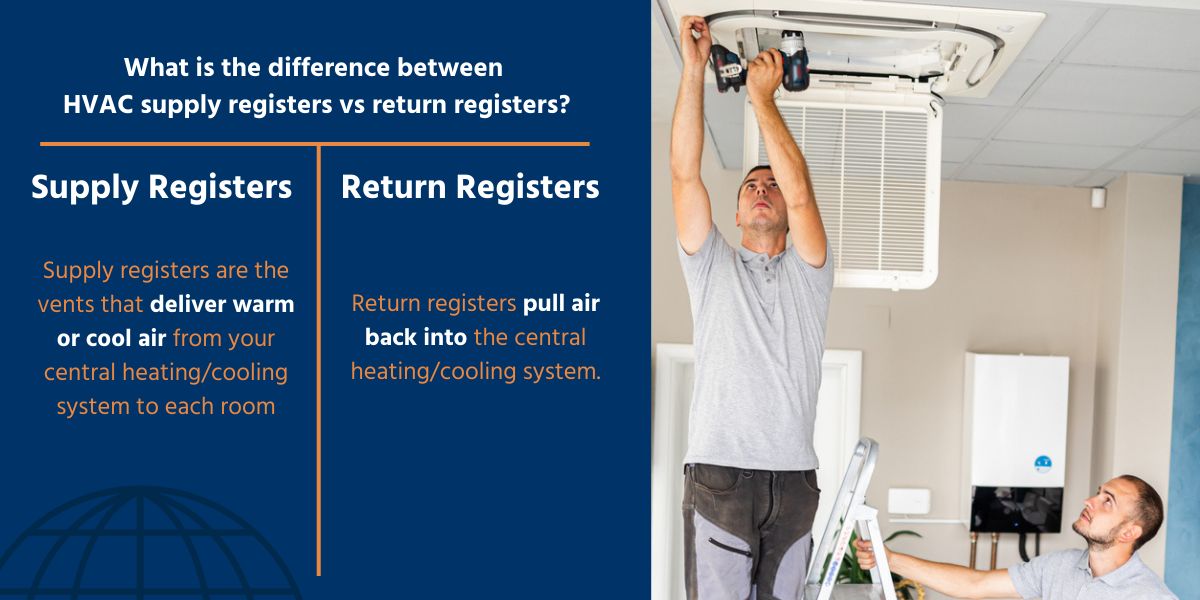
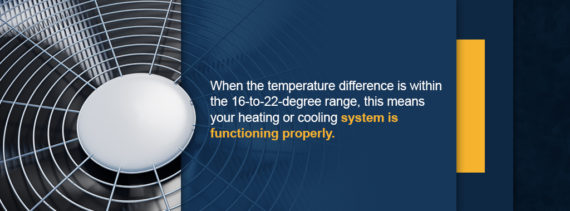
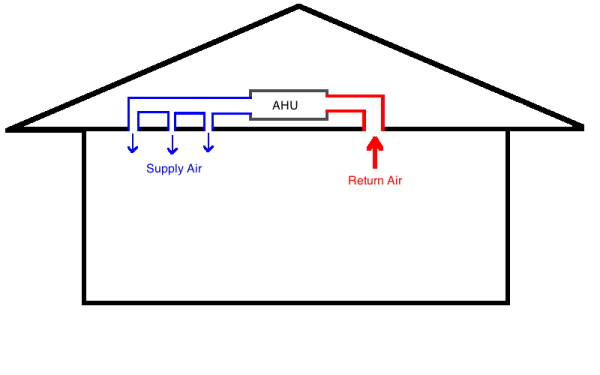
Delta T (ΔT) is the difference in temperature between the air entering your HVAC system through the return vents and the air exiting through the supply vents. Essentially, it measures how effectively your air conditioner or heat pump is transferring heat. A properly functioning system should have a specific Delta T range, typically between 15 and 20 degrees Fahrenheit (8-11 degrees Celsius). However, optimal ranges depend on the specific system and manufacturer's recommendations. Consult your HVAC system's documentation or a qualified technician for the ideal Delta T for your unit.
Why is this important? A Delta T outside the recommended range signals potential problems that can lead to:
- Increased Energy Consumption: An inefficient system has to work harder to achieve the desired temperature, resulting in higher energy bills.
- Reduced Cooling or Heating Capacity: The system may struggle to maintain a comfortable temperature, especially during peak demand periods.
- Premature System Failure: Overworked components are more likely to break down, leading to costly repairs or replacements.
Measuring the Delta T: A Step-by-Step Guide
Measuring the Delta T is a straightforward process, but requires some basic tools and attention to detail. Here’s how to do it:
- Gather your tools: You’ll need a reliable thermometer (digital thermometers are recommended for accuracy), a notepad, and a pen.
- Turn on your HVAC system: Set your thermostat to cool (or heat) and allow the system to run for at least 15 minutes to reach a steady state. This ensures accurate readings.
- Measure the return air temperature: Place the thermometer near a return vent. Ensure the thermometer is drawing in air from the return vent and not being influenced by ambient room temperature. Record the temperature.
- Measure the supply air temperature: Place the thermometer near a supply vent that is as far away from the air handler as possible. Record the temperature.
- Calculate the Delta T: Subtract the supply air temperature from the return air temperature. The result is your Delta T.
Example: If your return air temperature is 75°F and your supply air temperature is 57°F, your Delta T is 18°F (75 - 57 = 18).
Interpreting Your Delta T Readings
Once you have your Delta T reading, you need to understand what it means. Here's a general guide:
- Delta T Too Low (Less than 15°F): This indicates that your system isn't effectively removing heat from the air. Possible causes include:
- Low Refrigerant Levels: A refrigerant leak can significantly reduce cooling capacity.
- Dirty Air Filter: A clogged filter restricts airflow, reducing the system's efficiency.
- Dirty Evaporator Coil: Dust and debris on the evaporator coil hinder heat transfer.
- Oversized System: A system that is too large for the space can cool the air too quickly, resulting in a low Delta T. This is less about the temperature difference and more about short cycling which wastes energy and causes humidity issues.
- Delta T Too High (Greater than 20°F): This suggests that your system is struggling to move enough air across the evaporator coil. Potential causes include:
- Restricted Airflow: Clogged air filter, blocked vents, or undersized ductwork can restrict airflow.
- Dirty Condenser Coil: A dirty condenser coil prevents the system from rejecting heat effectively.
- Undersized System: A system that is too small for the space will run constantly and struggle to meet the cooling demand.
- Blower Motor Issues: A failing blower motor can reduce airflow.
- Delta T Within Range (15-20°F): While this indicates that your system is operating within the normal range, it doesn't guarantee peak efficiency. Regular maintenance is still crucial.
It's important to note that these are general guidelines. Always refer to your HVAC system's manufacturer specifications for the recommended Delta T range. If you are unsure, consult a qualified HVAC technician.
Troubleshooting Delta T Issues: DIY vs. Professional Help
Some Delta T issues can be resolved with simple DIY maintenance, while others require professional intervention.
DIY Solutions:
- Change Air Filter: A clogged air filter is one of the most common causes of Delta T problems. Replace your filter regularly (every 1-3 months, or more frequently if you have pets or allergies). Energy Star recommends checking your filter monthly.
- Clean Vents: Ensure that all supply and return vents are unobstructed by furniture, rugs, or other objects.
- Clean Condenser Coil: Use a fin comb and a garden hose (with a gentle spray nozzle) to clean the outdoor condenser coil. Be careful not to damage the fins.
When to Call a Professional:
- Refrigerant Leaks: Refrigerant leaks require specialized equipment and knowledge to repair.
- Evaporator Coil Cleaning: Cleaning the evaporator coil is a complex process that often requires removing it from the air handler.
- Blower Motor Issues: Diagnosing and repairing blower motor problems requires electrical testing and mechanical expertise.
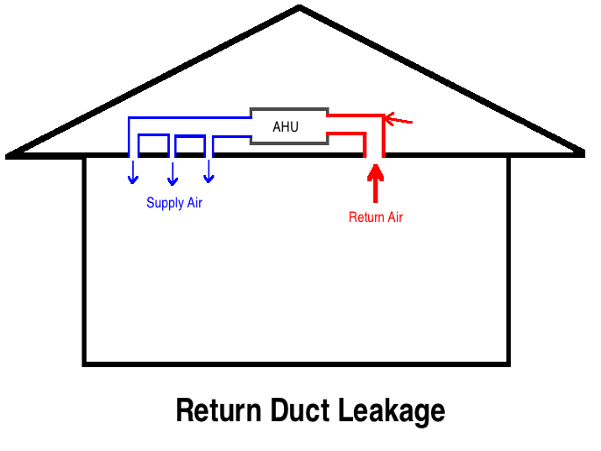
- Ductwork Issues: Leaks or undersized ductwork require professional inspection and repair.
- System Sizing Issues: Determining if your system is properly sized for your home or business requires a load calculation.
Optimizing Delta T for Energy Savings
Optimizing your Delta T is a key strategy for reducing energy consumption and lowering your utility bills. Here are some practical tips:
- Regular Maintenance: Schedule annual HVAC maintenance with a qualified technician. This will ensure that your system is operating at peak efficiency and identify potential problems before they escalate. A well-maintained system can improve efficiency by up to 30%, according to the U.S. Department of Energy.
- Air Sealing and Insulation: Properly sealing air leaks and insulating your home or business reduces the load on your HVAC system, allowing it to operate more efficiently. The EPA estimates that homeowners can save up to 15% on heating and cooling costs by properly sealing and insulating their homes.
- Smart Thermostats: Smart thermostats allow you to program your HVAC system to operate at different temperatures based on your schedule. This can significantly reduce energy consumption when you are away from home or asleep. Many smart thermostats also provide energy usage reports, allowing you to track your savings.
- Ductwork Inspection: Leaky ductwork can waste up to 20-30% of conditioned air. Have your ductwork inspected and sealed by a professional to improve efficiency.
- Consider a High-Efficiency System: If your HVAC system is old or inefficient, consider upgrading to a high-efficiency model. Look for systems with a high SEER (Seasonal Energy Efficiency Ratio) rating for cooling and a high HSPF (Heating Seasonal Performance Factor) rating for heating. Energy Star certified systems offer significant energy savings.
Integrating Delta T with Smart HVAC Systems
The rise of smart home technology has made it easier than ever to monitor and optimize your HVAC system's performance. Smart HVAC systems often incorporate sensors that can automatically track Delta T and alert you to potential problems. This data can be used to:
- Proactively identify issues: Receive alerts when your Delta T falls outside the optimal range, allowing you to address problems before they lead to costly repairs.
- Optimize system settings: Automatically adjust thermostat settings and fan speeds to maintain optimal Delta T and energy efficiency.
- Track energy usage: Monitor your energy consumption and identify areas where you can save money.
- Remotely monitor your system: Access real-time data about your HVAC system's performance from anywhere with an internet connection.
By integrating Delta T monitoring with smart HVAC systems, homeowners and businesses can take a proactive approach to energy management and maximize their savings.
Financial Incentives and Rebates
Many utility companies and government agencies offer rebates and incentives for energy-efficient HVAC upgrades. These incentives can significantly reduce the upfront cost of a new system and make it more affordable to invest in energy efficiency. Check with your local utility company and state energy office to see what incentives are available in your area. The Database of State Incentives for Renewables & Efficiency (DSIRE) is a comprehensive resource for finding rebates and incentives for energy efficiency.
Conclusion
Understanding and optimizing the Delta T of your HVAC system is a critical step towards reducing energy consumption and lowering your utility bills. By regularly monitoring your Delta T, performing basic maintenance, and considering smart HVAC solutions, you can ensure that your system is operating at peak efficiency and saving you money. Don’t underestimate the power of this simple measurement – it can be the key to unlocking significant energy savings and a more comfortable living or working environment. Remember to consult with a qualified HVAC professional for any complex issues or repairs. Investing in energy efficiency is not only good for your wallet but also for the environment.