Ac Unit Pipes Frozen
.jpg)
Frozen AC unit pipes are a common issue that can plague both residential and commercial HVAC systems, leading to reduced cooling capacity, potential system damage, and unnecessary expenses. Understanding the causes, symptoms, and solutions is crucial for homeowners, HVAC technicians, and facility managers alike. This article provides a comprehensive overview of frozen AC unit pipes, covering diagnostics, troubleshooting, prevention, and the long-term implications of neglecting this issue.
Understanding the Basics of AC Refrigerant Lines
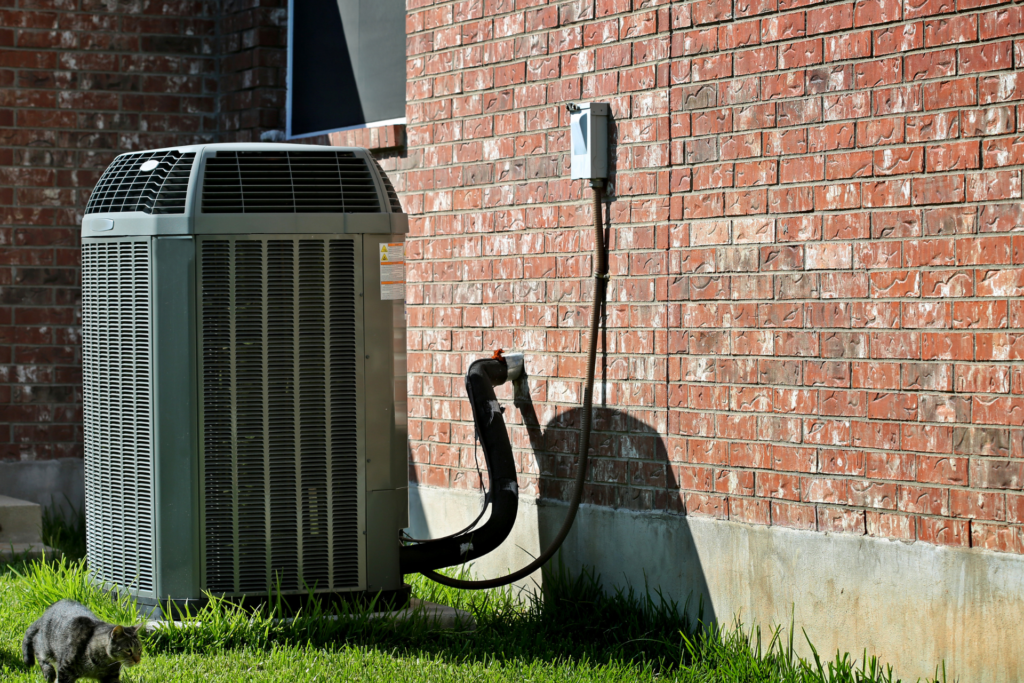
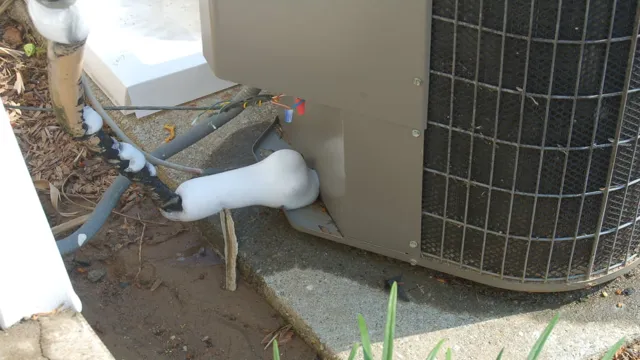
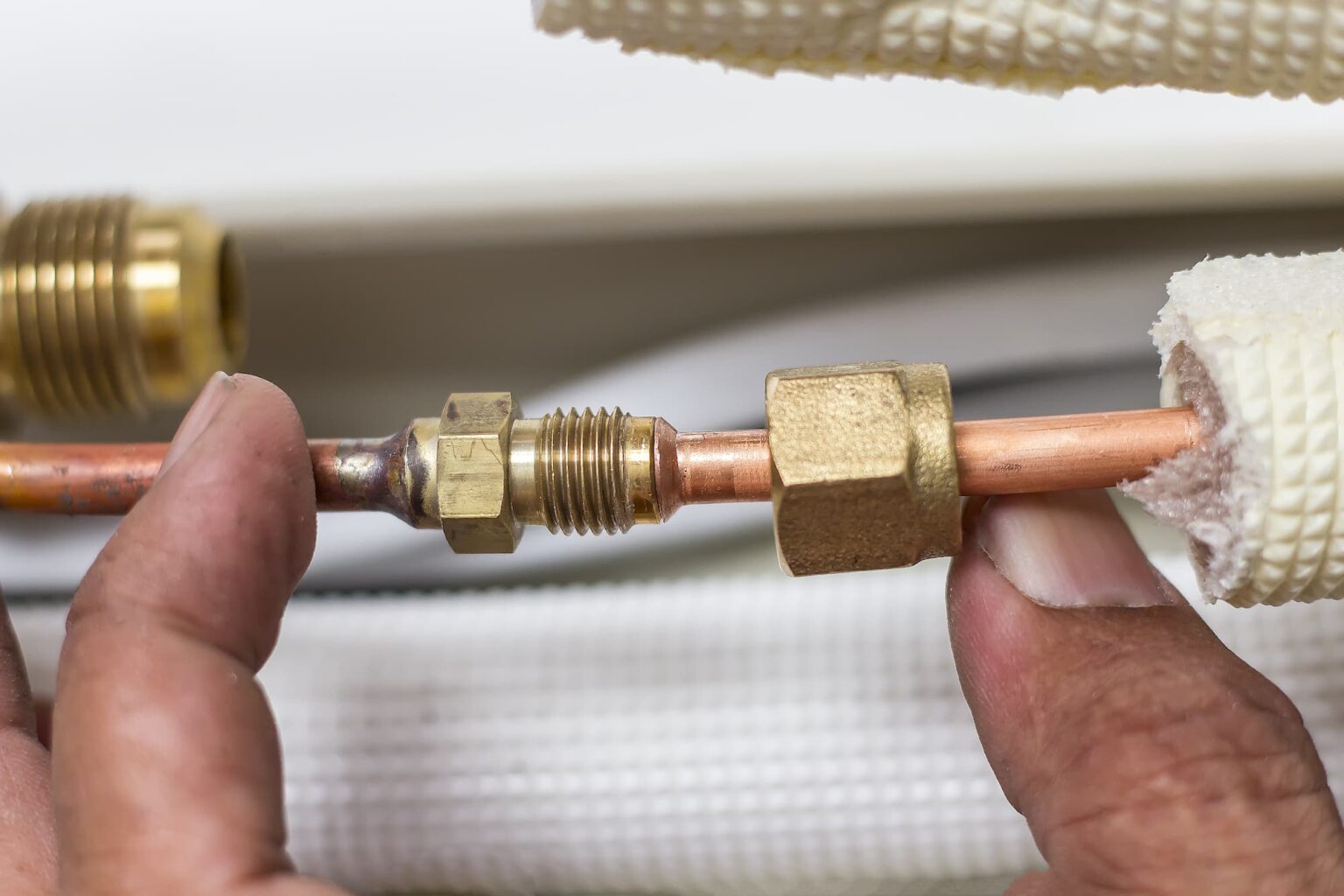
Before diving into the intricacies of frozen pipes, it's essential to understand the basic function of refrigerant lines within an air conditioning system. An AC unit typically has two main copper pipes connecting the outdoor condenser unit to the indoor evaporator coil, usually located within the air handler or furnace.
The larger, insulated pipe is the suction line (also called the low-pressure line or return line). This line carries cool, low-pressure refrigerant gas back to the compressor in the outdoor unit. The smaller, uninsulated pipe is the liquid line (or high-pressure line). This line carries warm, high-pressure liquid refrigerant from the condenser to the evaporator coil. Both lines play vital roles in the refrigeration cycle, where refrigerant absorbs heat from inside the building and releases it outside.
Symptoms of Frozen AC Unit Pipes
Identifying the early signs of frozen AC pipes is vital to preventing serious damage. Here are some common symptoms:
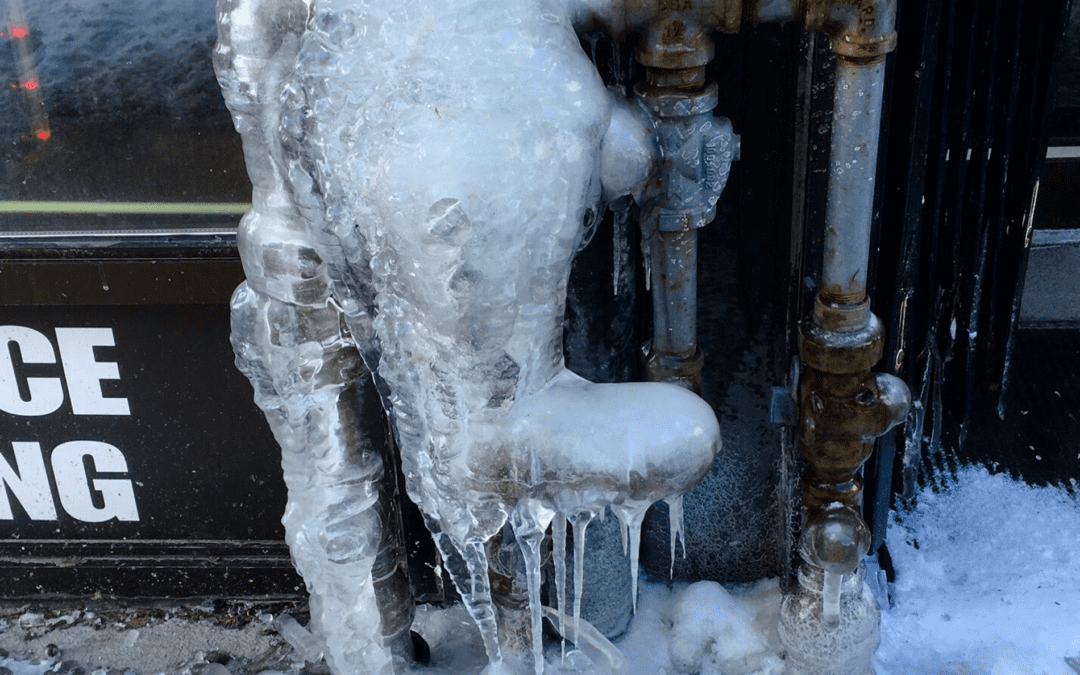
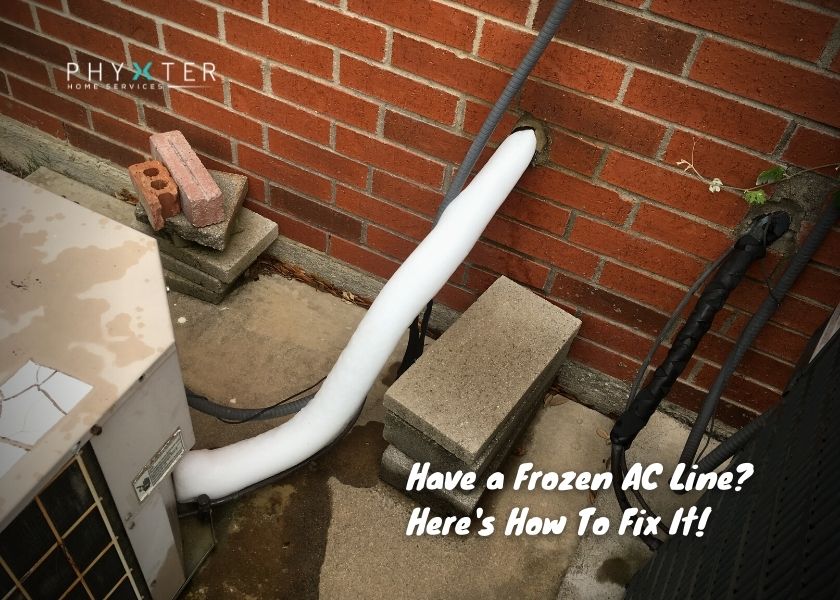
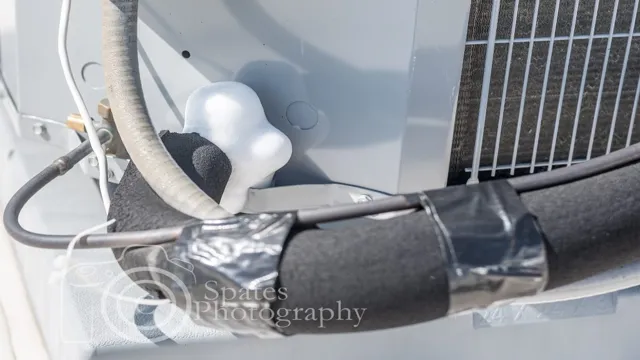
- Visible Ice Buildup: This is the most obvious sign. Look for ice forming on the suction line, evaporator coil, or even around the outdoor unit's service valves.
- Reduced Cooling: If your AC is running but the air coming from the vents is lukewarm or not as cool as usual, it could indicate a frozen evaporator coil restricting airflow and heat transfer.
- AC Unit Running Constantly: A frozen coil can impede the AC's ability to reach the set temperature, causing it to run continuously without cycling off. This increases energy consumption and puts strain on the system.
- Water Leaks: As the ice melts, it can cause water to overflow the drain pan, leading to leaks around the indoor unit or even water damage to ceilings and walls.
- Unusual Noises: You might hear gurgling or hissing sounds coming from the refrigerant lines, indicating restricted refrigerant flow.
Common Causes of Frozen AC Unit Pipes
Several factors can contribute to frozen AC pipes. Identifying the root cause is critical for effective troubleshooting and prevention:
Low Refrigerant Levels
Low refrigerant is arguably the most frequent culprit. Refrigerant acts as the heat transfer medium, and when its level is insufficient, the pressure in the evaporator coil drops. This causes the coil to become excessively cold, leading to ice formation. Leaks are the primary cause of low refrigerant, often occurring at fittings, valves, or damaged sections of the refrigerant lines. Locating and repairing these leaks should be handled by a qualified HVAC technician.
Restricted Airflow
Insufficient airflow across the evaporator coil can also lead to freezing. When airflow is reduced, the coil becomes too cold because it's not absorbing enough heat from the surrounding air. Common causes of restricted airflow include:
- Dirty Air Filter: A clogged air filter is the most common cause of airflow restriction. Replace your air filter regularly (typically every 1-3 months) to ensure adequate airflow.
- Blocked Vents: Ensure that all supply and return vents are open and unobstructed by furniture, rugs, or other objects.
- Dirty Evaporator Coil: Over time, dust and debris can accumulate on the evaporator coil, restricting airflow. A professional cleaning may be necessary.
- Faulty Blower Motor: A malfunctioning blower motor can reduce the volume of air circulating through the system.
- Ductwork Issues: Collapsed or damaged ductwork can impede airflow.
Low Ambient Temperatures
Running an AC unit when outdoor temperatures are too low (typically below 60°F or 15°C) can cause the refrigerant pressure to drop excessively, leading to ice formation. Most AC systems are not designed to operate efficiently in cold weather. If cooling is needed in low ambient conditions, special low-ambient control kits or specialized equipment should be installed.
Mechanical Issues
In some cases, mechanical problems with the compressor, expansion valve, or other components can disrupt the refrigeration cycle and cause freezing.
Troubleshooting and Solutions
Here's a breakdown of steps to take when dealing with frozen AC pipes:
- Turn Off the AC: Immediately turn off the AC unit to prevent further damage. Switch it to the "OFF" position, not just "FAN."
- Melt the Ice: Allow the ice to thaw naturally. You can speed up the process by turning on the fan (without the AC) to circulate warm air over the coil. Do not use sharp objects or direct heat to melt the ice, as this can damage the coil.
- Identify and Address the Cause: Once the ice has thawed, investigate the potential causes. Check the air filter, vents, and outdoor unit for obstructions. If you suspect a refrigerant leak or mechanical issue, contact a qualified HVAC technician.
- Replace the Air Filter: If the air filter is dirty, replace it with a new one of the correct size and MERV (Minimum Efficiency Reporting Value) rating.
- Professional Inspection: If the problem persists after addressing the obvious causes, schedule a professional inspection. An HVAC technician can diagnose the issue accurately, repair refrigerant leaks, clean the evaporator coil, and address any mechanical problems.
Prevention Tips
Preventing frozen AC pipes is always better than dealing with the consequences. Here are some preventive measures:
- Regular Maintenance: Schedule annual maintenance checks with a qualified HVAC technician. They can inspect the system, clean the coils, check refrigerant levels, and identify potential problems before they escalate.
- Change Air Filters Regularly: As mentioned earlier, replace air filters every 1-3 months, depending on the type of filter and usage.
- Keep Vents Clear: Ensure that all vents are open and unobstructed.
- Avoid Running AC in Cold Weather: If possible, avoid running the AC when outdoor temperatures are below 60°F (15°C). If cooling is necessary in cold weather, consider using alternative methods or installing low-ambient control systems.
- Monitor System Performance: Pay attention to the AC's performance. If you notice any signs of reduced cooling, unusual noises, or water leaks, address the issue promptly.
The Cost of Neglecting Frozen AC Pipes
Ignoring frozen AC pipes can lead to significant costs in the long run:
- Increased Energy Bills: A frozen coil reduces the AC's efficiency, causing it to run longer and consume more energy.
- System Damage: Continuous operation with a frozen coil can put undue stress on the compressor and other components, potentially leading to premature failure. Compressor replacements are expensive.
- Water Damage: Melting ice can cause water leaks that damage ceilings, walls, and flooring, leading to costly repairs.
- Mold Growth: Excess moisture can create a breeding ground for mold, which can pose health risks and require professional remediation.
Cost Considerations
The cost of resolving frozen AC pipe issues can vary depending on the cause and the extent of the damage. Here's a general breakdown:
- Air Filter Replacement: $5 - $30 (DIY)
- AC Coil Cleaning: $100 - $400 (Professional)
- Refrigerant Recharge: $200 - $800 (Professional)
- Leak Repair: $150 - $1000+ (Professional, depending on leak location and complexity)
- Compressor Replacement: $1500 - $4000+ (Professional)
Investing in regular maintenance and addressing minor issues promptly can save you significant money and headaches in the long run.
Conclusion
Frozen AC unit pipes are a common problem that can be prevented with proper maintenance and prompt attention. Understanding the causes, symptoms, and solutions is essential for homeowners, HVAC technicians, and facility managers. By following the tips outlined in this article, you can keep your AC system running efficiently and avoid costly repairs. Remember that refrigerant handling and complex repairs should always be performed by a qualified and licensed HVAC professional to ensure safety and compliance with regulations. Regular preventative maintenance, including filter changes and professional inspections, is the best investment for the longevity and performance of your air conditioning system. It's always better to catch a problem early than to deal with the expensive consequences of neglect. For example, replacing a dirty air filter every month is far more cost effective than having to replace a failed compressor due to overheating caused by restricted airflow. Consider a maintenance plan with a reputable HVAC company. These plans typically include annual inspections and cleanings, as well as discounts on repairs. Properly maintained HVAC systems not only provide reliable cooling but also contribute to improved indoor air quality and energy efficiency. This results in a healthier and more comfortable living or working environment while reducing overall operating costs. The choice of equipment and qualified technicians makes all the difference.