Ac Unit Tonnage Chart

Understanding AC Unit Tonnage: A Guide for Homeowners
Choosing the right size air conditioner for your home is crucial for comfort, energy efficiency, and the lifespan of your HVAC system. A key factor in determining the correct size is understanding AC unit tonnage. This guide will help you decipher what tonnage means, how to determine the appropriate tonnage for your home, and what can happen if you choose the wrong size.
What is AC Unit Tonnage?
Tonnage, in the context of air conditioning, isn't about the physical weight of the unit. Instead, it refers to the cooling capacity of the air conditioner. One ton of cooling capacity is defined as the amount of heat required to melt one ton (2,000 pounds) of ice in 24 hours. This translates to 12,000 BTUs (British Thermal Units) per hour. So, a 2-ton AC unit can remove 24,000 BTUs of heat per hour, and a 3-ton unit can remove 36,000 BTUs per hour.
Why is Tonnage Important?
Selecting the correct AC unit tonnage is vital for several reasons:
- Comfort: An appropriately sized unit will effectively cool your home and maintain a consistent temperature.
- Energy Efficiency: A correctly sized unit will run efficiently, saving you money on your energy bills. An oversized unit will cycle on and off too frequently, wasting energy, while an undersized unit will run constantly, struggling to cool the space and also using more energy.
- Humidity Control: Air conditioners remove humidity from the air as they cool. An oversized unit may not run long enough to adequately dehumidify your home, leading to a damp and uncomfortable environment.
- Equipment Longevity: Oversized units experience short cycling, putting unnecessary stress on the compressor and other components, potentially shortening the lifespan of your AC. Undersized units work harder, leading to premature wear and tear.
Determining the Right Tonnage for Your Home
While consulting with a qualified HVAC professional is always the best approach, you can get a preliminary estimate of the required tonnage by considering several factors:
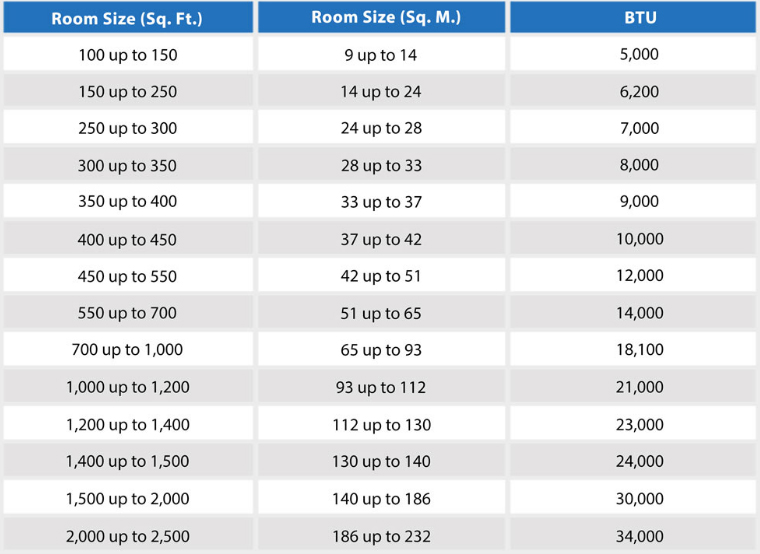
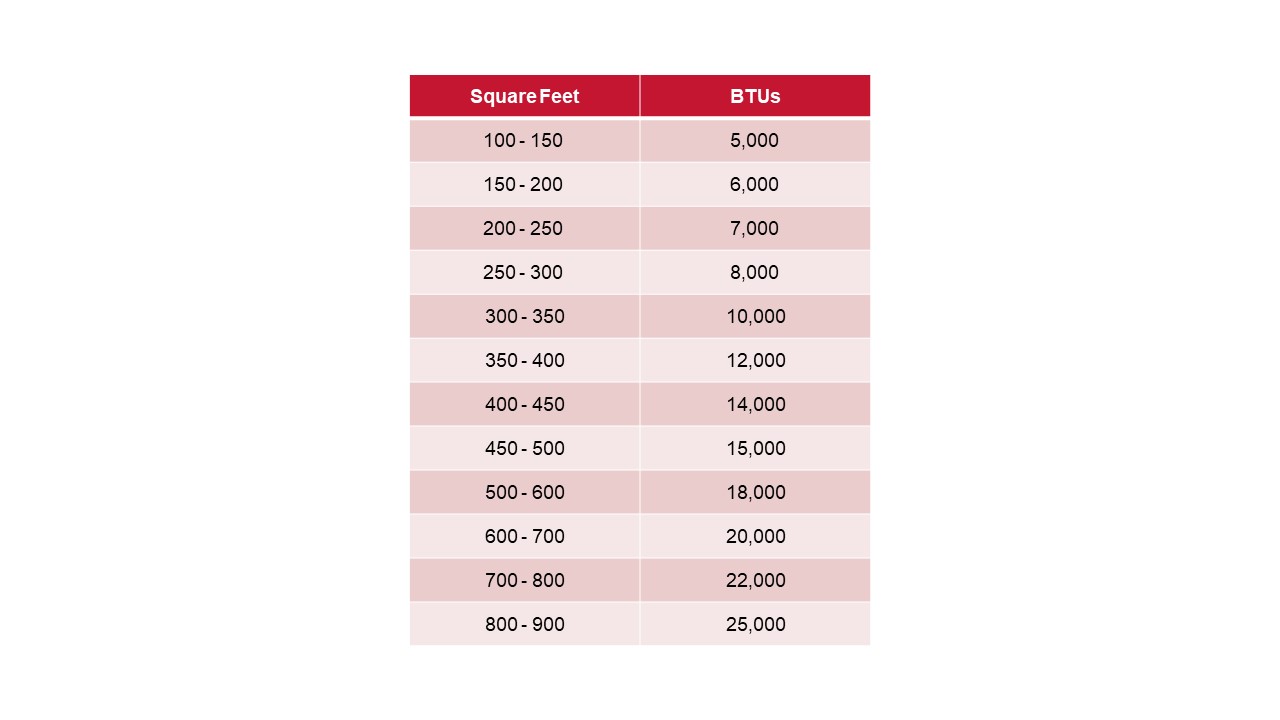
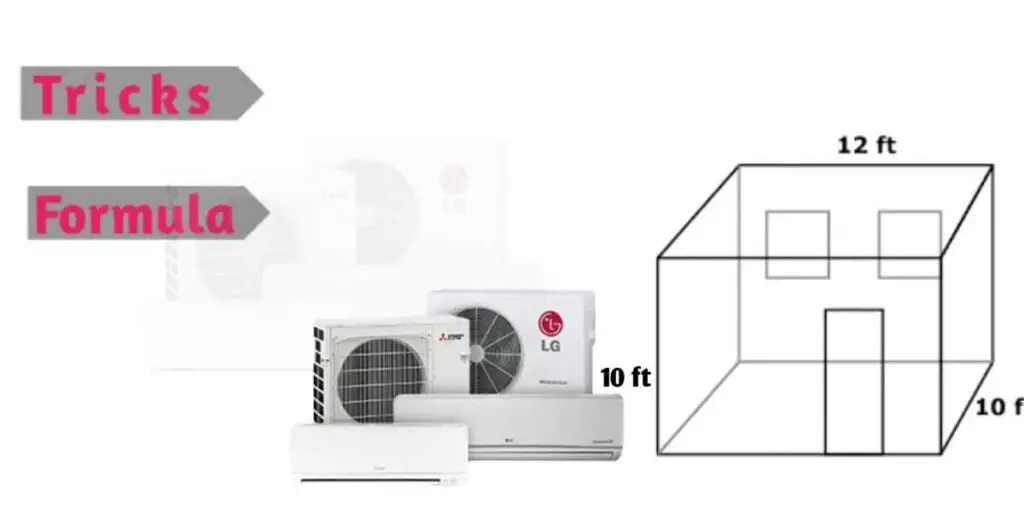
- Square Footage: A general rule of thumb is that one ton of cooling capacity is needed for every 400 to 600 square feet of living space. However, this is just a starting point.
- Climate: Homes in hotter climates will require more cooling capacity than those in milder climates.
- Insulation: Well-insulated homes require less cooling capacity than poorly insulated homes.
- Windows: The number and size of windows, as well as the type of glass used, affect heat gain.
- Sun Exposure: Homes with significant sun exposure will require more cooling capacity.
- Number of Occupants: More people generate more heat.
- Ceiling Height: Higher ceilings increase the volume of air that needs to be cooled.
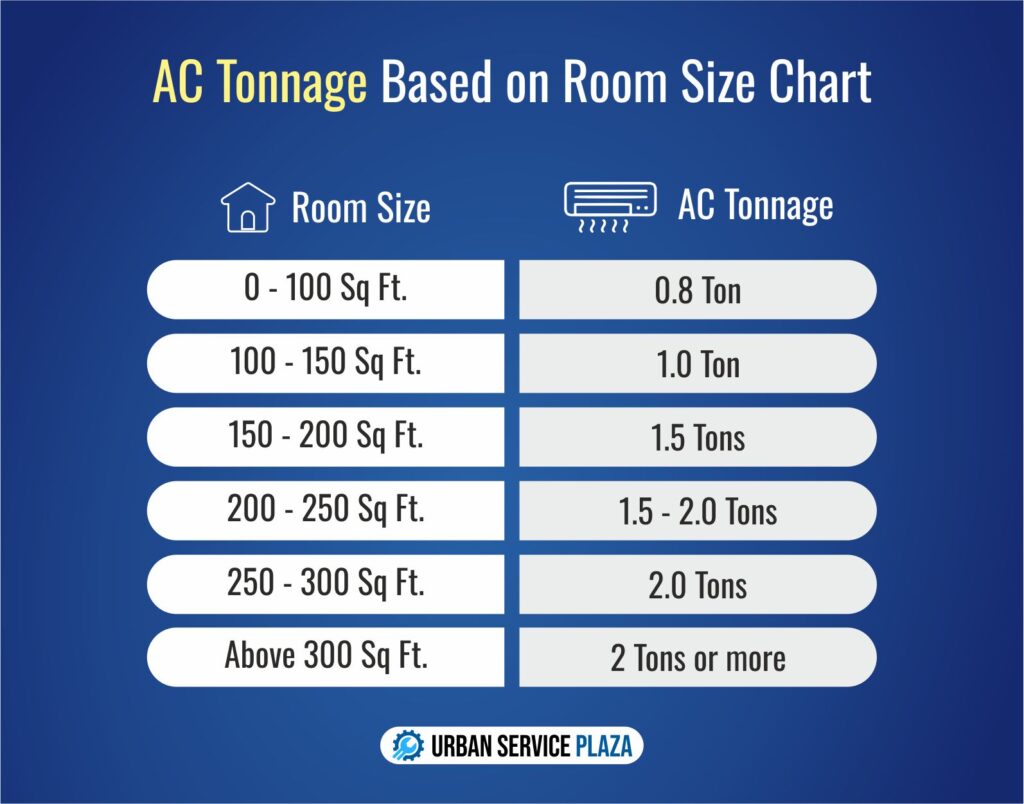
Tonnage Chart (Estimates):
| Square Footage | Approximate Tonnage |
|---|---|
| 600 - 900 sq ft | 1.5 Tons |
| 900 - 1200 sq ft | 2 Tons |
| 1200 - 1500 sq ft | 2.5 Tons |
| 1500 - 1800 sq ft | 3 Tons |
| 1800 - 2100 sq ft | 3.5 Tons |
| 2100 - 2400 sq ft | 4 Tons |
| 2400 - 2700 sq ft | 4.5 Tons |
| 2700 - 3000 sq ft | 5 Tons |
Important Note: This chart provides rough estimates only. A professional load calculation is essential for determining the precise tonnage needed for your home.
How to Find the Tonnage of Your Existing AC Unit
If you're replacing an existing AC unit, you can usually find the tonnage information on the unit's nameplate. This is a metal or plastic tag attached to the outdoor condenser unit. Look for a number followed by "BTU/H" or "Tons." If you see a number like "36,000 BTU/H," divide that number by 12,000 to get the tonnage (in this case, 3 tons).
Problems with Undersized AC Units
An undersized AC unit simply can't keep up with the cooling demands of your home. You might experience:
- Inconsistent temperatures: Some rooms may be cooler than others.
- Long run times: The unit may run constantly, especially on hot days.
- High energy bills: Continuous operation consumes more energy.
- Reduced comfort: Difficulty maintaining a comfortable temperature, especially during peak heat.
Problems with Oversized AC Units
While it might seem like bigger is better, an oversized AC unit can cause just as many problems:
- Short cycling: The unit turns on and off frequently, leading to temperature fluctuations.
- Poor dehumidification: Short cycles don't allow enough time for the unit to remove humidity effectively.
- Increased wear and tear: Frequent starts and stops put stress on the components.
- Higher energy bills: Short cycling is inefficient.
- Mold and mildew growth: Poor dehumidification can create a breeding ground for mold.
DIY Troubleshooting and Maintenance (With Caution!)
While complex AC repairs should always be left to the professionals, there are some basic DIY tasks you can perform to maintain your unit and potentially troubleshoot minor issues:
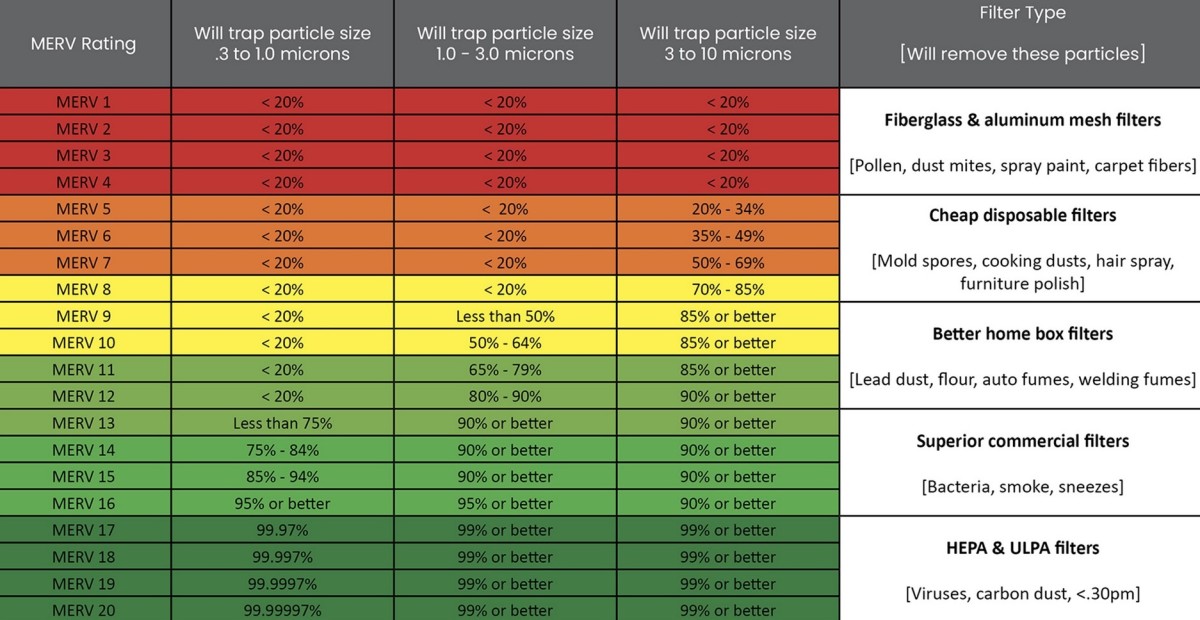
- Clean the air filter regularly: A dirty air filter restricts airflow, making your AC unit work harder. Check the filter monthly and replace it as needed (usually every 1-3 months).
- Clean the outdoor condenser unit: Remove any debris, such as leaves, grass clippings, and branches, that may be blocking airflow. You can use a garden hose to gently rinse the fins, but be careful not to damage them.
- Check the condensate drain line: A clogged drain line can cause water damage. Locate the drain line and check for any blockages. You can use a wet/dry vacuum to clear the line.
Safety First! Before performing any maintenance or troubleshooting, always turn off the power to the AC unit at the breaker box.
When to Call a Professional
While some minor maintenance can be done yourself, it's essential to know when to call a qualified HVAC technician. Consider professional assistance for:
- Refrigerant leaks: Handling refrigerant requires specialized equipment and training.
- Compressor issues: The compressor is the heart of the AC unit, and repairs are complex and potentially dangerous.
- Electrical problems: Working with electricity can be hazardous.
- Suspected ductwork issues: Leaky or damaged ductwork can significantly reduce efficiency.
- Unusual noises: Banging, hissing, or grinding sounds can indicate serious problems.
- If you are not comfortable performing the repair yourself.
Cost of Professional AC Services
The cost of AC services can vary depending on the type of repair, the complexity of the job, and your location. Here are some general cost estimates:
- AC Tune-up: $75 - $200
- Refrigerant Recharge: $150 - $500 (depending on the type and amount of refrigerant needed)
- Compressor Replacement: $800 - $2,500
- Ductwork Repair: $200 - $1,000+ (depending on the extent of the damage)
- AC Unit Replacement: $3,000 - $8,000+ (including installation)
Always get multiple quotes from reputable HVAC contractors before making a decision. Be sure to ask about their experience, licensing, and insurance.
The Importance of a Load Calculation
As mentioned earlier, the best way to determine the correct AC unit tonnage for your home is to have a professional load calculation performed. This involves a detailed assessment of your home's specific characteristics, including its size, insulation, windows, sun exposure, and climate. A load calculation will provide a more accurate estimate of your cooling needs than relying solely on square footage or a simple tonnage chart. Investing in a professional load calculation can save you money in the long run by ensuring you choose the right size AC unit for your home.
Choosing an Energy-Efficient AC Unit
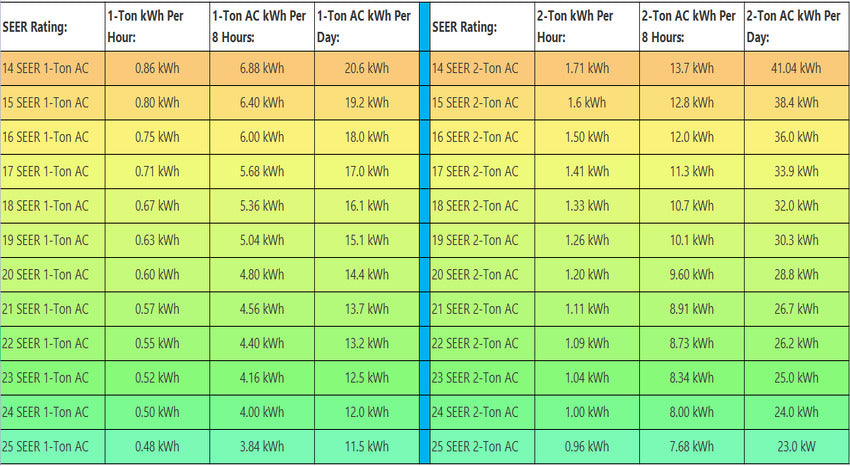
When replacing your AC unit, consider investing in an energy-efficient model. Look for units with a high SEER (Seasonal Energy Efficiency Ratio) rating. The higher the SEER rating, the more efficient the unit. Energy Star certified AC units meet or exceed minimum efficiency standards and can save you money on your energy bills. Newer units also can have variable speed compressors that can more accurately control the temperature of your home while saving you money.
Understanding AC unit tonnage is a vital step in ensuring your home is comfortable, energy-efficient, and that your HVAC system has a long lifespan. While DIY maintenance can help, always prioritize safety and consult with a qualified HVAC professional for complex repairs and to determine the correct tonnage for your home.