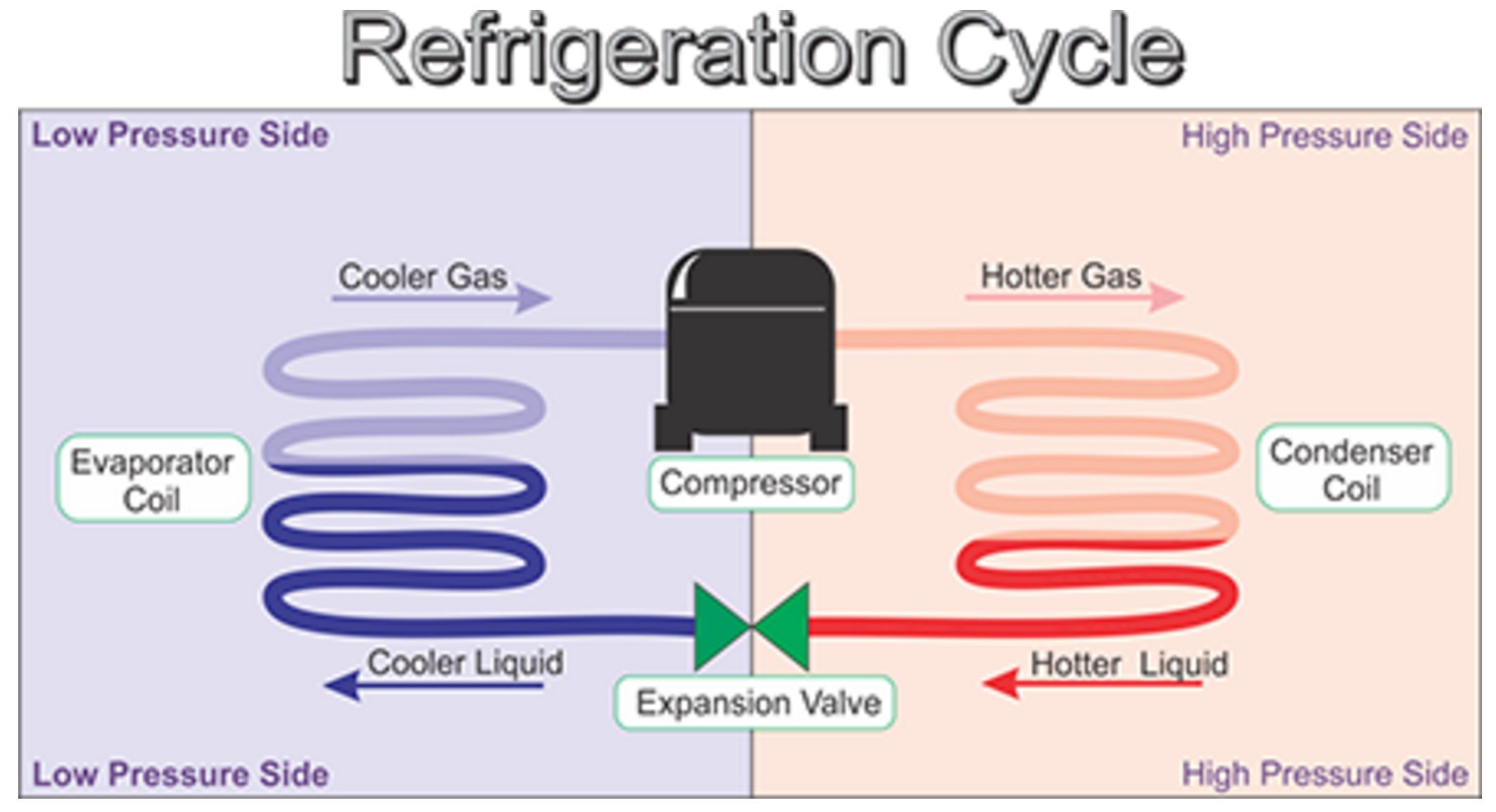
Acid Is Created Within A Refrigeration System When:
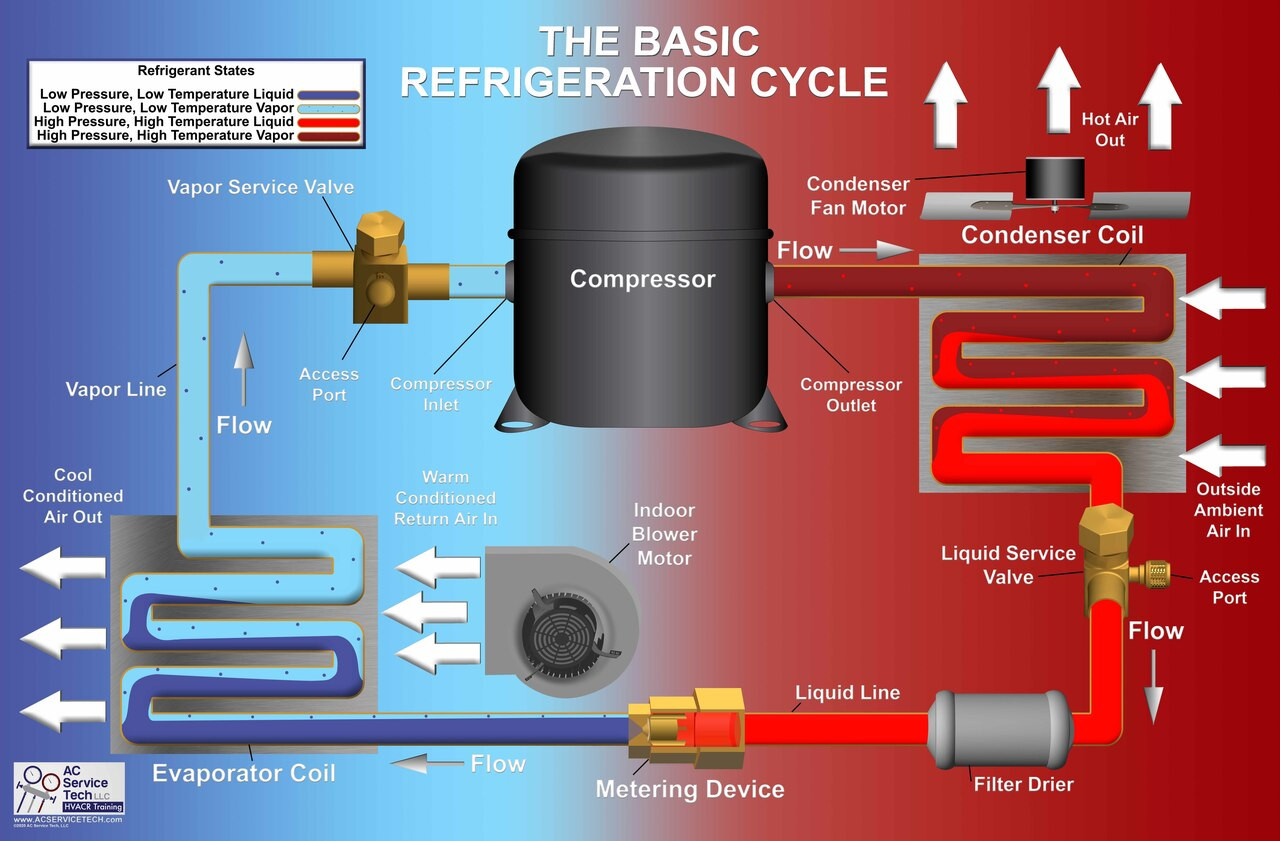
Understanding how acid forms within your home's refrigeration system – primarily your air conditioner or heat pump – is crucial for maintaining its efficiency and longevity. While refrigerant itself is stable, certain conditions can trigger chemical reactions that lead to the creation of harmful acids. Identifying the causes and taking preventative measures can save you significant repair costs down the road.
The Culprits: Conditions Leading to Acid Formation
Acid isn't spontaneously generated within a refrigeration system. It's a byproduct of chemical reactions gone wrong. Here are the primary culprits:
Moisture Contamination
This is, by far, the most common reason for acid formation. Refrigeration systems are designed to be closed, hermetic environments. Any ingress of moisture (water) sets the stage for trouble. Here's how:
- Hydrolysis: Refrigerant, particularly older types like HCFCs (R-22), can react with water in a process called hydrolysis. This reaction breaks down the refrigerant molecules and creates acids. Newer refrigerants, like HFCs (R-410A), are less susceptible to hydrolysis, but it can still occur, especially with significant moisture present.
- Oil Breakdown: The lubricating oil in your compressor is hygroscopic, meaning it readily absorbs moisture. Water contamination degrades the oil, reducing its lubricating properties and leading to friction and overheating. This further accelerates acid formation.
- Corrosion: Water promotes corrosion of internal components, releasing metal ions that act as catalysts, speeding up the breakdown of refrigerant and oil.
Sources of Moisture:
- Improper Evacuation: When installing a new system or servicing an existing one, the system must be thoroughly evacuated (vacuumed) to remove all air and moisture. A poor vacuum job leaves behind moisture.
- Leaks: Even tiny leaks can allow moisture-laden air to enter the system over time.
- Opening the System: Anytime the system is opened for repairs, moisture can enter if precautions aren't taken to quickly seal it back up.
Overheating
Excessive heat within the compressor significantly accelerates the breakdown of both refrigerant and oil. This is particularly true in the presence of moisture or contaminants.
- Compressor Overload: Running the compressor under excessive load (e.g., due to dirty filters, blocked condenser coils, or low refrigerant charge) causes it to overheat.
- Poor Ventilation: Insufficient airflow around the outdoor unit traps heat, raising the compressor temperature.
- Refrigerant Overcharge: While seemingly counterintuitive, overcharging a system with refrigerant can actually lead to overheating in some cases, as the compressor struggles to handle the excess liquid.
Contamination (Air, Debris)
Introducing air or other contaminants into the system can also trigger acid formation.
- Non-Condensables: Air is a non-condensable gas, meaning it doesn't condense into a liquid within the refrigeration cycle. Its presence raises system pressures and temperatures, contributing to oil and refrigerant breakdown.
- Debris: Metal shavings, dirt, or other debris introduced during repairs can act as catalysts for chemical reactions.
- Using the Wrong Oil: Always use the specified type of oil for your system. Mixing different oils can lead to incompatibility and breakdown.
Identifying Acid Formation: Warning Signs
Detecting acid early can prevent major damage. Here are some common symptoms:
- Compressor Failure: Acid attacks the compressor windings, leading to insulation breakdown and eventual motor failure. Frequent compressor cycling or a noisy compressor can be early indicators.
- Burned-Out Compressor: A dead compressor is often a sign of severe acid contamination.
- Black, Sludgy Oil: When the oil is drained, it may appear dark, thick, and sludgy, indicating significant degradation and acid buildup.
- Unusual Odors: A burnt or acrid smell emanating from the unit can indicate oil breakdown and acid formation.
- Reduced Cooling Performance: Acid can damage internal components, leading to reduced cooling capacity and higher energy bills.
- Capillary Tube/Expansion Valve Clogging: Acid and debris can clog these small orifices, restricting refrigerant flow.
DIY Checks and Preventative Measures (With Caution!)
While addressing acid formation often requires professional intervention, there are some DIY checks and preventative measures you can take:
- Regular Filter Changes: Clean air filters ensure proper airflow, preventing the compressor from overheating. Change them every 1-3 months, depending on usage and air quality.
- Clear Condenser Coils: Keep the outdoor unit free of debris, such as leaves, grass clippings, and dirt. Use a garden hose (with gentle pressure) to clean the coils periodically.
- Visual Inspection: Regularly inspect the system for any signs of leaks, such as oily residue around connections.
- Professional Maintenance: Schedule annual maintenance with a qualified HVAC technician. They can check refrigerant levels, test for leaks, and assess the overall health of the system.
Important Safety Note: Refrigerant handling is regulated and requires certification. Do not attempt to add or remove refrigerant yourself. Improper handling can be dangerous and illegal.
Addressing Acid Contamination: A Professional's Domain
Once acid is detected, it's crucial to address the problem promptly and thoroughly. This typically involves the following steps, which should be performed by a licensed HVAC technician:
- Acid Test: Using a refrigerant oil acid test kit, the technician will confirm the presence and severity of acid contamination.
- Refrigerant Recovery: The existing refrigerant is recovered and disposed of properly.
- System Flush: A special flushing solvent is used to clean the entire system, removing acid and debris. This is a critical step to prevent recurring problems. Some technicians may use specialized filter driers in conjunction with or in lieu of a full flush.
- Component Replacement: In severe cases, the compressor, filter drier, and other contaminated components may need to be replaced.
- Vacuum and Recharge: The system is thoroughly evacuated to remove any remaining moisture and then recharged with fresh refrigerant and the correct type of oil.
- Acid Neutralizer: In some cases, the technician might use an acid neutralizer added to the refrigerant to help prevent future acid formation.
Estimated Repair Costs
The cost of addressing acid contamination can vary significantly depending on the severity of the problem and the extent of repairs required. Here's a general cost breakdown:
- Acid Test: $75 - $150
- System Flush and Recharge: $300 - $800 (depending on system size and refrigerant type)
- Filter Drier Replacement: $150 - $300
- Compressor Replacement: $800 - $2500 (including labor and refrigerant)
- Full System Replacement: $3000 - $10000 (if the system is severely damaged)
These are just estimates, and the actual cost may vary depending on your location and the specific HVAC contractor you choose. Always get multiple quotes before committing to any repairs.
Prevention is Key
The best way to avoid the headache and expense of acid contamination is to prevent it from occurring in the first place. Regular maintenance, proper installation and repair procedures, and prompt attention to any warning signs are crucial for keeping your refrigeration system running smoothly and efficiently for years to come.
Remember: When in doubt, consult a qualified HVAC professional. They have the expertise and tools to diagnose and repair complex refrigeration system problems safely and effectively.
By understanding the causes of acid formation and taking preventative measures, you can protect your investment and ensure your home stays cool and comfortable.