Adding A Gas Line To A House
Adding a Gas Line to Your Home: A Comprehensive Guide
Upgrading your home's heating and cooling system can significantly improve comfort and efficiency. For many, natural gas offers a cost-effective and reliable energy source. However, if your home doesn't currently have a gas line, installing one is a necessary first step. This guide will walk you through the process, considerations, and costs associated with adding a gas line to your house.
Why Consider Adding a Gas Line?
Several benefits can arise from adding a gas line, especially if you're considering a new gas furnace, water heater, or other appliances. Here's a breakdown:
- Cost Savings: In many regions, natural gas is cheaper than electricity or propane, potentially leading to lower utility bills.
- Efficiency: Gas furnaces often boast higher AFUE (Annual Fuel Utilization Efficiency) ratings compared to electric alternatives.
- Performance: Gas appliances typically provide faster and more consistent heating than electric models.
- Increased Home Value: Having a gas line can be an attractive feature for potential buyers, potentially increasing your home's resale value.
Is Adding a Gas Line Right for You? Assessing the Pros and Cons
Before committing, carefully weigh the advantages and disadvantages:
Pros:
- Lower Operating Costs: As mentioned, natural gas can be cheaper than electricity, leading to long-term savings.
- Faster Heating: Gas furnaces and water heaters provide rapid heating, quickly restoring comfort.
- Increased Appliance Options: Access to gas opens up a wider range of appliance choices, including high-efficiency furnaces, tankless water heaters, and gas stoves.
- Reliability: Natural gas supplies are generally reliable, even during power outages (for appliances without electrical components).
Cons:
- Initial Investment: Installing a gas line can be a significant upfront expense.
- Safety Concerns: Gas leaks can pose serious risks. Proper installation and regular maintenance are crucial.
- Environmental Impact: While cleaner than some fossil fuels, natural gas is still a greenhouse gas contributor.
- Permits and Inspections: Gas line installations require permits and inspections to ensure safety and compliance with local codes.
The Gas Line Installation Process: A Step-by-Step Guide
Adding a gas line involves several key steps:
- Consultation and Planning: A qualified HVAC contractor or gas company representative will assess your property, determine the best route for the gas line, and provide a cost estimate.
- Permit Acquisition: You (or your contractor) will need to obtain the necessary permits from your local municipality.
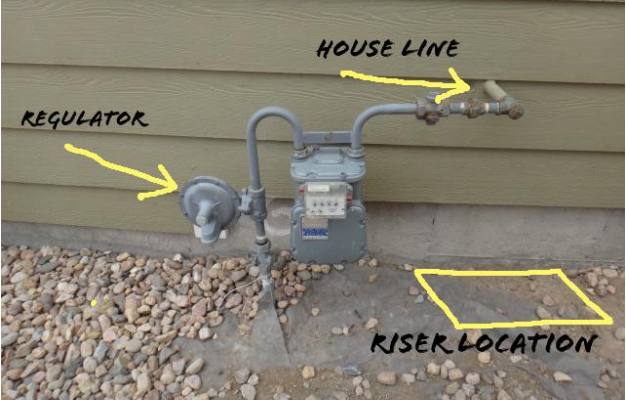
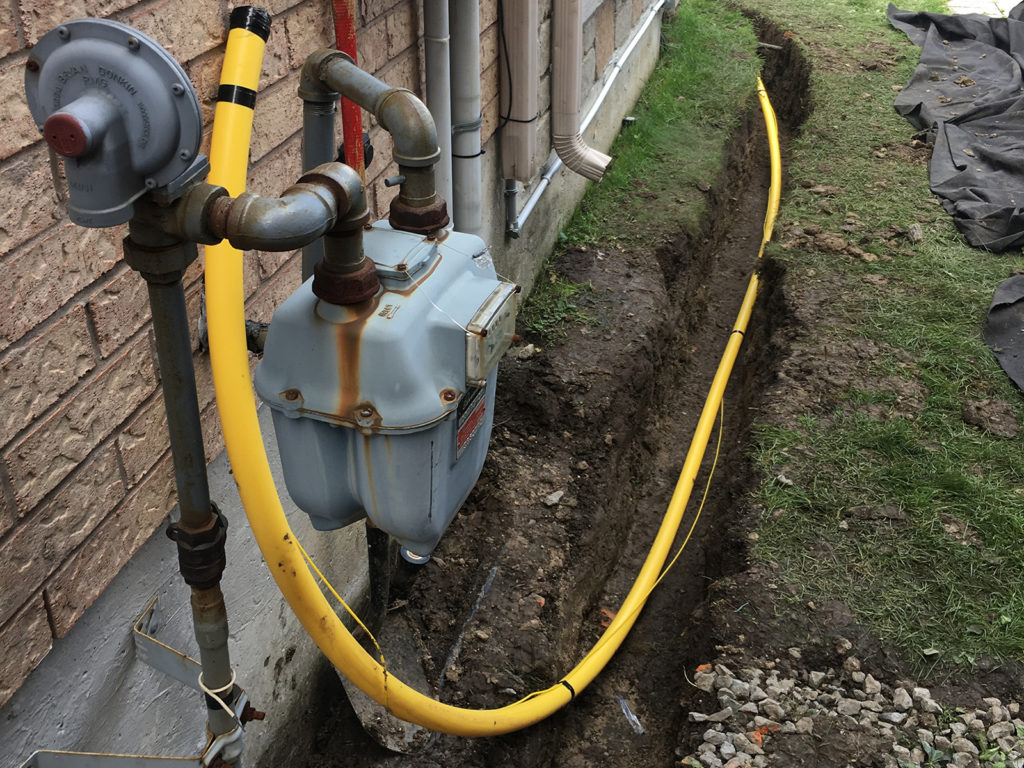
- Trenching and Pipe Laying: A trench will be dug from the main gas line to your home. The gas line (typically made of polyethylene or steel) will be laid in the trench.
- Connection to the Main Line: A qualified technician will tap into the main gas line and connect your new line. This often requires a temporary gas shut-off in the area.
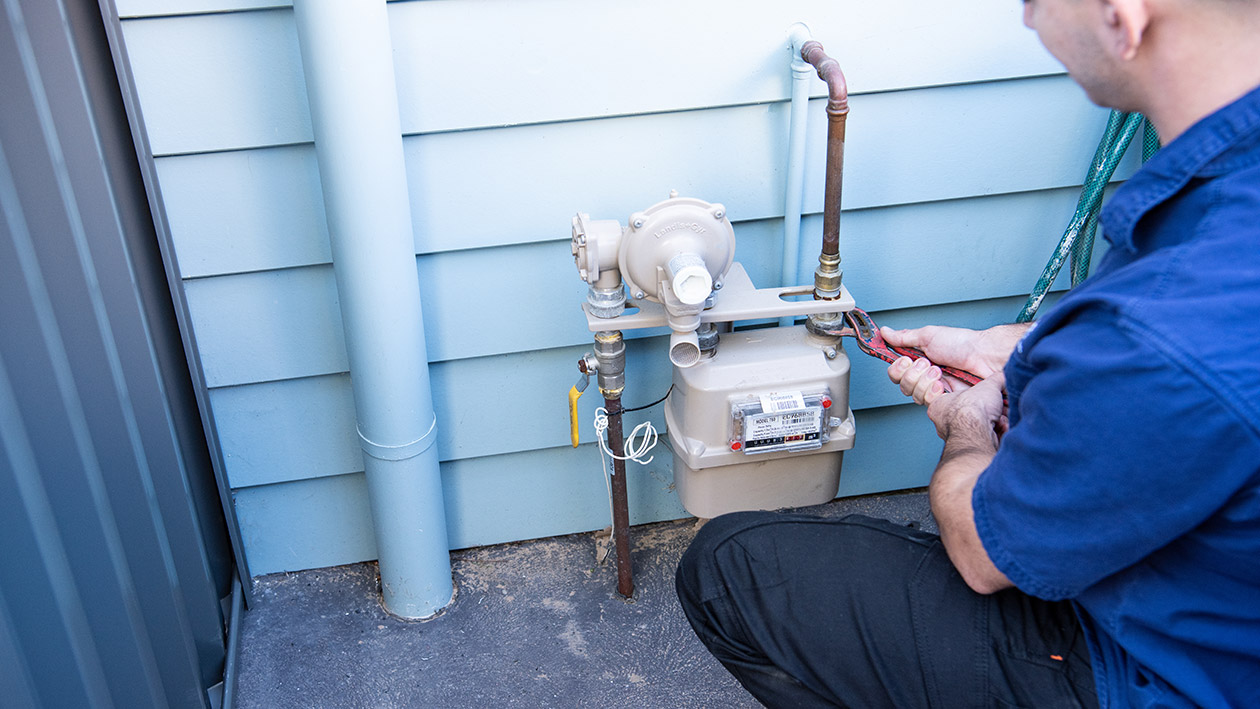
- Meter Installation: A gas meter will be installed to measure your gas consumption.
- Connection to Appliances: The gas line will be connected to your furnace, water heater, or other gas appliances.
- Pressure Testing and Inspection: The gas line will be pressure-tested to ensure there are no leaks. A building inspector will then inspect the installation to ensure it meets code requirements.
- Restoration: The trench will be backfilled, and the ground will be restored to its original condition.
Cost Factors: What to Expect
The cost of adding a gas line can vary significantly depending on several factors:
- Distance to the Main Line: The farther your house is from the main gas line, the more expensive the installation will be.
- Trenching Difficulty: Obstacles like rocks, trees, or existing underground utilities can increase trenching costs.
- Permit Fees: Permit fees vary by municipality.
- Labor Costs: Labor rates vary by region and contractor.
- Materials: The type and amount of pipe used will affect the overall cost.
Generally, you can expect to pay anywhere from $500 to $2,000 or more to add a gas line to your home. It's crucial to obtain multiple quotes from reputable contractors to get an accurate estimate.
Choosing the Right HVAC System: Gas Furnace Considerations
Once you have a gas line, you can explore your options for gas furnaces. Here are some key considerations:
- AFUE Rating: Look for furnaces with a high AFUE rating. An AFUE of 90% or higher indicates a very efficient furnace.
- BTU Capacity: The British Thermal Unit (BTU) capacity of the furnace should be appropriately sized for your home's square footage and climate. An undersized furnace won't effectively heat your home, while an oversized furnace can lead to short cycling and reduced efficiency.
- Features: Consider features like variable-speed blowers, modulating gas valves, and smart thermostats for enhanced comfort and efficiency.
- Brand Reputation: Research different furnace brands and read reviews to find a reliable and reputable manufacturer.
Popular Gas Furnace Brands and Models: A Comparison
Several brands offer high-quality gas furnaces. Here are a few popular options:
- Carrier: Carrier is known for its innovative technology and high-efficiency furnaces. The Carrier Infinity 98, for example, boasts an AFUE of up to 98.5%.
- Lennox: Lennox offers a range of furnaces with varying efficiency levels and features. The Lennox SLP98DF is a top-of-the-line model with an AFUE of up to 98.7%.
- Trane: Trane is a well-respected brand known for its durable and reliable furnaces. The Trane XV95 offers an AFUE of up to 97%.
- Goodman: Goodman provides more affordable options without sacrificing quality. The Goodman GMVM97 offers an AFUE of up to 98%.
When comparing models, consider the AFUE rating, BTU capacity, features, warranty, and overall cost. Consult with a qualified HVAC contractor to determine the best furnace for your specific needs.
Warranties and Maintenance: Protecting Your Investment
A solid warranty is essential for protecting your investment in a new furnace. Most manufacturers offer limited warranties on parts and labor. Be sure to read the warranty carefully to understand the coverage and any limitations.
Regular maintenance is crucial for keeping your furnace operating efficiently and reliably. Schedule annual tune-ups with a qualified HVAC technician. Maintenance tasks may include:
- Cleaning or replacing air filters.
- Inspecting and cleaning the blower motor.
- Checking the gas pressure and connections.
- Inspecting the heat exchanger.
- Testing the safety controls.
Proper maintenance can extend the life of your furnace and prevent costly repairs.
Alternatives to Gas Furnaces: Exploring Other Options
While gas furnaces offer several advantages, they may not be the best choice for every home. Consider these alternatives:
- Heat Pumps: Heat pumps are an efficient way to both heat and cool your home. They transfer heat from the outside air (or ground) into your home in the winter and vice versa in the summer. Look for models with high SEER (Seasonal Energy Efficiency Ratio) and HSPF (Heating Seasonal Performance Factor) ratings.
- Electric Furnaces: Electric furnaces are a simpler and often less expensive alternative to gas furnaces, but they typically have higher operating costs.
- Propane Furnaces: Propane furnaces are similar to gas furnaces but use propane as fuel. They may be a good option if natural gas is not available.
The best heating and cooling system for your home will depend on your specific needs, budget, and location. Consult with an HVAC professional to determine the most suitable option.
Safety First: Gas Line Safety Precautions
Gas leaks can be dangerous. Familiarize yourself with these safety precautions:
- Smell of Gas: If you smell gas, immediately evacuate your home and call your gas company or 911 from a safe location.
- Carbon Monoxide Detectors: Install carbon monoxide detectors on every level of your home and test them regularly.
- Regular Inspections: Schedule regular inspections of your gas line and appliances with a qualified technician.
- Proper Ventilation: Ensure that your gas appliances are properly vented to the outside.
Conclusion: Making an Informed Decision
Adding a gas line to your home can be a worthwhile investment, especially if you're looking to upgrade your heating and cooling system. By carefully considering the pros and cons, understanding the installation process, and choosing the right HVAC equipment, you can enjoy the benefits of natural gas while ensuring your safety and comfort. Remember to work with qualified professionals and obtain all necessary permits and inspections.