Adding Wood Chips To Smoker

Frequently Asked Questions About Adding Wood Chips to Your Smoker
Smoking food is a fantastic way to add incredible flavor and create memorable meals. One of the key components of successful smoking is understanding how to use wood chips effectively. This FAQ addresses common questions to help you master this essential skill.
Q: What kind of wood chips should I use for smoking?
Choosing the right wood chips depends largely on the type of food you're smoking and the flavor profile you desire. Different woods impart different flavors. Here’s a basic guide:
- Hickory: Strong, bacon-like flavor. Excellent for pork, ribs, and beef.
- Mesquite: Intense, earthy flavor. Best for beef brisket, steak, and dark meats. Use sparingly, as it can be overpowering.
- Apple: Sweet, mild flavor. Great for pork, poultry, and even cheese.
- Cherry: Slightly sweet and fruity. Works well with poultry, pork, and beef. Adds a beautiful reddish hue to the meat.
- Pecan: Nutty and mild. Good for ribs, poultry, and beef. A versatile choice.
- Oak: Medium-strong flavor, not overpowering. A good all-around choice for beef, pork, and lamb.
- Alder: Very mild flavor, slightly sweet. Ideal for salmon and other seafood.
Experiment! Don’t be afraid to try different wood chip combinations to find your favorite flavor profiles. Avoid using softwoods like pine or fir, as they contain resins that can create acrid smoke and ruin your food.
Q: Do I need to soak my wood chips before smoking?
The question of soaking wood chips is a long-standing debate in the smoking world. Here’s a breakdown of the arguments:
Arguments for Soaking:
- Slower Burning: Soaked chips are thought to burn slower and produce more smoke.
- Extended Smoke Time: The idea is that the moisture prolongs the smoking process.
Arguments Against Soaking:
- Steam, Not Smoke: Soaking wood chips doesn’t necessarily make them burn slower. Instead, the water needs to evaporate first, creating steam. This steam can hinder the initial smoking process and potentially make your food taste bitter.
- Inconsistent Results: The moisture content of soaked chips can vary, leading to inconsistent smoke production.
The Verdict: For most smokers, soaking wood chips is not necessary and is often discouraged. The brief period of steam production doesn't contribute significantly to the overall smoke flavor, and can even negatively impact it. Instead, focus on maintaining a consistent temperature and adding dry wood chips as needed throughout the smoking process.
However, if you are using a very hot smoker, or are using very small wood chips, a brief soak (30 minutes) might slow the initial burn rate slightly and prevent them from immediately catching fire. This is more of a troubleshooting technique than a standard practice.
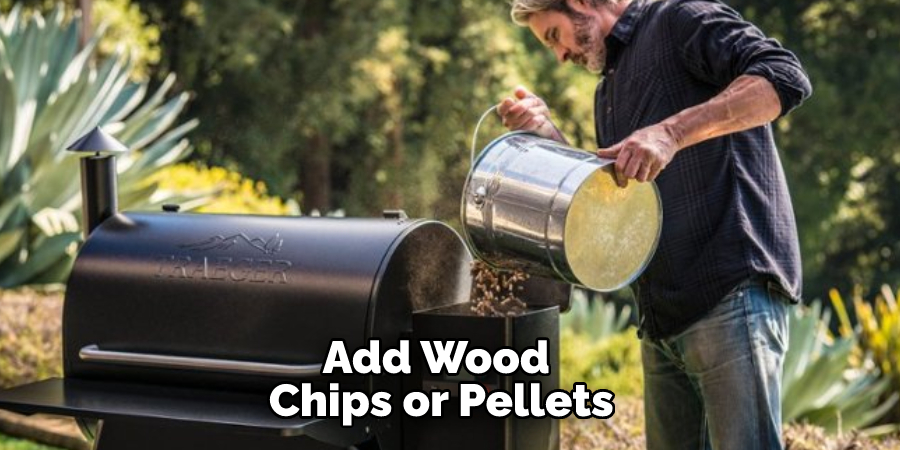
Q: How do I add wood chips to my smoker?
The method for adding wood chips depends on the type of smoker you're using:
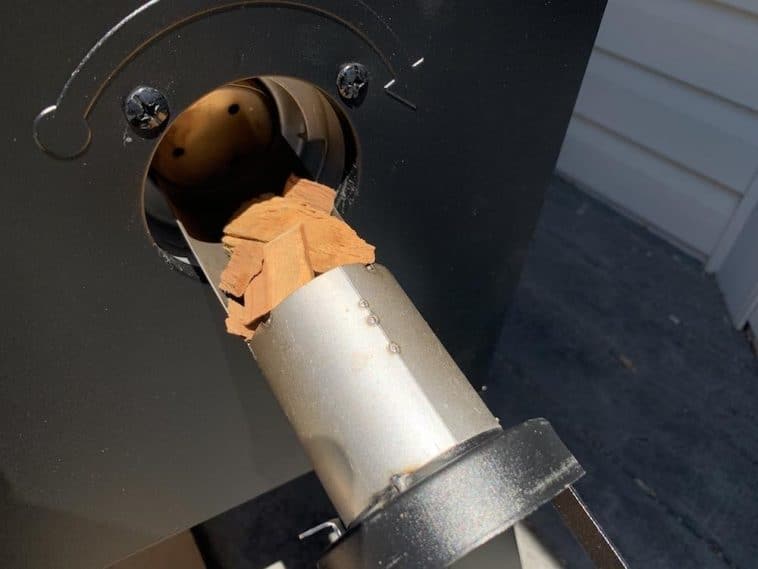
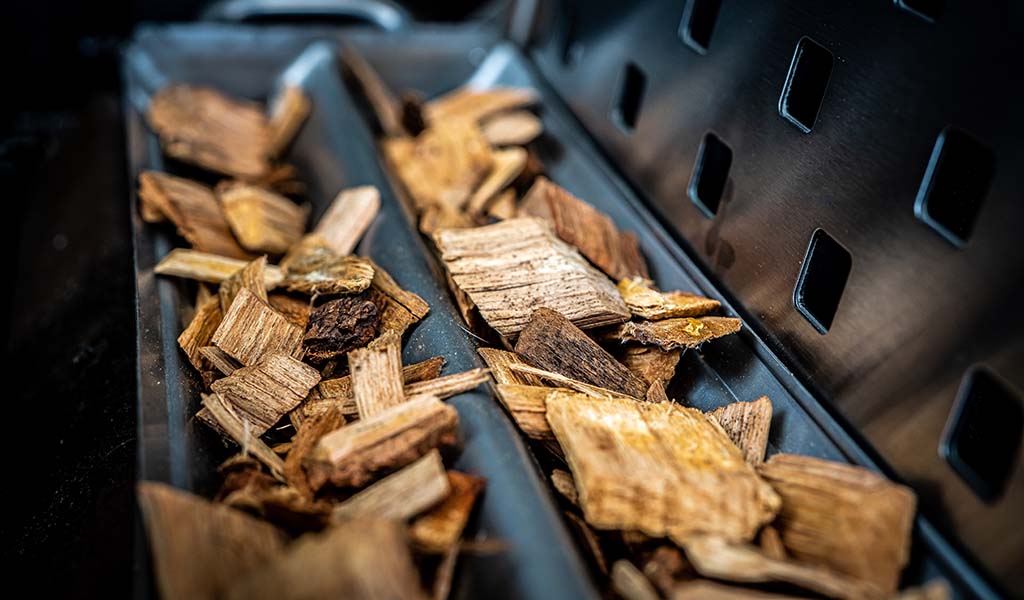
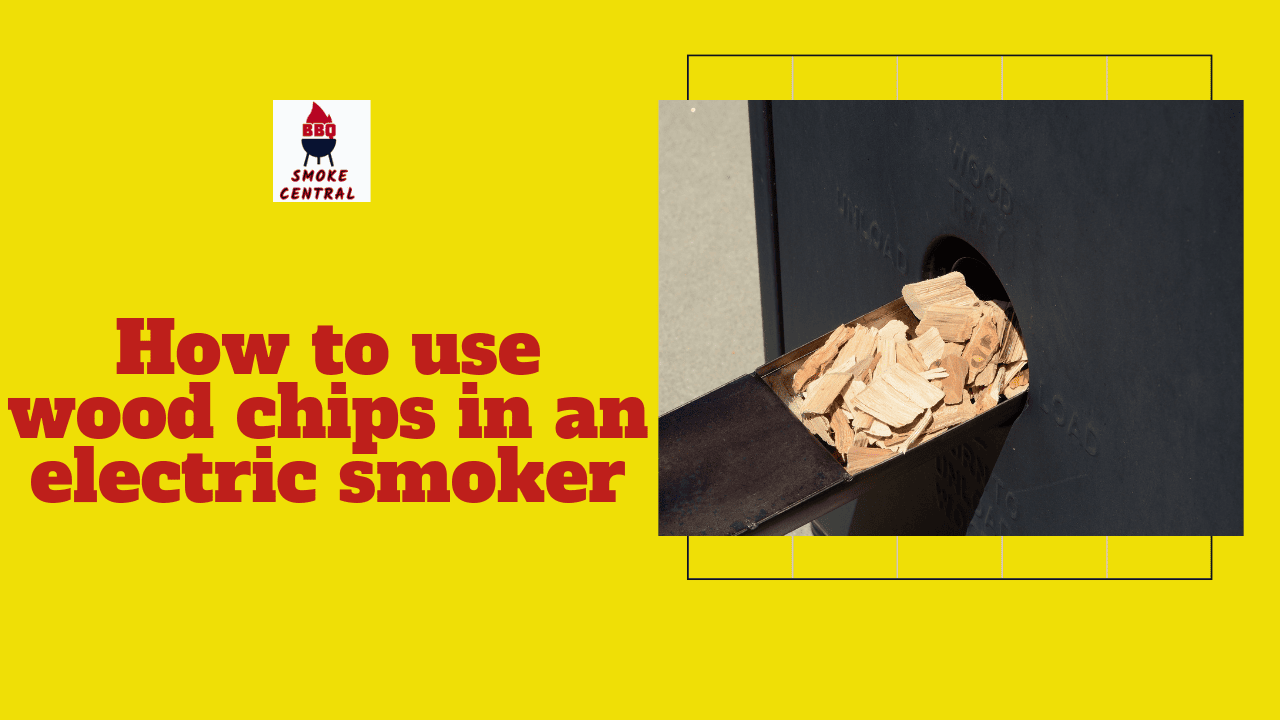
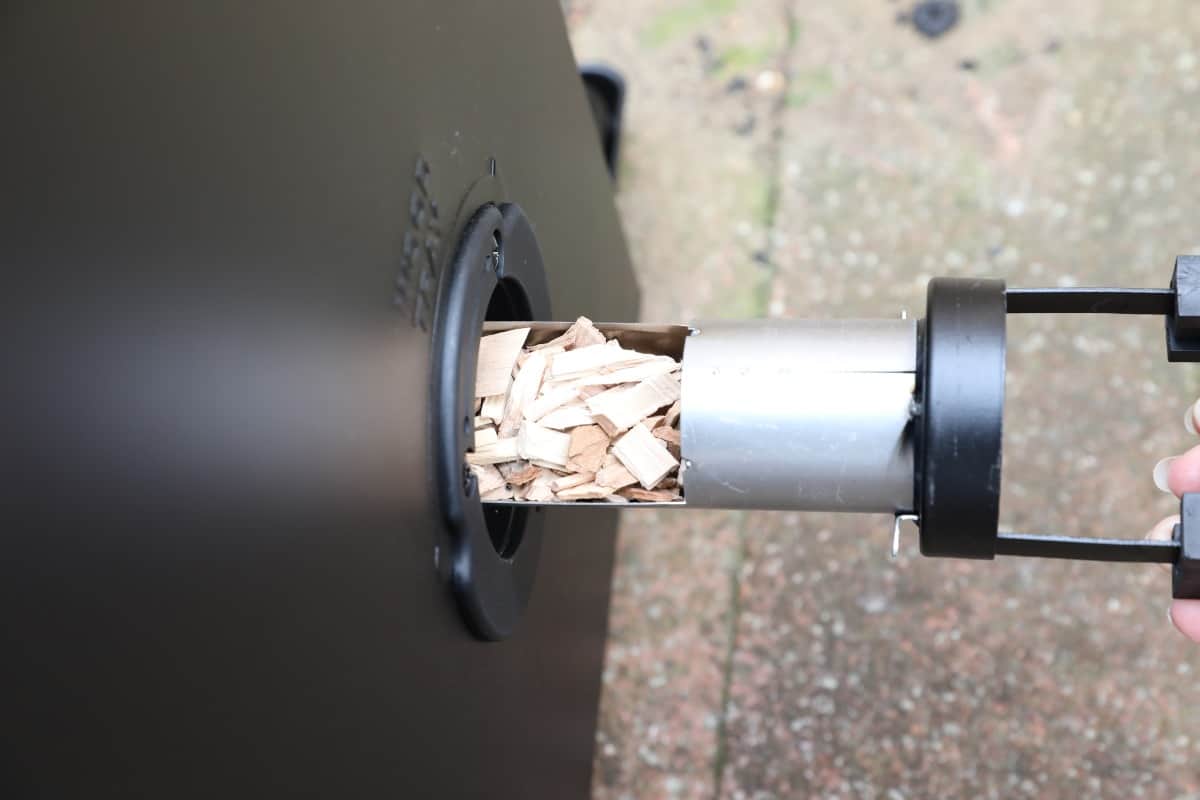
- Electric Smokers: Most electric smokers have a dedicated wood chip tray or box. Simply add the wood chips to this tray according to the manufacturer's instructions. It's generally best to fill the tray loosely rather than packing it tightly.
- Propane Smokers: Similar to electric smokers, propane smokers often have a wood chip box or tray located near the burner. Fill the tray as directed. Some models may allow you to use a cast iron skillet or foil packet filled with wood chips placed directly over the burner.
- Charcoal Smokers (Offset): For offset smokers, you can add wood chips directly to the hot coals in the firebox. Start with a few handfuls and add more as needed to maintain a consistent smoke. You can also use wood chunks for a longer burn time.
- Charcoal Smokers (Kamado/Egg): With kamado-style smokers, you can mix wood chips or chunks directly into the charcoal bed before lighting. This provides a slow and even release of smoke. Alternatively, you can add wood chunks to the hot coals during the smoking process.
- Pellet Smokers: Pellet smokers use wood pellets, not chips. The hopper automatically feeds pellets into the burner, so you don't need to add them manually during the cooking process. Make sure your hopper is full before starting the smoke.
Avoid overloading the smoker with wood chips. Too much smoke can result in a bitter or acrid flavor. Start with a moderate amount and adjust as needed to achieve the desired smoke level.
Q: How often should I add wood chips to my smoker?
The frequency of adding wood chips depends on the type of smoker, the desired smoke level, and the type of wood you're using. Here are some general guidelines:
- Electric and Propane Smokers: Check the wood chip tray every 30-60 minutes and replenish as needed. The chips should be smoldering and producing a steady stream of smoke. If they are burning too quickly, reduce the heat slightly or try using wood chunks instead of chips.
- Charcoal Smokers (Offset): Add wood chips or chunks every 30-45 minutes to maintain a consistent smoke. You'll need to monitor the fire closely and adjust the airflow to control the burn rate.
- Charcoal Smokers (Kamado/Egg): Depending on the size of the smoker and the amount of wood you used initially, you may not need to add any more wood chips during the entire smoking process. However, if you notice the smoke diminishing, you can add a few chunks directly to the coals.
Pay attention to the color of the smoke. You want a thin, bluish smoke. Thick, white smoke indicates incomplete combustion and can impart a bitter flavor to your food. If you see thick white smoke, adjust the airflow to improve combustion.
The total time you smoke your food will depend on the size of the food, its temperature and the effect you are hoping to achieve.
Q: Can I use wood chunks instead of wood chips? What's the difference?
Yes, you can absolutely use wood chunks instead of wood chips. In fact, for some smokers, they are a preferred option. Here's a comparison:
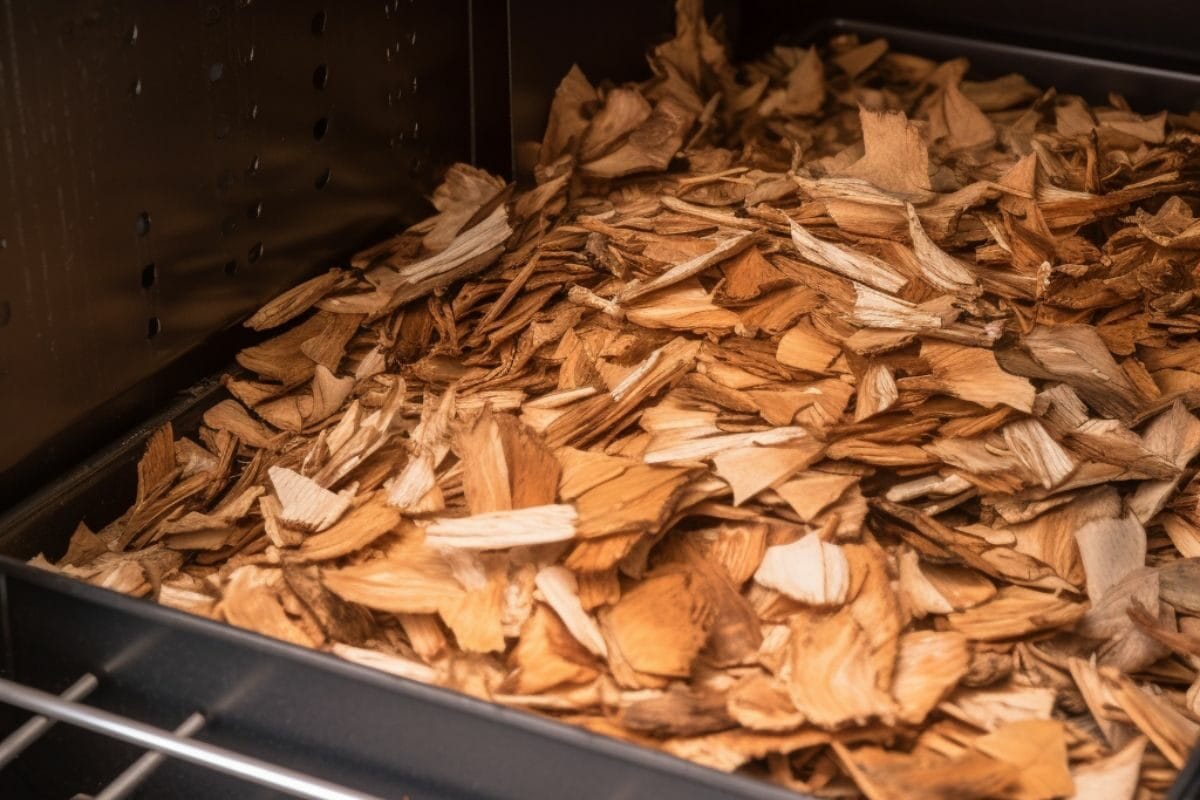
- Wood Chips: Small pieces of wood that burn relatively quickly. Ideal for shorter smoking sessions or when you want to add smoke in bursts.
- Wood Chunks: Larger pieces of wood that burn slower and produce smoke for a longer period of time. Better suited for longer smoking sessions or when you want a consistent smoke flavor.
Which to Choose:
- For shorter smokes (under 2 hours): Wood chips are generally sufficient.
- For longer smokes (over 2 hours): Wood chunks are a better choice, as they require less frequent replenishment.
- For smokers with limited space: Wood chips may be easier to manage.
- For smokers seeking a very strong smoke flavor: Wood chips might deliver flavor more intensely but require more monitoring.
Experiment with both wood chips and chunks to see which works best for your smoker and your personal preferences.
Q: How do I store wood chips properly?
Proper storage is essential to keep your wood chips dry and ready for use. Moisture can lead to mold growth and affect the flavor of the smoke.
Here are some storage tips:
- Airtight Container: Store wood chips in an airtight container, such as a plastic bin with a tight-fitting lid or a resealable bag.
- Cool, Dry Place: Keep the container in a cool, dry place, away from direct sunlight and moisture. A garage, shed, or basement are typically good options.
- Avoid Temperature Fluctuations: Minimize exposure to extreme temperature fluctuations, as this can cause condensation inside the container.
- Check for Mold: Periodically check the wood chips for signs of mold. If you find any mold, discard the affected chips.
By following these storage guidelines, you can ensure that your wood chips remain fresh and ready to use for your next smoking adventure.
Q: My food tastes bitter. What am I doing wrong with the wood chips?
A bitter taste in smoked food is often a sign of over-smoking or incomplete combustion. Here's what might be happening and how to fix it:
- Too Much Smoke: You may be using too many wood chips, resulting in an overwhelming smoke flavor. Reduce the amount of wood chips you use.
- Dirty Smoke: Thick, white smoke indicates incomplete combustion. This "dirty smoke" contains creosote, which can make your food taste bitter. Ensure adequate airflow to promote complete combustion, which produces a thin, bluish smoke. Make sure you are cleaning your smoker regularly to remove creosote build-up.
- Wrong Type of Wood: Using the wrong type of wood, such as softwood (pine, fir), can produce acrid smoke. Stick to hardwoods like hickory, mesquite, apple, cherry, or oak.
- Old Wood Chips: Old or stale wood chips can lose their flavor and produce off-flavors. Use fresh wood chips that have been stored properly.
- Overlapping Smoke Profile Some sauces and rubs may have a very heavy smoke profile. Be aware of this when smoking meats and try to limit the number of ingredients that can impart a smoke flavor.
Experiment and adjust your smoking technique until you achieve the desired flavor without bitterness. Monitoring the color of the smoke is key. Remember, thin, bluish smoke is your goal!
By understanding these common questions and answers, you'll be well on your way to mastering the art of smoking and creating delicious, flavorful food.