Advanced Distributor Products Model Number Lookup
Understanding and identifying the model number of your Advanced Distributor Products (ADP) HVAC equipment is crucial for maintenance, repairs, and finding compatible replacement parts. This guide provides a comprehensive look at ADP model number lookup, helping you navigate the complexities and find the information you need efficiently.
Why is the ADP Model Number Important?
The model number acts like a unique identifier, similar to a VIN for a car. It provides specific details about your ADP unit, including:
- Manufacturing date: Knowing when your unit was made helps determine its expected lifespan and potential compatibility with newer components.
- Capacity (BTU/hr): This tells you the cooling or heating power of the unit. Think of it like the "engine size" of your HVAC system.
- Refrigerant type: Crucially important! Using the wrong refrigerant can damage your system. Think of refrigerant as the "blood" of your AC system, carrying heat from inside to outside. Different units require different "blood types."
- Electrical specifications (Voltage, Amperage): This ensures you're using the correct electrical supply, preventing electrical damage or fire hazards.
- Compatible replacement parts: Finding the right replacement parts relies heavily on the model number. It ensures the part will fit and function correctly.
- Unit dimensions and weight: Useful for installation, replacement, or when ordering specific accessories.
Without the correct model number, you risk ordering the wrong parts, performing incorrect maintenance, or even damaging your equipment. It's the key to keeping your system running smoothly and efficiently.
Where to Find the ADP Model Number
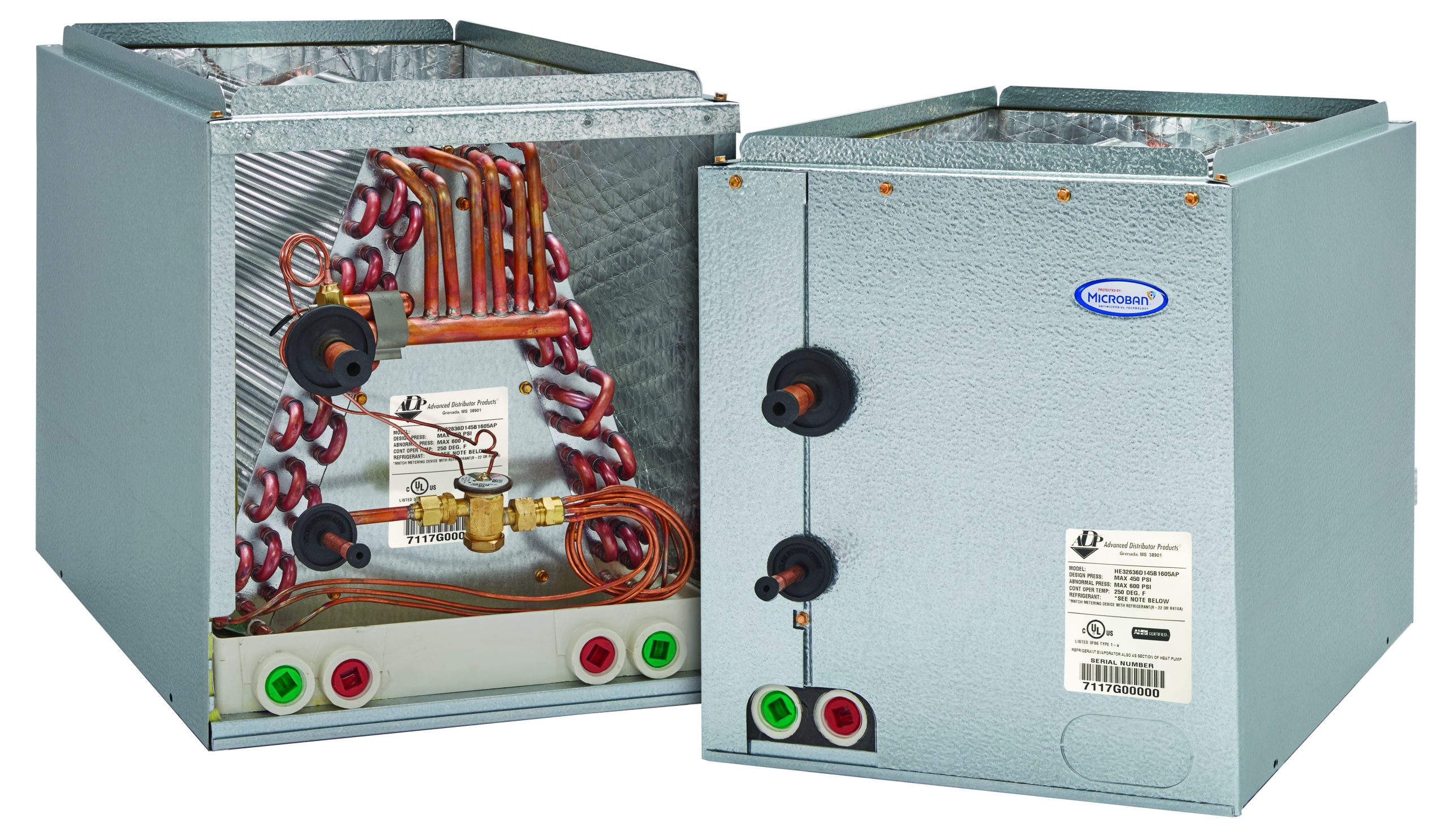
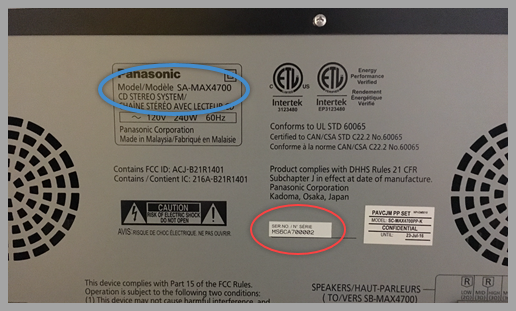
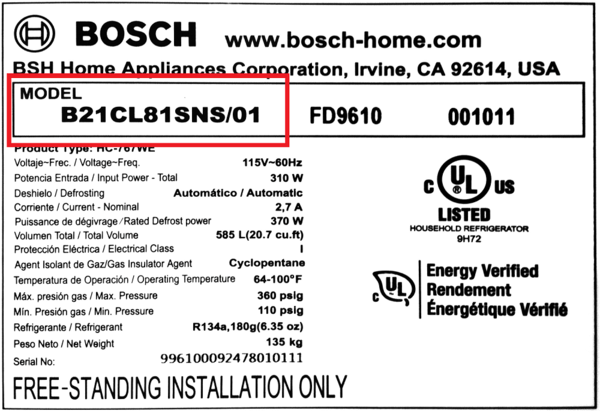
The ADP model number is usually found on a nameplate or rating sticker affixed to the unit. The location of this sticker varies depending on the type of equipment:
For Air Conditioning Units (Indoor & Outdoor)
Indoor (Air Handler):
- Check the front panel, often behind a removable access door.
- Look on the side of the unit, near the refrigerant lines or electrical connections.
- Sometimes, the nameplate is located inside the blower compartment (power off the unit before accessing this area for safety!).
Outdoor (Condensing Unit):
- Typically found on the side or back of the unit, near the service valves.
- Sometimes located behind a removable panel on the front of the unit.
For Furnaces
- Look inside the blower compartment (power off the unit before accessing!).
- Check on the side of the furnace cabinet, often near the gas line connection.
- The nameplate might be located on the front of the unit, behind a removable access panel.
General Tips for Locating the Model Number:
- Use a flashlight: Nameplates can be in dimly lit areas.
- Clean the area: Dust and grime can obscure the information.
- Look for multiple stickers: Sometimes, multiple stickers are present, but only one contains the full model number.
- Take a picture: If the sticker is hard to read, take a clear picture with your phone.
- Write it down immediately: Once you find it, record the model number and serial number in a safe place.
Understanding the ADP Model Number Format
ADP model numbers can seem cryptic at first, but they follow a consistent pattern that encodes valuable information. While the specific format may vary slightly depending on the product line, here’s a general breakdown:
Let's use a hypothetical model number as an example: 4MXW24AAA1000AA
- 4MXW: This portion usually indicates the product family or type. For example, "4MXW" might signify a specific series of air handlers. This is the *most important* segment for identifying the product type.
- 24: Often represents the cooling capacity of the unit in thousands of BTU/hr. So, "24" could mean 24,000 BTU/hr (2 tons). Note that this isn't always directly correlated; sometimes it's a coded representation.
- AAA: These characters can indicate efficiency ratings, design variations, or other features. This section is often manufacturer-specific and requires access to ADP's technical documentation for precise interpretation.
- 1000: Usually relates to the electrical specifications (voltage, phase). Again, this is often a coded representation, not a direct value.
- AA: This could indicate the year of manufacture or other specific design modifications. This is also typically manufacturer-specific.
Important Considerations:
- The Serial Number: The serial number is *unique* to each individual unit. It's used for warranty claims, tracking production issues, and identifying units that may have been subject to recalls. Always record the serial number along with the model number.
- Variations: Model number formats can change over time as ADP introduces new product lines or revises existing ones.
- Consult Official Documentation: The most reliable way to decode the *entire* model number and understand all its nuances is to consult ADP's official product documentation or contact their technical support team.
Methods for Looking Up ADP Model Numbers
Once you have the ADP model number, you can use several methods to find information about your unit:
1. ADP Website (Professional Access Required):
ADP's official website is the most authoritative source for information. However, access to detailed product specifications and technical documentation is generally restricted to HVAC professionals and distributors. You may need to create an account and provide proof of your professional affiliation to access this information.
What you can find:
- Detailed product specifications
- Wiring diagrams
- Installation manuals
- Parts lists
- Warranty information
2. Online HVAC Parts Retailers:
Many online retailers specializing in HVAC parts allow you to search by model number. These retailers often have cross-reference databases that can help you find compatible replacement parts. Be *very cautious* when using this method. Double-check the information against other sources to ensure accuracy.
Limitations:
- Information may not always be complete or accurate.
- Focus is primarily on replacement parts, not comprehensive product specifications.
- May not have information on older or less common models.
3. HVAC Professionals:
The most reliable method is to consult with a qualified HVAC technician or contractor. They have the expertise and access to resources (including ADP's professional channels) to accurately identify your unit and provide the information you need.
Benefits:
- Accurate identification and information.
- Professional advice on maintenance, repairs, and replacements.
- Access to genuine ADP parts.
4. Cross-Reference Databases (Use with Caution):
Several online cross-reference databases claim to provide information on HVAC model numbers and compatible parts. However, the accuracy of these databases can vary. Use them with extreme caution and always verify the information with a reliable source.
Common Problems and Troubleshooting
Here are some common problems you might encounter when trying to look up an ADP model number and how to troubleshoot them:
- Illegible Nameplate: If the nameplate is faded, damaged, or partially obscured, try the following:
- Use a flashlight and magnifying glass.
- Carefully clean the area with a soft cloth and mild cleaner (avoid harsh chemicals).
- Take a picture and try to enhance it using photo editing software.
- Contact ADP directly and provide any partial information you have (location, approximate age of the unit, etc.).
- Incorrect Model Number: Make sure you're entering the model number correctly, paying attention to capitalization and special characters. Even a small typo can lead to incorrect results.
- No Results Found: If your search returns no results, it could mean:
- The model number is obsolete or no longer supported.
- The online database you're using is incomplete.
- You're using the wrong search terms (try variations of the model number).
- Conflicting Information: If you find conflicting information from different sources, prioritize the information from ADP's official website or a trusted HVAC professional.
Safety Precautions
Always prioritize safety when inspecting your HVAC equipment. Follow these precautions:
- Turn off the power to the unit before removing any access panels or working near electrical components. Locate the circuit breaker or disconnect switch and turn it off.
- Be aware of sharp edges and moving parts.
- Never attempt repairs you're not qualified to perform. Contact a licensed HVAC technician for any complex repairs.
- Do not touch refrigerant lines or components. Refrigerant can cause frostbite.
Conclusion
Accurately identifying your ADP HVAC equipment using the model number is essential for proper maintenance, repairs, and part replacements. By understanding the model number format, knowing where to find it, and using the appropriate lookup methods, you can ensure your system operates efficiently and safely. Remember to prioritize safety and consult with qualified professionals when needed.