Air Conditioner Auto Mode Vs Cool Mode
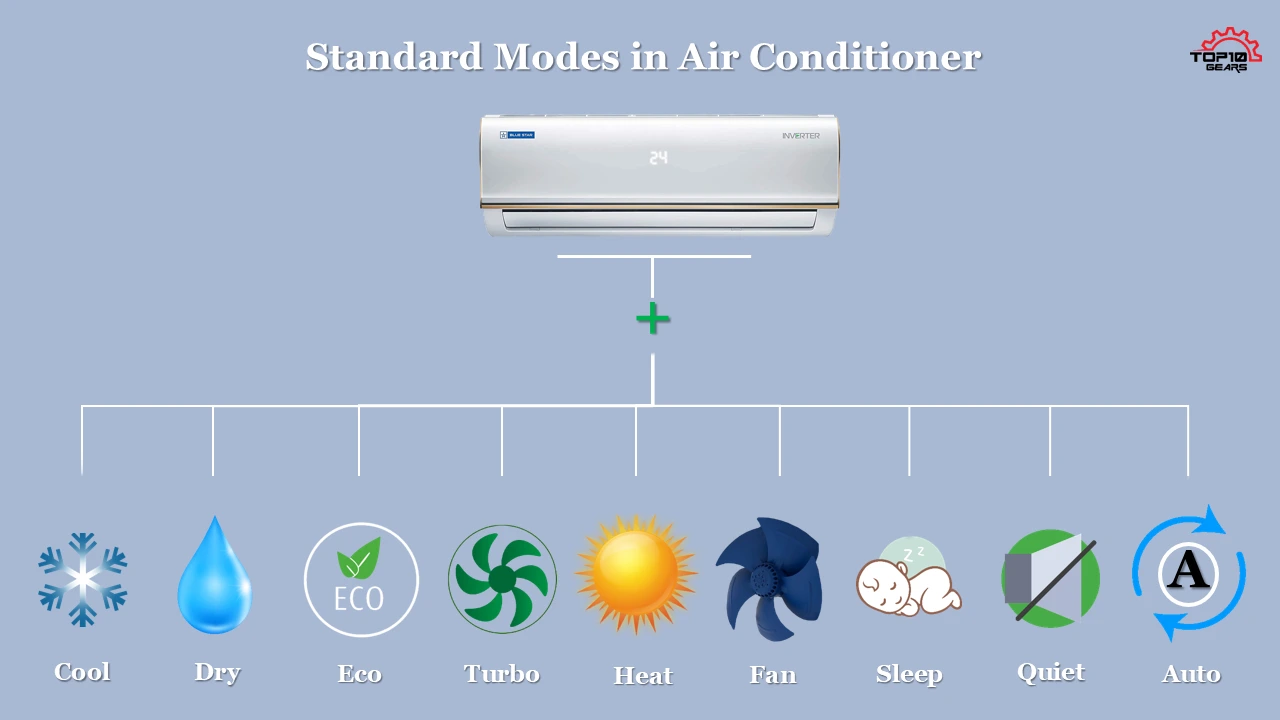
As energy costs continue to rise, homeowners and businesses alike are looking for ways to optimize their HVAC systems for maximum efficiency. Understanding the difference between "Auto" mode and "Cool" mode on your air conditioner is a crucial first step in achieving significant savings. This article dives deep into the nuances of each mode, offering practical advice, data-driven comparisons, and strategies for leveraging smart home technology to minimize your energy footprint.
Understanding "Cool" Mode: Direct and Dedicated Cooling
The "Cool" mode on your air conditioner is perhaps the most straightforward setting. When selected, the system will continuously operate to reach and maintain the temperature you've set. The compressor, the heart of your AC unit, runs consistently until the desired temperature is achieved. Once reached, the compressor cycles off, and the fan continues to run (or cycles on and off depending on your fan setting) to maintain the desired temperature.
Key Characteristics of "Cool" Mode:
- Consistent Cooling: Provides a steady stream of cool air, regardless of external temperature fluctuations.
- Predictable Energy Consumption: Offers a relatively predictable energy consumption pattern, allowing you to estimate your cooling costs.
- Best for Consistent Temperatures: Ideal for maintaining a constant temperature in environments where temperature fluctuations are undesirable, such as server rooms or homes with sensitive individuals.
However, the constant cycling can lead to higher energy consumption, especially during periods of mild weather when only occasional cooling is needed. This is where "Auto" mode shines.
Unveiling "Auto" Mode: Intelligent and Efficient Cooling
"Auto" mode is designed for intelligent cooling. In this mode, the air conditioner monitors both the room temperature and the set temperature. The system then automatically selects either cooling or fan-only operation based on the difference between these two values. If the room temperature is significantly higher than the set temperature, the air conditioner engages the cooling process, similar to "Cool" mode. However, if the room temperature is near the set temperature, the system will likely switch to fan-only mode, circulating air without engaging the energy-intensive compressor.
Key Characteristics of "Auto" Mode:
- Smart Operation: Automatically switches between cooling and fan-only modes based on temperature differentials.
- Potential Energy Savings: Can significantly reduce energy consumption, especially during periods of moderate weather.
- Optimal for Fluctuating Temperatures: Best suited for environments where temperatures fluctuate throughout the day, such as homes during spring and fall.
The beauty of "Auto" mode lies in its adaptability. By intelligently responding to temperature changes, it avoids unnecessary cooling, conserving energy and reducing wear and tear on your system.
The ROI: Energy Savings in Action
The return on investment (ROI) for using "Auto" mode can be substantial, especially over the lifespan of your HVAC system. Studies have shown that using "Auto" mode can reduce cooling-related energy consumption by 10-30% compared to consistently running in "Cool" mode. The exact savings depend on factors such as climate, insulation, and personal temperature preferences.
Example Scenario:
Consider a homeowner in a temperate climate with an average monthly cooling bill of $150. Switching to "Auto" mode and achieving a 20% reduction in energy consumption could save them $30 per month, or $360 per year. Over a 10-year lifespan, this translates to a savings of $3,600. This figure doesn't even account for potential increases in energy rates over time.
Furthermore, reduced compressor usage translates to less wear and tear, potentially extending the life of your HVAC system and delaying costly repairs or replacements.
Data-Driven Comparison: "Cool" vs. "Auto"
| Feature | "Cool" Mode | "Auto" Mode |
|-------------------|---------------------------------|-------------------------------------------------|
| Cooling Operation | Continuous cooling to set temperature | Intelligent cooling based on temperature difference |
| Energy Consumption | Higher, due to constant cycling | Lower, due to fan-only operation when appropriate |
| Temperature Control | Maintains a very consistent temperature | Temperature may fluctuate slightly |
| Ideal For | Environments requiring constant temperatures | Environments with fluctuating temperatures |
| Potential Savings | Lower | Higher |
As the table illustrates, the choice between "Cool" and "Auto" depends on your specific needs and priorities. If temperature consistency is paramount, "Cool" mode may be the better option. However, for most homeowners and businesses, "Auto" mode offers a compelling balance between comfort and energy efficiency.
Smart HVAC Integration: Maximizing Energy Savings
The benefits of "Auto" mode are amplified when integrated with smart home technology. Smart thermostats, occupancy sensors, and weather-aware controls can further optimize your HVAC system's performance and minimize energy consumption. These smart home integrations are crucial for any smart home enthusiast.
Smart Thermostats: Personalized Comfort and Control
Smart thermostats learn your preferences and automatically adjust the temperature based on your schedule, occupancy patterns, and even the weather forecast. Many models also offer remote control via smartphone apps, allowing you to adjust the temperature from anywhere in the world.
Benefits of Smart Thermostats:
- Geofencing: Automatically adjusts the temperature when you leave or approach your home.
- Learning Algorithms: Learns your schedule and preferences to optimize energy efficiency.
- Remote Control: Allows you to adjust the temperature from anywhere with an internet connection.
- Energy Reports: Provides detailed insights into your energy consumption patterns.
Look for Energy Star certified smart thermostats to ensure they meet stringent energy efficiency standards.
Occupancy Sensors: Cooling Only When Needed
Occupancy sensors detect whether a room is occupied and automatically adjust the temperature accordingly. This is particularly useful in commercial buildings with variable occupancy levels. This technology especially benefits businesses upgrading to eco-friendly systems.
Benefits of Occupancy Sensors:
- Targeted Cooling: Cools only occupied spaces, avoiding unnecessary energy waste.
- Improved Comfort: Ensures optimal comfort levels in occupied areas.
- Easy Installation: Can be easily integrated into existing HVAC systems.
Weather-Aware Controls: Adapting to Changing Conditions
Weather-aware controls use real-time weather data to adjust your HVAC system's settings. For example, on a sunny day, the system might reduce cooling output to compensate for solar heat gain. On a cloudy day, it might increase cooling output to maintain the desired temperature.
Benefits of Weather-Aware Controls:
- Proactive Adjustments: Anticipates temperature changes and adjusts cooling output accordingly.
- Optimized Performance: Maximizes energy efficiency while maintaining comfort.
- Seamless Integration: Works seamlessly with existing smart thermostats and HVAC systems.
Rebates and Incentives: Lowering the Upfront Costs
Many utility companies and government agencies offer rebates and incentives for installing energy-efficient HVAC systems and smart home technologies. These programs can significantly lower the upfront costs of upgrading your system and accelerate the ROI. HVAC contractors selling energy-efficient solutions should be well-versed in available programs and can assist clients with the application process.
Common Rebate Programs:
- Federal Tax Credits: Offer tax credits for purchasing energy-efficient HVAC equipment.
- State and Local Rebates: Provide rebates for installing energy-efficient systems and smart home technologies.
- Utility Company Incentives: Offer rebates and discounts on energy-efficient products and services.
Visit the Energy Star website or your local utility company's website to learn more about available rebates and incentives.
Choosing the Right Mode: A Practical Guide
Here's a practical guide to help you decide when to use "Cool" mode versus "Auto" mode:
Use "Cool" Mode When:
- You need to maintain a very consistent temperature.
- The outside temperature is consistently hot.
- You prefer a constant stream of cool air.
Use "Auto" Mode When:
- The outside temperature fluctuates throughout the day.
- You want to minimize energy consumption.
- You are using a smart thermostat or other smart home technologies.
Conclusion: Smart Choices for Sustainable Cooling
Choosing between "Cool" mode and "Auto" mode is a simple but effective way to optimize your HVAC system's performance and reduce your energy bills. By understanding the nuances of each mode and leveraging smart home technology, you can create a comfortable and energy-efficient living or working environment. Remember to explore available rebates and incentives to further reduce the upfront costs of upgrading your system and accelerate your ROI. Sustainable cooling is not just about saving money; it's about creating a more sustainable future for all.