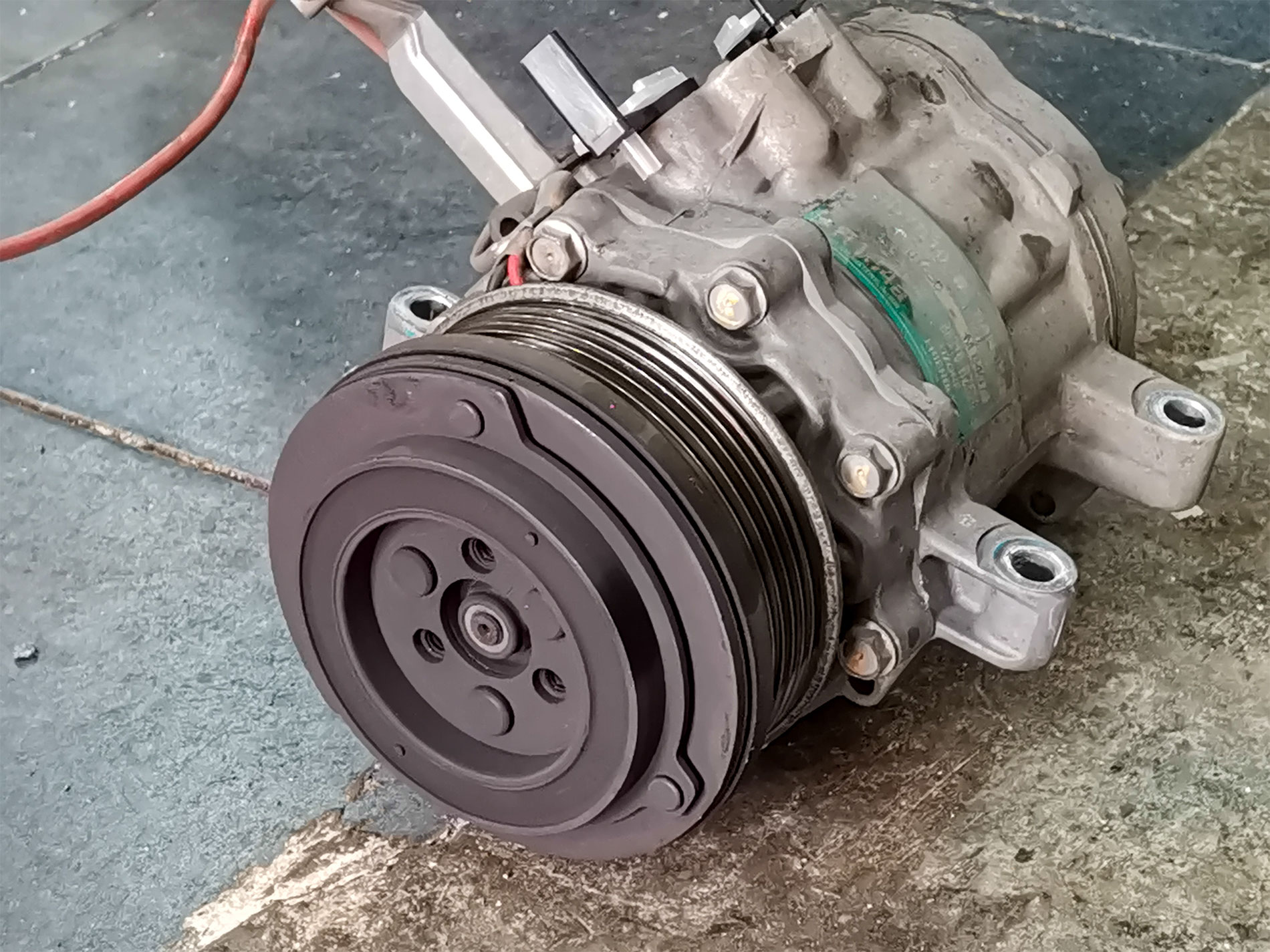
Air Conditioner Compressor Replacement

Air Conditioner Compressor Replacement: A Guide to Energy Efficiency and Cost Savings
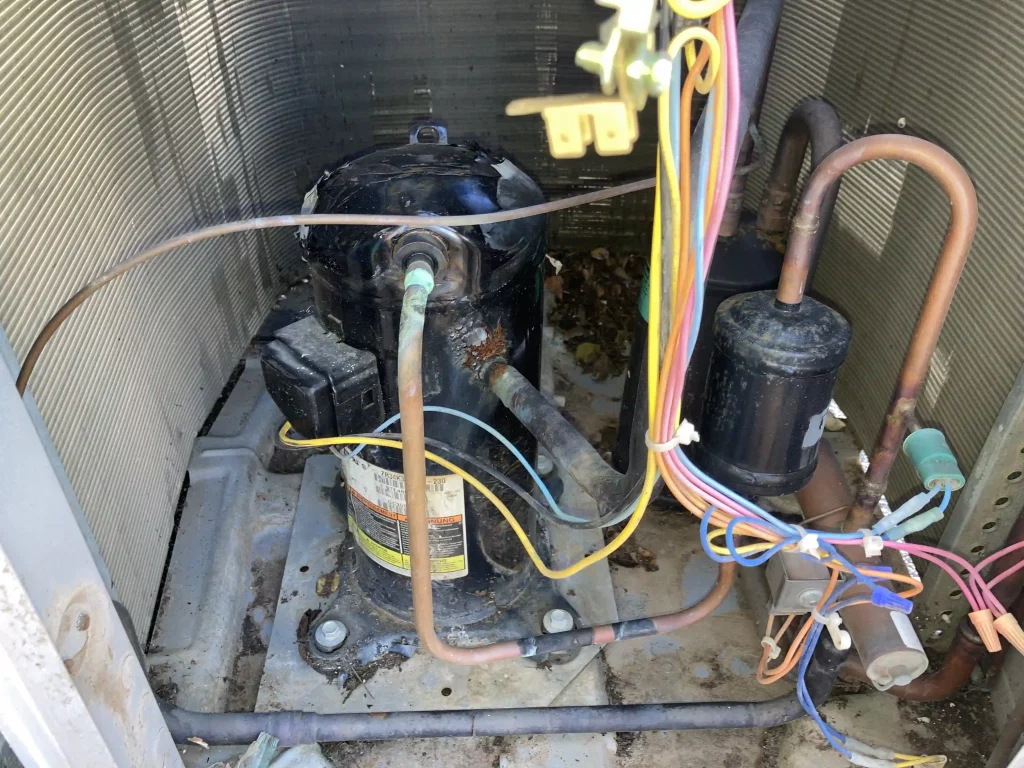
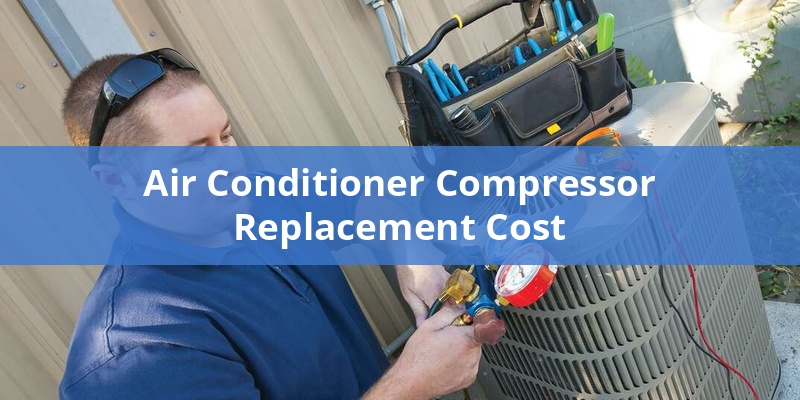
The air conditioner compressor is the heart of your cooling system. When it fails, your AC stops working, leading to discomfort and potentially high energy bills. While a complete AC unit replacement might seem inevitable, sometimes a compressor replacement is a more cost-effective and sustainable solution. This guide will walk you through everything you need to know about air conditioner compressor replacement, from understanding its function to maximizing your energy savings.
Understanding the Role of the Compressor
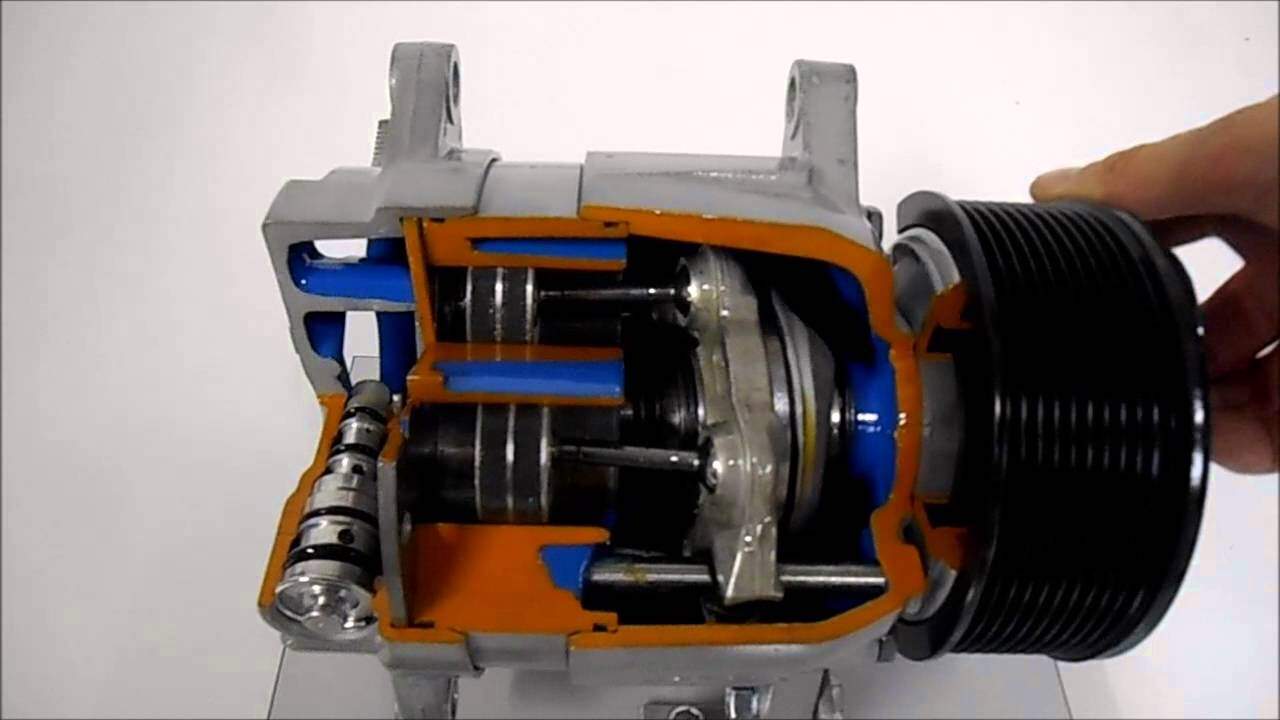
The compressor's primary job is to circulate refrigerant throughout the AC system. It takes low-pressure, low-temperature refrigerant vapor and compresses it into high-pressure, high-temperature vapor. This pressurized refrigerant then flows to the condenser coil, where it releases heat and converts into a high-pressure liquid. This process is crucial for cooling your home or business.
Think of it like the heart of your AC system, pumping the refrigerant that keeps everything cool. A faulty compressor renders the entire system ineffective, much like a heart condition would affect the body's circulatory system.
Signs Your Compressor Might Need Replacing
Recognizing the warning signs of a failing compressor can save you from a complete system breakdown and potentially more costly repairs. Here are some key indicators:
- Unusual Noises: Loud banging, grinding, or hissing sounds coming from the outdoor unit often indicate compressor problems.
- Weak Airflow: If your AC is running but the air isn't cool, the compressor might not be able to properly circulate refrigerant.
- Higher Energy Bills: A struggling compressor works harder to maintain the desired temperature, leading to a significant increase in energy consumption. Compare your current energy bills to previous months or years to spot any unusual spikes.
- Refrigerant Leaks: Leaks around the compressor can indicate internal damage and impending failure.
- System Age: Air conditioners typically last 10-15 years. If your unit is nearing the end of its lifespan, compressor failure becomes more likely.
Compressor Replacement vs. Full System Replacement
Deciding between compressor replacement and a full system replacement is a crucial decision. Here's a breakdown to help you make the right choice:
When to Consider Compressor Replacement
- System Age: If your AC unit is relatively new (less than 10 years old) and the rest of the components are in good condition, compressor replacement might be a viable option.
- Cost: Compressor replacement is generally less expensive than replacing the entire system. Get quotes from multiple HVAC contractors to compare the costs.
- Environmental Impact: Replacing only the compressor can be a more sustainable option than discarding the entire unit, reducing waste and the need for new manufacturing.
When to Consider Full System Replacement
- System Age: If your AC unit is over 10-15 years old, replacing the entire system is often the more cost-effective long-term solution. Older units are less energy-efficient and may require frequent repairs.
- Refrigerant Type: Older AC units may use R-22 refrigerant, which is being phased out due to its environmental impact. Replacing the system with one that uses R-410A or newer refrigerants is a better long-term investment.
- Efficiency Upgrades: Newer AC systems are significantly more energy-efficient than older models. A full system replacement allows you to upgrade to a high-efficiency unit and save money on energy bills over the long run. Look for units with high SEER (Seasonal Energy Efficiency Ratio) ratings. Energy Star certified models are a great choice.
- Frequent Repairs: If your AC unit has required frequent repairs in the past few years, it might be time to replace the entire system. Continuing to repair an aging unit can be a costly and frustrating endeavor.
Choosing the Right Compressor
Selecting the correct compressor for your AC system is critical. An incompatible compressor can damage your system and void warranties. Here are some factors to consider:
- Compatibility: The new compressor must be compatible with your AC unit's make and model. Consult with a qualified HVAC technician to ensure proper compatibility.
- BTU (British Thermal Units): The compressor's BTU rating should match the cooling capacity of your AC unit.
- Efficiency: Consider upgrading to a more energy-efficient compressor model to reduce energy consumption and lower your utility bills.
- Warranty: Check the compressor's warranty to ensure you're protected against potential defects.
The Importance of SEER Ratings
SEER (Seasonal Energy Efficiency Ratio) is a measure of an air conditioner's cooling efficiency. The higher the SEER rating, the more energy-efficient the unit. Upgrading to a higher SEER-rated compressor or system can significantly reduce your energy bills.
For example, replacing a 10 SEER unit with a 16 SEER unit can reduce your cooling energy consumption by up to 40%. According to the Energy Star program, the minimum SEER rating for new air conditioners is 14 in most regions of the United States. Consider replacing your old AC unit to a high efficiency model.
Smart HVAC Integration and Energy Savings
Integrating your HVAC system with smart home technology can further enhance energy efficiency and cost savings. Smart thermostats, sensors, and controls allow you to monitor and adjust your system's performance in real-time, optimizing energy consumption.
- Smart Thermostats: Smart thermostats learn your heating and cooling preferences and automatically adjust the temperature to save energy when you're away or asleep. Many smart thermostats can be controlled remotely via smartphone apps.
- Zone Control Systems: Zone control systems allow you to control the temperature in different areas of your home independently. This allows you to heat or cool only the rooms you're using, saving energy.
- Sensors: Sensors can detect occupancy and adjust the temperature accordingly. For example, if a room is unoccupied, the system can automatically reduce the heating or cooling in that zone.
Government Rebates and Incentives
Many government agencies and utility companies offer rebates and incentives for upgrading to energy-efficient HVAC systems. These incentives can help offset the cost of compressor replacement or full system replacement. Some incentives require that your unit is Energy Star certified.
Check with your local utility company, state energy office, and the Energy Star website to learn about available rebates and incentives. The Inflation Reduction Act provides tax credits for energy-efficient home improvements, including HVAC upgrades. Consult a tax professional for details on eligibility and claiming these credits.
The Installation Process
Compressor replacement is a complex task that should only be performed by a qualified HVAC technician. The installation process typically involves the following steps:
- Refrigerant Recovery: The technician will safely recover the refrigerant from the system to prevent environmental damage.
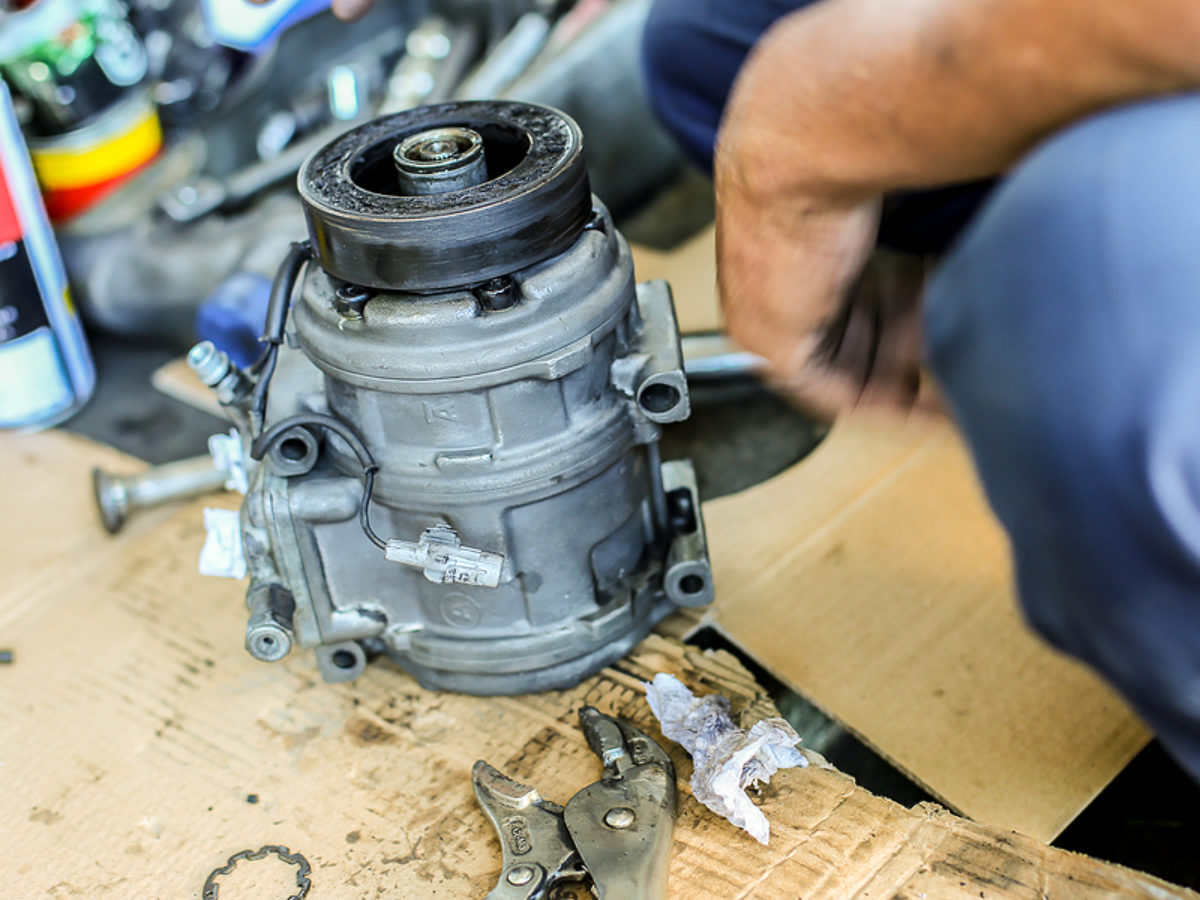
- Compressor Removal: The old compressor is disconnected and removed from the AC unit.
- System Cleaning: The system is thoroughly cleaned to remove any debris or contaminants.
- New Compressor Installation: The new compressor is installed and connected to the system.
- Refrigerant Recharge: The system is recharged with the appropriate amount of refrigerant.
- Testing and Calibration: The system is tested and calibrated to ensure proper operation.
Finding a Qualified HVAC Technician
Choosing the right HVAC technician is crucial for a successful compressor replacement. Look for a technician with the following qualifications:
- Licensing and Certification: Ensure the technician is licensed and certified to perform HVAC work in your area.
- Experience: Choose a technician with extensive experience in compressor replacement and HVAC repair.
- Insurance: Verify the technician has adequate liability insurance to protect you from potential damages.
- References: Ask for references from previous clients to gauge the technician's quality of work.
- Reputation: Check online reviews and ratings to assess the technician's reputation.
- Transparent Pricing: Get a detailed quote in writing before work begins, outlining all costs involved.
Conclusion
Air conditioner compressor replacement can be a cost-effective and sustainable solution for restoring your cooling system's performance. By understanding the signs of compressor failure, considering your options, and choosing the right equipment and technician, you can ensure a successful replacement and maximize your energy savings. Remember to leverage smart HVAC integration and government incentives to further enhance your energy efficiency and reduce your carbon footprint. A well-maintained and efficient AC system not only keeps you comfortable but also contributes to a more sustainable future.