Air Conditioner Condensate Drain Line Installation
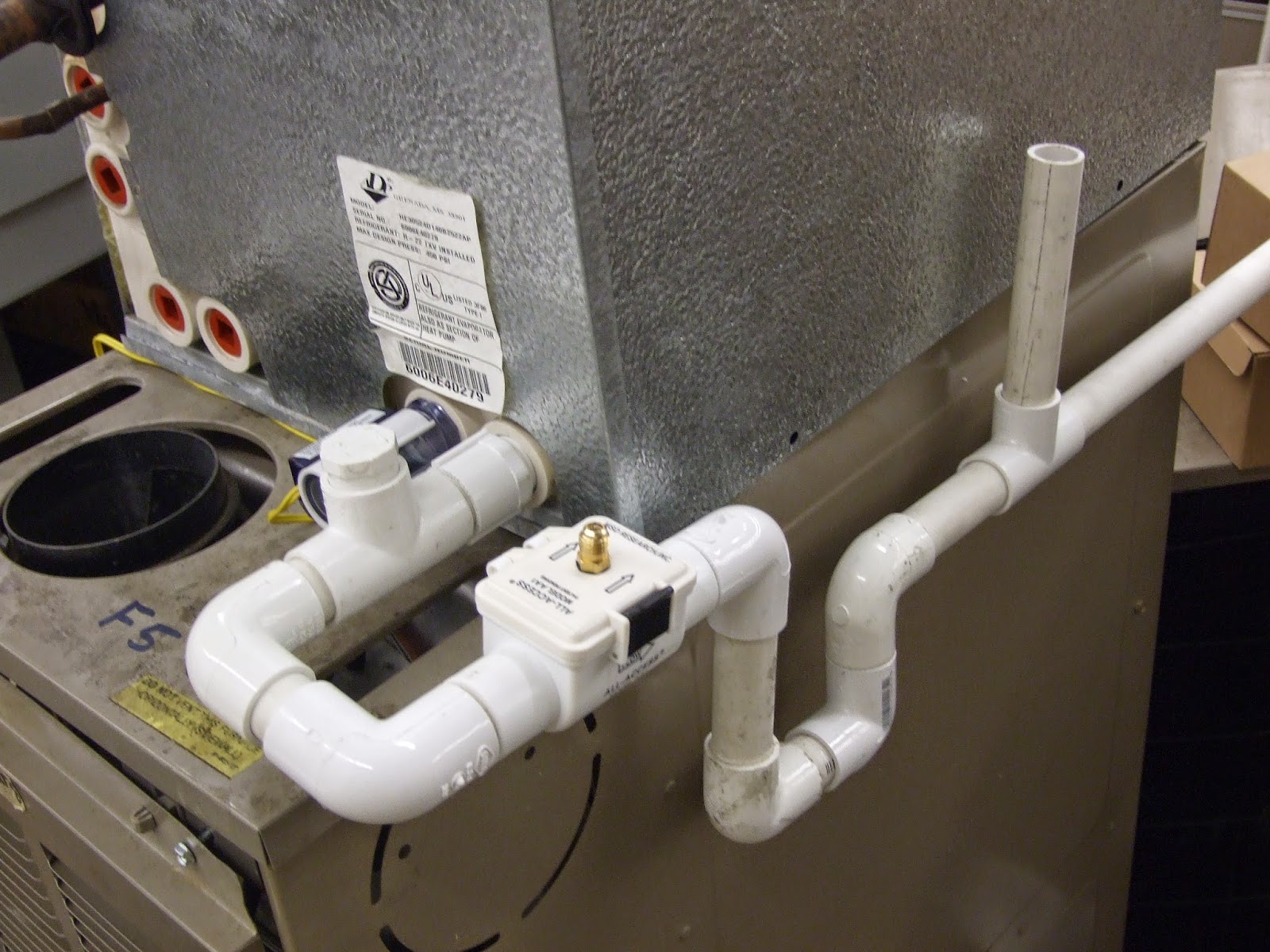
Frequently Asked Questions About Air Conditioner Condensate Drain Line Installation
Your air conditioner's condensate drain line plays a critical role in removing excess moisture from your home. Proper installation and maintenance are essential to prevent water damage and maintain efficient cooling. Here are some frequently asked questions to help you understand the process.
1. What is the purpose of an AC condensate drain line?
The condensate drain line is responsible for removing the water that condenses on your air conditioner's evaporator coil. As warm, humid air passes over the cold coil, moisture in the air turns into water. This water is collected in a drain pan and then flows through the drain line to a designated drain location, usually outside your home or into a plumbing drain. Without a properly functioning drain line, the water can overflow, leading to water damage, mold growth, and even damage to your AC unit.
2. Where should the condensate drain line be installed?
The location of the condensate drain line depends on several factors, including the type of AC unit and local building codes. However, here are some general guidelines:
- Outdoor Termination: Ideally, the drain line should terminate outside your home, away from walkways and entryways to prevent slips and falls. The end of the drain line should be positioned so the water drains safely and doesn't damage landscaping or pool around the foundation.
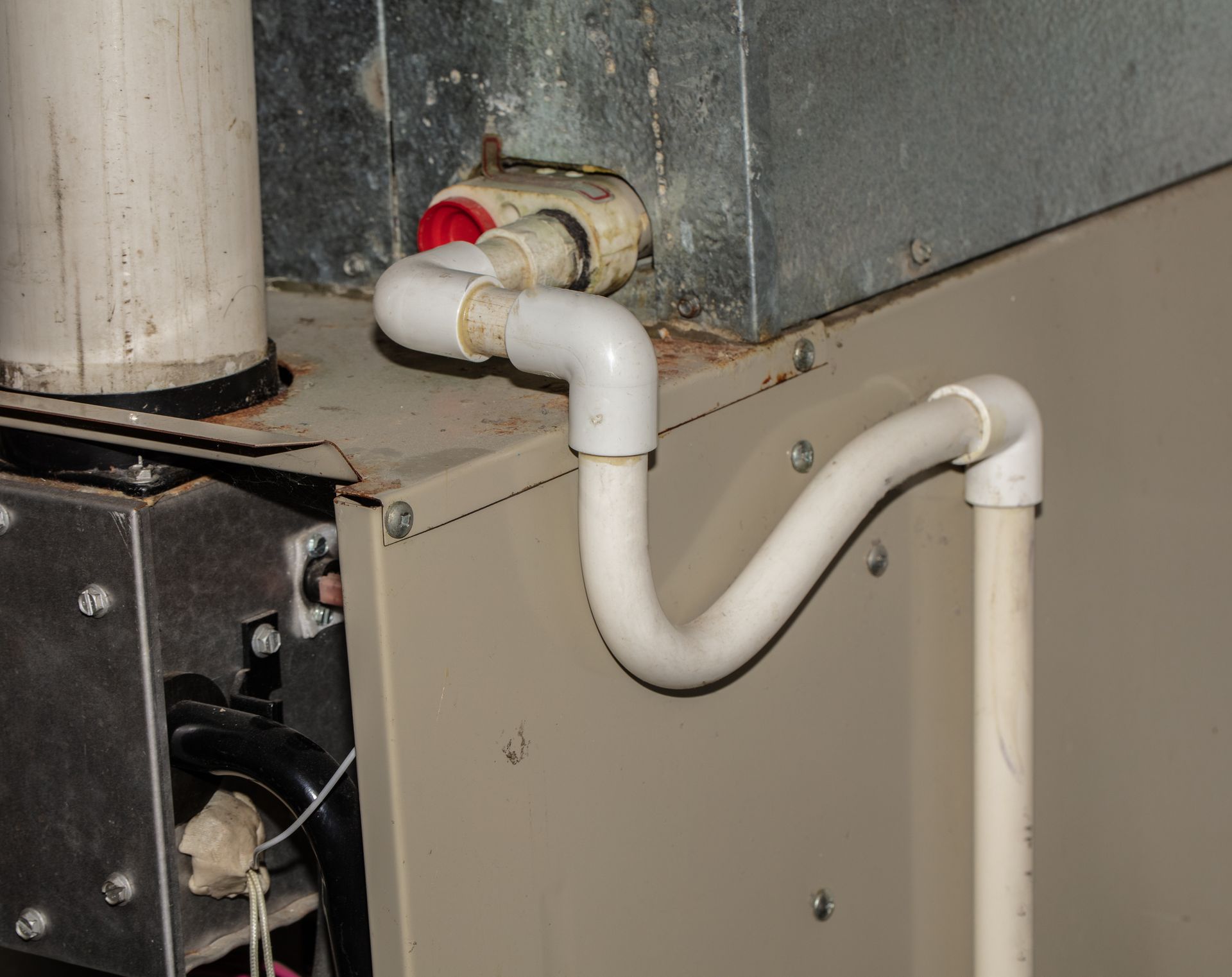
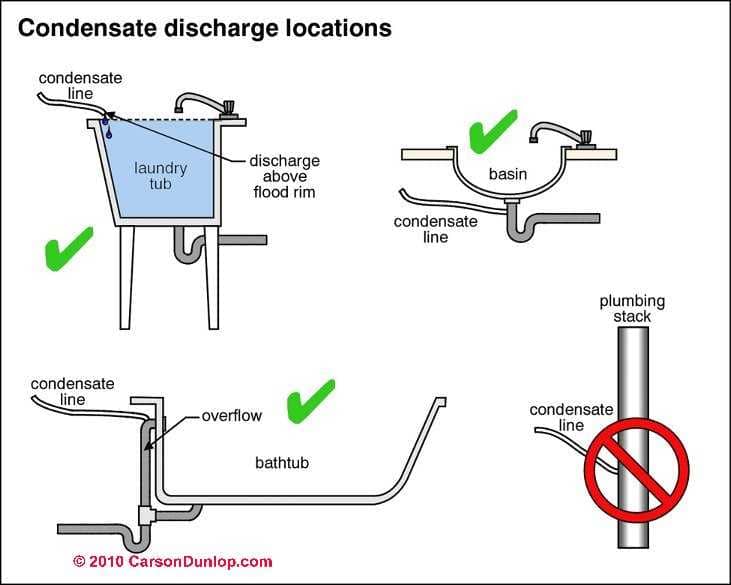
- Plumbing Drain: In some cases, the drain line can be connected to an existing plumbing drain, such as a sink drain or floor drain. This connection must be done properly to prevent sewer gases from entering your home. A properly installed P-trap is crucial to prevent this.
- Never Directly to Sewer: A direct connection to the sewer line is generally prohibited by building codes to prevent potential backflow and contamination.
- Avoid Low Spots: The drain line should be installed with a slight downward slope to ensure proper drainage and prevent water from pooling. Avoid creating low spots or dips in the line that can trap water.
- Accessibility: The drain line should be accessible for maintenance and cleaning. This allows you to easily clear any clogs or debris that may accumulate over time.
3. What materials are commonly used for condensate drain lines?
The most common material for condensate drain lines is PVC (polyvinyl chloride) pipe. PVC is durable, inexpensive, and resistant to corrosion, making it an ideal choice for this application. The typical sizes are 3/4 inch or 1 inch diameter, but the specific size may depend on the AC unit's capacity and local building codes. It's always best to check with a qualified HVAC technician or local building inspector to determine the appropriate size and type of pipe for your specific situation.
Other materials sometimes used include:
- CPVC (chlorinated polyvinyl chloride): CPVC is similar to PVC but can withstand higher temperatures. It's typically used in areas where the drain line may be exposed to heat.
- Flexible Tubing: Flexible tubing can be used for short runs or in areas where it's difficult to run rigid PVC pipe. However, it's more prone to kinks and clogs than PVC pipe, so it's important to use it carefully and ensure it's properly supported.
4. How do I prevent clogs in the condensate drain line?
Clogs are a common problem with condensate drain lines. They can be caused by algae growth, dust, debris, and even insects. Here are some tips to prevent clogs:
- Regular Cleaning: Flush the drain line with a mixture of water and vinegar (or a commercial drain cleaner specifically designed for AC condensate lines) every few months. You can use a wet/dry vacuum to suck out any debris that may be lodged in the line.
- Algae Tablets: Place algae tablets in the drain pan to prevent algae growth. These tablets typically contain chemicals that inhibit algae growth and keep the drain line clear. Follow the manufacturer's instructions for dosage and frequency of use.
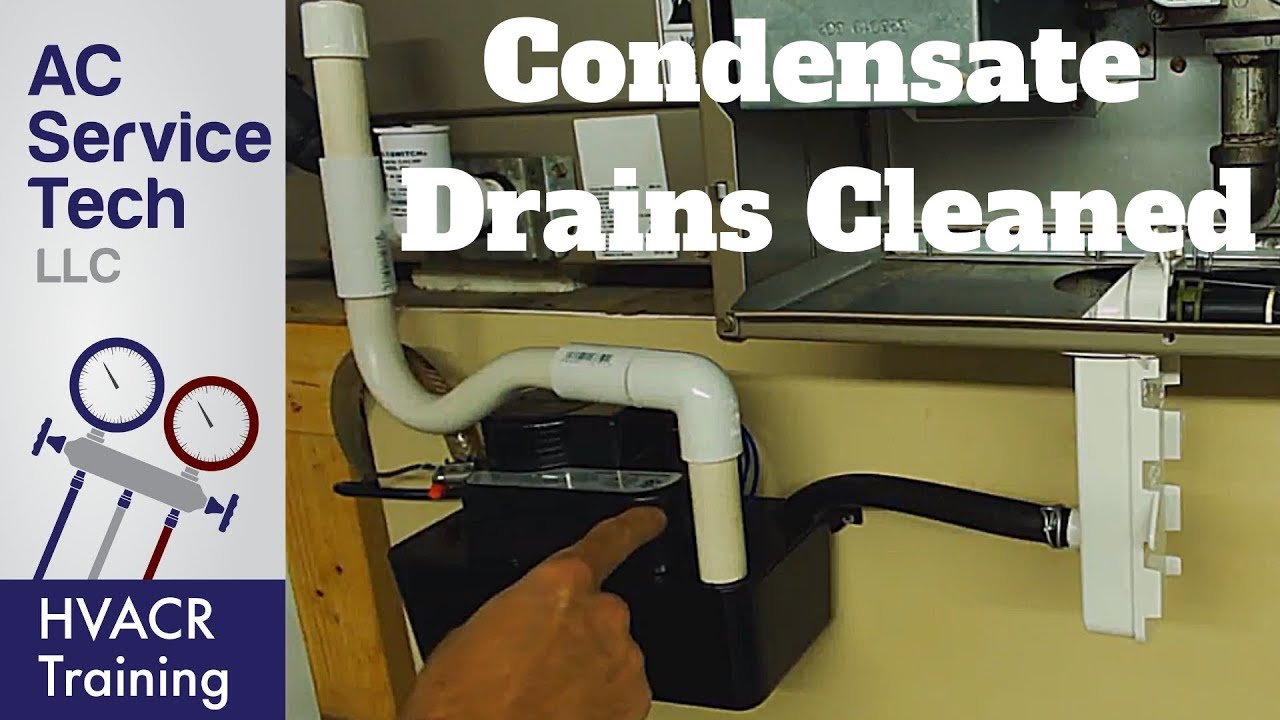
- Install a Cleanout Tee: A cleanout tee allows you to easily access the drain line for cleaning. It's typically installed near the AC unit and has a removable cap that allows you to insert a cleaning tool or flush the line.
- Proper Filtration: Ensure your AC unit has a clean air filter. A dirty air filter restricts airflow and can cause the evaporator coil to become excessively cold, leading to more condensation and a higher risk of clogs.
- Professional Maintenance: Schedule regular maintenance with a qualified HVAC technician. They can inspect the drain line, clean the drain pan, and identify any potential problems before they become serious.
5. What are the signs of a clogged condensate drain line?
Recognizing the signs of a clogged condensate drain line early can prevent serious water damage. Here are some common symptoms:
- Water Leaking: The most obvious sign is water leaking from the AC unit or around the indoor unit. This indicates that the drain pan is overflowing because the water cannot drain properly.
- Musty Odor: A musty or moldy odor near the AC unit can also be a sign of a clogged drain line. The stagnant water in the drain pan provides a breeding ground for mold and bacteria, which can produce unpleasant odors.
- AC Unit Shutting Off: Some AC units have a safety switch that automatically shuts off the unit if the water level in the drain pan gets too high. This is a safety measure to prevent water damage.
- Water Stains: Look for water stains on the ceiling or walls near the AC unit. These stains indicate that water has been leaking for some time.
- Increased Humidity: A clogged drain line can cause the humidity level in your home to increase, as the AC unit is not effectively removing moisture from the air.
If you notice any of these signs, it's important to address the problem immediately. Try clearing the clog yourself, or call a qualified HVAC technician for assistance.
6. Can I install a condensate drain line myself?
While some homeowners may be comfortable installing a condensate drain line themselves, it's generally recommended to hire a qualified HVAC technician. Proper installation requires knowledge of plumbing codes, AC unit specifications, and proper drainage techniques. Improper installation can lead to water damage, mold growth, and even damage to your AC unit.
Here are some factors to consider before attempting a DIY installation:
- Experience: Do you have experience working with plumbing and HVAC systems? Are you familiar with local building codes related to condensate drain lines?
- Tools and Materials: Do you have the necessary tools and materials, such as PVC pipe, fittings, PVC cement, pipe cutters, and a level?
- Safety: Are you comfortable working with electrical equipment and potentially hazardous materials?
- Warranty: Will a DIY installation void your AC unit's warranty?
If you're not confident in your ability to install the drain line correctly, it's best to leave it to the professionals. A qualified HVAC technician will ensure that the drain line is installed properly, meets all local codes, and functions effectively.
7. What are some common mistakes to avoid during condensate drain line installation?
Avoiding common mistakes during condensate drain line installation is crucial to ensure proper drainage and prevent future problems. Here are some pitfalls to be aware of:
- Insufficient Slope: Ensure the drain line has a consistent downward slope of at least 1/4 inch per foot. Insufficient slope can cause water to pool in the line and lead to clogs.
- Incorrect Pipe Size: Using the wrong size pipe can restrict water flow and increase the risk of clogs. Consult your AC unit's specifications or a qualified HVAC technician to determine the appropriate pipe size.
- Improper Connections: Ensure all connections are properly sealed with PVC cement to prevent leaks. Loose or poorly sealed connections can lead to water damage.
- Kinks or Bends: Avoid sharp bends or kinks in the drain line, as these can restrict water flow and create areas where debris can accumulate. Use gradual bends whenever possible.
- Ignoring Building Codes: Familiarize yourself with local building codes related to condensate drain lines. Failure to comply with these codes can result in fines or require you to redo the installation.
- No P-Trap: If connecting the condensate drain line to a plumbing drain, ensure a proper P-trap is installed to prevent sewer gases from entering your home.
- Forgetting a Cleanout: Installing a cleanout tee makes it much easier to clear clogs in the future. Don't forget to include this important component in your installation.
- Using the Wrong Type of Glue: Always use PVC cement specifically designed for PVC pipes. Other types of glue may not create a strong enough bond and can lead to leaks.
- Neglecting Support: Properly support the drain line to prevent sagging or damage. Use pipe hangers or straps to secure the line to walls or ceilings.
By avoiding these common mistakes, you can help ensure that your condensate drain line functions properly and prevents water damage to your home.