Air Conditioner Disconnect Requirements
Air Conditioner Disconnect Requirements: A Comprehensive Guide for HVAC Professionals
Understanding air conditioner disconnect requirements is fundamental for anyone involved in the HVAC industry, from aspiring technicians to seasoned professionals and employers. These regulations are crucial for ensuring safety during installation, maintenance, and repair of AC units. Ignoring them can lead to serious injury, equipment damage, and legal repercussions. This article provides a detailed overview of disconnect requirements, relevant certifications, career paths, and industry trends.
Why are Disconnects Important?
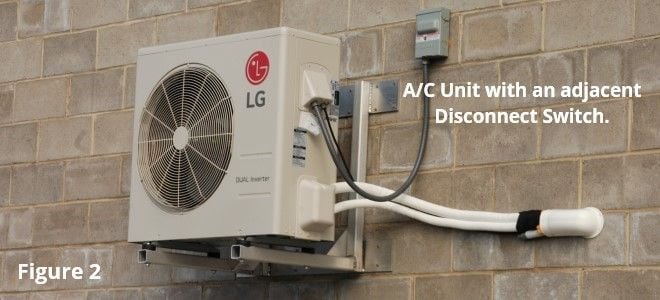
Disconnects, also known as service switches or safety switches, provide a means to safely de-energize an air conditioning unit during servicing. They isolate the unit from the electrical power supply, protecting technicians from electrical shock. The National Electrical Code (NEC) outlines specific requirements for the placement and type of disconnects based on the voltage and amperage of the equipment.
Failing to comply with disconnect requirements can result in severe consequences. Electrocution is a significant hazard, and improper installations can lead to electrical fires. Moreover, non-compliance can result in fines and legal liabilities for both technicians and employers.
NEC Requirements for AC Disconnects
The NEC provides the foundation for electrical safety standards nationwide, although local jurisdictions can adopt and amend these codes. Key NEC articles pertaining to AC disconnects include:
- Article 440: Air-Conditioning and Refrigerating Equipment: This article specifically addresses the electrical requirements for air conditioning and refrigeration equipment, including disconnects.
- Article 430: Motors, Motor Circuits, and Controllers: This article covers requirements for motors, which are a critical component of AC units.
- Article 110: Requirements for Electrical Installations: Outlines general requirements for all electrical installations, including the need for safe working clearances.
Key requirements often include:
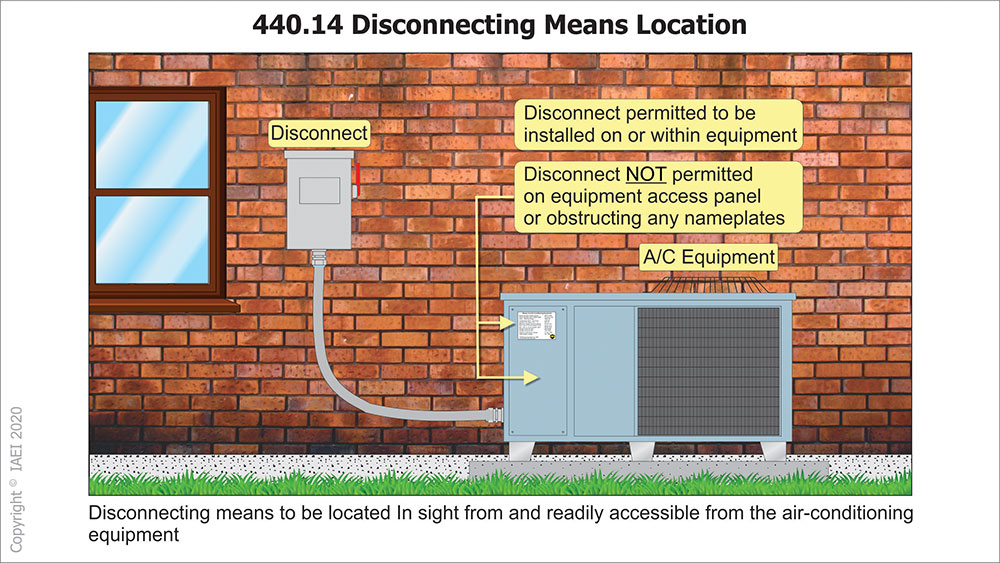
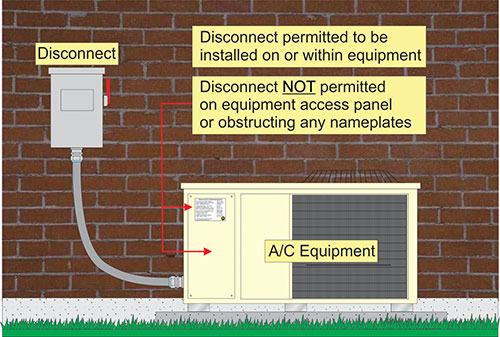
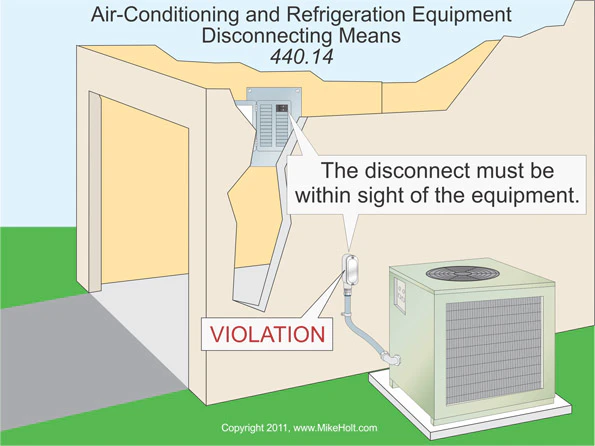
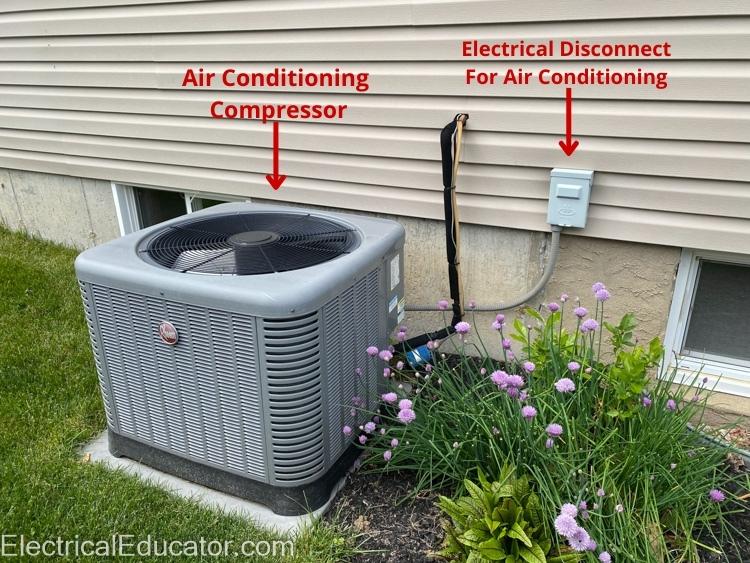
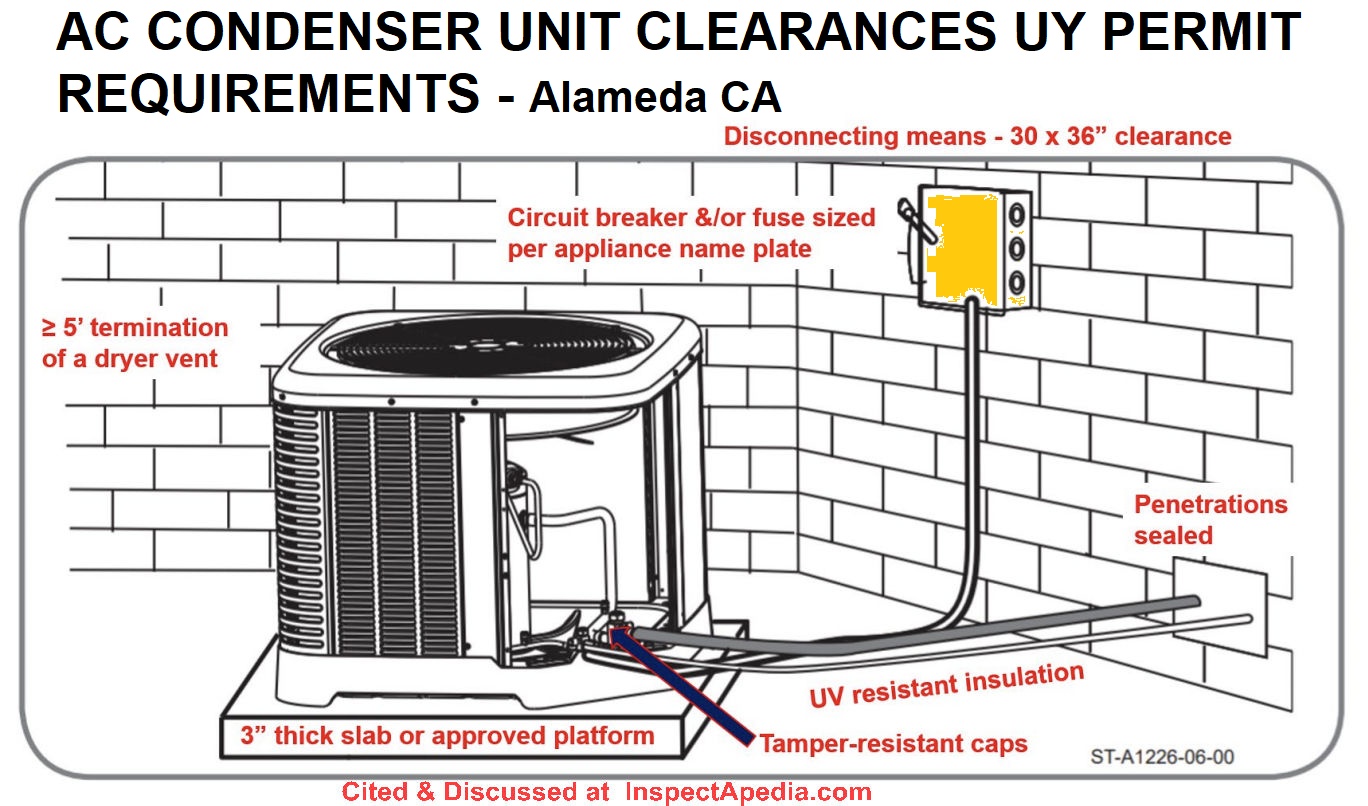
- Location: The disconnect must be readily accessible and located within sight of the air conditioning unit. This typically means no more than 50 feet away.
- Type: The disconnect must be horsepower-rated and suitable for the voltage and current requirements of the equipment. Fused and non-fused disconnects are common.
- Marking: The disconnect must be clearly marked to identify the equipment it serves.
- Number of Disconnects: In some cases, more than one disconnect may be required, particularly for multi-section units.
Local codes may impose stricter requirements, so it's vital to consult the local electrical inspector or building department to ensure compliance.
Types of Air Conditioner Disconnects
Several types of disconnects are used in AC installations:
- Non-Fused Disconnects: These are simple on/off switches that provide a means to de-energize the circuit. They don't offer overcurrent protection.
- Fused Disconnects: These disconnects incorporate fuses to provide overcurrent protection for the equipment. Fused disconnects are often preferred because they protect the AC unit from damage caused by power surges or short circuits.
- Circuit Breakers: While not strictly a disconnect in the traditional sense, a circuit breaker at the electrical panel serves as a disconnect. For smaller AC units, a lockable circuit breaker may satisfy the disconnect requirement, provided it is readily accessible and clearly labeled.
- Pull-Out Disconnects: Common in residential applications, these disconnects involve physically pulling out a cartridge to break the electrical connection.
Selecting the appropriate disconnect type depends on the equipment's electrical characteristics, the level of protection required, and local code requirements.
Certifications and Training
Obtaining relevant certifications and training is crucial for HVAC professionals. These credentials demonstrate competency and enhance career prospects.
- NATE (North American Technician Excellence): NATE certification is widely recognized as a mark of excellence in the HVAC industry. While NATE doesn't specifically certify on disconnect requirements, the broader knowledge of electrical systems required for NATE certification ensures technicians are well-versed in safe practices. The average salary for a NATE-certified technician can range from $50,000 to $75,000 annually, depending on experience and location.
- EPA Section 608 Certification: Required for technicians who handle refrigerants. This certification covers safe handling practices and environmental regulations.
- Electrical Certifications: An electrical license or certification from a state or local authority is highly valuable, particularly for those involved in installing and maintaining AC disconnects. This requires specialized training in electrical theory and practical application.
- HVAC Apprenticeships: Completing an HVAC apprenticeship provides hands-on experience and classroom instruction, covering all aspects of HVAC systems, including electrical components and disconnect requirements.
Continuing education is also essential to stay up-to-date with changes in codes, technologies, and best practices. Many trade schools and professional organizations offer courses on electrical safety and HVAC systems.
Career Paths and Job Outlook
The HVAC industry offers diverse career paths, from entry-level technician roles to specialized positions and management opportunities.
- HVAC Technician: Installs, maintains, and repairs heating, ventilation, and air conditioning systems. Entry-level positions typically require a high school diploma and vocational training. According to the Bureau of Labor Statistics, the median annual wage for HVAC mechanics and installers was $59,620 in May 2023. The job outlook is projected to grow 6 percent from 2022 to 2032, about as fast as the average for all occupations. Roughly 38,000 openings for HVAC mechanics and installers are projected each year, on average, over the decade.
- HVAC Installer: Focuses on the installation of HVAC systems, including ductwork, piping, and electrical connections. Strong knowledge of building codes and electrical requirements is essential.
- HVAC Service Technician: Specializes in troubleshooting and repairing HVAC systems. Requires excellent diagnostic skills and a thorough understanding of electrical and mechanical components.
- HVAC Controls Technician: Works with building automation systems to optimize the performance of HVAC equipment. Requires knowledge of programming and networking.
- HVAC Design Engineer: Designs HVAC systems for new construction and renovations. Requires a bachelor's degree in mechanical engineering.
- HVAC Sales Engineer: Sells HVAC equipment and services to commercial and industrial clients. Requires technical knowledge and sales skills.
The demand for skilled HVAC technicians is expected to remain strong in the coming years, driven by factors such as population growth, climate change, and the increasing complexity of HVAC systems.
Industry Trends and Innovations
The HVAC industry is constantly evolving, with new technologies and innovations emerging regularly.
- Smart HVAC Systems: These systems use sensors and advanced controls to optimize energy efficiency and improve comfort. Smart thermostats, variable-speed drives, and zone control systems are becoming increasingly common.
- Energy-Efficient Equipment: Manufacturers are developing more efficient AC units and heat pumps to reduce energy consumption and lower operating costs. High-SEER (Seasonal Energy Efficiency Ratio) ratings are becoming the norm.
- Refrigerant Transition: The industry is transitioning to more environmentally friendly refrigerants with lower global warming potential (GWP). R-32 and R-454B are being adopted as replacements for R-410A. Technicians must be trained to handle these new refrigerants safely and effectively.
- Building Information Modeling (BIM): BIM is being used to design and coordinate HVAC systems in new construction projects. This allows engineers and contractors to identify potential conflicts and optimize system performance.
- Renewable Energy Integration: HVAC systems are increasingly being integrated with renewable energy sources such as solar panels and geothermal systems. This can further reduce energy consumption and environmental impact.
Staying abreast of these trends is crucial for HVAC professionals who want to remain competitive and provide cutting-edge solutions to their clients.
Employer Responsibilities
Employers in the HVAC industry have a responsibility to ensure that their employees are properly trained and equipped to perform their jobs safely. This includes providing training on electrical safety, disconnect requirements, and other relevant codes and standards. Employers should also provide employees with the necessary tools and equipment, including personal protective equipment (PPE), to perform their jobs safely.
Moreover, employers should establish a culture of safety in the workplace and encourage employees to report any hazards or concerns. Regular safety meetings and training sessions can help to reinforce safety practices and ensure that employees are aware of the latest regulations and best practices. Employers should also conduct regular inspections of job sites to identify and correct any potential hazards.
Conclusion
Understanding air conditioner disconnect requirements is paramount for safety and compliance in the HVAC industry. By staying informed about NEC guidelines, obtaining relevant certifications, and keeping up with industry trends, HVAC professionals can ensure they are well-equipped to perform their jobs safely and effectively. For employers, providing proper training and fostering a culture of safety are essential for protecting their employees and minimizing risk. As the HVAC industry continues to evolve, a commitment to safety and continuous learning will be key to success.
Whether you're an apprentice just starting your career, an experienced technician looking to advance, or an employer seeking qualified personnel, mastering AC disconnect requirements is a vital step towards a rewarding and safe career in HVAC. By prioritizing safety and investing in training, you can contribute to a more sustainable and reliable future for the industry.