Air Conditioner Drain Line Outside House
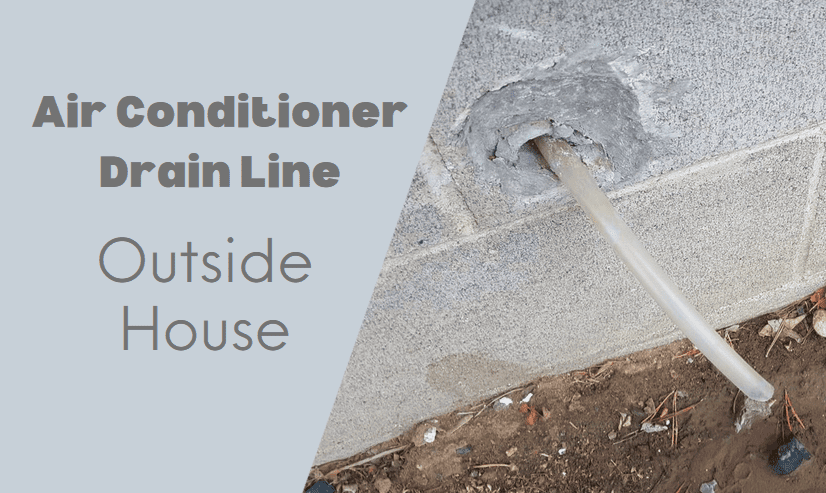
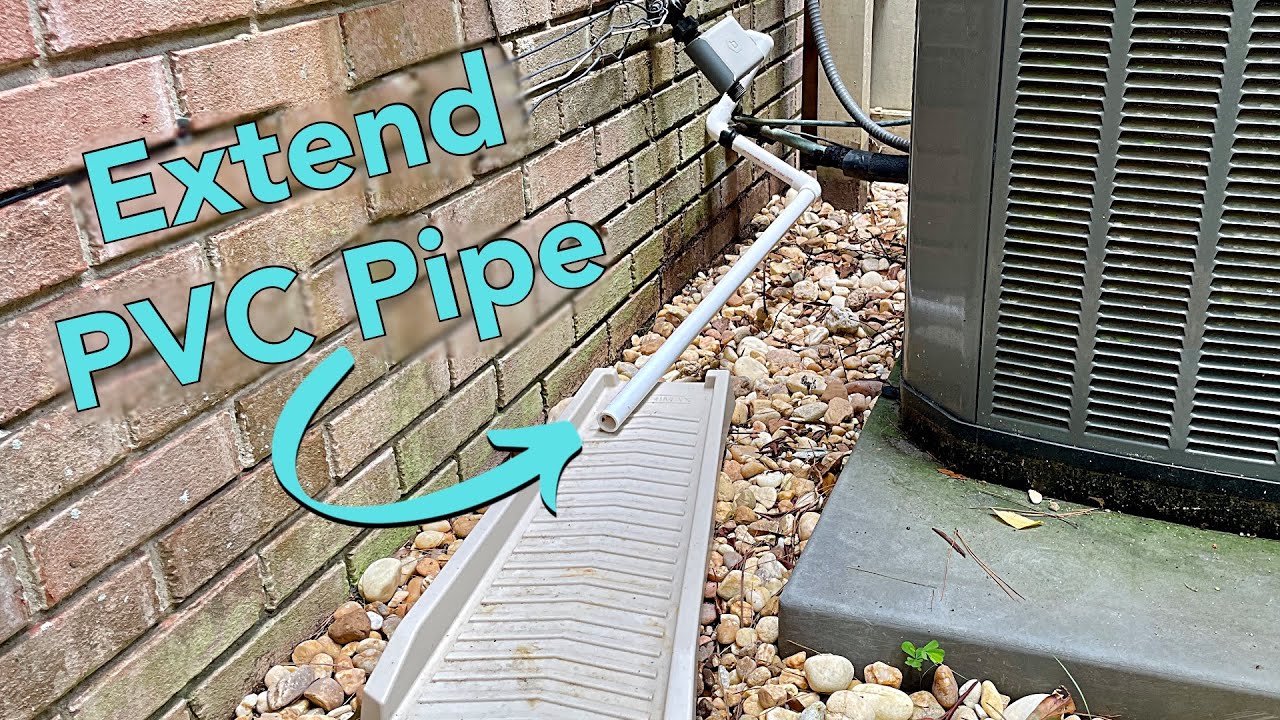
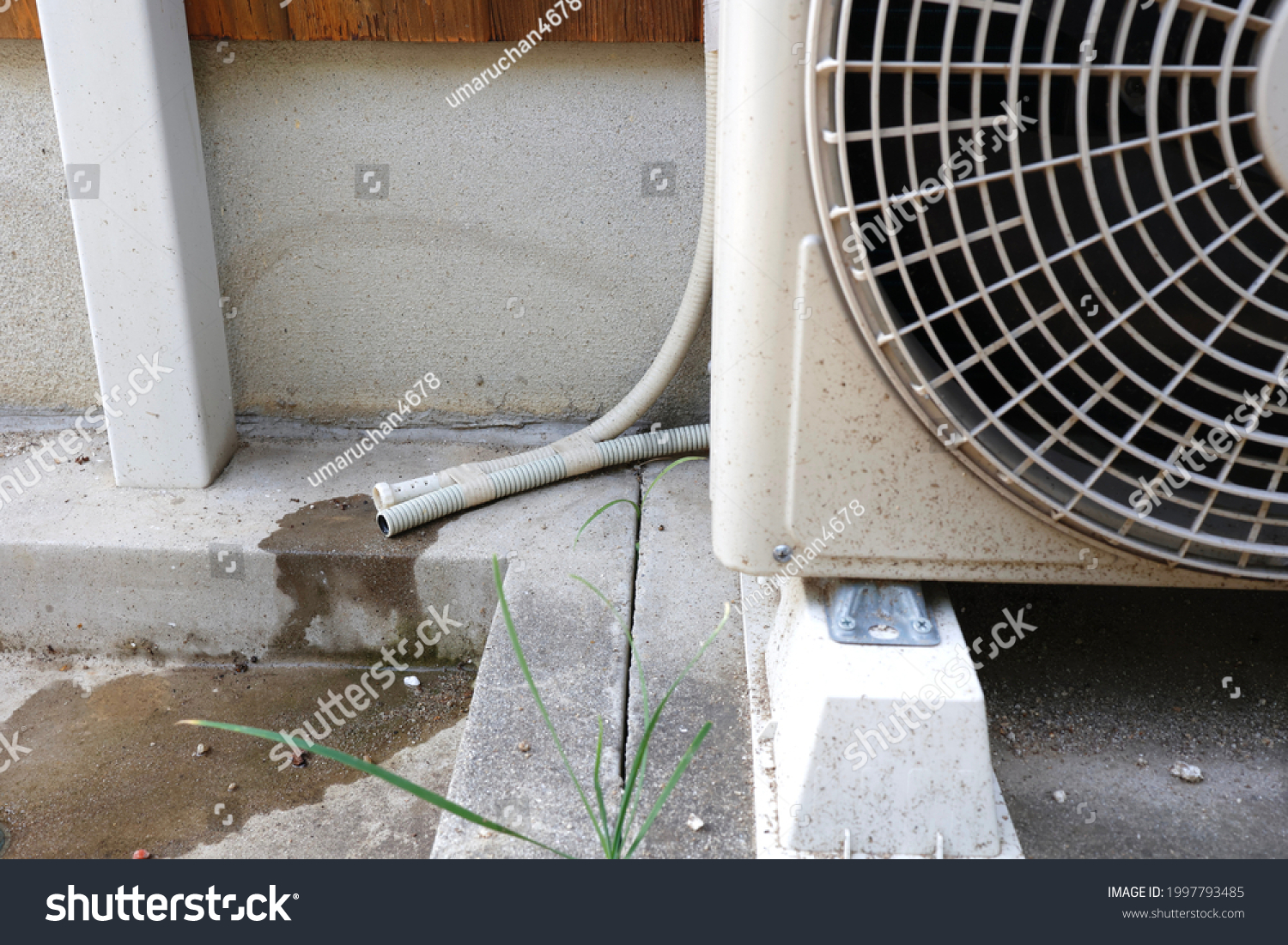
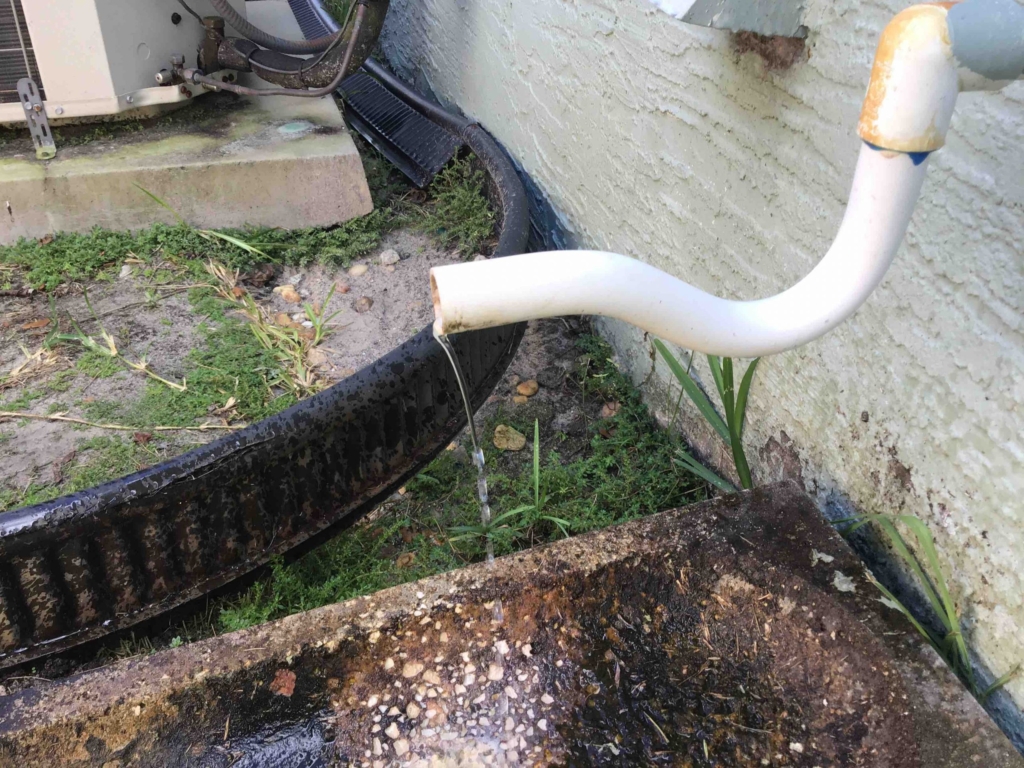
That PVC pipe sticking out of your house's exterior wall, often near the foundation or an outdoor AC unit? That's your air conditioner's drain line, and it plays a crucial role in keeping your home cool, dry, and free from water damage. While often overlooked, understanding and maintaining this unassuming component is key to ensuring peak HVAC performance, lowering energy bills, and preventing costly repairs. This article provides a comprehensive look at AC drain lines, focusing on troubleshooting, maintenance, and integrating smart home technology for optimal energy efficiency.
Understanding Your AC Drain Line: The Basics
Your air conditioner doesn't just cool air; it also removes humidity. This process creates condensation, which needs to be safely drained away from the system and your home. The drain line is the exit route for this condensation. Typically made of PVC piping, it runs from the indoor air handler (often located in your attic, basement, or a closet) to the outside of your house. A properly functioning drain line prevents water from backing up into your system, which can lead to:
- Mold and Mildew Growth: Stagnant water is a breeding ground for harmful microorganisms, potentially impacting indoor air quality.
- Water Damage: Backed-up water can damage walls, ceilings, and flooring.
- Reduced Cooling Efficiency: Water buildup can interfere with the AC unit's cooling process, forcing it to work harder and consume more energy.
- System Failure: In severe cases, water damage can lead to costly repairs or even the premature failure of your AC unit.
How the Drain Line Works
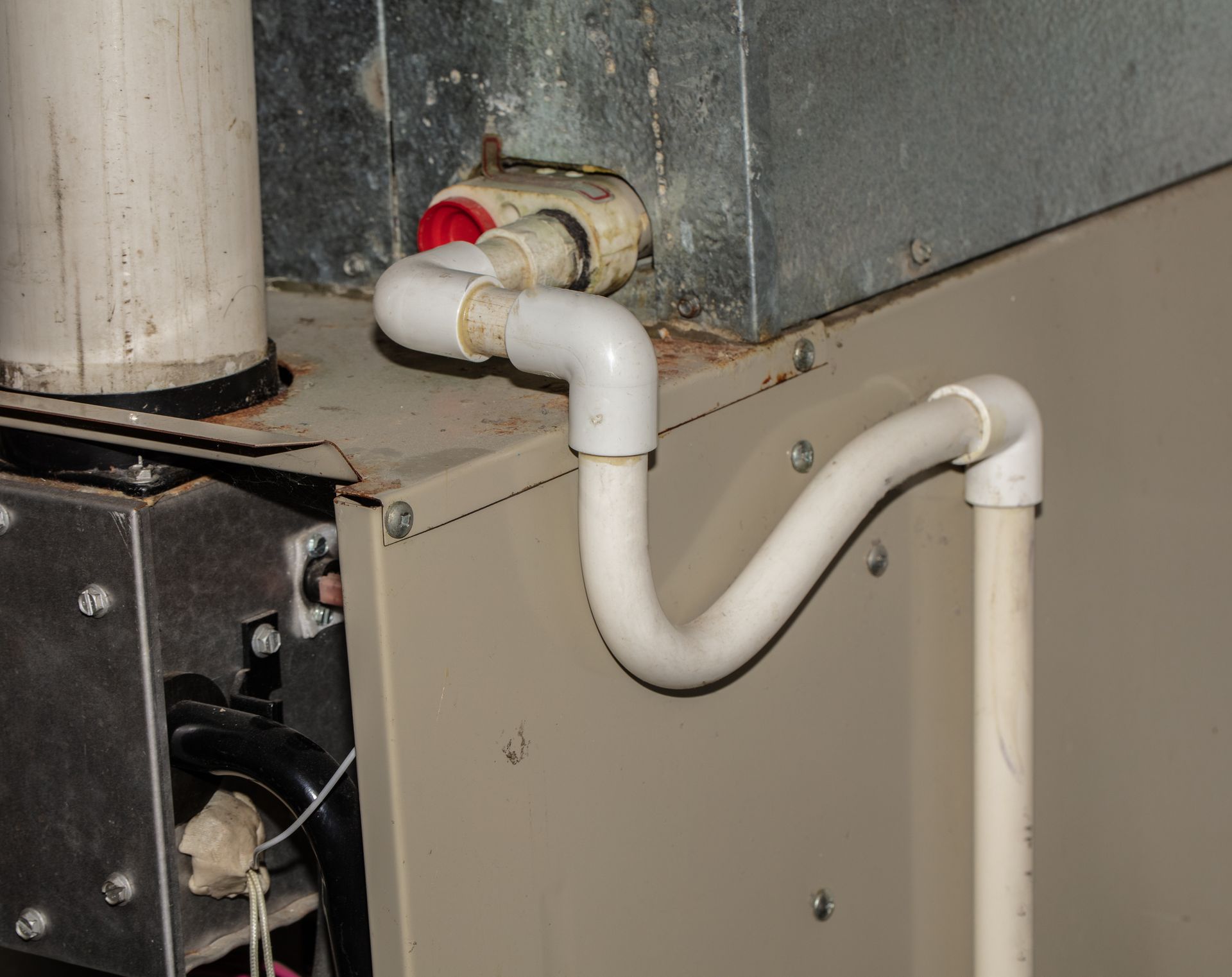
The process is simple, yet vital. As warm, humid air passes over the cold evaporator coil inside your air handler, moisture condenses on the coil. This condensate drips into a drain pan, which is connected to the drain line. Gravity then pulls the water through the drain line and out of your house.
Troubleshooting Common Drain Line Problems
The most common problem with AC drain lines is clogs. Dust, dirt, algae, and mineral deposits can accumulate inside the pipe, restricting or completely blocking water flow. Here's how to identify and address drain line issues:
- Signs of a Clogged Drain Line:
- Water leaks near the indoor air handler.
- Musty odors coming from your vents.
- Water stains on ceilings or walls near the AC unit.
- The AC unit shuts off unexpectedly.
DIY Drain Line Clearing Techniques
Before calling an HVAC professional, you can try these simple DIY methods to clear a clogged drain line:
- Wet/Dry Vacuum: Locate the drain line opening outside your house. Attach a wet/dry vacuum to the opening and create a tight seal. Turn on the vacuum for several minutes to suck out any debris.
- Pouring Vinegar: Pour a cup of white vinegar into the drain line access point (usually located near the air handler). Vinegar is a natural disinfectant and can help dissolve algae and mineral buildup. Let it sit for at least 30 minutes, then flush with water. Repeat if necessary.
- Using a Drain Snake: Carefully insert a drain snake (also known as an auger) into the drain line to break up and remove any clogs. Be gentle to avoid damaging the pipe.
Caution: If you're uncomfortable working with electrical equipment or unsure about any of these steps, it's always best to consult a qualified HVAC technician.
Preventative Maintenance: Keeping Your Drain Line Clear
Regular maintenance is the best way to prevent drain line clogs and ensure your AC system operates efficiently. Here's a maintenance schedule to follow:
- Monthly: Pour a cup of white vinegar into the drain line access point. This will help prevent the buildup of algae and mineral deposits.
- Quarterly: Inspect the drain line opening outside your house for any signs of debris or blockage. Use a wet/dry vacuum to remove any visible obstructions.
- Annually: Schedule a professional HVAC inspection and cleaning. A technician can thoroughly clean the drain line and identify any potential problems before they become major issues.
Energy Savings and ROI: The Impact of a Clean Drain Line
A clean and properly functioning drain line contributes significantly to energy savings. When the drain line is clogged, the AC unit has to work harder to cool your home, consuming more energy. Here's how a clean drain line translates to ROI:
- Improved Cooling Efficiency: A clean drain line allows the AC unit to operate at its optimal efficiency, reducing energy consumption. According to the Energy Star program, proper HVAC maintenance can reduce energy consumption by up to 30%.
- Reduced Energy Bills: Lower energy consumption directly translates to lower energy bills. The exact savings will vary depending on your location, climate, and energy rates, but the difference can be significant.
- Extended AC Unit Lifespan: By preventing water damage and reducing strain on the system, a clean drain line helps extend the lifespan of your AC unit, saving you money on premature replacements.
- Avoid Costly Repairs: Preventing clogs can help prevent costly repairs that water damage could cause.
Consider this: a typical AC repair due to water damage can range from $500 to $2,000 or more, while annual maintenance costs are typically a fraction of that amount. Investing in preventative maintenance for your drain line is a smart financial decision.
Smart Home Integration: Monitoring Your AC Drain Line
Integrating smart home technology can take your AC drain line maintenance to the next level. Smart sensors and thermostats can provide real-time data and alerts, helping you identify potential problems before they escalate. Here are some ways to integrate smart home technology:
- Water Leak Sensors: Place water leak sensors near the indoor air handler to detect any leaks caused by a clogged drain line. These sensors can send alerts to your smartphone, allowing you to take immediate action.
- Smart Thermostats: Many smart thermostats monitor humidity levels and can provide insights into your AC system's performance. Some can even detect unusual temperature fluctuations that may indicate a drain line problem. Nest and ecobee are popular options.
- Smart Flow Sensors: While less common, these sensors can be installed directly in the drain line to monitor water flow. They can detect blockages or reduced flow, alerting you to potential problems.
By integrating these smart technologies, you can proactively monitor your AC drain line and prevent costly problems. This also allows you to optimize your HVAC system for maximum energy efficiency, further reducing your energy bills.
Rebates and Incentives for Energy-Efficient HVAC Systems
Many utility companies and government agencies offer rebates and incentives for upgrading to energy-efficient HVAC systems and implementing energy-saving measures. These programs can significantly reduce the upfront cost of upgrading your system and further enhance your ROI. Be sure to check with your local utility company and state energy office for available programs.
- Federal Tax Credits: The federal government offers tax credits for certain energy-efficient home improvements, including HVAC upgrades. Check the Energy Star website for the latest information on available tax credits.
- Utility Rebates: Many utility companies offer rebates for purchasing energy-efficient AC units and smart thermostats. These rebates can range from a few hundred dollars to several thousand dollars, depending on the system's efficiency rating.
- State and Local Incentives: Some state and local governments offer additional incentives for energy-efficient home improvements. These incentives may include tax credits, grants, or low-interest loans.
Choosing an HVAC Contractor: Expertise and Efficiency
When it comes to maintaining or upgrading your AC system, choosing a qualified and experienced HVAC contractor is crucial. Look for a contractor who:
- Is licensed and insured: This ensures that the contractor is properly trained and qualified to perform HVAC work.
- Has experience with energy-efficient systems: Ask about the contractor's experience with installing and maintaining high-efficiency AC units and smart home technologies.
- Offers a comprehensive maintenance plan: A good maintenance plan should include regular drain line cleaning and inspection.
- Provides transparent pricing: Get a detailed estimate upfront, including all costs associated with the work.
- Offers warranties and guarantees: This protects you in case of any problems with the work performed.
By selecting a reputable contractor, you can ensure that your AC system is properly maintained and operating at its peak efficiency, saving you money and energy in the long run.
Conclusion
The seemingly insignificant AC drain line is a vital component of your home's cooling system. By understanding its function, troubleshooting common problems, and implementing preventative maintenance, you can ensure that your AC system operates efficiently, reduces energy consumption, and prevents costly repairs. Integrating smart home technology further enhances your ability to monitor and optimize your HVAC system, while taking advantage of available rebates and incentives can significantly reduce the upfront cost of energy-efficient upgrades. Whether you're a homeowner looking to save on energy bills, a business upgrading to eco-friendly systems, or a smart home enthusiast, taking care of your AC drain line is a smart investment in your comfort, your wallet, and the environment.