Air Conditioner Efficiency Vs Outside Temperature
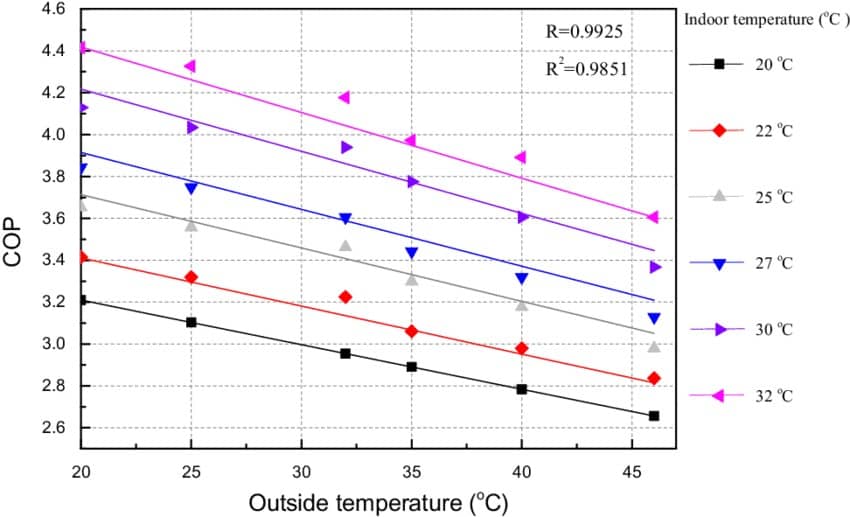
It's a familiar summer frustration: you crank up the air conditioner, the unit runs and runs, but the house stubbornly refuses to cool down, or worse, the electric bill skyrockets despite seemingly minimal cooling. Often, the culprit isn't a broken AC unit, but a decrease in its efficiency relative to the outside temperature. Let's break down how to diagnose this problem and explore some simple fixes before calling in a professional.
Understanding the Problem: Air Conditioner Efficiency and Heat Load
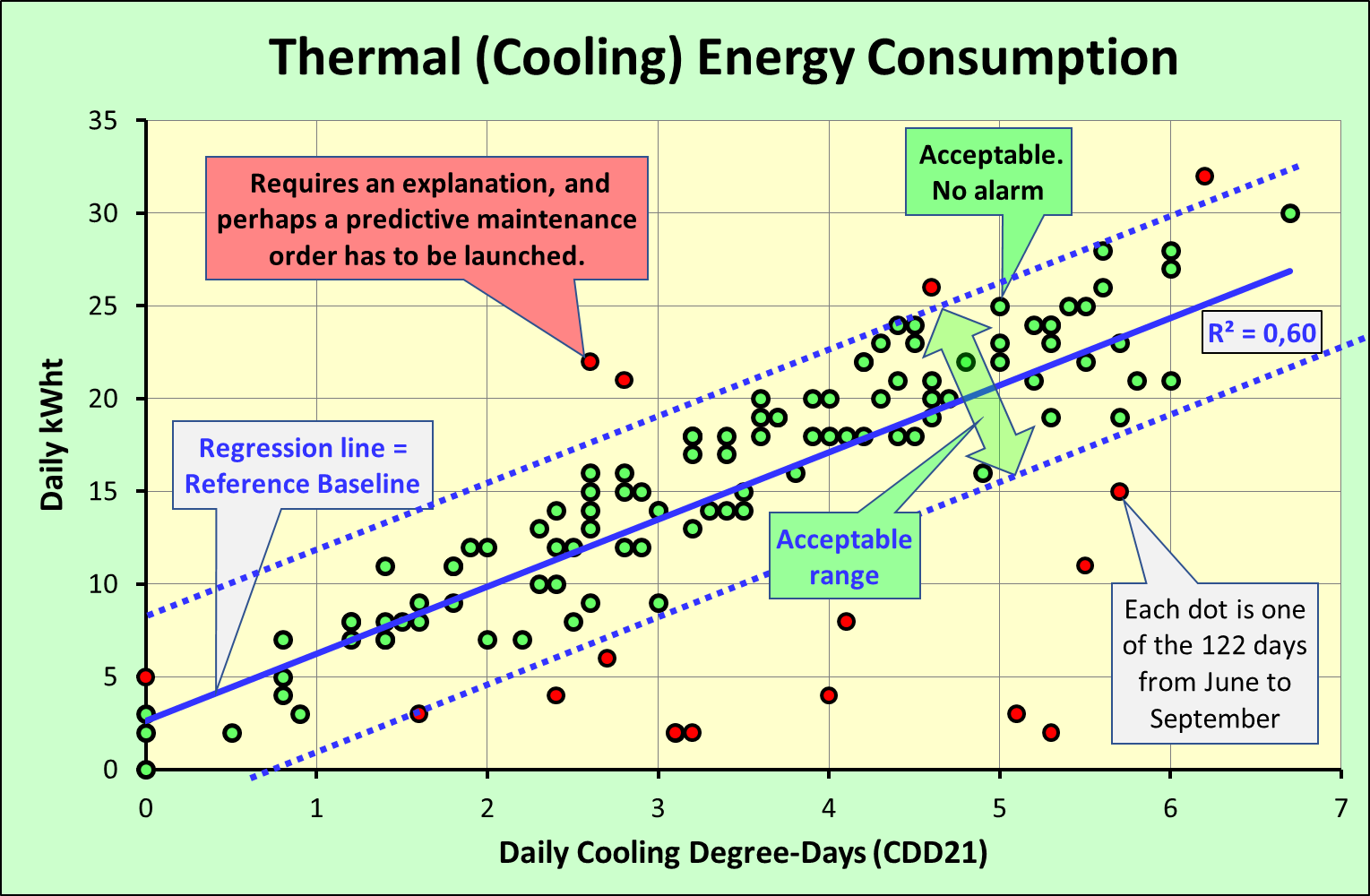
Air conditioners are designed to work within a specific temperature range. They're not magical ice boxes; they remove heat from your home and transfer it outside. When the outside temperature climbs significantly, the air conditioner has to work much harder to expel that heat. Think of it like trying to bail water out of a boat that's taking on water faster than you can bail. The higher the outside temperature, the higher the heat load on your AC, and the less efficiently it operates.
Several factors contribute to this reduced efficiency. The refrigerant inside your AC system has to work harder to absorb and release heat. The compressor, the heart of your AC, has to run longer and at higher pressure, consuming more energy. Furthermore, your home's insulation plays a critical role. If your insulation is poor, heat will seep in faster than the AC can remove it, leading to a continuous battle against the rising temperature.
Before assuming your AC is broken, let’s go through a systematic troubleshooting process.
Step 1: Checking the Thermostat Settings
This might seem obvious, but it's the easiest place to start. Ensure your thermostat is set correctly. Make sure it's set to "Cool" and the desired temperature is lower than the current room temperature. A common mistake is accidentally leaving it on "Fan Only," which simply circulates air without cooling.
Verify the thermostat is functioning properly. Try lowering the set temperature by several degrees. You should hear the AC unit kick on after a short delay. If nothing happens, the thermostat itself may be faulty. Consider replacing the batteries in the thermostat, if applicable, or trying a different thermostat if you have a spare.
Programming Considerations: If you have a programmable thermostat, double-check the schedule. Ensure it isn't programmed to raise the temperature during the day when you want it to be cooler.
Step 2: Inspecting the Air Filter
A dirty air filter is the most common cause of reduced AC efficiency. It restricts airflow, forcing the AC unit to work harder to pull air through. This can lead to overheating, reduced cooling capacity, and even damage to the compressor.
Locate the air filter. It's usually located in the air handler unit, often in a slot behind a return air vent. Consult your AC unit's manual if you're unsure where it is.
Remove and inspect the filter. If it's visibly dirty with dust, dirt, and debris, it needs to be cleaned or replaced. Most disposable filters should be replaced every 1-3 months, depending on usage and air quality.
Clean or replace the filter. If you have a reusable filter, wash it with mild soap and water, allow it to dry completely before reinstalling. If you have a disposable filter, replace it with a new one of the correct size and type. Make sure the arrow on the filter points in the direction of airflow.
Step 3: Examining the Outdoor Unit (Condenser)
The outdoor unit (condenser) is responsible for releasing heat from the refrigerant. If it's blocked or dirty, it can't efficiently dissipate heat, reducing the overall cooling performance of your AC.
Safety First! Before inspecting or cleaning the outdoor unit, turn off the power to the AC at the breaker box. This is crucial to prevent electrical shock.
Check for obstructions. Look for anything blocking airflow around the unit, such as bushes, trees, leaves, or debris. Clear away any obstructions to ensure the unit has plenty of ventilation.
Clean the condenser fins. The condenser fins are the thin metal plates surrounding the unit. Over time, they can accumulate dirt, dust, and grime. Use a garden hose with a gentle spray nozzle to clean the fins. Spray from the inside out to avoid bending them. Avoid using a pressure washer, as it can damage the fins. For stubborn dirt, use a fin comb to gently straighten any bent fins.
Step 4: Assessing Airflow from Vents
Check the airflow from all your supply vents. A significant reduction in airflow can indicate a blockage in the ductwork or a problem with the blower motor.
Feel the airflow. Place your hand near each vent and feel the strength of the airflow. It should be consistent and relatively strong. If some vents have weak airflow, investigate further.
Look for closed or blocked vents. Ensure all vents are fully open and not obstructed by furniture, rugs, or curtains. Sometimes, people inadvertently close vents in rooms they don't use, which can disrupt airflow throughout the system.
Inspect the ductwork. If you can access your ductwork (often in the attic or crawl space), visually inspect it for any obvious leaks or damage. Look for disconnected sections, holes, or tears in the insulation. Sealing any leaks with duct tape (or better yet, mastic sealant) can significantly improve airflow.
Step 5: Checking for Refrigerant Leaks (Proceed with Caution!)
Refrigerant leaks are a common cause of reduced AC efficiency. If the refrigerant level is low, the AC unit won't be able to cool effectively.
Important Note: Handling refrigerant requires specialized equipment and training. Do not attempt to add refrigerant yourself! This is a job for a qualified HVAC technician.
Look for signs of leaks. Listen for hissing sounds near the AC unit or refrigerant lines. Check the copper pipes for oily residue, which can indicate a leak. If you suspect a refrigerant leak, do not touch the affected area. Contact a professional immediately.
Monitor ice formation. In some cases, a refrigerant leak can cause ice to form on the evaporator coil (usually located inside the air handler). If you see ice, turn off the AC immediately and call a professional. Running the AC with a frozen coil can damage the compressor.
Step 6: Evaluating Insulation and Sealing
Your home's insulation and sealing play a crucial role in maintaining a comfortable temperature and reducing the load on your AC. Poor insulation allows heat to enter your home more easily, while air leaks allow conditioned air to escape.
Assess your insulation levels. Check the insulation in your attic, walls, and crawl space. The recommended insulation levels vary depending on your climate, but generally, you should have at least R-30 insulation in the attic. If your insulation is thin or deteriorated, consider adding more.
Seal air leaks. Inspect your home for air leaks around windows, doors, pipes, and electrical outlets. Use caulk or weather stripping to seal any gaps. Pay particular attention to areas where different materials meet, such as where the walls meet the foundation or where the roof meets the walls.
Consider professional energy audit. A professional energy audit can identify hidden air leaks and insulation deficiencies that you might miss. They can also provide recommendations for improving your home's energy efficiency.
Step 7: Understanding AC Capacity and Sizing
An undersized AC unit will struggle to cool your home effectively, especially on hot days. Conversely, an oversized unit can cycle on and off too frequently, leading to poor dehumidification and increased wear and tear.
Check the AC unit's capacity. The capacity of an AC unit is measured in tons (1 ton = 12,000 BTU/hour). The correct size depends on the size of your home, its insulation levels, and your climate. A general rule of thumb is to use 20 BTU per square foot of living space, but this is just an estimate.
Consult with an HVAC professional. If you suspect your AC unit is the wrong size, consult with an HVAC professional. They can perform a load calculation to determine the appropriate size for your home.
When to Call a Professional
While many AC efficiency problems can be resolved with simple DIY fixes, some issues require professional intervention. It's time to call an HVAC technician if:
- You suspect a refrigerant leak.
- The compressor is making unusual noises or not functioning properly.
- The blower motor is not working or is making strange noises.
- You see ice forming on the evaporator coil.
- You are uncomfortable working with electrical components.
- You have tried the DIY fixes above and the AC is still not cooling effectively.
Don't delay calling a professional if you suspect a serious problem. Ignoring a minor issue can lead to more significant and costly repairs down the road. A qualified technician can diagnose the problem accurately and recommend the best course of action.
By following these steps, you can diagnose and address many common AC efficiency problems related to outside temperature. Remember to prioritize safety and don't hesitate to call a professional when needed. A well-maintained and properly functioning AC system will keep you comfortable all summer long and save you money on your energy bills.