Air Conditioner For 900 Square Feet
Choosing the right air conditioner is crucial for maintaining comfort and optimizing energy efficiency in your home or business. If you're dealing with a 900 square foot space, selecting an appropriately sized and energy-efficient AC unit is paramount. This article delves into the factors to consider, types of air conditioners suitable for this space, energy-saving tips, and the benefits of smart HVAC integration.
Sizing it Right: BTU and Square Footage
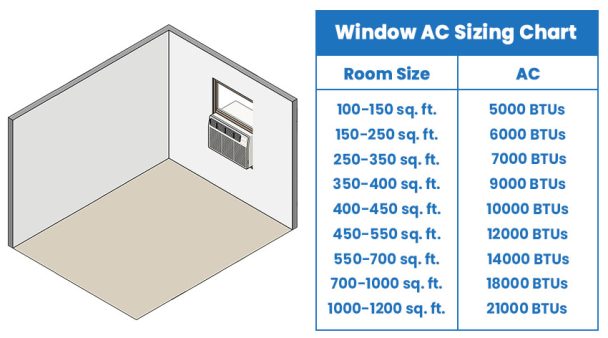
The first step in selecting an air conditioner is determining the British Thermal Units (BTUs) needed. BTU measures the amount of heat an air conditioner can remove from a room per hour. An undersized unit will struggle to cool the space effectively, leading to discomfort and excessive energy consumption. An oversized unit, on the other hand, cycles on and off too frequently, resulting in uneven cooling, increased wear and tear, and wasted energy.
As a general guideline, 20 BTU per square foot is usually recommended. Therefore, for a 900 square foot space, you'd ideally need an air conditioner with approximately 18,000 BTU (900 sq ft x 20 BTU/sq ft = 18,000 BTU). However, this is just a starting point. Several other factors influence the optimal BTU requirement:
- Climate: Hotter climates generally require more BTUs.
- Insulation: Poor insulation allows more heat to enter the space, increasing the BTU requirement.
- Sun Exposure: Rooms with significant sun exposure need more cooling power.
- Number of Occupants: More people generate more heat.
- Appliances: Heat-generating appliances like computers and stoves increase the cooling load.
- Ceiling Height: Higher ceilings mean a larger volume of air to cool.
For example, if your 900 sq ft space is located in a very hot climate like Arizona, has poor insulation, and receives direct sunlight for much of the day, you might need to consider an AC unit slightly larger than 18,000 BTU. Conversely, a well-insulated space in a milder climate may require slightly less. Consulting with an HVAC professional for a load calculation is always recommended to ensure accurate sizing.
Types of Air Conditioners for 900 Square Feet
Several types of air conditioners can effectively cool a 900 square foot area. Here's a look at the most common options:
Window Air Conditioners
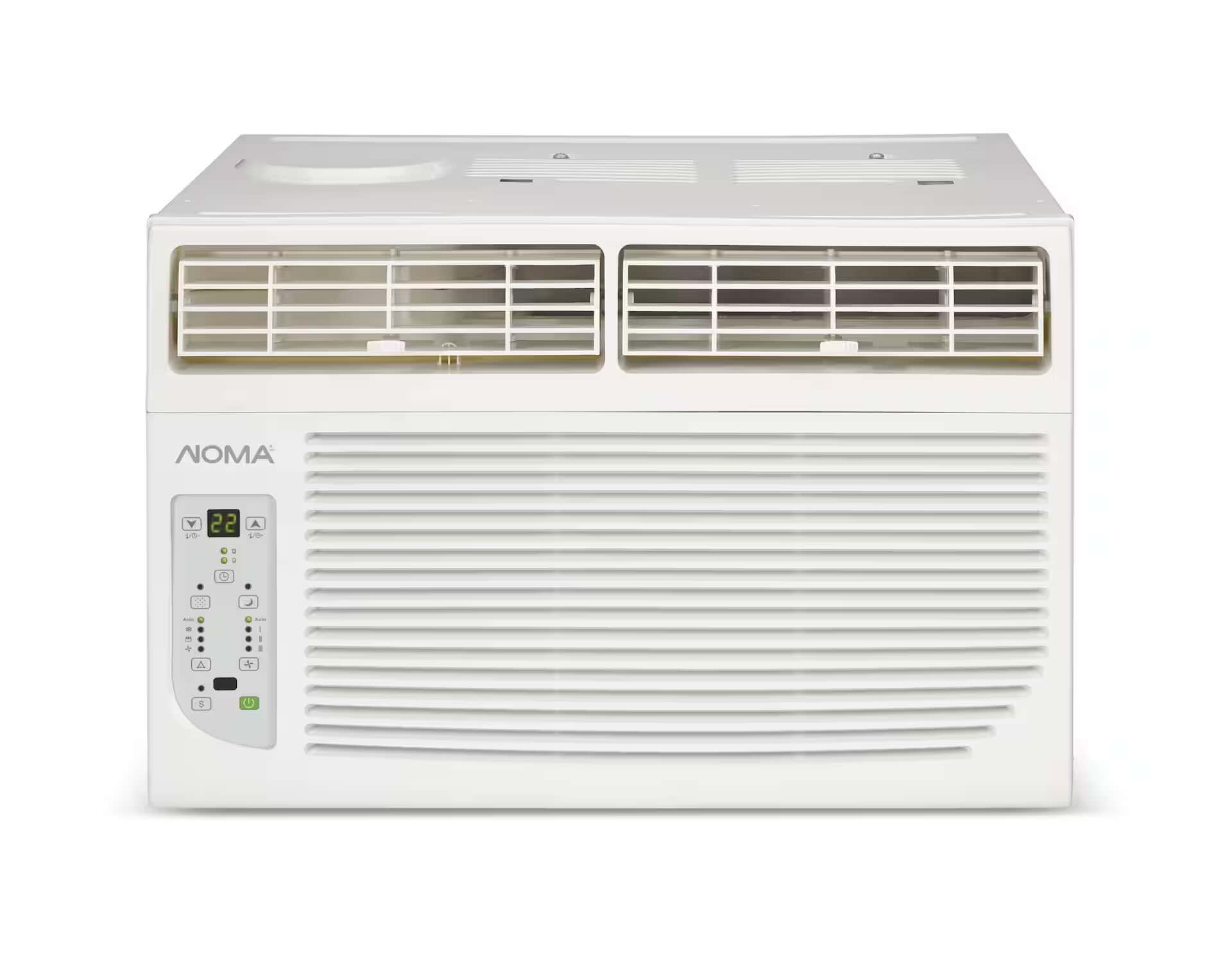
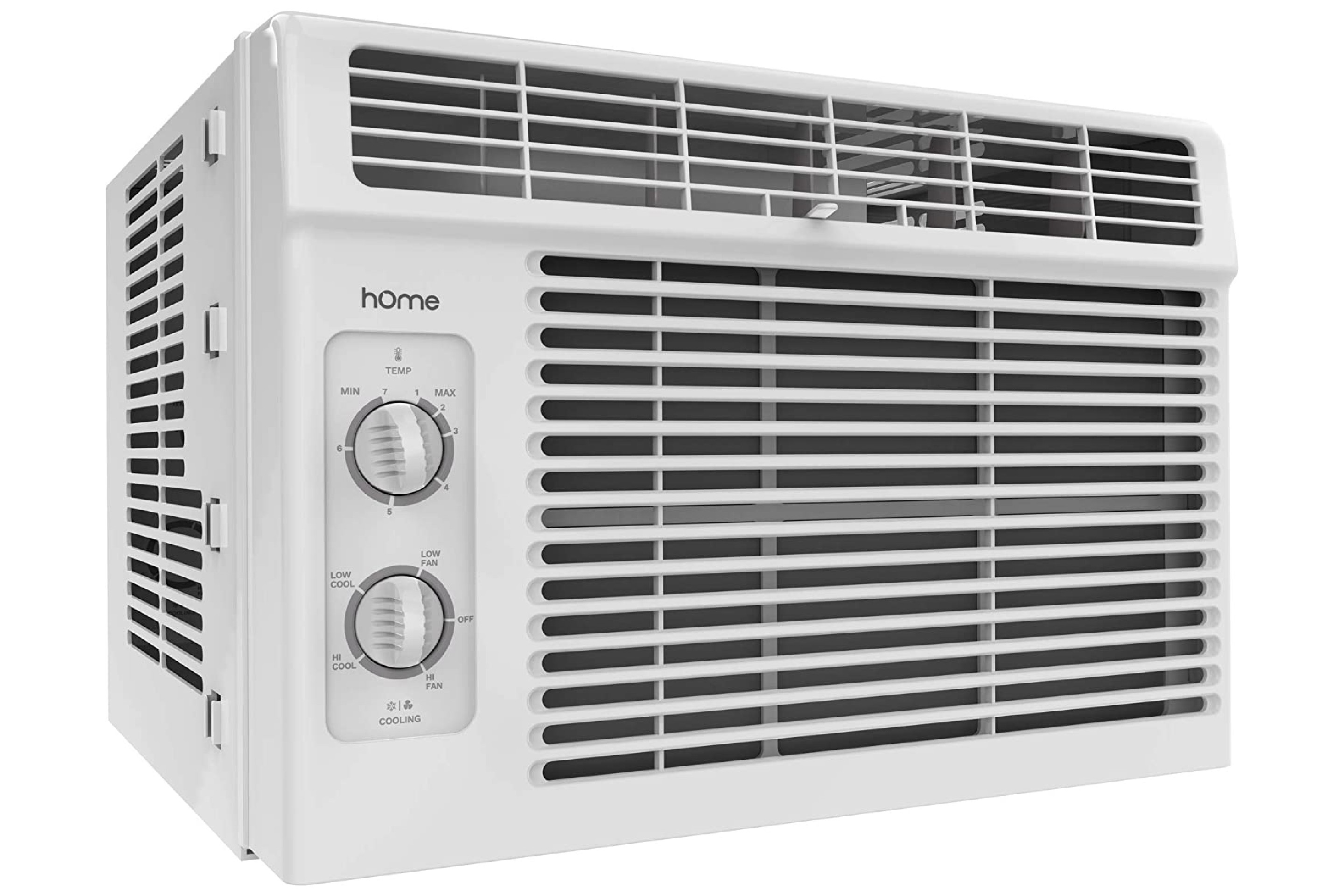
Window air conditioners are a cost-effective solution for cooling individual rooms. For 900 square feet, you’ll likely need a larger window unit, possibly two smaller ones, depending on the room layout. Pros: * Affordable upfront cost. * Easy to install (generally). * Portable (can be moved between windows). Cons: * Can be noisy. * Obstructs the window. * Less energy-efficient than other options (typically). * Security vulnerability.
Portable Air Conditioners
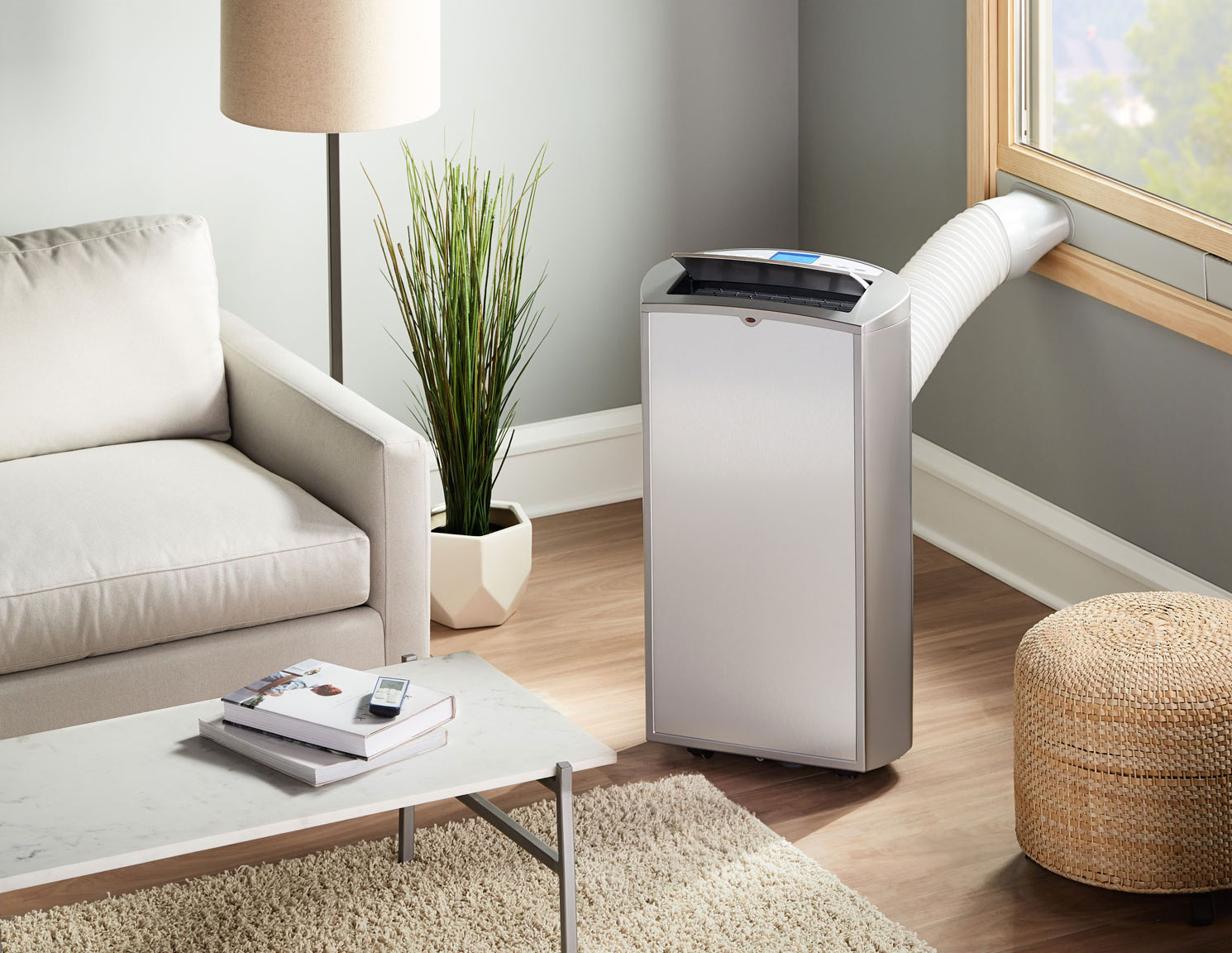
Portable air conditioners are self-contained units that can be moved from room to room. They vent hot air through a window using a hose. Pros: * No permanent installation required. * Can be moved to different rooms. Cons: * Less energy-efficient than window units or mini-splits. * Can be noisy. * Requires venting to the outside. * Takes up floor space.
Mini-Split Air Conditioners (Ductless)
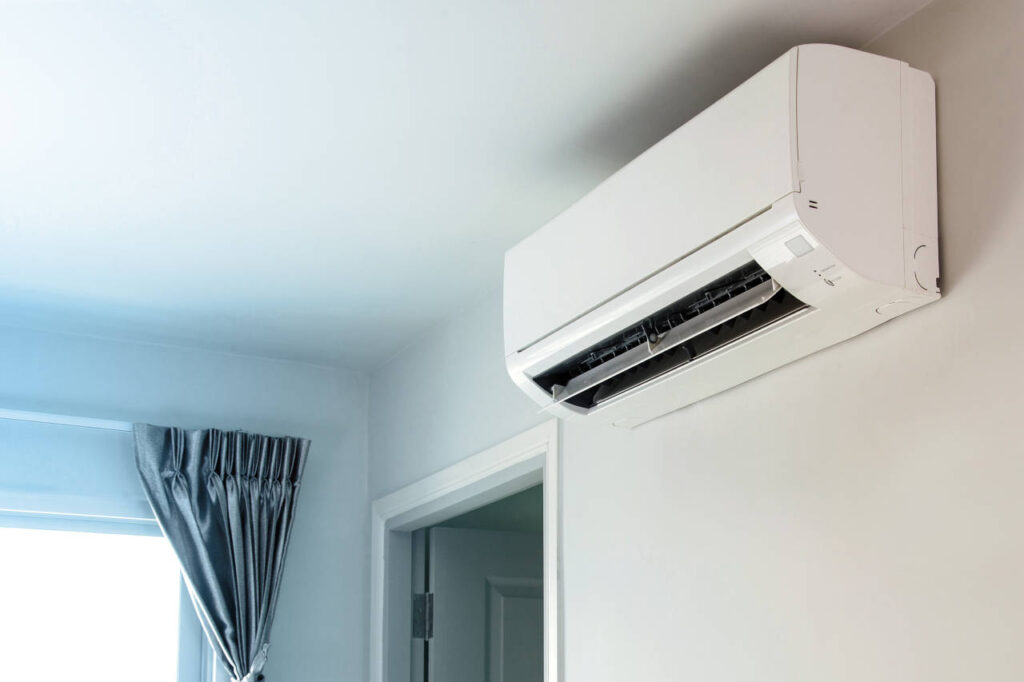
Mini-split air conditioners consist of an outdoor compressor unit and one or more indoor air handlers. They are connected by refrigerant lines and electrical wiring. For 900 square feet, a single-zone mini-split system might be sufficient, especially if the space is relatively open. Pros: * Energy-efficient (many models are Energy Star certified). * Quiet operation. * Individual zone control. * No ductwork required. Cons: * Higher upfront cost than window or portable units. * Professional installation required. * Outdoor unit needs space.
Central Air Conditioning
If you have existing ductwork or are considering a whole-house cooling solution, central air conditioning might be an option. A central AC system uses a single outdoor compressor unit to cool air that is then distributed throughout the house via ductwork. While it might seem like overkill for just 900 square feet, it could be a viable solution if you plan to expand the cooled area in the future. Pros: * Even cooling throughout the entire space. * Quieter operation compared to window or portable units. * Can be integrated with a furnace for year-round climate control. Cons: * Highest upfront cost. * Requires existing ductwork (or ductwork installation). * Less energy-efficient than mini-splits if only cooling a small area.
Energy Efficiency and SEER Ratings
When choosing an air conditioner, pay close attention to the Seasonal Energy Efficiency Ratio (SEER). The SEER rating indicates how efficiently an AC unit cools. The higher the SEER rating, the more energy-efficient the unit. The Energy Star program recommends a minimum SEER rating of 15 for room air conditioners and higher for central AC and mini-split systems.
Investing in a high-SEER air conditioner can significantly reduce your energy bills over the long term. For example, replacing a 10-SEER unit with a 16-SEER unit can reduce your cooling energy consumption by up to 40%. Look for the Energy Star label to identify the most energy-efficient models. Rebates and tax credits are often available for purchasing Energy Star certified appliances, further reducing the initial cost.
Example Calculation: Consider running an 18,000 BTU air conditioner for 8 hours a day for 4 months (120 days). Let’s compare a 10-SEER unit to a 16-SEER unit, assuming an electricity cost of $0.15 per kWh.
10-SEER: 18,000 BTU / 10 SEER = 1800 Watts = 1.8 kW. 1.8 kW x 8 hours/day x 120 days x $0.15/kWh = $259.20
16-SEER: 18,000 BTU / 16 SEER = 1125 Watts = 1.125 kW. 1.125 kW x 8 hours/day x 120 days x $0.15/kWh = $162.00
Annual Savings: $259.20 - $162.00 = $97.20. This simple calculation shows the potential savings you can achieve by choosing a more energy-efficient unit.
Smart HVAC Integration
Integrating your air conditioner with smart home technology can further enhance energy efficiency and comfort. Smart thermostats, sensors, and apps allow you to control your AC unit remotely, schedule cooling cycles, and monitor energy consumption.
Benefits of Smart HVAC:
* Remote Control: Adjust the temperature from anywhere using your smartphone or tablet. * Scheduling: Set cooling schedules to automatically adjust the temperature based on your occupancy patterns. * Geofencing: Automatically turn on or off the AC when you enter or leave a designated area. * Energy Monitoring: Track your energy consumption and identify areas for improvement. * Voice Control: Control your AC using voice commands with virtual assistants like Amazon Alexa or Google Assistant. * Zoning: Smart systems can allow for zonal temperature control even with central AC systems via smart vents.Many modern air conditioners, especially mini-splits and central AC systems, are compatible with smart thermostats and other smart home devices. When choosing an air conditioner, consider its compatibility with your existing smart home ecosystem.
Maintenance and Longevity
Proper maintenance is essential for ensuring the longevity and efficiency of your air conditioner. Regular maintenance tasks include:
* Cleaning or replacing air filters: Dirty air filters restrict airflow, forcing the AC unit to work harder and consume more energy. Change your air filter every 1-3 months, depending on usage and air quality. * Cleaning the condenser coils: The condenser coils are located on the outdoor unit and can become dirty over time. Clean the coils regularly to ensure proper heat transfer. * Checking refrigerant levels: Low refrigerant levels can reduce cooling efficiency and damage the compressor. Have a qualified HVAC technician check the refrigerant levels annually. * Inspecting ductwork (for central AC): Leaky ductwork can waste significant amounts of energy. Seal any leaks to improve efficiency.By performing regular maintenance, you can extend the lifespan of your air conditioner and ensure that it operates at peak efficiency, saving you money on energy bills.
Government Incentives and Rebates
Many government and utility companies offer incentives and rebates for purchasing energy-efficient air conditioners. Check with your local utility company and state energy office for available programs. The Database of State Incentives for Renewables & Efficiency (DSIRE) is a comprehensive online resource for finding incentives in your area.
These incentives can significantly reduce the upfront cost of a new, energy-efficient air conditioner, making it an even more attractive investment.
Professional Installation
While window and portable air conditioners can be installed relatively easily, mini-split and central AC systems require professional installation. A qualified HVAC technician can properly size the unit, install it according to manufacturer specifications, and ensure that it operates safely and efficiently.
Improper installation can lead to reduced performance, increased energy consumption, and potential safety hazards. Hiring a licensed and insured HVAC contractor is crucial for ensuring a successful installation.
Conclusion
Choosing the right air conditioner for a 900 square foot space involves careful consideration of factors such as BTU requirements, energy efficiency, and smart home integration. By selecting an appropriately sized and energy-efficient unit, and by implementing smart controls and regular maintenance, you can create a comfortable and energy-efficient environment while saving money on your energy bills. Don't forget to explore available rebates and government incentives to further reduce the cost of your investment. Consulting with a qualified HVAC professional is always recommended to ensure that you choose the best solution for your specific needs and budget.
:max_bytes(150000):strip_icc()/ms-ac-composite-amazon-frigidaire-13f291ef782a4402a1626b4f65d851cf.jpg)