
Air Conditioner For A Vertical Window
Air Conditioners for Vertical Windows: A Comprehensive Guide
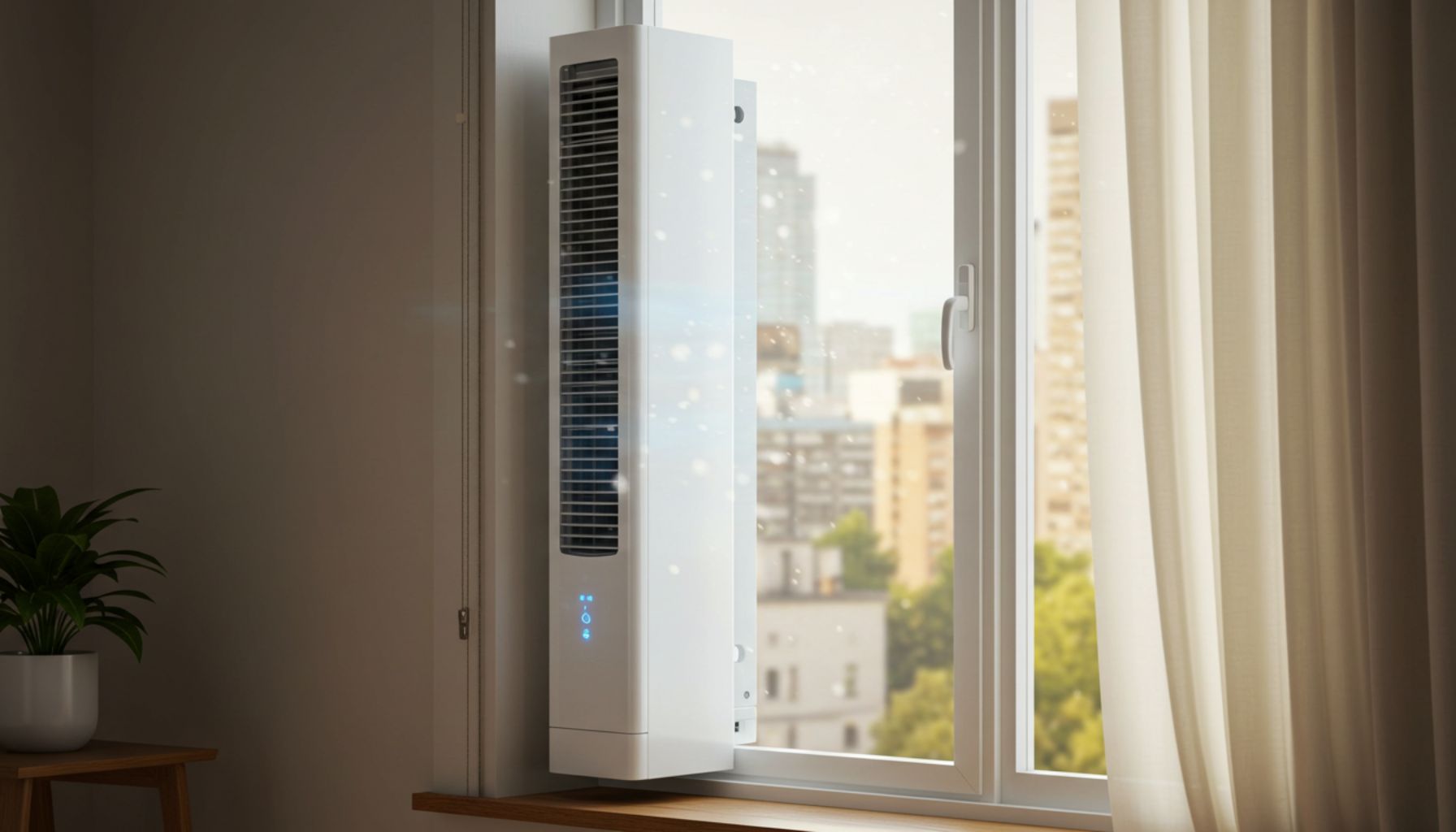
Finding the right air conditioner for a vertical window can be a challenge. Unlike standard horizontal sliding windows, vertical windows – often single-hung or double-hung – require specific types of AC units or innovative installation solutions. This guide explores the options available, weighing the pros and cons of each to help you make an informed decision.
Understanding Your Options
While standard window AC units are designed for horizontal windows, several alternatives cater to vertical window configurations:
- Portable Air Conditioners: These freestanding units vent through a window using an exhaust hose.
- Casement Window Air Conditioners: Specifically designed for narrower, vertical windows, though sizing can still be an issue.
- Through-the-Wall Air Conditioners: Installed permanently through an exterior wall, bypassing the window altogether.
- Ductless Mini-Split Systems: Offer a more permanent and efficient solution, with an outdoor compressor connected to an indoor unit.
- Custom Window AC Brackets/Modifications: Allow for creative installation of a standard window AC unit in a vertical window.
Portable Air Conditioners: Flexibility and Convenience
Portable air conditioners are a popular choice due to their ease of installation and mobility. They don't require permanent installation and can be moved from room to room as needed.
Pros:
- Easy Installation: Simply vent the exhaust hose through the window using the included window kit.
- Portability: Move the unit to different rooms as needed.
- No Permanent Modification: Doesn't require any changes to your window or wall.
- Relatively Affordable: Generally less expensive than other options like mini-splits.
Cons:
- Lower Energy Efficiency: Typically less efficient than window or mini-split units.
- Noise Levels: Can be noisier than other types of air conditioners.
- Window Kit Required: The window kit can be bulky and may not fit all vertical windows perfectly.
- Takes up Floor Space: Requires floor space, which can be a concern in smaller rooms.
Features to Consider:
- BTU Rating: Choose a BTU rating appropriate for the room size.
- Energy Efficiency: Look for units with a good Energy Efficiency Ratio (EER).
- Noise Level: Check the decibel rating (dB) to ensure it's acceptable.
- Features: Look for features like programmable timers, remote control, and multiple fan speeds.
- Self-Evaporating Technology: Reduces the need to empty a water tank.
Popular Brands and Models:
- Whynter ARC-14S: A popular choice known for its cooling power and features.
- Honeywell HL Series: Offers a range of models with varying BTU ratings.
- Black+Decker BPACT08WT: A more budget-friendly option for smaller rooms.
Pricing: Portable air conditioners typically range from $300 to $800, depending on BTU rating and features.
Casement Window Air Conditioners: A Designed Solution
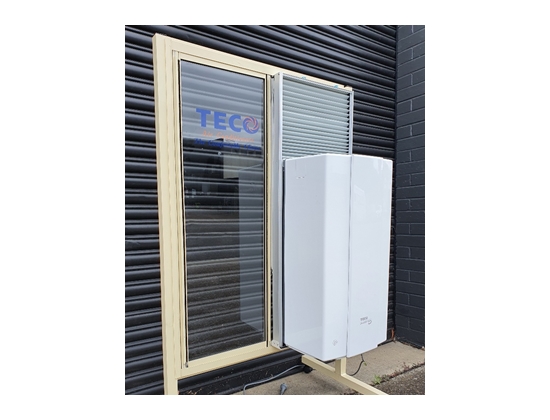
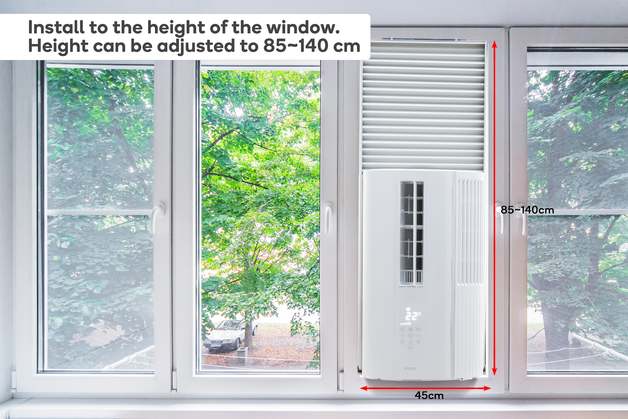
Casement window air conditioners are specifically designed for vertical windows. Their narrower design allows them to fit into the opening more easily.
Pros:
- Designed for Vertical Windows: Specifically designed for casement and other vertical window types.
- More Efficient Than Portable Units: Generally more energy-efficient than portable air conditioners.
- Secure Installation: Provides a more secure and stable installation compared to portable units.
Cons:
- Limited Availability: Fewer models available compared to standard window AC units.
- Sizing Issues: Finding the right size for your window can still be a challenge.
- Installation Challenges: Can still require some modifications or custom brackets for optimal fit.
Features to Consider:
- BTU Rating: Match the BTU rating to the room size.
- SEER Rating: Look for a higher SEER rating for better energy efficiency.
- Dimensions: Carefully measure your window opening to ensure a proper fit.
- Installation Kit: Check if an installation kit is included.
Popular Brands and Models:
- Frigidaire FRC084WC1: A well-regarded casement window air conditioner.
- GE AHE08AC: A reliable option with multiple cooling modes.
Pricing: Casement window air conditioners typically range from $400 to $900.
Through-the-Wall Air Conditioners: A Permanent Solution
Through-the-wall air conditioners are installed permanently through an exterior wall, providing a more robust cooling solution. They bypass the need for a window altogether.
Pros:
- No Window Obstruction: Doesn't block any window space.
- More Secure: Offers a more secure installation compared to window units.
- Potentially Higher Cooling Capacity: Can handle larger spaces compared to some window units.
Cons:
- Permanent Installation: Requires cutting a hole in your wall.
- Professional Installation Recommended: Installation is more complex and typically requires a professional.
- More Expensive: Generally more expensive than window or portable units, considering installation costs.
- Requires Exterior Access: Needs sufficient space on the exterior of the wall for proper ventilation.
Features to Consider:
- BTU Rating: Choose a BTU rating appropriate for the room size.
- EER/SEER Rating: Look for a high EER or SEER rating for better energy efficiency.
- Wall Sleeve: Ensure the unit comes with a compatible wall sleeve.
- Installation Requirements: Understand the installation requirements before purchasing.
Popular Brands and Models:
- Friedrich Uni-Fit Series: Known for their quiet operation and energy efficiency.
- LG LT1230CR: A reliable option with multiple cooling modes.
- Koldfront WTC8000W: A more budget-friendly option for smaller spaces.
Pricing: Through-the-wall air conditioners typically range from $500 to $1200, excluding installation costs, which can add another $200-$500.
Ductless Mini-Split Systems: Efficient and Versatile
Ductless mini-split systems offer a more advanced and efficient cooling solution. They consist of an outdoor compressor unit connected to one or more indoor air handling units.
Pros:
- High Energy Efficiency: Offer significantly higher energy efficiency compared to other types of air conditioners. SEER ratings often exceed 20.
- Quiet Operation: Operate much quieter than window or portable units.
- Zoned Cooling: Allow for independent temperature control in different zones.
- No Window Obstruction: No window space is blocked.
- Heating and Cooling: Many models offer both heating and cooling capabilities.
Cons:
- Higher Upfront Cost: More expensive than other types of air conditioners.
- Professional Installation Required: Requires professional installation.
- Aesthetic Considerations: The indoor unit is mounted on the wall, which may not appeal to everyone.
Features to Consider:
- SEER Rating: Look for a high SEER rating for maximum energy efficiency.
- HSPF Rating (for heat pumps): Look for a high HSPF rating for efficient heating.
- Inverter Technology: Provides more consistent temperature control and energy savings.
- Smart Features: Look for features like Wi-Fi connectivity and smart home integration.
- Number of Zones: Determine how many indoor units you need based on your zoning requirements.
Popular Brands and Models:
- Mitsubishi Electric Mini-Split Systems: Known for their reliability and advanced technology.
- Daikin Mini-Split Systems: Another leading brand with a wide range of options.
- LG Mini-Split Systems: Offers a good balance of performance and value.
Pricing: Ductless mini-split systems typically range from $1500 to $5000 per zone, including installation.
Custom Window AC Brackets/Modifications: A DIY Approach
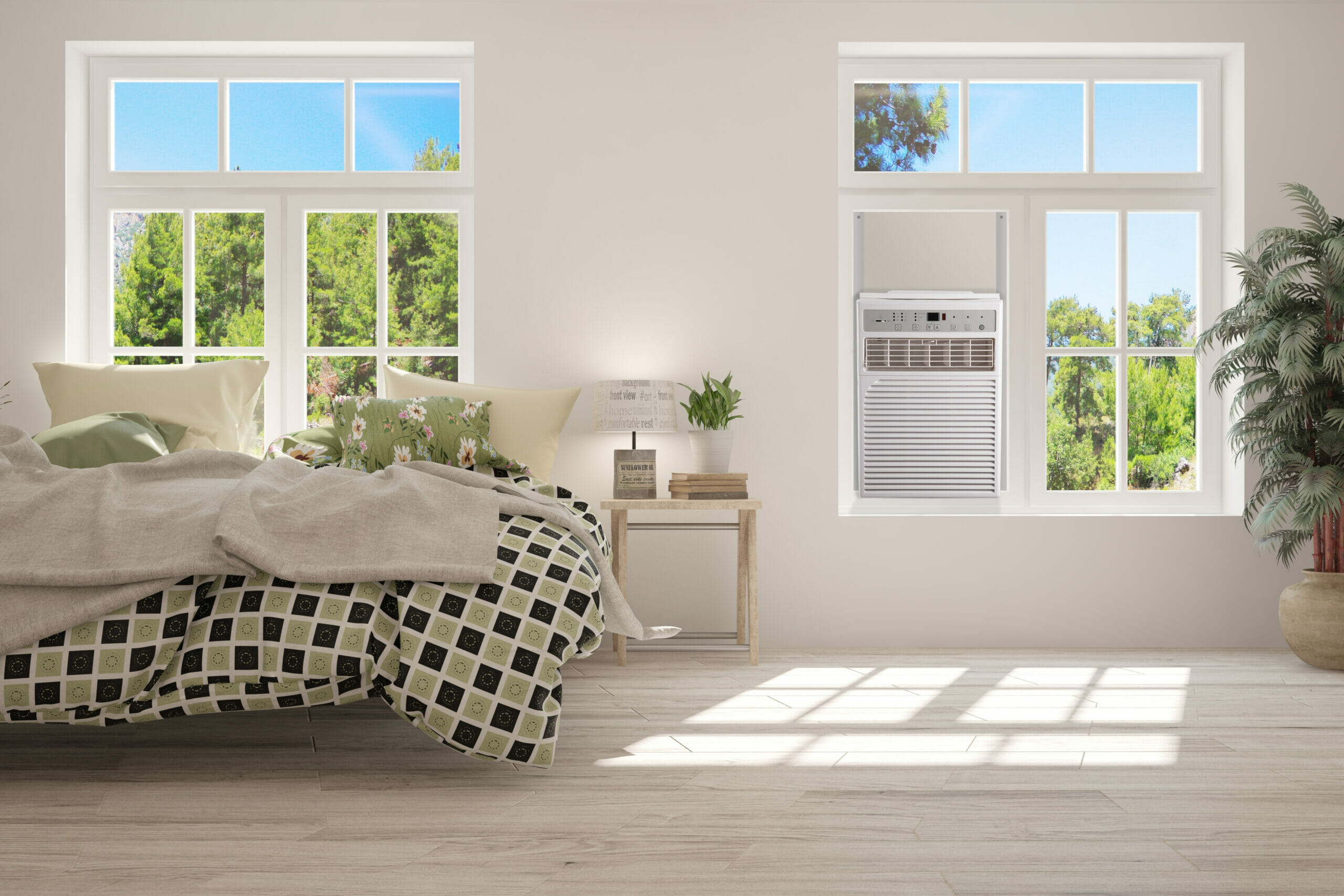
With some ingenuity, you can potentially install a standard window AC unit in a vertical window. This usually involves creating a custom bracket or modifying the window frame.
Pros:
- Potential Cost Savings: Could be a more affordable option than purchasing a casement or through-the-wall unit.
- Wider Variety of Options: Allows you to choose from a wider range of standard window AC units.
Cons:
- Requires DIY Skills: Requires good DIY skills and tools.
- Safety Concerns: Improper installation can be dangerous.
- Potential Window Damage: Can potentially damage your window frame.
- Void Warranty: May void the warranty of your window or AC unit.
Important Considerations:
- Safety First: Ensure the AC unit is securely supported to prevent it from falling.
- Weatherproofing: Properly seal any gaps to prevent drafts and water leaks.
- Consult a Professional: If you're unsure about your abilities, consult a professional.
Pricing: The cost will depend on the materials and tools required. Expect to spend anywhere from $50 to $200 on materials.
AFUE, SEER, and HSPF Ratings: Understanding Efficiency
When choosing an air conditioner, understanding the efficiency ratings is crucial for long-term cost savings:
- SEER (Seasonal Energy Efficiency Ratio): Measures the cooling efficiency of an air conditioner. The higher the SEER rating, the more efficient the unit. Modern AC units should have a SEER rating of at least 13 or 14, with high-efficiency models exceeding 20.
- EER (Energy Efficiency Ratio): Measures the instantaneous energy efficiency of an air conditioner under specific conditions. While SEER provides a more comprehensive picture, EER can be useful for comparing units.
- HSPF (Heating Seasonal Performance Factor): Measures the heating efficiency of a heat pump. The higher the HSPF rating, the more efficient the unit.
AFUE (Annual Fuel Utilization Efficiency) applies to furnaces and measures the efficiency of converting fuel to heat. This isn't relevant for air conditioners, but important if you're considering a combination system.
Warranties and Maintenance
Pay close attention to the warranty offered by the manufacturer. A longer warranty period indicates greater confidence in the product's reliability.
Regular maintenance is essential for optimal performance and longevity. This includes:
- Cleaning the Air Filter: Clean or replace the air filter regularly (typically every 1-3 months).
- Cleaning the Coils: Clean the evaporator and condenser coils annually.
- Checking for Leaks: Inspect for refrigerant leaks.
- Professional Servicing: Schedule professional servicing at least once a year.
Conclusion
Choosing the right air conditioner for a vertical window requires careful consideration of your needs, budget, and DIY skills. Portable air conditioners offer flexibility and convenience, while casement window units provide a more tailored solution. Through-the-wall units offer a permanent and secure option, and ductless mini-splits provide the highest levels of efficiency and zoned cooling. By understanding the pros and cons of each option, you can make an informed decision and enjoy a cool and comfortable home.




:max_bytes(150000):strip_icc()/WindowACUnit-0ab372fd24f74836a1e37bc5ae6212e4.jpg)
