Air Conditioner Outdoor Unit Parts Name

Frequently Asked Questions: Air Conditioner Outdoor Unit Parts
Your air conditioner's outdoor unit is a crucial component of your home cooling system. Understanding its parts and their functions can help you troubleshoot minor issues, communicate effectively with HVAC technicians, and prolong the lifespan of your AC. This FAQ covers common questions about the parts of an outdoor AC unit.
Q1: What are the main parts of my air conditioner's outdoor unit?
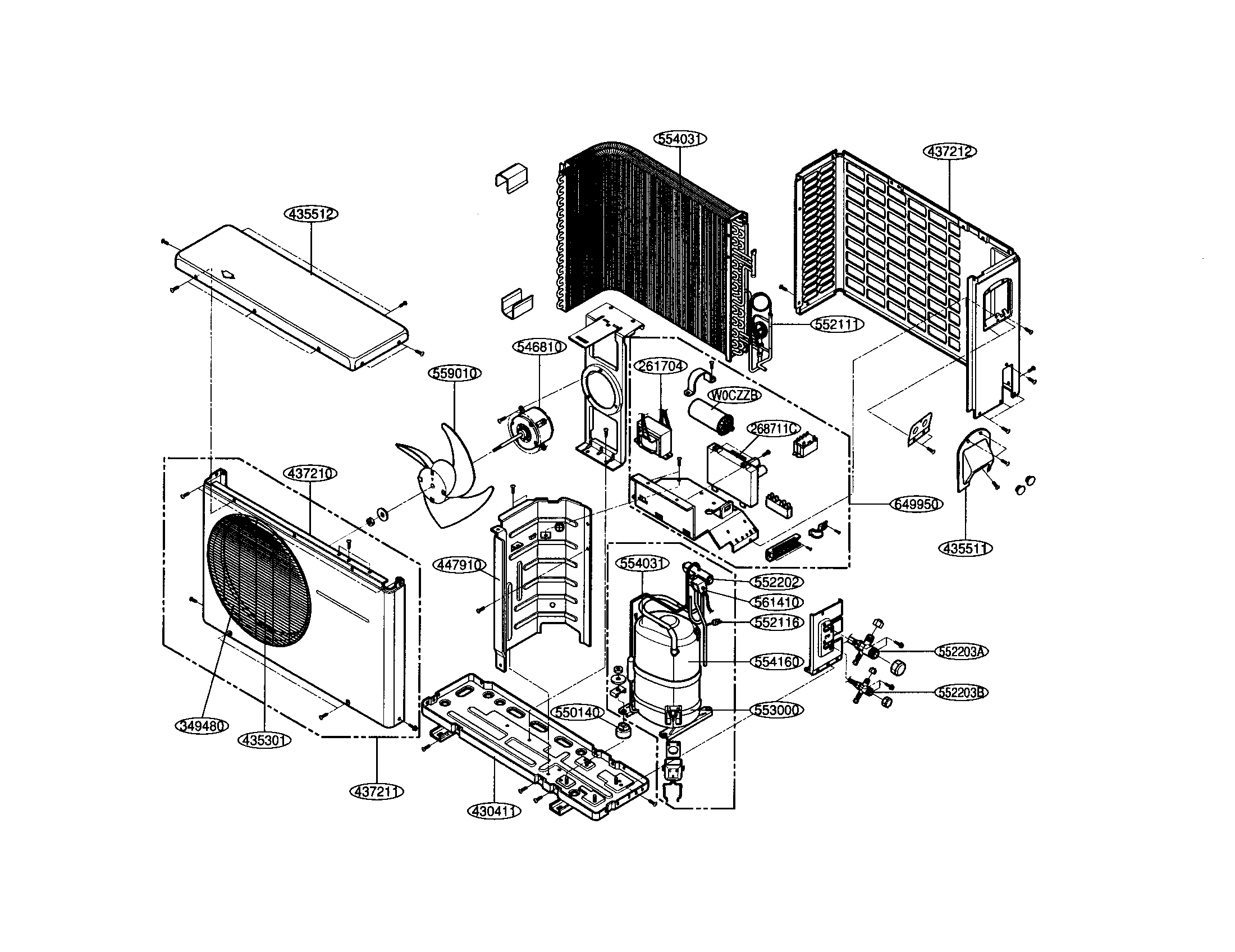
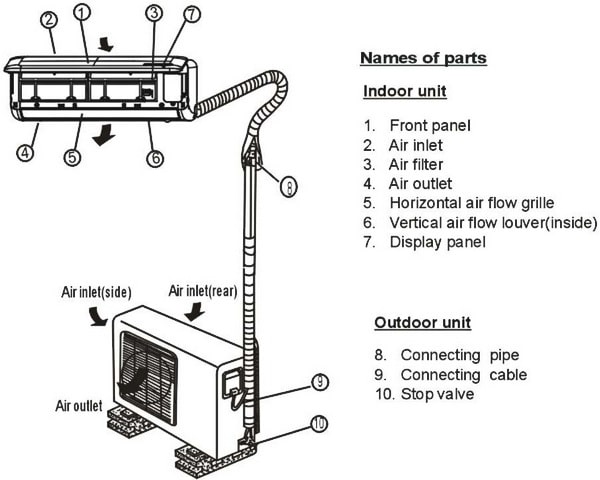
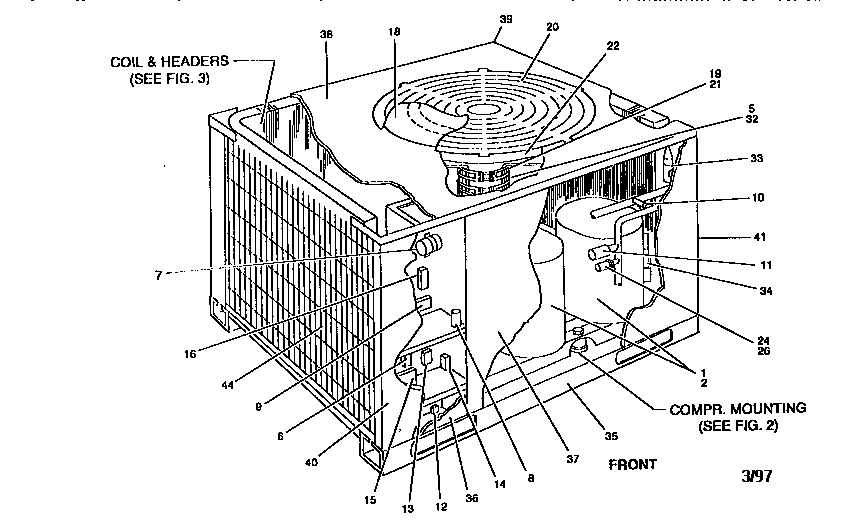
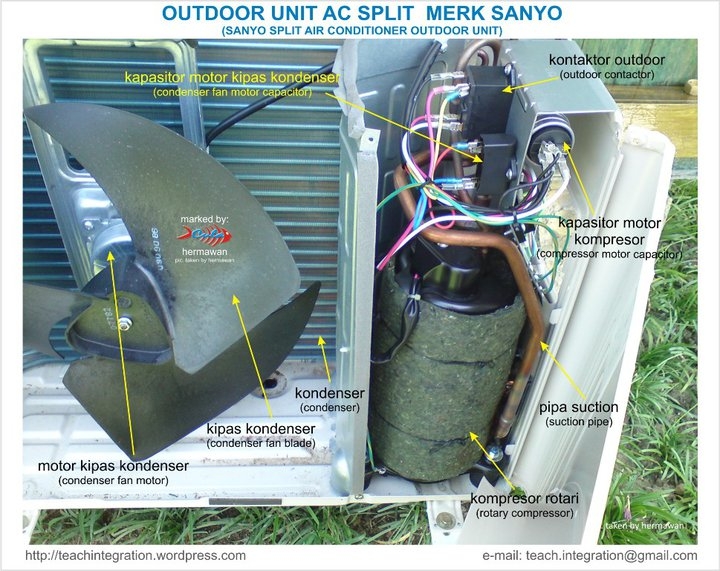
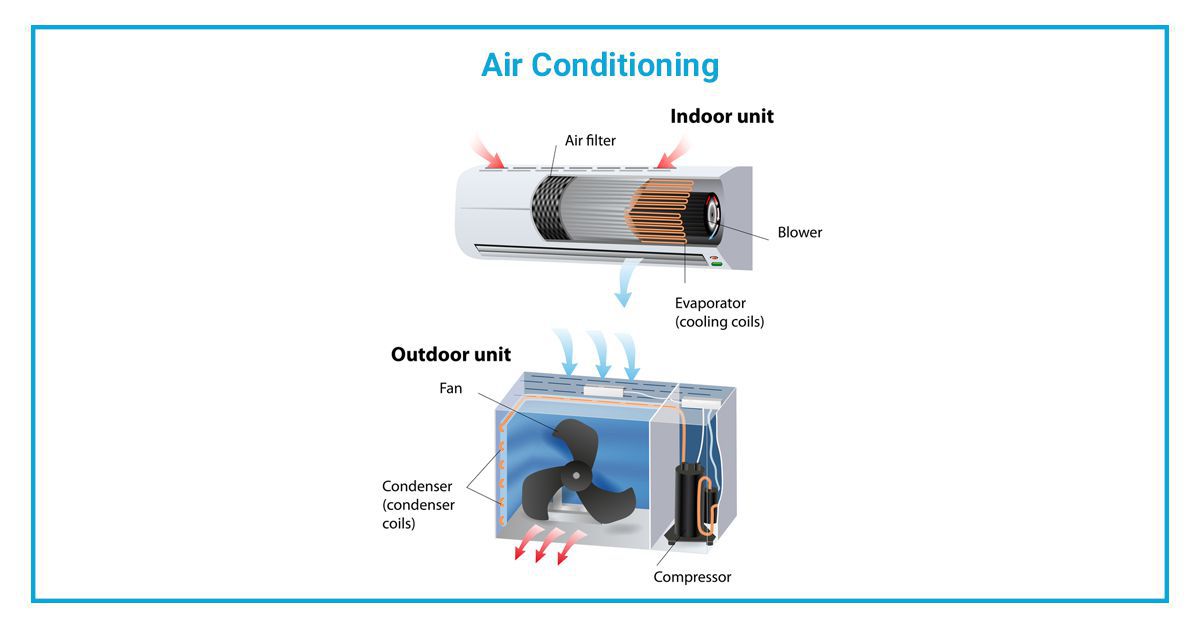
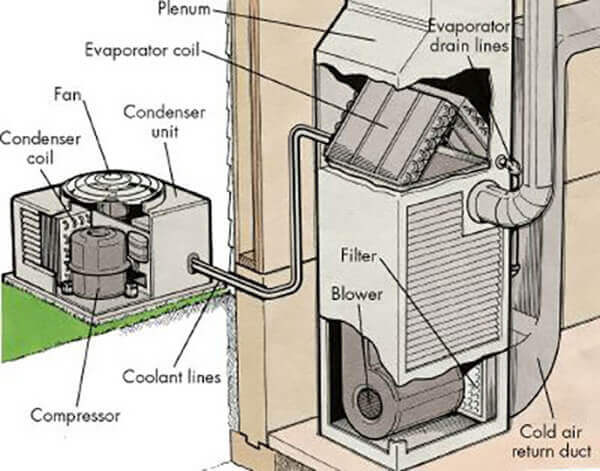
The outdoor unit, often called the condenser unit, houses several essential components. The most important parts include:
- Compressor: The heart of the AC system, responsible for circulating refrigerant.
- Condenser Coil: Releases heat from the refrigerant to the outside air.
- Fan: Draws air across the condenser coil to facilitate heat transfer.
- Service Valves: Access points for refrigerant maintenance and charging.
- Electrical Components: Including capacitors, contactors, and wiring, that control the unit's operation.
- Cabinet: The metal enclosure that protects all the internal components.
Q2: Can you explain what the compressor does and why it's so important?
The compressor is arguably the most vital and most expensive part of your AC system. It acts like a pump, circulating refrigerant throughout the entire system. Here's how it works:
- It receives low-pressure, low-temperature refrigerant gas from the evaporator coil (inside your home).
- It compresses this gas, which increases its temperature and pressure.
- The high-pressure, high-temperature refrigerant then flows to the condenser coil where it releases heat.
Without a functioning compressor, the refrigerant can't circulate, and your AC won't cool your home. Compressor failure often requires replacement of the entire outdoor unit.
Q3: What is the condenser coil, and what does it do?
The condenser coil is a series of copper or aluminum tubes with fins attached. Its primary function is to release the heat absorbed from inside your home. The refrigerant, now a hot, high-pressure gas, flows through the condenser coil, and the fan blows air across the coil to dissipate the heat.
Think of it like a radiator in your car, but instead of cooling the engine, it's cooling the refrigerant. As the refrigerant loses heat, it condenses back into a liquid, ready to cycle back to the evaporator coil inside your home to repeat the cooling process.
A dirty or blocked condenser coil significantly reduces the efficiency of your AC system and can lead to higher energy bills and potential compressor damage. Regular cleaning is essential.
Q4: What is the purpose of the fan in the outdoor unit?
The fan's primary job is to move air across the condenser coil. This airflow is crucial for removing the heat from the refrigerant. Without the fan, the heat wouldn't dissipate efficiently, and the AC system wouldn't be able to cool effectively.
The fan is typically driven by an electric motor and is designed to move a large volume of air. You might notice that the fan operates whenever the compressor is running. If the fan isn't working, the unit can overheat, leading to compressor damage or shutdown.
Common fan problems include:
- A burnt-out motor.
- Damaged fan blades.
- A faulty capacitor (which helps start the motor).
Q5: What are the service valves, and why are they important?
Service valves are essentially access points located on the refrigerant lines of the outdoor unit. They allow HVAC technicians to connect gauges and equipment for various maintenance and diagnostic procedures. The service valves are vital for:
- Checking Refrigerant Levels: Technicians use gauges connected to the service valves to measure the refrigerant pressure and determine if the system is properly charged.
- Adding Refrigerant: If the refrigerant level is low, technicians can add refrigerant through the service valves.
- Recovering Refrigerant: During repairs or replacement, technicians use specialized equipment connected to the service valves to safely recover the refrigerant.
- Evacuating the System: Before charging the system with refrigerant, the system needs to be evacuated (removal of moisture and air) through the service valves.
Important: Only qualified HVAC technicians should handle service valves. Tampering with them can result in refrigerant leaks, equipment damage, and potential environmental hazards.
Q6: What are the electrical components like capacitors and contactors? What do they do?
Your air conditioner's outdoor unit contains several electrical components that are vital for its operation. Two of the most common are capacitors and contactors.
- Capacitors: These are essentially batteries that provide a jolt of energy to start the compressor and fan motors. There are typically two types of capacitors: start capacitors (which provide a large burst of energy for starting) and run capacitors (which help keep the motors running smoothly). A faulty capacitor is a common cause of AC problems.
- Contactors: These are electrical switches that control the flow of electricity to the compressor and fan motor. When your thermostat calls for cooling, the contactor closes, allowing power to reach these components and start the cooling process. A faulty contactor can prevent the compressor or fan from running.
Safety Note: Working with electrical components can be dangerous. Always disconnect the power to the AC unit at the breaker box before attempting any repairs or inspections. If you're not comfortable working with electricity, it's best to call a qualified HVAC technician.
Q7: What is the cabinet of the outdoor unit, and why is it important?
The cabinet is the metal enclosure that houses and protects all the internal components of the outdoor AC unit. It's typically made of painted steel or aluminum and is designed to withstand the elements, including rain, snow, sun, and wind.
The cabinet's primary functions are:
- Protection: It shields the sensitive components inside from physical damage and weather exposure.
- Safety: It prevents accidental contact with electrical components.
- Aesthetics: It provides a finished look to the unit.
Maintaining the cabinet is important for prolonging the life of your AC unit. Regularly inspect it for signs of rust or damage. If you notice any issues, address them promptly to prevent further deterioration. Keeping the cabinet clean also helps ensure proper airflow and ventilation for the internal components.
Q8: Why is regular maintenance important for the outdoor AC unit?
Regular maintenance is absolutely crucial for the optimal performance and longevity of your outdoor AC unit. Neglecting maintenance can lead to:
- Reduced Efficiency: A dirty or poorly maintained unit will consume more energy to cool your home, resulting in higher energy bills.
- Increased Repair Costs: Small problems can escalate into major repairs if left unattended. Regular maintenance can help identify and address issues early on.
- Shorter Lifespan: A well-maintained AC unit will typically last longer than one that is neglected.
- Poor Air Quality: A dirty unit can circulate dust, pollen, and other allergens into your home.
Recommended maintenance tasks include:
- Cleaning the Condenser Coil: Remove dirt, debris, and leaves from the condenser coil to ensure proper heat transfer.
- Cleaning the Fan Blades: Clean the fan blades to improve airflow.
- Checking the Refrigerant Level: Have a qualified technician check the refrigerant level and add refrigerant if necessary.
- Inspecting Electrical Connections: Ensure that all electrical connections are tight and secure.
- Clearing Debris Around the Unit: Keep the area around the unit clear of vegetation and other obstructions to ensure proper airflow.
Consider scheduling professional maintenance at least once a year, preferably in the spring before the cooling season begins.
Q9: Can I perform any maintenance tasks on the outdoor unit myself?
Yes, there are some maintenance tasks you can safely perform yourself, such as:
- Cleaning the Condenser Coil: You can use a garden hose with a gentle spray nozzle to clean the condenser coil. Be careful not to bend the fins. Always turn off the power to the unit at the breaker box before cleaning.
- Clearing Debris Around the Unit: Remove any leaves, branches, or other debris that may be blocking airflow.
However, some maintenance tasks are best left to qualified HVAC technicians, such as:
- Checking Refrigerant Levels: This requires specialized equipment and training.
- Adding Refrigerant: Adding refrigerant requires knowledge of the system's requirements and proper handling procedures.
- Repairing Electrical Components: Working with electrical components can be dangerous.
When in doubt, it's always best to consult with a professional HVAC technician.