Air Conditioner Power Button Not Working

The frustration of an air conditioner that refuses to turn on, despite pressing the power button repeatedly, is a common issue for homeowners. For HVAC professionals, understanding the potential causes and knowing how to diagnose them effectively is crucial. This article delves into the troubleshooting steps for a non-responsive AC power button, providing insights valuable for students, experienced technicians, and employers alike.
Troubleshooting a Non-Responsive Air Conditioner Power Button: A Technician's Guide
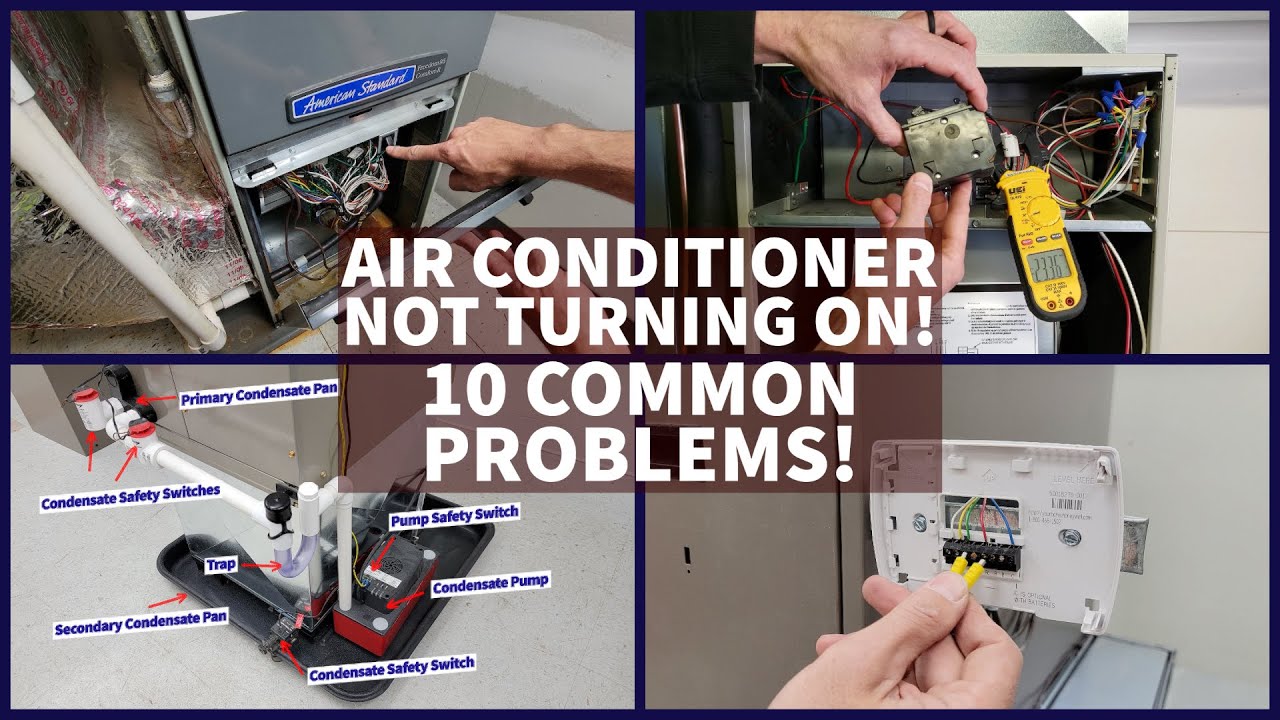
Before assuming the power button itself is faulty, a systematic approach is essential. A quick diagnostic check can save time and prevent unnecessary component replacements. Here's a breakdown of the steps:
1. Verify Power Supply
This may seem obvious, but always start with the basics. Ensure the air conditioner is receiving power. Check the following:
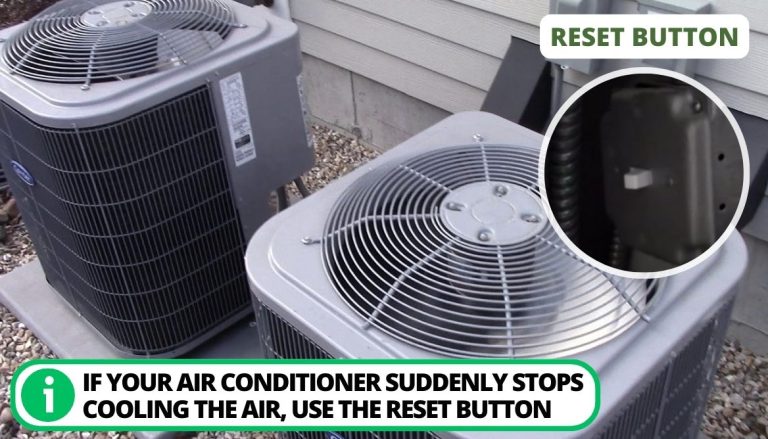
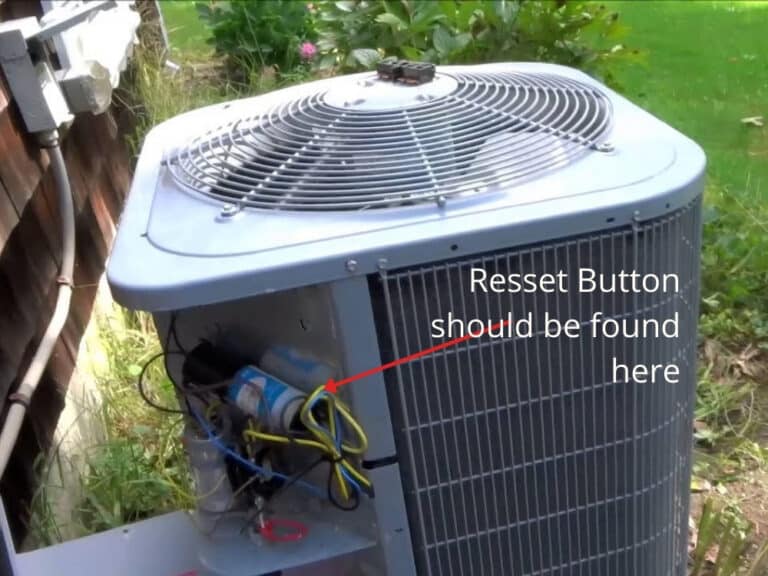
- Circuit Breaker: Is the breaker tripped? Reset it and see if the AC starts. If it trips again immediately, there's likely a short circuit requiring further investigation.
- Disconnect Switch: Many AC units have an external disconnect switch near the unit. Ensure it's in the "ON" position.
- Voltage: Use a multimeter to verify the correct voltage at the AC unit. Low voltage can prevent the system from starting.
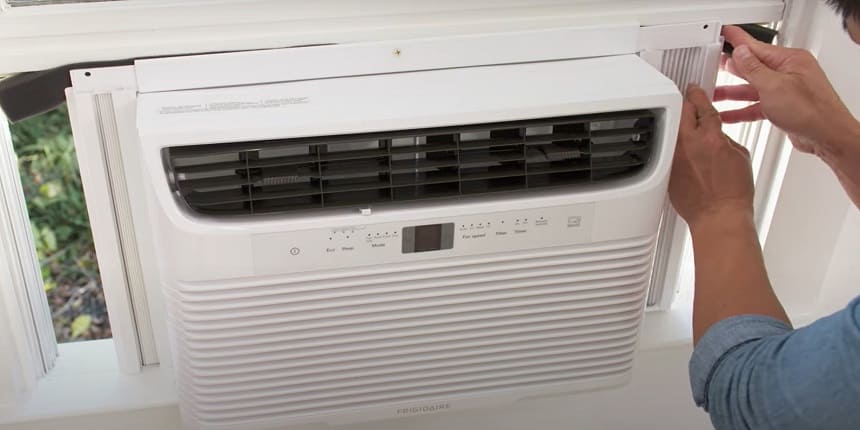
- Power Cord: If it’s a window unit, check the power cord for damage.
Important Note: Always disconnect power before working on electrical components.
2. Examine the Remote Control (for Split Systems)
For ductless mini-split systems, the remote control is integral to operation. Consider these factors:
- Batteries: Replace the batteries in the remote. Low battery power can lead to unreliable communication.
- Remote Settings: Ensure the remote is set to the correct mode (Cool, Heat, Auto) and temperature. Sometimes, unintentional settings can prevent the AC from turning on.
- IR Sensor: Inspect the IR sensor on the indoor unit for obstructions. Dust or debris can interfere with the remote's signal.
- Remote Functionality: Use a camera (phone camera works) to check if the remote is emitting an infrared signal when you press a button. If not, the remote itself may be faulty.
3. Inspect the Thermostat (for Central AC Systems)
For central air conditioning systems, the thermostat is the primary control interface. Rule out thermostat issues before delving deeper.
- Thermostat Settings: Ensure the thermostat is set to "Cool" mode, and the temperature is set below the current room temperature.
- Thermostat Batteries: Some thermostats require batteries. Replace them if necessary.
- Wiring: Check the wiring connections at the thermostat. Loose or corroded wires can disrupt communication with the AC unit.
- Thermostat Calibration: If the thermostat seems inaccurate, try recalibrating it according to the manufacturer's instructions.
4. Addressing the Power Button Directly
If the previous steps haven't resolved the issue, the power button itself may be the problem. This requires a more hands-on approach.
- Visual Inspection: Examine the power button for physical damage. Is it cracked, broken, or sticking?
- Continuity Test: Disconnect the power supply. Use a multimeter to perform a continuity test on the power button. When the button is pressed, the multimeter should show continuity. If not, the button is faulty and needs replacement.
- Internal Wiring: Check the wiring connected to the power button for loose connections or damage. Reseat any loose connections.
- Button Replacement: If the power button is faulty, replace it with a compatible replacement part. Ensure you have the correct part number before ordering.
5. Advanced Troubleshooting (for Experienced Technicians)
If the above steps haven't solved the problem, the issue may lie deeper within the AC unit's control board or other internal components. This requires advanced troubleshooting skills and a thorough understanding of the system's electrical circuitry. Examples include:
- Control Board Issues: Check the control board for burned components or corrosion. A faulty control board can prevent the AC from turning on.
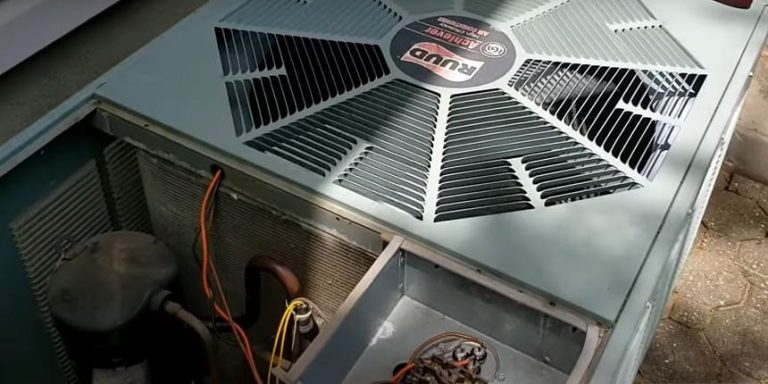
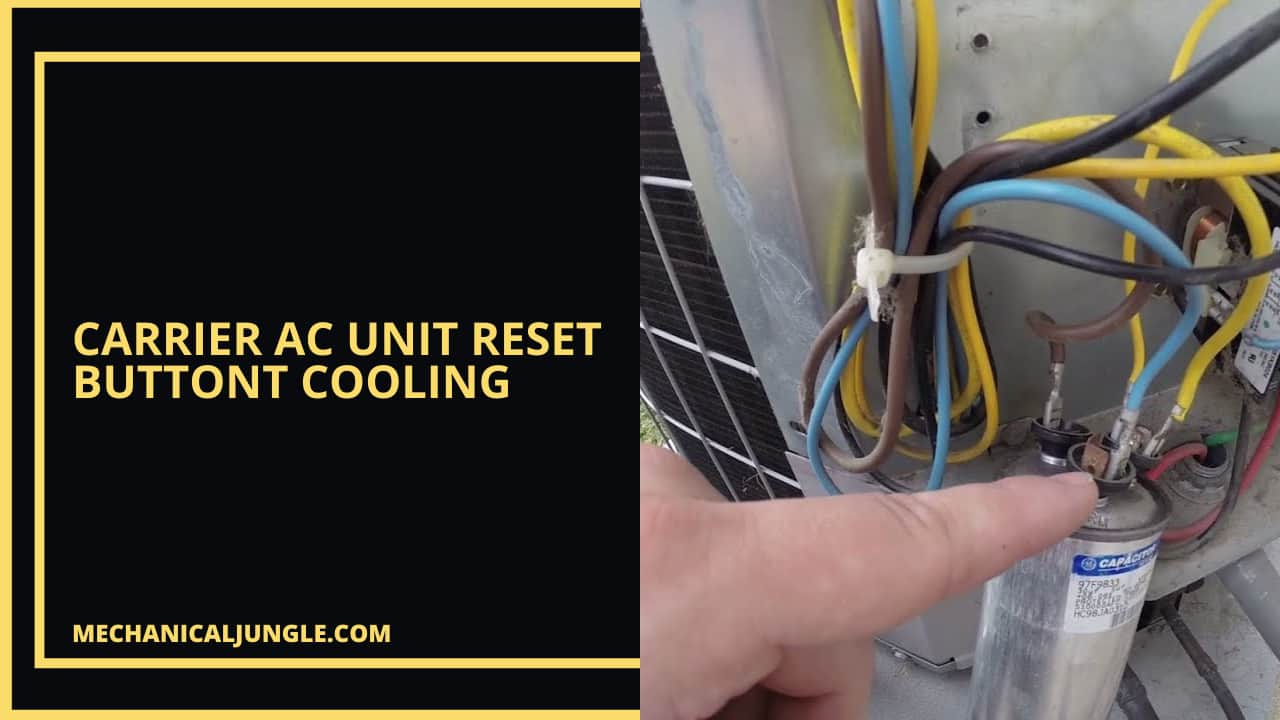
- Capacitor Failure: A failing capacitor can prevent the compressor or fan motor from starting.
- Compressor Issues: In rare cases, a locked-rotor compressor can prevent the AC from starting and may cause the circuit breaker to trip.
Warning: Advanced troubleshooting requires specialized knowledge and skills. If you are not a qualified HVAC technician, do not attempt to diagnose or repair these issues. Call a qualified professional.
HVAC Industry Outlook and Career Opportunities
The HVAC industry is experiencing steady growth, driven by increasing demand for energy-efficient heating and cooling systems, as well as the need for skilled technicians to maintain and repair existing equipment. According to the U.S. Bureau of Labor Statistics, the employment of HVAC mechanics and installers is projected to grow 6 percent from 2022 to 2032, about as fast as the average for all occupations. About 38,000 openings for HVAC mechanics and installers are projected each year, on average, over the decade.
Salary Range: The median annual wage for HVAC mechanics and installers was $59,620 in May 2023. The lowest 10 percent earned less than $37,930, and the highest 10 percent earned more than $89,790.
Certification and Training: Several certifications can enhance your career prospects in the HVAC industry:
- NATE (North American Technician Excellence): NATE certification is a widely recognized credential that demonstrates a technician's knowledge and skills.
- EPA 608 Certification: This certification is required for technicians who handle refrigerants.
- HVAC Excellence: HVAC Excellence offers various certifications that validate different skill levels and specializations.
Career Paths: The HVAC field offers diverse career paths, including:
- HVAC Technician: Install, maintain, and repair HVAC systems.
- HVAC Installer: Focus on installing new HVAC systems.
- HVAC Service Technician: Specialize in diagnosing and repairing HVAC systems.
- HVAC Design Engineer: Design HVAC systems for buildings.
- HVAC Sales Engineer: Sell HVAC equipment and services to clients.
Real-World Example: Consider the career path of Maria Rodriguez. Maria started as an HVAC apprentice after completing a vocational program. She obtained her EPA 608 certification and then pursued NATE certification. After five years of experience, she became a lead technician, overseeing installation and repair projects. Maria's commitment to professional development allowed her to advance her career and increase her earning potential.
Employer Considerations: Hiring and Training HVAC Professionals
For employers in the HVAC industry, recruiting and retaining skilled technicians is crucial for business success. Here are some key considerations:
- Recruitment Strategies: Partner with vocational schools and technical colleges to attract talented students. Offer internships and apprenticeships to provide on-the-job training.
- Competitive Compensation and Benefits: Offer competitive salaries and benefits packages to attract and retain top talent.
- Training and Development: Provide ongoing training and development opportunities to help technicians stay up-to-date with the latest technologies and industry best practices.
- Certification Support: Encourage and support technicians in obtaining certifications like NATE and EPA 608.
- Safety Training: Prioritize safety training to ensure technicians are working safely and effectively.
By investing in their workforce, HVAC companies can build a team of skilled and motivated technicians who can provide exceptional service to customers.
In conclusion, a non-responsive air conditioner power button can stem from various issues, ranging from simple power supply problems to more complex control board failures. A systematic troubleshooting approach, combined with a solid understanding of HVAC systems, is essential for effective diagnosis and repair. For aspiring and experienced HVAC professionals, continuous learning and professional certifications are key to career advancement in this dynamic and growing industry. Employers who prioritize training and development will be best positioned to attract and retain the skilled workforce they need to thrive.