Air Conditioner Safety Switch
Air conditioners are essential for maintaining comfortable indoor temperatures, especially during hot weather. However, they involve electrical components and refrigerant, which can pose safety risks if not handled correctly. Understanding the role of an air conditioner safety switch is crucial for protecting yourself, your family, and your property. This guide provides a comprehensive overview of AC safety switches, covering their purpose, types, operation, troubleshooting, and best practices for ensuring safe operation.
What is an Air Conditioner Safety Switch?
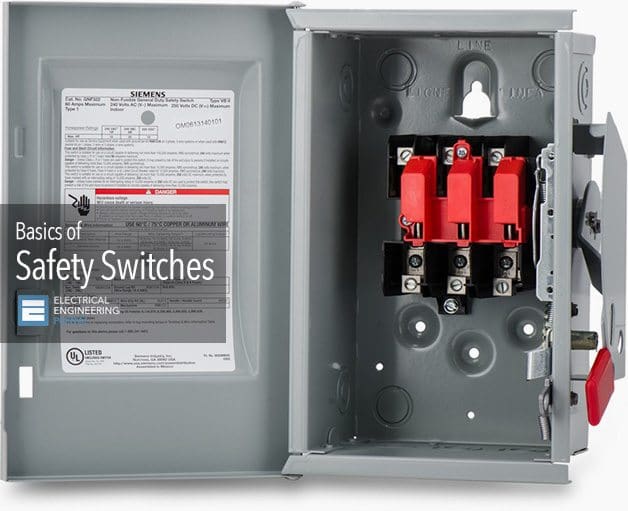
An air conditioner safety switch, also known as a disconnect switch, is a critical safety device that allows you to quickly and safely shut off power to your air conditioning unit. It acts as a local power disconnect, preventing electrical hazards during maintenance, repairs, or emergencies. Without a safety switch, you would have to go to the main electrical panel to cut power to the AC, which can be inconvenient and time-consuming, particularly in an emergency.
Think of it like the emergency shut-off valve for your gas line. Just as you need to be able to quickly cut off the gas supply in case of a leak, you need to be able to quickly cut off the power to your AC unit in case of an electrical problem.
Why is an AC Safety Switch Important?
The importance of an AC safety switch cannot be overstated. Here's a breakdown of its key benefits:
- Electrical Safety: It isolates the AC unit from the electrical supply, minimizing the risk of electric shock during maintenance or repairs. Working on an AC unit without disconnecting the power is extremely dangerous.
- Emergency Situations: In the event of a fire, flood, or other emergency, the safety switch allows for rapid power disconnection, preventing further damage or injury.
- Maintenance and Repairs: It provides a safe and convenient way to de-energize the AC unit before performing any maintenance or repair work. This protects both the technician and the equipment.
- Code Compliance: Many building codes require the installation of a safety switch near the outdoor AC unit. Compliance ensures safety and avoids potential fines.
Types of Air Conditioner Safety Switches
There are several types of AC safety switches, each designed for specific applications. Understanding the different types will help you choose the right one for your AC unit.
1. Non-Fused Disconnect Switch
This is the most common type of AC safety switch. It simply disconnects the power supply to the AC unit without providing any overcurrent protection (fuses). It's a simple on/off switch that breaks the electrical connection.
2. Fused Disconnect Switch
A fused disconnect switch incorporates fuses that protect the AC unit from overloads and short circuits. If there's an electrical fault, the fuses will blow, cutting off the power and preventing damage to the AC unit. These provide an extra layer of protection compared to non-fused switches.
3. Pull-Out Disconnect Switch
This type of switch uses a removable handle or "pull-out" to disconnect the power. Removing the handle physically breaks the electrical connection. It's a simple and reliable design commonly used for smaller AC units.
4. Circuit Breaker Disconnect
While the main circuit breaker in your electrical panel can technically disconnect power to the AC unit, a dedicated circuit breaker *near* the AC unit can serve as a local disconnect. This is functionally similar to other safety switches and offers the same benefits.
How an AC Safety Switch Works
The operation of an AC safety switch is straightforward. When the switch is in the "on" position, it allows electricity to flow to the AC unit, enabling it to operate. When the switch is in the "off" position, it breaks the electrical circuit, cutting off power to the AC unit.
For a non-fused disconnect switch, flipping the switch to the "off" position simply opens the electrical circuit. For a fused disconnect switch, the fuses are in series with the electrical circuit. If there's an overcurrent, the fuses will blow, breaking the circuit and stopping the flow of electricity.
A pull-out disconnect works by physically removing a component that completes the electrical circuit. When the pull-out is removed, the circuit is broken, and power is disconnected.
Choosing the Right AC Safety Switch
Selecting the appropriate AC safety switch depends on several factors, including the size and electrical requirements of your AC unit, local building codes, and personal preferences. Here are some key considerations:
- Amperage Rating: The safety switch must have an amperage rating that meets or exceeds the amperage requirements of your AC unit. This information is typically found on the AC unit's nameplate.
- Voltage Rating: The voltage rating of the safety switch must match the voltage of your electrical system (usually 120V or 240V).
- Fused vs. Non-Fused: Consider whether you want the additional protection of a fused disconnect switch. Fused switches are generally recommended for larger AC units or in areas prone to power surges.
- Enclosure Type: Choose an enclosure that is suitable for the environment where the switch will be installed. Outdoor switches should be weatherproof and resistant to corrosion.
- Local Codes: Check your local building codes for specific requirements regarding AC safety switches.
Always consult with a qualified electrician to ensure that you select the correct safety switch for your AC unit and that it is installed properly.
Installing an AC Safety Switch
Installing an AC safety switch is a task that should be performed by a qualified electrician. Improper installation can be dangerous and may violate local codes. Here's a general overview of the installation process:
- Disconnect Power: The electrician will first disconnect the power to the AC circuit at the main electrical panel.
- Mount the Switch: The safety switch will be mounted near the AC unit, typically on an exterior wall.
- Wire the Switch: The electrician will then wire the safety switch into the AC circuit, connecting the power supply wires to the switch terminals.
- Grounding: Proper grounding is essential for safety. The electrician will ensure that the safety switch is properly grounded.
- Testing: After installation, the electrician will test the safety switch to ensure that it is working correctly.
Important: Never attempt to install an AC safety switch yourself unless you are a qualified electrician. Working with electricity is dangerous and can result in serious injury or death.
Troubleshooting an AC Safety Switch
Sometimes, an AC safety switch may malfunction or cause problems. Here are some common issues and troubleshooting steps:
- AC Unit Not Turning On: If your AC unit is not turning on, check the safety switch to ensure that it is in the "on" position. Also, check the circuit breaker at the main electrical panel.
- Blown Fuses (Fused Switch): If the safety switch has blown fuses, replace them with fuses of the correct amperage rating. If the fuses blow repeatedly, there may be an underlying electrical problem that needs to be addressed by an electrician.
- Damaged Switch: If the safety switch is physically damaged, it should be replaced immediately by a qualified electrician.
- Loose Connections: Loose wiring connections can cause the switch to malfunction. An electrician can inspect the wiring and tighten any loose connections.
If you encounter any problems with your AC safety switch, do not attempt to repair it yourself. Contact a qualified electrician for assistance.
Maintaining Your AC Safety Switch
Regular maintenance can help ensure that your AC safety switch operates reliably and safely. Here are some tips for maintaining your safety switch:
- Visual Inspection: Periodically inspect the safety switch for any signs of damage, such as cracks, corrosion, or loose wiring.
- Cleaning: Keep the safety switch clean and free of dirt and debris.
- Testing: Test the safety switch periodically to ensure that it is working correctly. Turn the switch off and on to verify that it disconnects and restores power to the AC unit.
- Professional Inspection: Have a qualified electrician inspect your AC safety switch annually as part of your routine AC maintenance.
Refrigerant Safety Considerations
While the safety switch focuses on electrical safety, it's crucial to remember the potential dangers associated with refrigerant. Think of refrigerant as the "blood" of your AC system, carrying heat from inside to outside. It's a vital component, but also a potentially hazardous substance.
- Refrigerant Leaks: Refrigerant leaks can pose a health risk and can also damage the environment. If you suspect a refrigerant leak, contact a qualified HVAC technician immediately.
- Refrigerant Handling: Refrigerant should only be handled by trained and certified technicians. Improper handling can be dangerous and illegal.
- Refrigerant Types: Newer AC systems use more environmentally friendly refrigerants. Older systems may use refrigerants that are being phased out due to their impact on the ozone layer.
Conclusion
An air conditioner safety switch is an essential safety device that protects you, your family, and your property from electrical hazards. By understanding the purpose, types, operation, and maintenance of AC safety switches, you can ensure the safe and reliable operation of your air conditioning system. Remember to always consult with a qualified electrician for installation, repairs, and troubleshooting. Taking these precautions will help you stay cool and comfortable while staying safe.