Air Conditioner Split Type Ductless System

Unlocking Energy Savings with Ductless Mini-Split Systems: A Comprehensive Guide
Are you tired of sky-high energy bills and inconsistent temperatures throughout your home or business? A ductless mini-split system might be the solution you've been searching for. These systems offer a flexible, energy-efficient alternative to traditional HVAC options, providing targeted heating and cooling exactly where you need it.
What is a Ductless Mini-Split System?
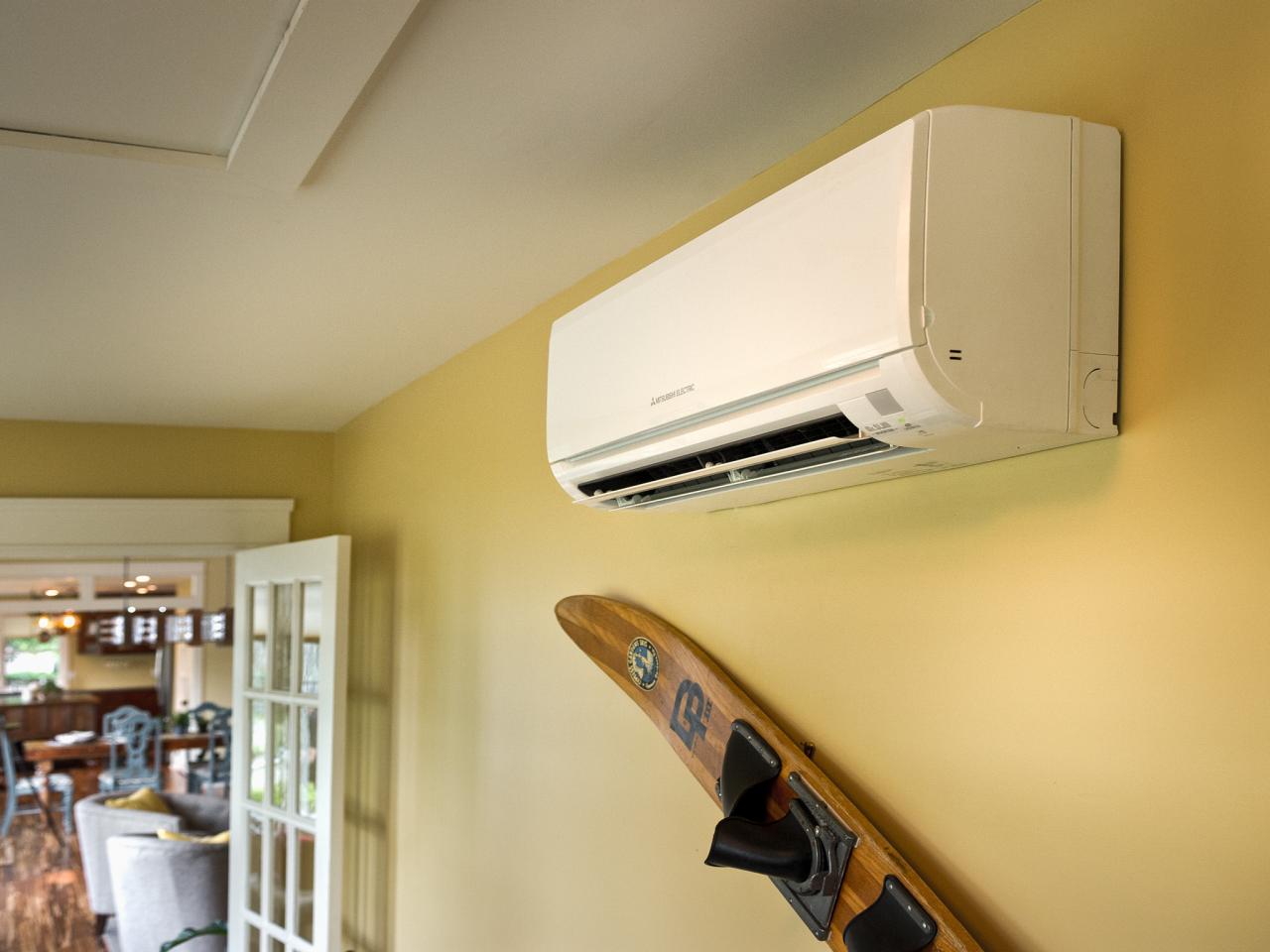
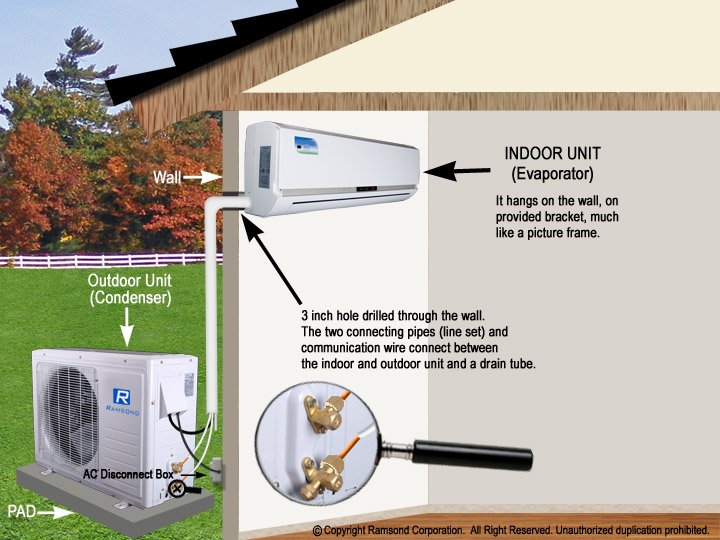
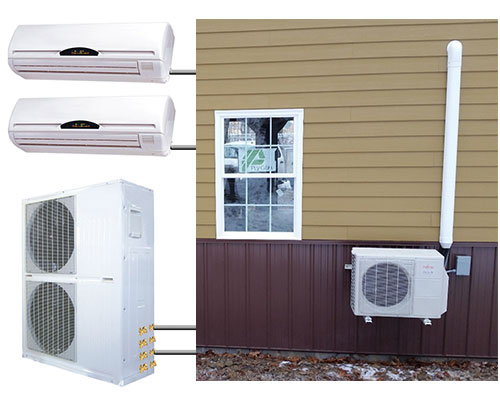
Unlike central air conditioning systems that rely on a network of ducts to distribute conditioned air, a ductless mini-split system consists of two main components: an outdoor compressor/condenser unit and one or more indoor air-handling units. These units are connected by refrigerant lines and electrical wiring, eliminating the need for bulky ductwork. Each indoor unit can be independently controlled, allowing for personalized temperature settings in different zones of your space. This zoning capability is a key factor in their enhanced energy efficiency.
The Energy Efficiency Advantage: Why Choose Ductless?
Ductless mini-splits shine when it comes to energy savings. Here's why:
- No Duct Losses: Traditional ducted systems can lose up to 30% of their energy due to leaks and inefficiencies in the ductwork. Ductless systems eliminate these losses, delivering conditioned air directly to the room.
- Zoned Heating and Cooling: Heat or cool only the rooms you're using, avoiding the energy waste of conditioning unoccupied spaces. Imagine only heating your living room in the evening and your bedroom at night.
- Inverter Technology: Many modern mini-split systems utilize inverter technology, which allows the compressor to adjust its speed based on the cooling or heating demand. This means the system can operate at a lower, more efficient speed when full power isn't needed, unlike traditional systems that cycle on and off.
- Higher SEER and HSPF Ratings: Mini-split systems often boast higher Seasonal Energy Efficiency Ratio (SEER) and Heating Seasonal Performance Factor (HSPF) ratings compared to traditional central air conditioners and furnaces. Look for Energy Star certified models to maximize your energy savings. Energy Star products meet strict energy efficiency guidelines set by the U.S. Environmental Protection Agency.
For example, according to Energy Star, replacing an old central air conditioner (SEER 10) with an Energy Star certified mini-split (SEER 20+) can cut your cooling costs by 30% or more. The exact savings will depend on your local climate, energy rates, and usage habits.
ROI and Cost Considerations
While the initial cost of a ductless mini-split system can be higher than a window unit or even a basic central AC system, the long-term ROI is often substantial. Here's a breakdown of factors to consider:
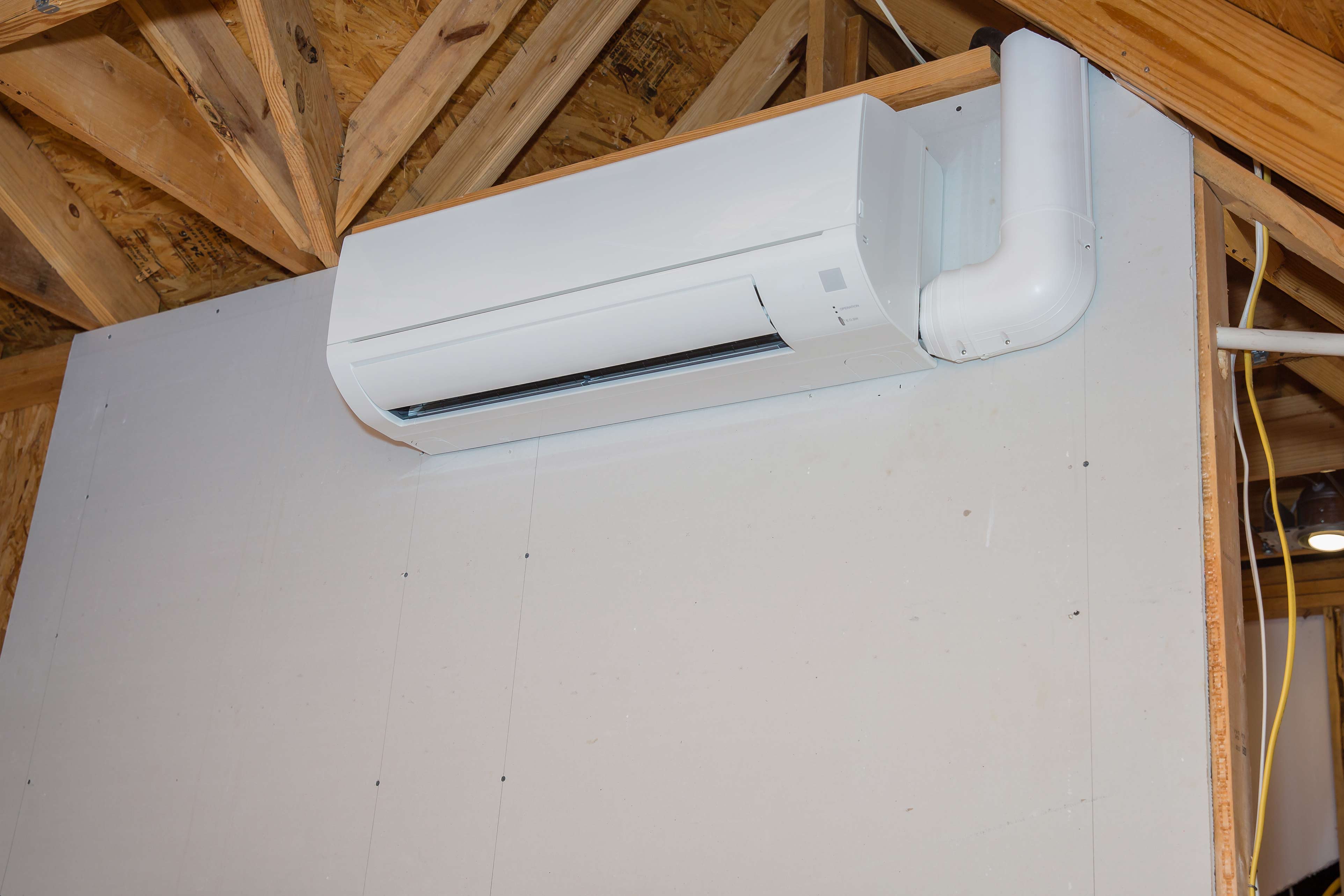
- Installation Costs: Installation typically involves mounting the outdoor unit, running refrigerant lines and electrical wiring to the indoor units, and mounting the indoor units on a wall or ceiling. Costs can vary depending on the number of indoor units and the complexity of the installation.
- Operating Costs: The lower energy consumption translates to significant savings on your monthly utility bills. These savings can quickly offset the initial investment, especially in climates with long heating or cooling seasons.
- Maintenance Costs: Mini-split systems require routine maintenance, such as cleaning or replacing filters and periodically inspecting the outdoor unit. However, maintenance costs are generally comparable to, or even lower than, those of ducted systems.
- Rebates and Incentives: Many utility companies and government agencies offer rebates and incentives for installing energy-efficient HVAC systems, including ductless mini-splits. Check with your local utility company and state energy office for available programs. The Database of State Incentives for Renewables & Efficiency (DSIRE) is an excellent resource for finding rebates and tax credits.
To illustrate, let's say a homeowner spends $1,500 annually on cooling and heating with a window AC unit and space heaters. Replacing these with a ductless mini-split could potentially reduce their annual energy costs by $500-$750, leading to a payback period of 5-7 years, depending on the initial investment and available rebates.
Smart Home Integration: Control and Convenience at Your Fingertips
Modern ductless mini-split systems often come with smart features and connectivity, allowing you to control your heating and cooling from anywhere with your smartphone or tablet. Benefits of smart home integration include:
- Remote Control: Adjust the temperature, fan speed, and other settings from your phone, even when you're away from home.
- Scheduling: Create customized heating and cooling schedules to optimize energy usage based on your daily routines. For example, you can set the system to automatically lower the temperature when you're at work and raise it before you arrive home.
- Voice Control: Integrate with popular voice assistants like Amazon Alexa and Google Assistant for hands-free control.
- Smart Thermostat Compatibility: Some mini-split systems are compatible with smart thermostats like Nest and Ecobee, allowing for advanced energy management and integration with other smart home devices.
- Zone Control: Manage each indoor unit independently via a mobile app or smart thermostat, ensuring customized comfort in every room.
By integrating your ductless mini-split with a smart home system, you can gain even greater control over your energy consumption and create a more comfortable and convenient living environment.
Choosing the Right System: Factors to Consider
Selecting the right ductless mini-split system requires careful consideration of several factors:
- Size and Capacity: The size of the room or area you need to heat and cool will determine the required capacity of the system, measured in BTUs (British Thermal Units). A system that's too small won't be able to effectively condition the space, while one that's too large can cycle on and off frequently, wasting energy. Consult with an HVAC professional to determine the appropriate BTU rating for your needs.
- Number of Zones: Determine how many indoor units you'll need based on the number of rooms or zones you want to control independently. Multi-zone systems can accommodate multiple indoor units connected to a single outdoor unit.
- SEER and HSPF Ratings: Look for models with high SEER and HSPF ratings to maximize energy efficiency. Energy Star certified models are a good starting point.
- Features: Consider features such as inverter technology, smart home integration, and programmable thermostats.
- Brand Reputation and Warranty: Choose a reputable brand with a solid warranty to ensure reliable performance and protection against defects.
Always consult with a qualified HVAC contractor to assess your specific needs and recommend the best ductless mini-split system for your home or business.
Professional Installation: A Must for Optimal Performance
Proper installation is crucial for ensuring the optimal performance and longevity of your ductless mini-split system. Improper installation can lead to reduced efficiency, increased energy consumption, and even system failure. It's highly recommended to hire a licensed and experienced HVAC contractor for the installation. A professional installer will:
- Properly size the system based on your heating and cooling needs.
- Install the outdoor and indoor units according to manufacturer specifications.
- Connect the refrigerant lines and electrical wiring safely and correctly.
- Evacuate the refrigerant lines to remove air and moisture.
- Charge the system with the correct amount of refrigerant.
- Test the system to ensure it's operating properly.
- Provide you with instructions on how to operate and maintain the system.
Furthermore, many manufacturers require professional installation for the warranty to be valid.
Ductless Mini-Splits: The Future of Efficient Heating and Cooling
Ductless mini-split systems are rapidly gaining popularity as a cost-effective and energy-efficient solution for heating and cooling homes and businesses. With their zoning capabilities, inverter technology, and smart home integration, these systems offer a level of comfort, control, and energy savings that traditional HVAC systems simply can't match. By understanding the benefits, costs, and installation requirements of ductless mini-splits, you can make an informed decision and unlock significant energy savings while creating a more comfortable and sustainable living environment. Remember to explore available rebates and incentives and to work with a qualified HVAC professional to ensure proper installation and optimal performance.
Key Takeaways: Ductless mini-split systems offer superior energy efficiency due to the absence of duct losses and the use of inverter technology. Smart home integration provides enhanced control and convenience. Professional installation is crucial for optimal performance and warranty validation. Explore local rebates and incentives to reduce the initial cost.