Air Conditioner That Sits On The Floor

Choosing the right air conditioning system for your home or office can be a complex decision. With various options available, understanding the nuances of each type is crucial for making an informed choice. One increasingly popular solution is the floor-standing air conditioner. This guide provides a comprehensive overview of floor AC units, covering their functionality, benefits, drawbacks, and factors to consider when purchasing one.
What is a Floor-Standing Air Conditioner?
A floor-standing air conditioner, sometimes referred to as a portable air conditioner or a room air conditioner (though distinct from window units), is a self-contained cooling system designed to sit directly on the floor. Unlike central air conditioning systems that require extensive ductwork or window units that are mounted in a window, floor ACs offer a flexible and relatively easy-to-install cooling solution.
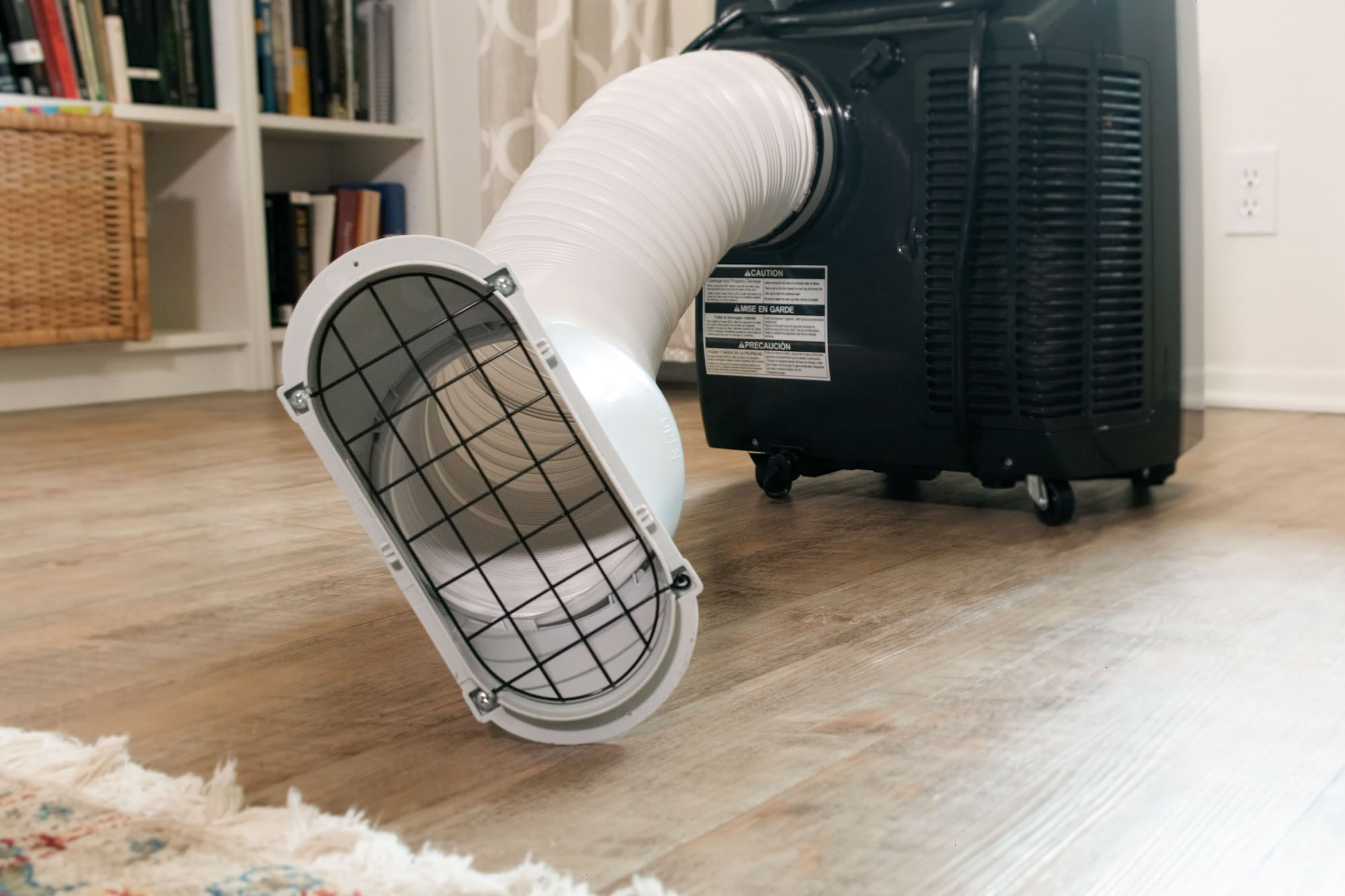
These units are generally portable, meaning they can be moved from room to room as needed. However, most require venting to the outside to expel hot air. This is typically achieved through a window using a provided vent kit.
How Does a Floor AC Work?
The core functionality of a floor-standing AC unit is similar to that of other types of air conditioners. The basic principles involve refrigerant, a compressor, and a heat exchanger.
- Refrigerant: Think of refrigerant as the "blood" of your AC system. It circulates throughout the unit, absorbing heat from the indoor air and releasing it outside.
- Compressor: The compressor is the heart of the system. It increases the pressure and temperature of the refrigerant, allowing it to efficiently release heat.
- Evaporator Coil (Indoor): The indoor unit contains an evaporator coil. Warm air from the room is blown over this coil, causing the refrigerant to evaporate and absorb the heat. This process cools the air, which is then circulated back into the room.
- Condenser Coil (Outdoor): The hot, high-pressure refrigerant then flows to the condenser coil, typically located in the exhaust hose. Here, the refrigerant releases the absorbed heat to the outside air. The cooled refrigerant then returns to the evaporator coil to repeat the cycle.
- Exhaust Hose: A crucial component is the exhaust hose. This hose vents the hot air generated during the cooling process to the outside. Without proper venting, the unit would simply recycle the hot air, rendering it ineffective.
Effectively, a floor AC unit draws in warm air, cools it using refrigerant, and expels the resulting hot air through the exhaust hose. A fan helps circulate the cooled air back into the room.
Advantages of Floor-Standing Air Conditioners
Floor-standing AC units offer several compelling advantages, making them a suitable choice for certain situations:
- Portability: This is perhaps the most significant benefit. Floor ACs can be easily moved from room to room, providing targeted cooling wherever it's needed. This is ideal for individuals who only need to cool specific areas of their home or office.
- Ease of Installation: Unlike window units that require precise fitting and structural support, floor ACs generally require minimal installation. Simply attach the exhaust hose to the unit and vent it through a window using the provided kit. No permanent modifications to the building are needed.
- No Window Obstruction: Unlike window ACs that block a portion of the window, floor ACs do not obstruct your view or natural light.
- Suitable for Rooms Without Windows: Some advanced models, often called "evaporative coolers" or "swamp coolers," don't require venting and can be used in rooms without windows. However, their cooling effectiveness is significantly lower and they are best suited for dry climates. Note: These are technically not floor-standing *air conditioners*, but rather a different cooling technology.
- Supplemental Cooling: Floor ACs can be used to supplement existing cooling systems. For example, you might use a floor AC in a bedroom to provide extra cooling at night, allowing you to raise the thermostat for the central AC system and save energy.
- Lower Initial Cost: In many cases, the initial purchase price of a floor-standing AC is lower than that of a comparable window unit or a more complex central air system.
Disadvantages of Floor-Standing Air Conditioners
Despite their advantages, floor-standing AC units also have some drawbacks to consider:
- Less Energy Efficient: Generally, floor ACs are less energy-efficient than window units or central air systems. This is because the compressor and other components are located inside the room, which can contribute to heat gain.
- Noise: Floor ACs can be noisier than other types of AC systems, particularly window units mounted outside. The compressor and fan are located inside the room, generating noise that can be disruptive.
- Exhaust Hose Required: Most floor AC units require an exhaust hose to vent hot air to the outside. This hose can be bulky and unsightly, and it needs to be properly sealed to prevent hot air from leaking back into the room.
- Limited Cooling Capacity: Floor ACs typically have a lower cooling capacity than other types of AC systems. They are best suited for cooling smaller rooms or providing supplemental cooling in larger spaces.
- Takes Up Floor Space: As the name suggests, floor ACs take up floor space, which can be a concern in smaller rooms.
- Window Kit Imperfections: The window kits provided with floor ACs are often not perfectly airtight, leading to some leakage of outside air and reduced cooling efficiency. Improving the seal around the window kit is often necessary.
Factors to Consider When Choosing a Floor-Standing Air Conditioner
When selecting a floor-standing air conditioner, consider the following factors to ensure you choose the right unit for your needs:
- Cooling Capacity (BTU): BTU, or British Thermal Units, measures the cooling capacity of an air conditioner. A higher BTU rating indicates a more powerful unit that can cool a larger space. To determine the appropriate BTU rating for your room, consider its size, insulation, and sun exposure. Consult a BTU chart or use an online calculator to estimate your cooling needs.
- Room Size: Match the BTU rating of the AC to the size of the room you intend to cool. A unit that is too small will struggle to cool the room effectively, while a unit that is too large will cycle on and off frequently, wasting energy and potentially creating temperature fluctuations.
- Energy Efficiency (EER/SEER): Look for the Energy Efficiency Ratio (EER) or Seasonal Energy Efficiency Ratio (SEER) rating. A higher EER/SEER rating indicates a more energy-efficient unit, which will save you money on your electricity bill over time.
- Noise Level: Check the noise level rating (in decibels) of the AC unit. Look for a unit with a lower decibel rating if noise is a concern.
- Features: Consider additional features such as:
- Remote Control: For convenient operation from across the room.
- Programmable Timer: To automatically turn the unit on or off at specific times.
- Sleep Mode: To reduce noise and dim the display lights for comfortable sleep.
- Dehumidifying Function: To remove excess moisture from the air.
- Air Filter: To remove dust and allergens from the air.
- Multiple Fan Speeds: To adjust the airflow to your preference.
- Ventilation Kit: Examine the ventilation kit provided with the AC unit. Ensure it is compatible with your window type and that it provides a tight seal to prevent air leakage. Consider purchasing additional insulation or weather stripping to improve the seal.
- Brand and Reviews: Research different brands and read customer reviews to get an idea of the unit's reliability and performance.
- Price: Set a budget and compare prices from different retailers. Consider the long-term cost of ownership, including energy consumption and maintenance.
Installation Tips
Proper installation is crucial for the efficient operation of a floor-standing air conditioner. Here are some tips to ensure a successful installation:
- Positioning: Place the AC unit on a level surface, away from direct sunlight and heat sources. Ensure there is adequate space around the unit for proper airflow.
- Exhaust Hose: Keep the exhaust hose as short and straight as possible. Avoid sharp bends or kinks that can restrict airflow.
- Window Kit Sealing: Ensure the window kit is properly sealed to prevent air leakage. Use weather stripping or insulation to fill any gaps.
- Drainage: Some AC units require drainage of condensation. Follow the manufacturer's instructions for proper drainage.
- Power Cord: Plug the AC unit directly into a grounded outlet. Avoid using extension cords, as they can overheat.
- Read the Manual: Carefully read the manufacturer's instructions before installing and operating the AC unit.
Maintenance
Regular maintenance will help keep your floor-standing air conditioner running efficiently and extend its lifespan.
- Clean the Air Filter: Clean the air filter regularly (typically every two weeks) to remove dust and debris. A clogged air filter can reduce airflow and decrease cooling efficiency.
- Clean the Coils: Periodically clean the evaporator and condenser coils to remove dust and dirt.
- Check the Exhaust Hose: Inspect the exhaust hose for cracks or leaks. Replace the hose if necessary.
- Drain the Condensate: If your unit requires drainage, check the drain pan regularly and empty it as needed.
- Store Properly: When not in use, store the AC unit in a cool, dry place. Cover it with a dust cover to protect it from dirt and debris.
Conclusion
Floor-standing air conditioners offer a flexible and convenient cooling solution for various situations. They are particularly well-suited for individuals who need to cool specific areas or who cannot install window units. However, it is important to consider their limitations, such as lower energy efficiency and potential noise. By carefully evaluating your needs and the factors outlined in this guide, you can make an informed decision and choose the best floor-standing air conditioner for your home or office.