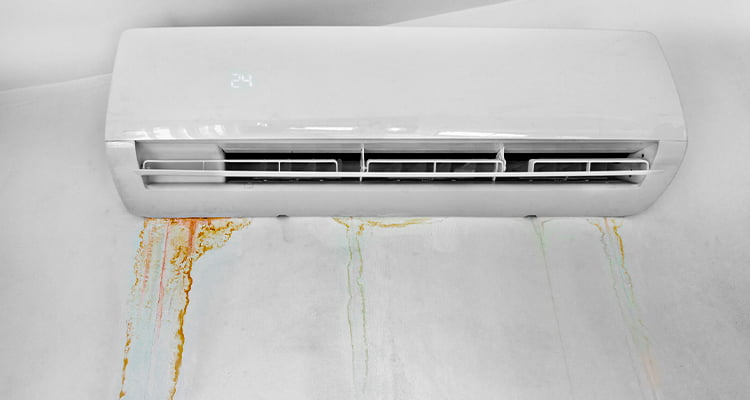
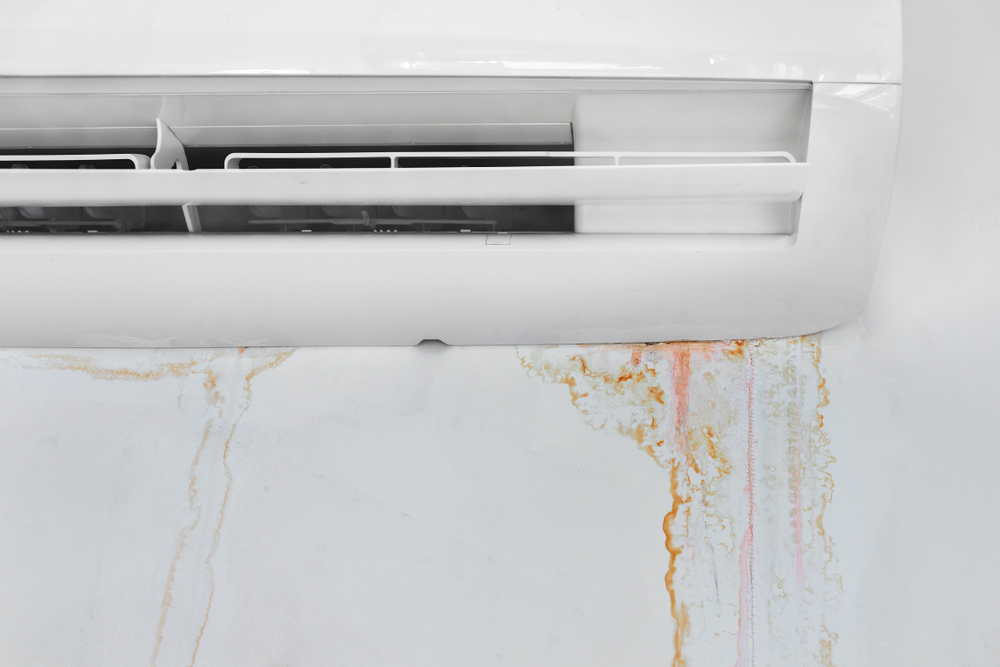
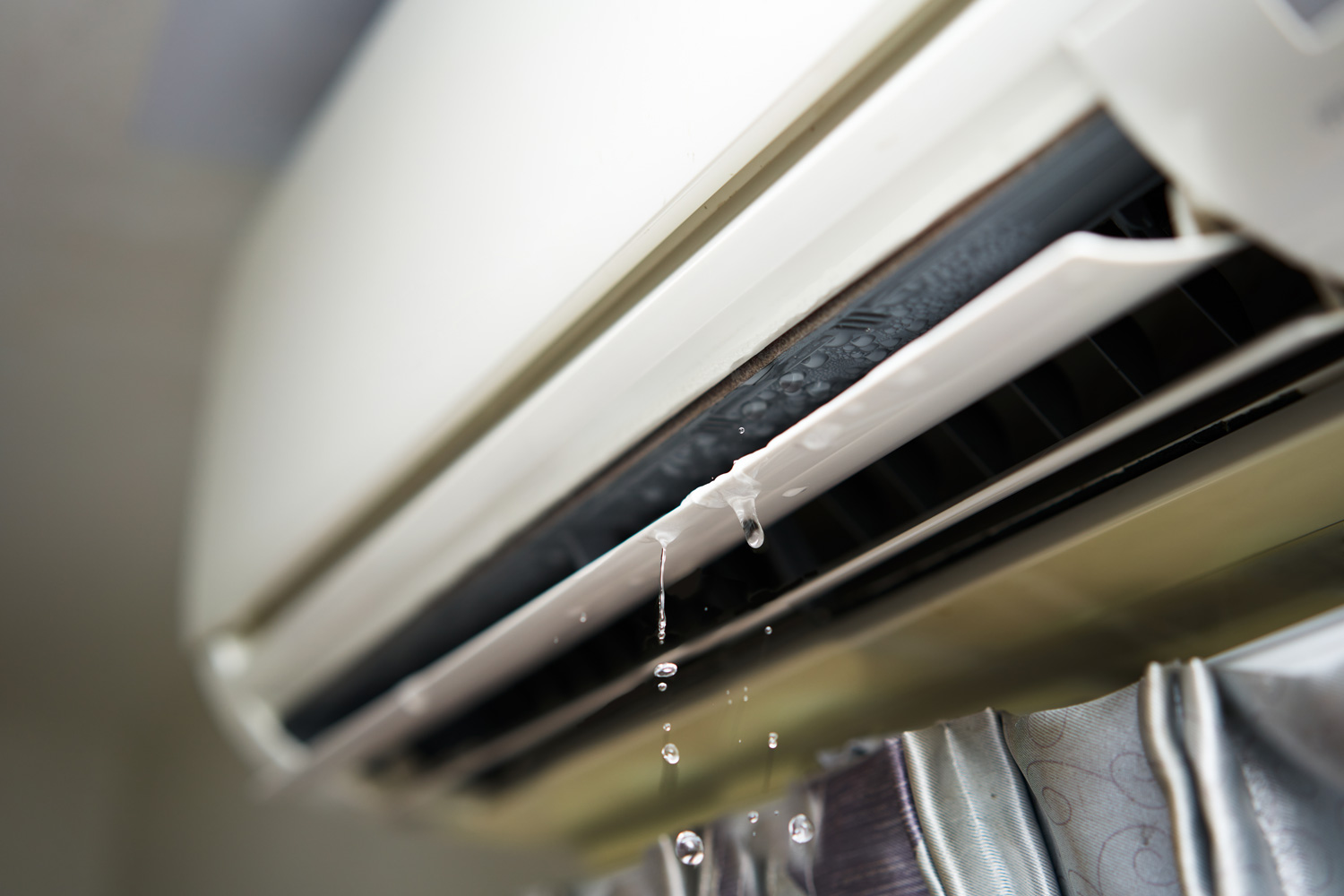
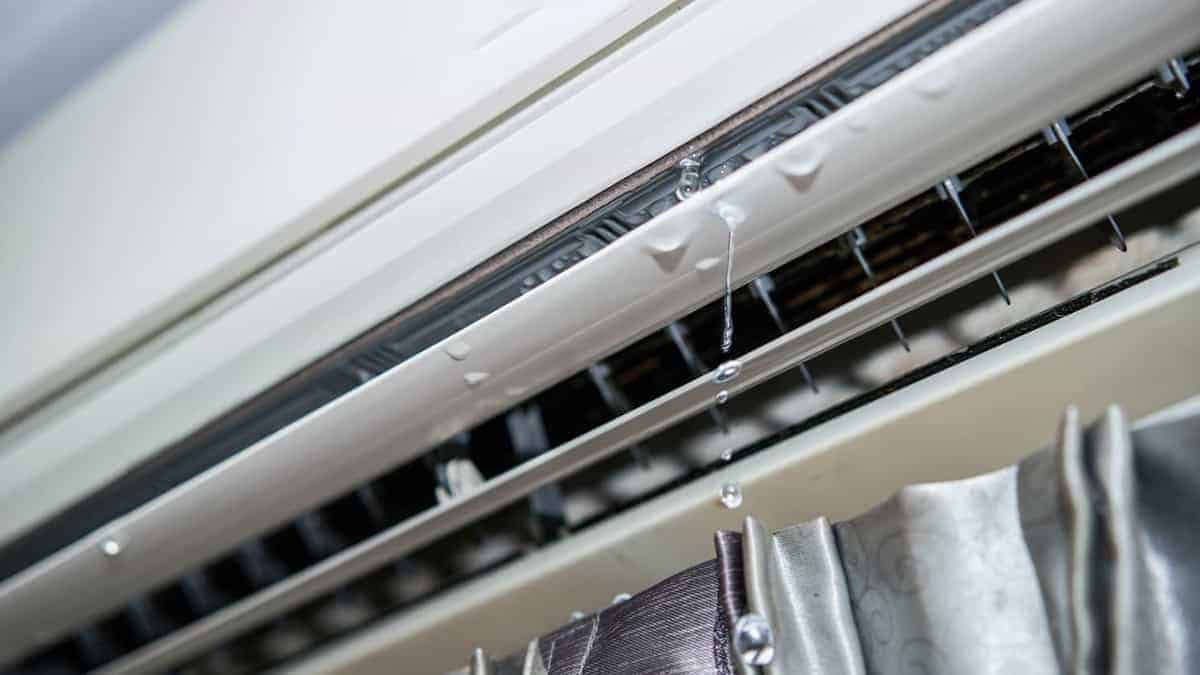
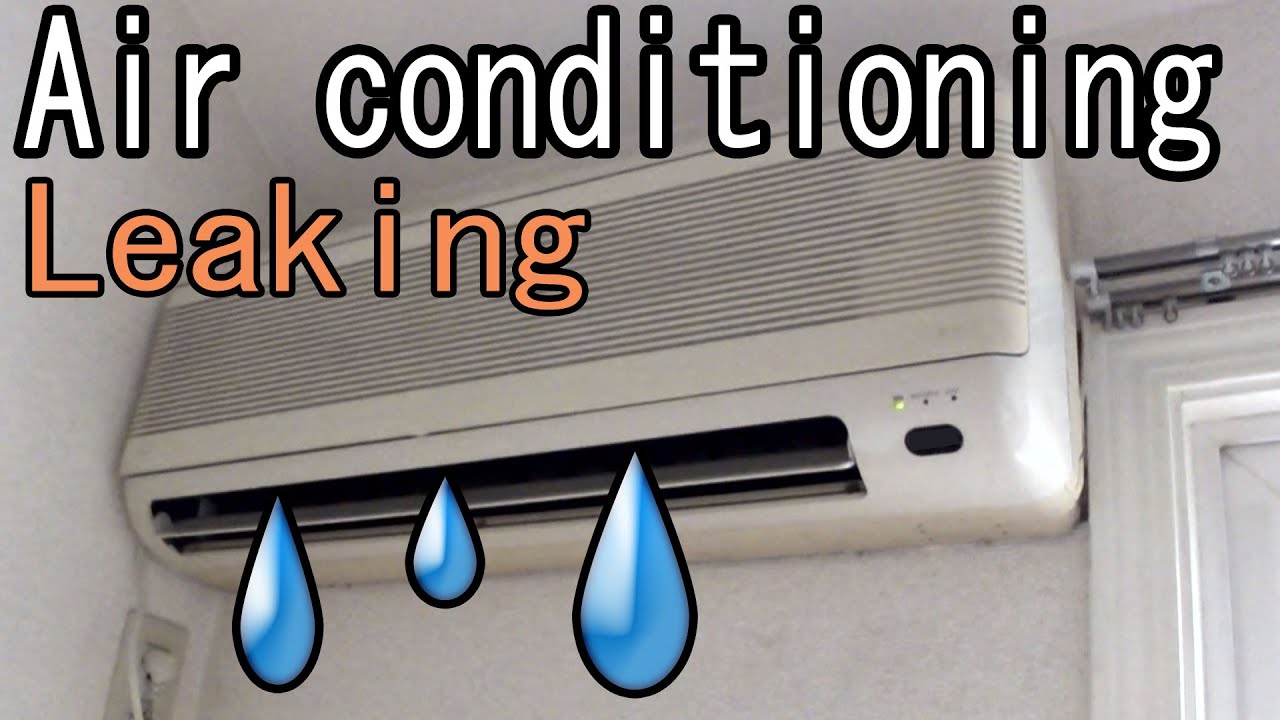
Air Conditioner Wall Unit Leaking Water

Air Conditioner Wall Unit Leaking Water: Troubleshooting and Prevention
A leaking air conditioner wall unit can be a frustrating and potentially damaging problem. Understanding the causes, knowing how to troubleshoot, and implementing preventative measures can save you money and extend the life of your cooling system. This comprehensive guide will walk you through common reasons for leaks, diagnostic steps, and long-term solutions.
Why is My Wall AC Unit Leaking Water? Common Causes
Several factors can contribute to a leaking wall-mounted air conditioner. Identifying the root cause is crucial for effective repair. Here are the most frequent culprits:
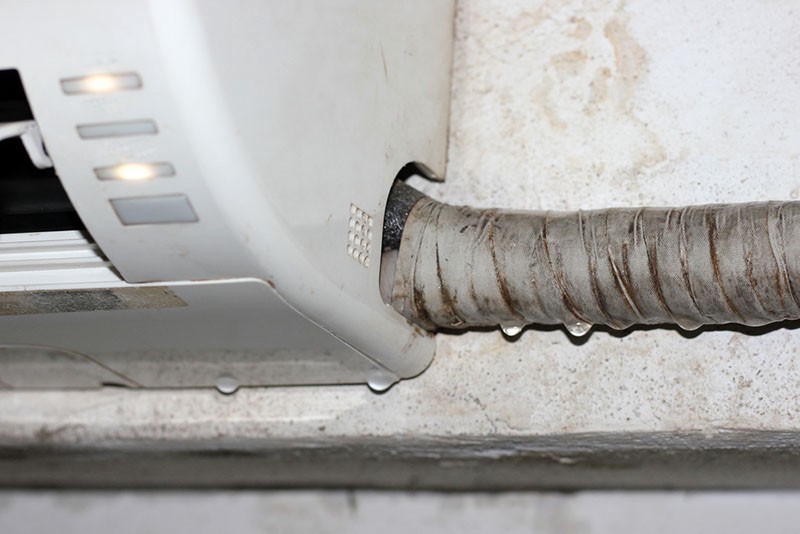
- Clogged Drain Line: This is the most common reason. Condensation forms on the cooling coils and drips into a drain pan. From there, it flows through a drain line to the outside. If this line becomes blocked with dust, algae, or debris, water will back up and leak inside.
- Dirty Air Filter: A dirty air filter restricts airflow, causing the evaporator coil to become excessively cold. This can lead to ice formation. When the ice melts, it overwhelms the drain pan, resulting in leaks.
- Low Refrigerant Levels: While less common in window units compared to central AC systems, low refrigerant can still cause the evaporator coil to freeze. Again, when the ice melts, you get a leak.
- Damaged Drain Pan: Over time, the drain pan itself can crack or rust, leading to leaks. This is more common in older units.
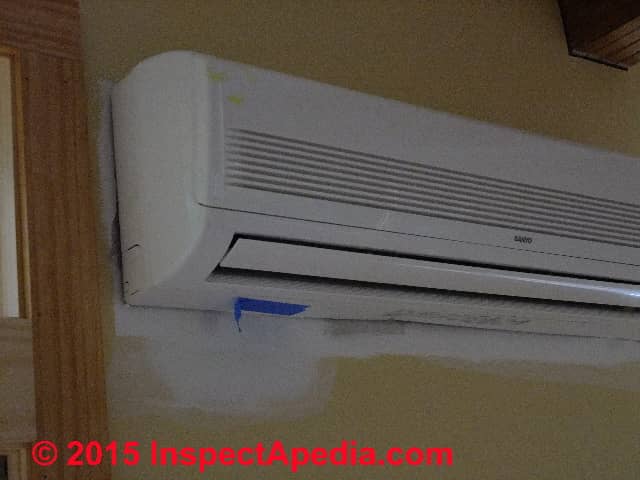
- Improper Installation: If the unit isn't properly tilted during installation, the condensate water won't drain correctly. The unit should slope slightly downward to the exterior.
- High Humidity: In particularly humid environments, the unit may simply produce more condensation than the drain system can handle, leading to minor overflow.
Diagnosing the Leak: Step-by-Step Guide
Before calling a professional, you can perform some basic troubleshooting to identify the source of the leak:
- Check the Air Filter: Remove the filter and inspect it. If it's visibly dirty, clean or replace it. This is a good practice to do regularly, regardless of leaks.
- Inspect the Drain Line: Locate the drain line (usually a small tube exiting the unit to the outside). Check for any kinks, blockages, or disconnections. You can try to gently clear the line with a wire or wet/dry vacuum.
- Observe the Leak: Determine where the water is leaking from. Is it dripping from the front, the back, or the sides? This can help narrow down the potential problem area.
- Check for Ice Formation: If possible, carefully inspect the evaporator coils (behind the air filter) for ice build-up. If you see ice, the unit is likely freezing.
- Assess the Installation: Visually inspect the unit to ensure it's properly tilted. Use a level to confirm a slight downward slope to the exterior.
DIY Solutions vs. Professional Repair
Some minor issues, like a clogged drain line or dirty air filter, can be easily resolved with DIY solutions. However, more complex problems, such as low refrigerant levels or a damaged drain pan, typically require professional intervention.
DIY Solutions:
- Cleaning or Replacing the Air Filter: A simple task that can significantly improve performance and prevent freezing.
- Clearing the Drain Line: Use a wire, pipe cleaner, or wet/dry vacuum to remove any blockages.
- Re-Tilting the Unit: Adjust the unit's position to ensure proper drainage.
When to Call a Professional:
- Low Refrigerant Levels: Refrigerant handling requires specialized equipment and certifications.
- Damaged Drain Pan: Repairing or replacing the drain pan can be tricky and may require disassembling the unit.
- Electrical Issues: If you suspect an electrical problem, do not attempt to fix it yourself. Call a qualified electrician or HVAC technician.
- Persistent Leaks: If you've tried the DIY solutions and the leak persists, it's time to consult a professional.
Air Conditioner Brands and Models: A Comparison
When choosing a new wall-mounted air conditioner, consider factors like cooling capacity (BTU), energy efficiency (EER or SEER), noise level, and features. Here's a brief comparison of popular brands and models:
- Frigidaire: Known for affordability and a wide range of models. Their Gallery Series offers improved features and energy efficiency. Models range from 5,000 BTU to 25,000 BTU. Look for models with a Combined Energy Efficiency Ratio (CEER) above 12.
- LG: Offers stylish designs and innovative features like Wi-Fi connectivity and smart controls. LG models often feature higher Energy Efficiency Ratios (EER). Consider the LG LT1230CNR for a balance of power and efficiency.
- GE: A trusted brand with a long history in home appliances. GE wall units are generally reliable and offer good value. Look for models with the Energy Star certification.
- Midea: Gaining popularity for their energy-efficient and feature-rich models at competitive prices. Many Midea models include inverter technology for variable speed operation and quieter performance.
Example Model Comparison:
| Model | Brand | BTU | EER/CEER | Features |
|---|---|---|---|---|
| FGWHE083WA | Frigidaire Gallery | 8,000 | 12.0 CEER | Wi-Fi, Quiet Operation |
| LT1230CNR | LG | 12,000 | 11.8 EER | Gold Fin Anti-Corrosion |
| AHI05AZW1 | GE | 5,000 | 11.3 EER | Remote Control |
Understanding Energy Efficiency Ratings: EER and SEER
EER (Energy Efficiency Ratio) and SEER (Seasonal Energy Efficiency Ratio) are metrics that measure the cooling efficiency of an air conditioner. A higher rating indicates greater efficiency and lower energy consumption.
- EER: Measures the cooling output in BTU per hour divided by the electrical power input in watts at a specific operating point.
- SEER: A more comprehensive measure that considers the air conditioner's performance over an entire cooling season. While SEER is more common for central AC, understanding the concept helps in evaluating overall efficiency. Wall units will often have an EER or CEER (Combined Energy Efficiency Ratio) rating.
When choosing a new wall unit, prioritize models with higher EER or CEER ratings to save on energy costs.
Warranty Information and Maintenance
Most air conditioner wall units come with a manufacturer's warranty, typically covering parts and labor for a specific period (usually 1-5 years). Be sure to read the warranty terms carefully to understand what's covered and what's not.
Maintenance Tips for Preventing Leaks and Extending Lifespan:
- Regularly Clean or Replace the Air Filter: This is the most important maintenance task. Aim to do it every 1-3 months, depending on usage and air quality.
- Clean the Coils: Periodically clean the evaporator and condenser coils with a soft brush or vacuum cleaner attachment.
- Inspect the Drain Line: Check the drain line regularly for blockages and clear any debris.
- Professional Servicing: Consider scheduling professional maintenance at least once a year to ensure optimal performance and identify potential problems early on.
Cost Considerations: Purchase, Installation, and Operation
The total cost of owning a wall-mounted air conditioner includes the purchase price, installation costs (if applicable), and ongoing operating expenses (electricity). Prices vary depending on the BTU rating, energy efficiency, features, and brand.
- Purchase Price: Wall units typically range from $150 to $800, depending on size and features.
- Installation: If you need to create a new window opening or require electrical work, professional installation can add to the cost. Standard installations can range from $100-$300.
- Operating Costs: Choose energy-efficient models with high EER/CEER ratings to minimize electricity bills.
Pro Tip: Use an energy consumption calculator to estimate the annual operating cost of different models based on your local electricity rates and usage patterns.
Preventing Future Leaks: Best Practices
Taking proactive steps can minimize the risk of future leaks:
- Proper Installation: Ensure the unit is correctly installed with a slight downward tilt to the exterior.
- Regular Maintenance: Adhere to a consistent maintenance schedule, including air filter cleaning and drain line inspection.
- Monitor Humidity Levels: In very humid environments, consider using a dehumidifier to reduce the load on the air conditioner.
- Choose the Right Size Unit: An undersized unit will have to work harder, increasing the risk of freezing and leaks. A unit that's too large will cycle on and off too frequently, which can also lead to problems.
By understanding the causes of leaks, following these diagnostic steps, and implementing preventive measures, you can keep your air conditioner wall unit running smoothly and efficiently for years to come.