Air Conditioning Ac Low Pressure Switch Location

Understanding the intricate components of an air conditioning system is crucial for anyone involved in the HVAC industry. From students just starting their journey to seasoned technicians aiming for advanced certifications, knowing the ins and outs of each part is key to effective troubleshooting, maintenance, and repair. One such critical component is the AC low pressure switch. This article provides a comprehensive overview of the AC low pressure switch, focusing on its location, function, and importance in the overall AC system.
What is an AC Low Pressure Switch?
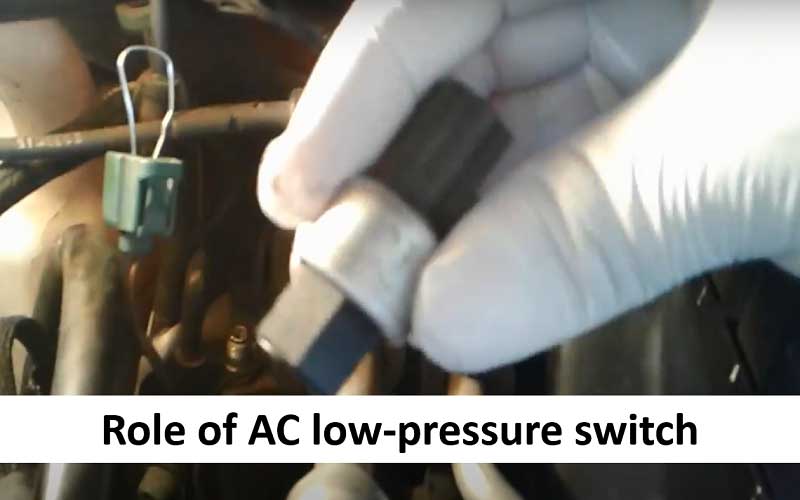
The AC low pressure switch is a safety device designed to protect the compressor from damage. The compressor is the heart of the air conditioning system, and running it without sufficient refrigerant can lead to overheating and catastrophic failure. The low pressure switch monitors the refrigerant pressure on the suction (low) side of the system. If the pressure drops below a certain threshold, the switch opens, cutting power to the compressor and preventing it from running. This prevents damage caused by running the compressor dry or with insufficient lubrication.
Location of the AC Low Pressure Switch
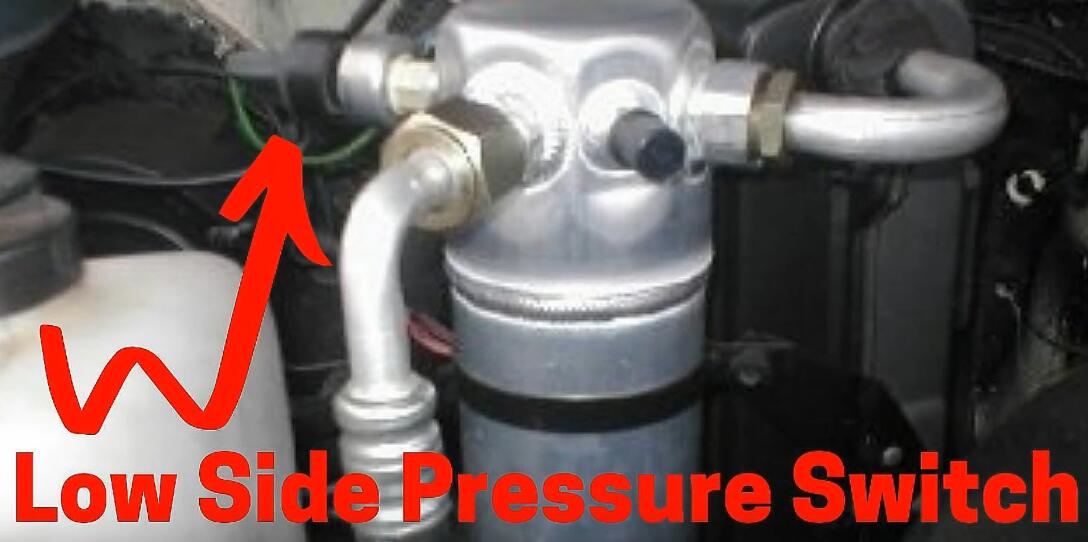
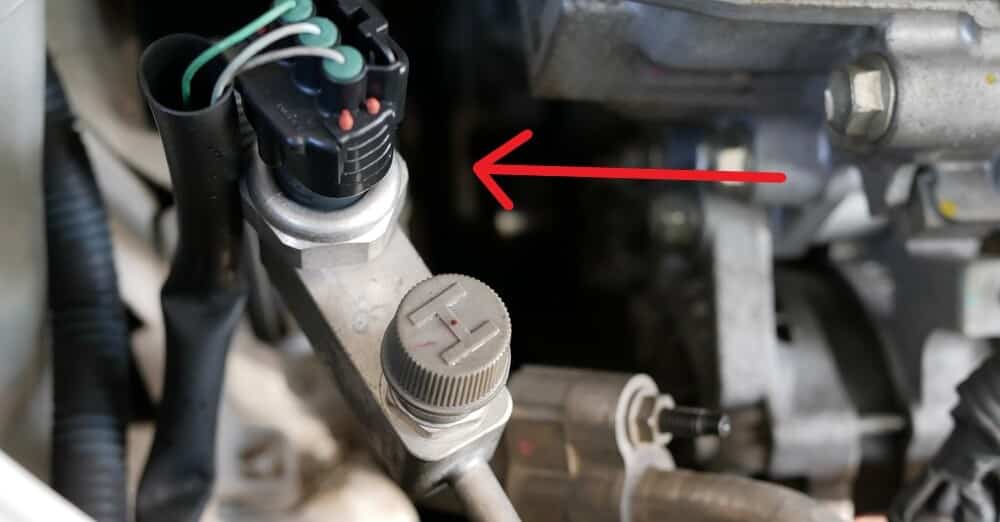
Identifying the location of the AC low pressure switch is fundamental for diagnostics and repair. While the exact location may vary slightly depending on the make and model of the air conditioning system, there are some general rules to follow.
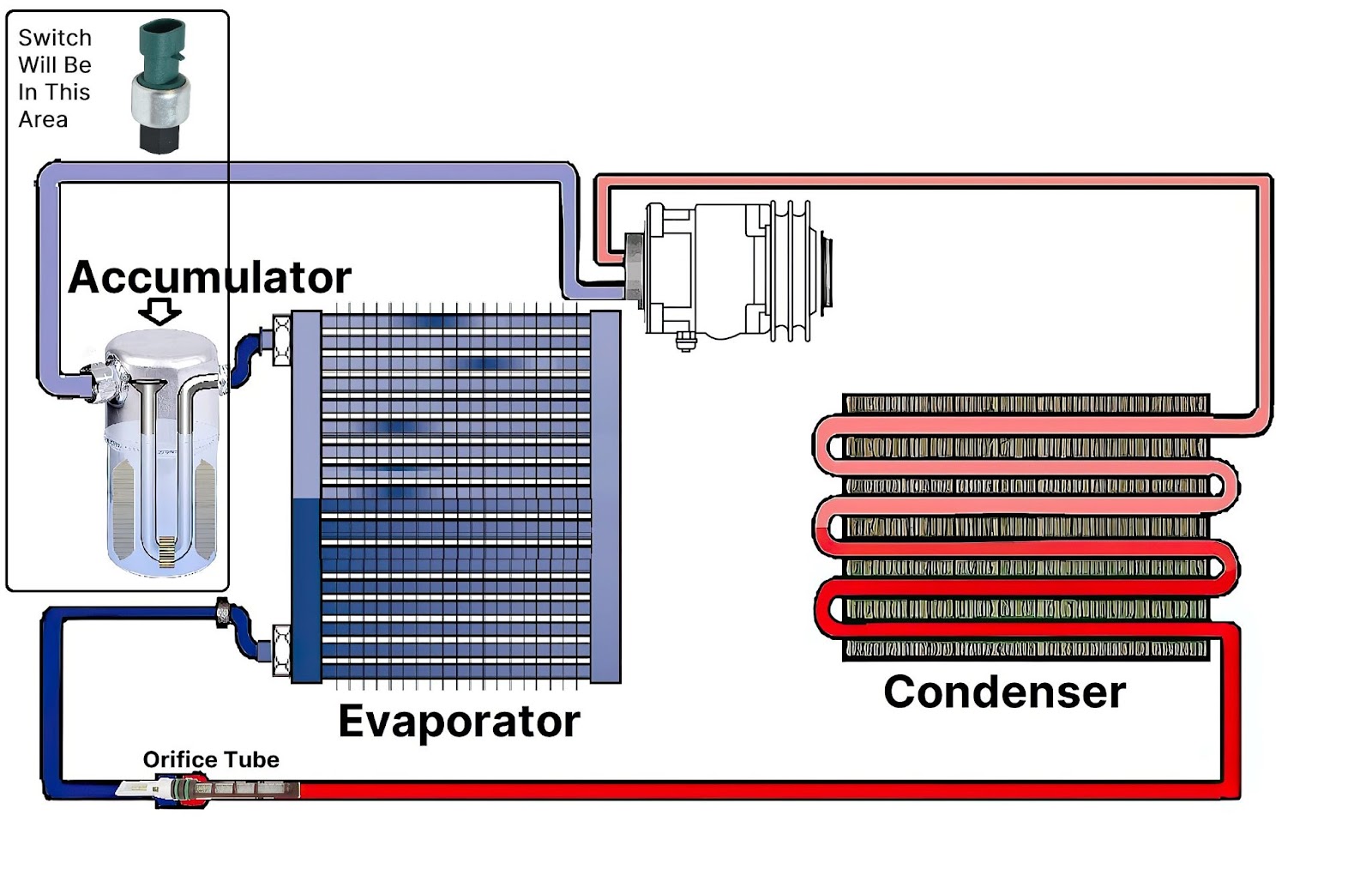
- In Automotive AC Systems: In vehicles, the low pressure switch is typically found on the low-pressure side of the AC system, often near the accumulator or receiver-drier. These components are usually located in the engine compartment, sometimes near the firewall. Trace the low-pressure line (the larger of the two refrigerant lines) from the evaporator to locate these components and the switch.
- In Residential and Commercial AC Systems: For residential and commercial HVAC systems, the low pressure switch is typically located within the outdoor condensing unit. It’s installed on the suction line, between the evaporator and the compressor. Look for it near the service port on the suction line. It's often wired directly into the control circuit of the compressor.
Important Note: Always consult the specific manufacturer's service manual for the exact location and configuration of the low pressure switch in a particular system. Diagrams are often included within the service manual, so be sure to consult these before beginning repair work.
Function of the AC Low Pressure Switch
The primary function of the low pressure switch is to protect the compressor. Here's a breakdown of how it works:
- Monitoring Refrigerant Pressure: The switch continuously monitors the refrigerant pressure in the low-pressure side of the system.
- Pressure Threshold: The switch has a predetermined pressure threshold (e.g., 20-30 PSI).
- Normal Operation: As long as the refrigerant pressure is above the threshold, the switch remains closed, allowing electrical current to flow to the compressor.
- Low Pressure Condition: If the refrigerant pressure drops below the threshold, the switch opens, breaking the electrical circuit to the compressor.
- Compressor Shutdown: With the electrical circuit broken, the compressor shuts down, preventing potential damage.
This seemingly simple device plays a crucial role in maintaining the longevity and reliability of the entire AC system.
Diagnosing a Faulty Low Pressure Switch
A faulty low pressure switch can cause a variety of problems, including:
- The AC system not cooling properly or not cooling at all.
- The compressor cycling on and off rapidly (short cycling).
- The compressor not turning on at all.
To diagnose a faulty switch, technicians typically use a multimeter to check for continuity across the switch terminals. If the switch is open when the refrigerant pressure is known to be above the threshold, the switch is likely faulty. Conversely, if the switch is closed when the refrigerant pressure is below the threshold, the switch is also likely faulty.
Safety First: Before working on any AC system, always recover the refrigerant properly using certified recovery equipment. This is not only environmentally responsible but also legally required under EPA regulations.
HVAC Certifications and Job Outlook
A strong understanding of AC systems, including the function and location of components like the low pressure switch, is essential for success in the HVAC industry. Obtaining relevant certifications can significantly enhance your career prospects and earning potential.
Key Certifications:
- EPA Section 608 Certification: Required by the Environmental Protection Agency (EPA) for anyone who handles refrigerants. There are different types of certifications (Type I, Type II, Type III, and Universal) depending on the type of equipment you work on. This certification demonstrates your knowledge of refrigerant handling and recovery procedures.
- NATE (North American Technician Excellence): NATE certification is widely recognized as a mark of excellence in the HVAC industry. NATE offers certifications in various specialties, including air conditioning, refrigeration, and heating.
- HVAC Excellence: Another respected certification organization that provides industry-recognized credentials for HVAC technicians.
Job Outlook and Salary:
The job outlook for HVAC technicians remains strong. According to the U.S. Bureau of Labor Statistics, employment of HVAC mechanics and installers is projected to grow 6 percent from 2022 to 2032, about as fast as the average for all occupations. About 38,000 openings for HVAC mechanics and installers are projected each year, on average, over the decade.
The median annual wage for HVAC mechanics and installers was $59,690 in May 2023. The lowest 10 percent earned less than $35,670, and the highest 10 percent earned more than $83,940. Salaries can vary depending on experience, location, certifications, and the specific employer.
Career Paths:
The HVAC industry offers a variety of career paths. Some common career paths include:
- Entry-Level Technician: Typically involves assisting experienced technicians with installations, repairs, and maintenance.
- Service Technician: Focuses on diagnosing and repairing HVAC systems.
- Installation Technician: Specializes in installing new HVAC systems.
- Commercial HVAC Technician: Works on larger, more complex systems in commercial buildings.
- HVAC Supervisor/Manager: Oversees a team of HVAC technicians.
- HVAC Sales Engineer: Sells HVAC equipment and systems to businesses and homeowners.
Real-World Example: Consider Maria, a recent HVAC graduate. She started as an entry-level technician, assisting senior technicians with installations and repairs. After two years, she obtained her EPA 608 certification and became a service technician, focusing on diagnosing and repairing AC systems. With further training and experience, she plans to pursue NATE certification and eventually become a commercial HVAC technician, working on complex systems in large office buildings.
Staying Updated with Industry Trends
The HVAC industry is constantly evolving, with new technologies and regulations emerging regularly. Staying updated with these trends is crucial for long-term success. Some key trends to watch include:
- Energy Efficiency: Increasing demand for energy-efficient HVAC systems and technologies.
- Smart Technology: Integration of smart thermostats and other smart home devices with HVAC systems.
- Refrigerant Regulations: Ongoing changes in refrigerant regulations, including the phase-out of older refrigerants and the adoption of new, more environmentally friendly alternatives.
- Renewable Energy: Growing interest in integrating renewable energy sources, such as solar thermal and geothermal, with HVAC systems.
To stay updated, consider attending industry conferences, subscribing to trade publications, and participating in online forums and communities.
Conclusion
The AC low pressure switch is a vital component in any air conditioning system, protecting the compressor from damage and ensuring reliable operation. Understanding its location, function, and troubleshooting procedures is essential for HVAC technicians of all levels. By obtaining relevant certifications, staying updated with industry trends, and continuously developing your skills, you can build a successful and rewarding career in the dynamic HVAC industry. Remember to always prioritize safety and follow proper procedures when working on AC systems. Proper handling of refrigerant is critical to prevent damage to the ozone layer. The knowledge and skills you gain will not only benefit your career but also contribute to a more sustainable future.