Air Conditioning System How It Works
Air conditioning (AC) systems are essential for maintaining comfortable indoor environments, especially in warmer climates. Understanding how these systems work can empower homeowners, facility managers, and HVAC technicians to make informed decisions about installation, maintenance, and energy efficiency. This article provides a comprehensive overview of air conditioning system operation, components, and key considerations for optimal performance.
The Refrigeration Cycle: The Heart of Cooling
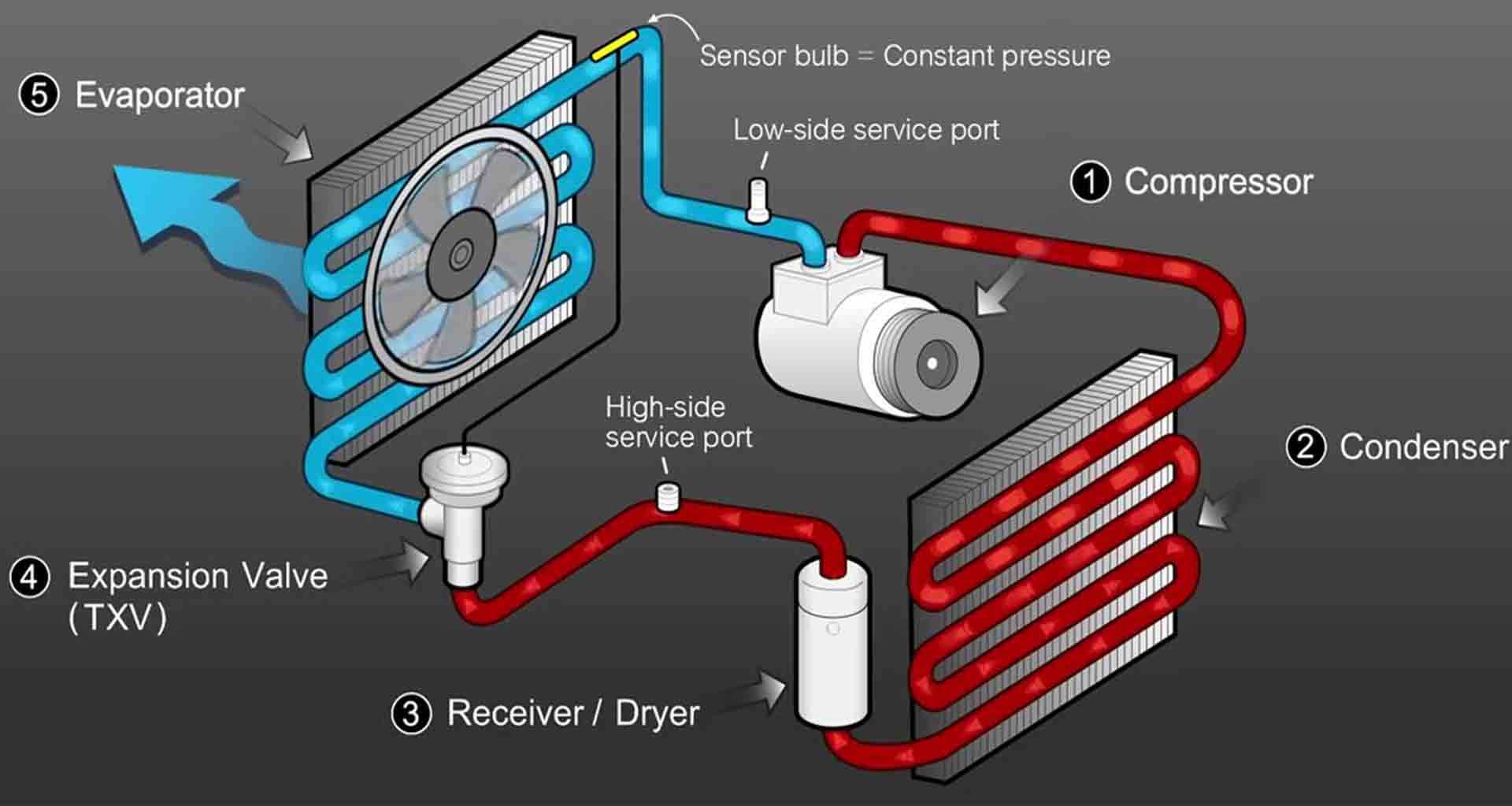
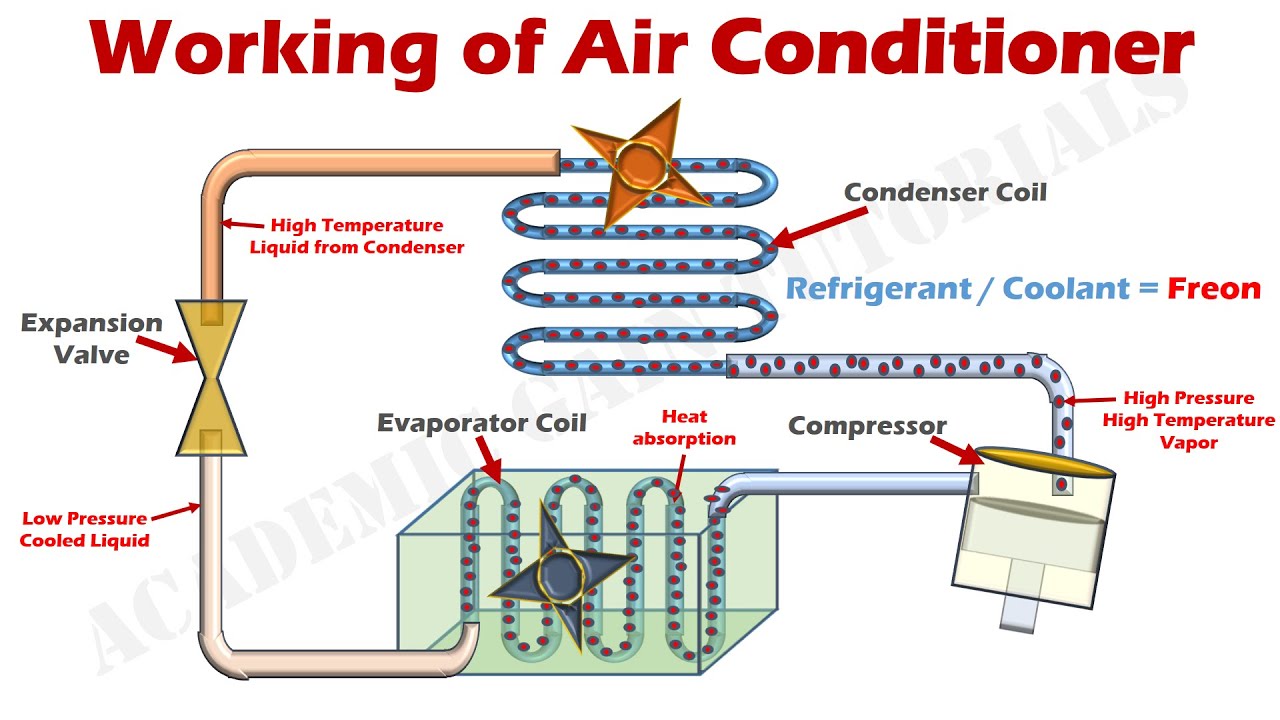
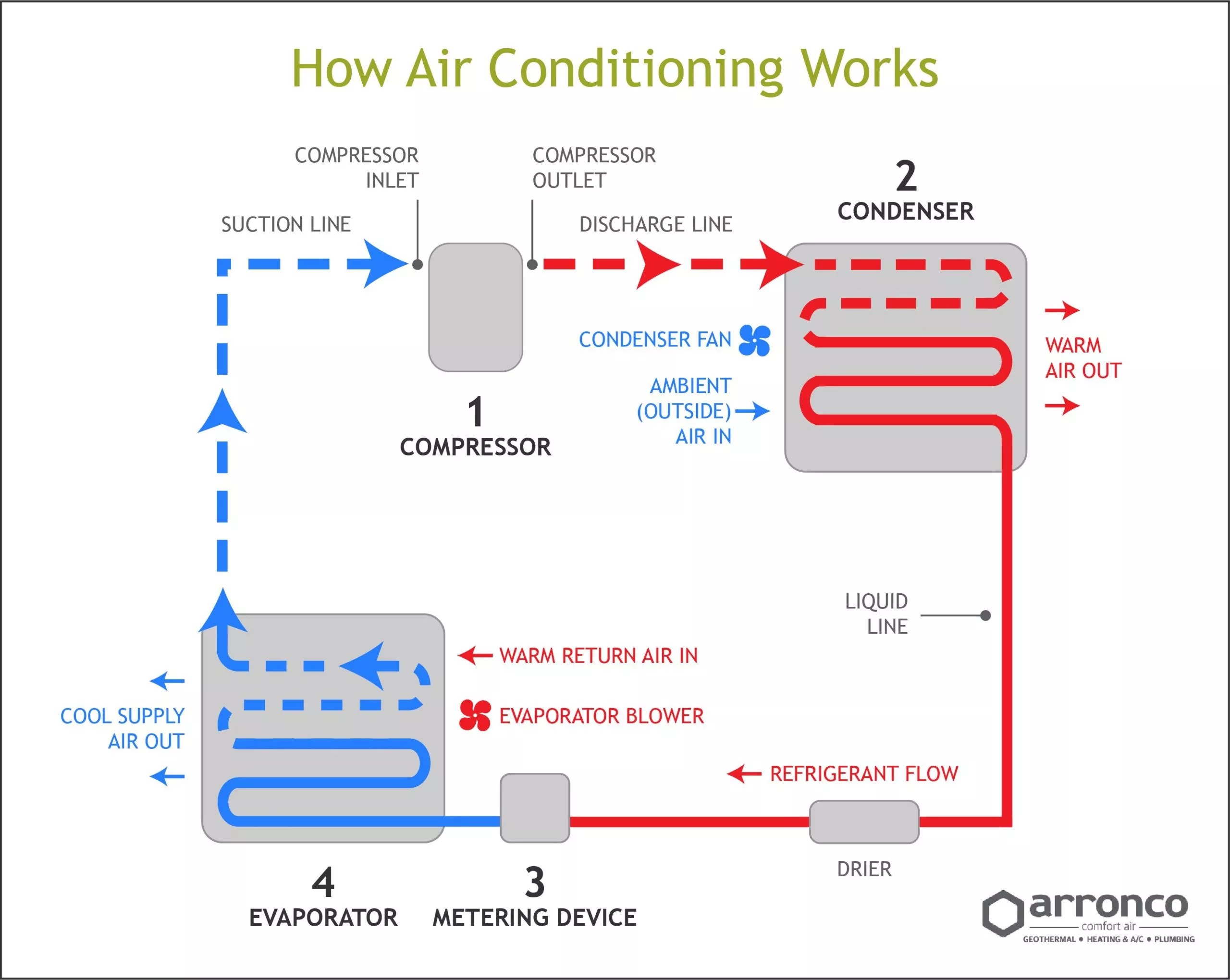
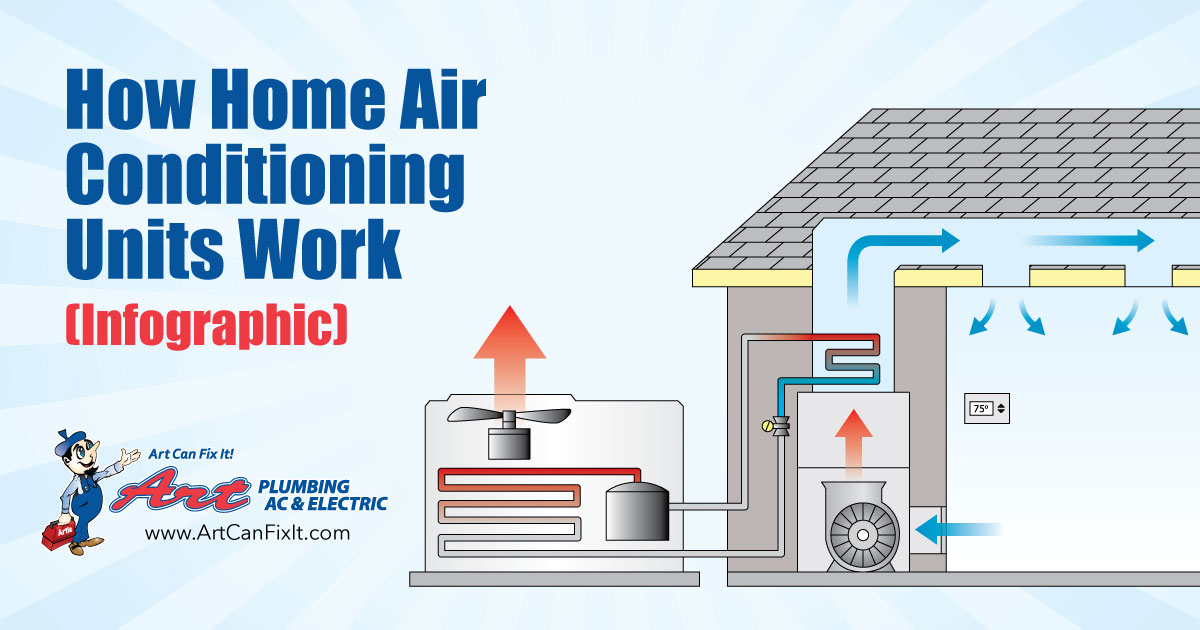
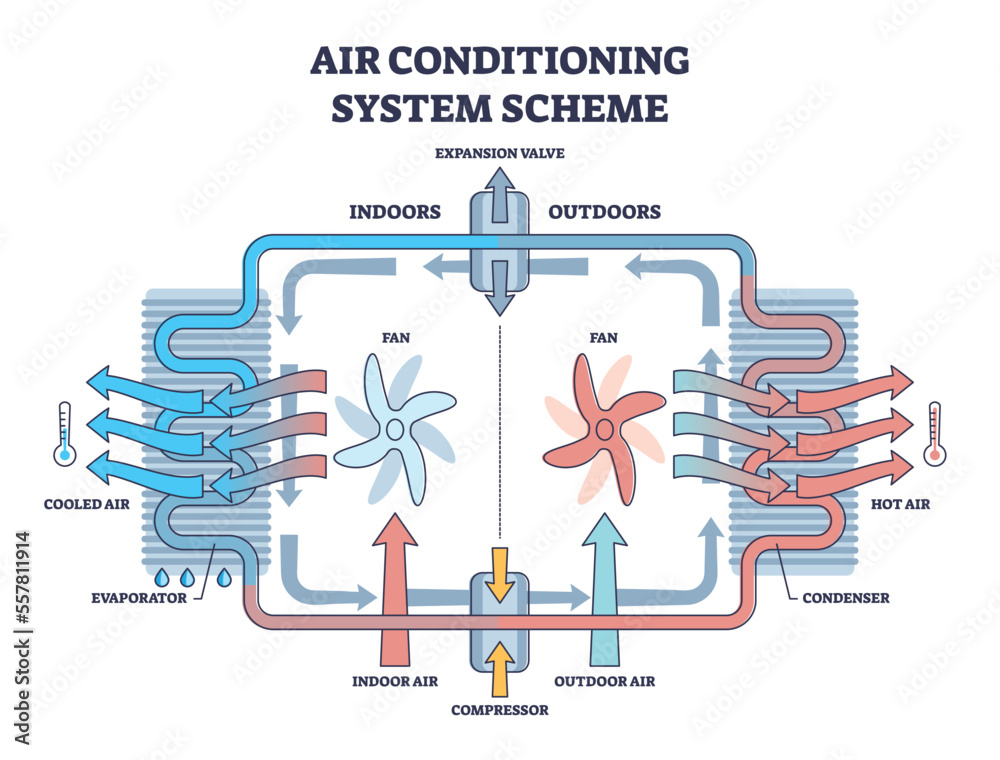
At the core of every air conditioning system lies the refrigeration cycle, a thermodynamic process that moves heat from one location to another. This cycle relies on the unique properties of a refrigerant, a chemical compound that easily changes state between liquid and gas, absorbing and releasing heat in the process. The refrigeration cycle consists of four primary components:
1. Evaporator
The evaporator is located inside the air handler unit, typically inside your home. Here, the liquid refrigerant absorbs heat from the indoor air, causing it to evaporate into a low-pressure gas. Air is blown across the evaporator coil by a fan, cooling the air and reducing humidity as moisture condenses on the coil.
Example: Imagine opening a can of compressed air and spraying it – the can gets very cold. The evaporator does the same thing but with a controlled flow of refrigerant inside a closed system.
2. Compressor
The refrigerant, now a low-pressure gas, travels to the compressor, usually located in the outdoor unit. The compressor’s job is to increase the pressure and temperature of the refrigerant gas. This process requires energy, making the compressor the most energy-intensive component of the AC system.
Technical Note: Compressors come in different types, including reciprocating, rotary, scroll, and centrifugal. Scroll compressors are generally more efficient and quieter than reciprocating compressors, while centrifugal compressors are used in large commercial applications.
3. Condenser
The high-pressure, high-temperature refrigerant gas then flows to the condenser, also located in the outdoor unit. Here, the refrigerant releases heat to the outside air, causing it to condense back into a high-pressure liquid. A fan helps dissipate the heat away from the condenser coil.
Real-World Performance: You can feel the hot air being expelled from the outdoor unit when the AC is running. This is the heat that was removed from your home.
4. Expansion Valve (or Metering Device)
Finally, the high-pressure liquid refrigerant passes through an expansion valve (also called a metering device). This valve restricts the flow of refrigerant, causing a significant pressure drop and converting the high-pressure liquid into a low-pressure, low-temperature mixture of liquid and gas. This mixture then returns to the evaporator, and the cycle begins again.
HVAC Technician Tip: Properly sizing and adjusting the expansion valve is crucial for optimal system performance. An incorrectly sized valve can lead to inefficiency and damage to the compressor.
System Components Beyond the Refrigeration Cycle
While the refrigeration cycle is the core of air conditioning, other components are essential for overall system function:
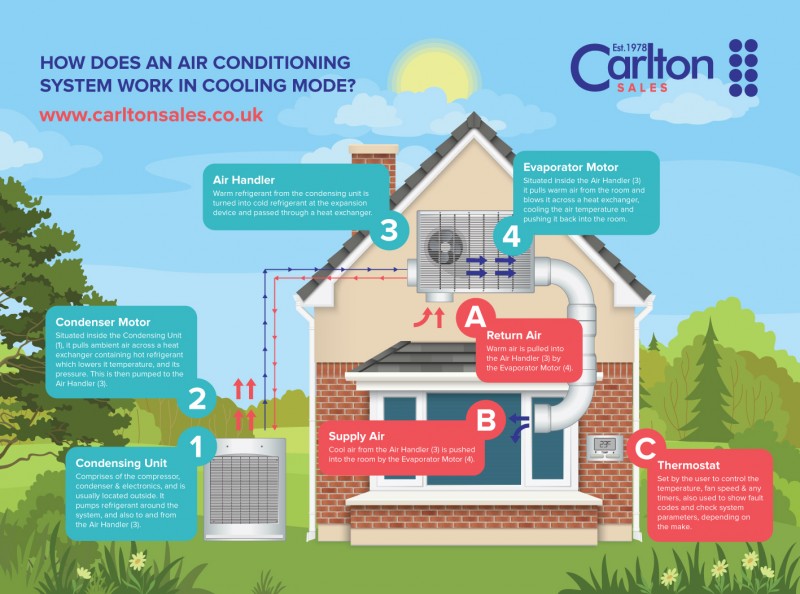
- Air Handler: The air handler contains the evaporator coil, blower fan, and air filter. It circulates air throughout the building, drawing warm air in, cooling it as it passes over the evaporator coil, and distributing the cool air through the ductwork.
- Ductwork: The ductwork is a network of channels that distributes conditioned air throughout the building. Proper ductwork design and installation are crucial for even cooling and energy efficiency. Leaky or poorly insulated ducts can waste a significant amount of energy.
- Thermostat: The thermostat is the control center of the AC system. It senses the indoor temperature and signals the system to turn on or off to maintain the desired temperature. Programmable thermostats can help save energy by automatically adjusting the temperature based on the time of day.
- Air Filter: The air filter removes dust, pollen, and other particles from the air circulating through the system. Regular filter replacement is essential for maintaining air quality and preventing damage to the AC system.
Types of Air Conditioning Systems
Air conditioning systems come in various configurations, each suited for different applications:
- Central Air Conditioning: This is the most common type of AC system for residential buildings. It uses a single outdoor unit and an indoor air handler to cool the entire house through ductwork.
- Ductless Mini-Split Systems: These systems consist of an outdoor unit and one or more indoor units (air handlers) mounted on the wall. They are ideal for cooling individual rooms or areas without existing ductwork.
- Window Air Conditioners: These are self-contained units that are installed in a window. They are relatively inexpensive and easy to install, but they are less efficient and less powerful than central AC systems.
- Portable Air Conditioners: These are self-contained units that can be moved from room to room. They require venting to the outside through a window or wall.
- Geothermal Heat Pumps: While technically heat pumps, they can provide efficient cooling by using the earth's stable temperature to exchange heat.
Efficiency Ratings and Cost Considerations
When choosing an air conditioning system, it's important to consider its efficiency rating and overall cost. Key metrics include:
- SEER (Seasonal Energy Efficiency Ratio): SEER measures the cooling efficiency of an AC system. A higher SEER rating indicates greater energy efficiency. Modern systems typically range from 14 SEER to 25+ SEER. Higher SEER units cost more upfront, but offer reduced energy consumption over their lifespan.
- EER (Energy Efficiency Ratio): EER measures the cooling efficiency at a specific operating point (e.g., a specific outdoor temperature). It provides a snapshot of efficiency under specific conditions.
- HSPF (Heating Season Performance Factor): Primarily used for heat pumps, this measures heating efficiency. While not directly related to AC efficiency, it is relevant if you are considering a heat pump for both heating and cooling.
Cost Breakdown: The total cost of an AC system includes the purchase price, installation costs, and operating costs (primarily electricity). Consider a cost-benefit analysis to determine the most economical option over the long term. For example, a higher SEER unit may cost more initially but save money on energy bills over its lifespan.
Lifecycle: A well-maintained central AC system can last 15-20 years. Factors affecting lifespan include usage, maintenance, and climate. Regular maintenance, such as filter changes and coil cleaning, can significantly extend the life of the system.
Maintenance and Troubleshooting
Proper maintenance is crucial for ensuring optimal performance and extending the life of your AC system. Key maintenance tasks include:
- Regular Filter Replacement: Replace air filters every 1-3 months, or more frequently if you have pets or allergies.
- Coil Cleaning: Clean the evaporator and condenser coils annually to remove dirt and debris that can reduce efficiency.
- Ductwork Inspection: Inspect ductwork for leaks and damage, and seal any leaks to prevent energy loss.
- Professional Maintenance: Schedule annual professional maintenance to inspect and tune up the system.
Common Problems: Some common AC problems include:
- Refrigerant Leaks: Refrigerant leaks can reduce cooling capacity and damage the compressor.
- Frozen Coils: Frozen coils can be caused by restricted airflow or low refrigerant levels.
- Compressor Failure: Compressor failure is a major repair and can be costly.
- Fan Motor Problems: Fan motor problems can reduce airflow and cause overheating.
Troubleshooting Tip: If your AC system is not cooling properly, check the air filter, thermostat settings, and circuit breaker before calling a technician.
The Future of Air Conditioning
The air conditioning industry is constantly evolving, with advancements in efficiency, technology, and environmental impact. Emerging trends include:
- Smart Thermostats: Smart thermostats use sensors and algorithms to optimize energy usage and provide personalized comfort.
- Variable Speed Compressors: Variable speed compressors adjust their cooling output based on demand, resulting in greater efficiency and more consistent temperatures.
- Eco-Friendly Refrigerants: Newer refrigerants with lower global warming potential are being developed to replace older, more harmful refrigerants.
- Solar-Powered Air Conditioning: Solar-powered AC systems can reduce reliance on fossil fuels and lower energy costs.
By understanding the fundamentals of air conditioning systems and staying informed about new technologies, homeowners, facility managers, and HVAC professionals can make informed decisions that optimize comfort, energy efficiency, and sustainability.



:max_bytes(150000):strip_icc()/what-are-central-air-conditioners-1152645_V2-390c6f1f6ca14b4ebc59426f226a78a8.png)