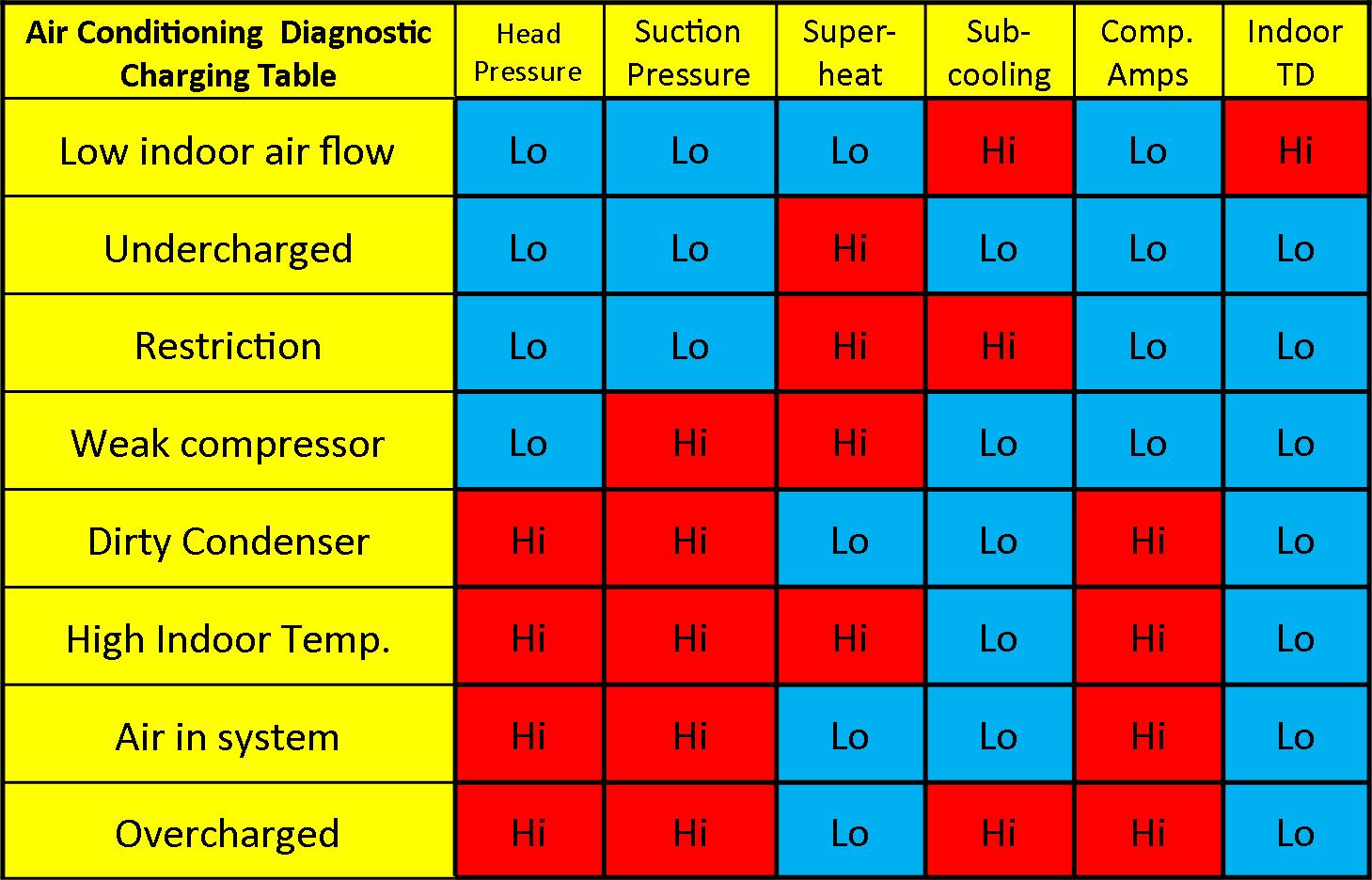
Air Conditioning Troubleshooting Chart
Air Conditioning Troubleshooting: A Homeowner's Guide
Few things are more frustrating than an air conditioner that isn't working properly, especially during the peak of summer. Before calling a costly HVAC technician, many common AC problems can be diagnosed and sometimes even resolved with a little troubleshooting. This guide will provide you with a comprehensive air conditioning troubleshooting chart, helping you identify the issue and potentially save time and money.
Understanding Your AC System
Before diving into troubleshooting, it’s essential to understand the basic components of your air conditioning system:
- Compressor: The heart of the system, responsible for compressing refrigerant.
- Condenser: Located outside, it releases heat from the refrigerant.
- Evaporator: Located inside, it absorbs heat from the air.
- Expansion Valve (or Metering Device): Controls the flow of refrigerant into the evaporator.
- Refrigerant: The substance that absorbs and releases heat. Common refrigerants include R-410A and the newer, more environmentally friendly R-32.
- Thermostat: Controls the on/off cycles and temperature settings.
- Air Filter: Removes dust and debris from the air.
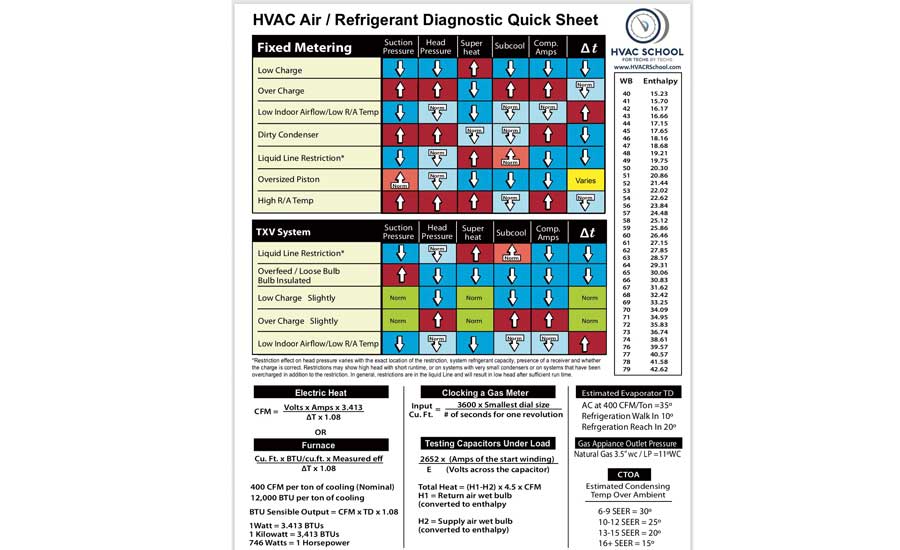
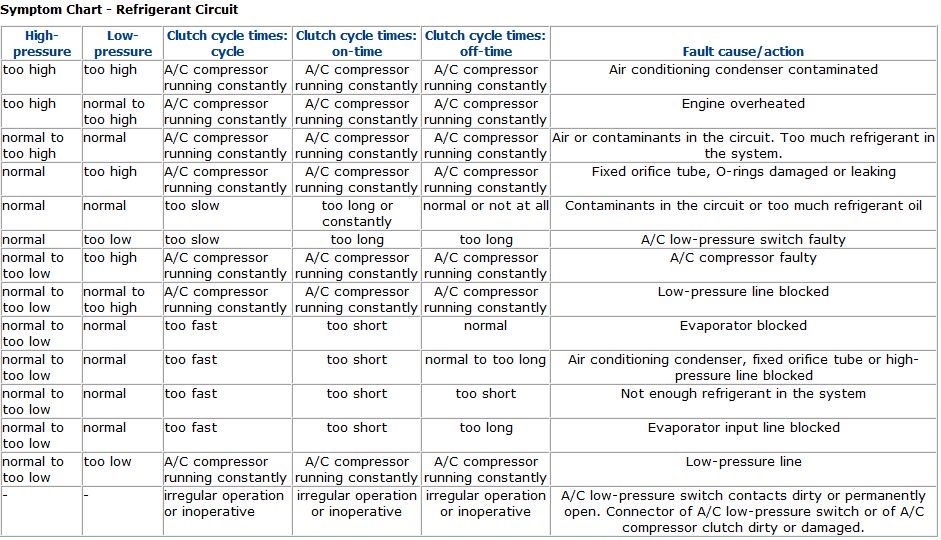
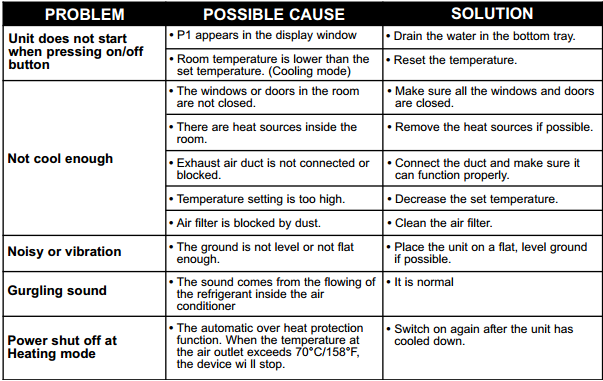
Air Conditioning Troubleshooting Chart
| Problem | Possible Causes | Troubleshooting Steps |
|---|---|---|
| AC Not Turning On |
|
|
| AC Blowing Warm Air |
|
|
| AC Not Cooling Enough |
|
|
| AC Cycling On and Off Frequently (Short Cycling) |
|
|
| AC Making Unusual Noises |
|
|
| Water Leaking from AC Unit |
|
|
Preventative Maintenance: Avoiding Future Problems
Regular maintenance is crucial for keeping your air conditioning system running efficiently and preventing costly repairs. Consider these steps:
- Replace the air filter regularly: At least every 1-3 months, or more often if you have pets or allergies.
- Clean the condenser coil annually: Use a garden hose to gently wash away dirt and debris.
- Schedule professional maintenance: Have an HVAC technician inspect your system annually for potential problems. This includes checking refrigerant levels, inspecting electrical connections, and lubricating moving parts.
- Keep the area around the outdoor unit clear: Remove any vegetation or debris that could obstruct airflow.
Choosing a New AC System: Key Considerations
If your troubleshooting reveals a major problem that is not cost-effective to repair, or if your system is old and inefficient, it may be time to consider a new air conditioner. When selecting a new AC unit, keep these factors in mind:
- SEER Rating: Seasonal Energy Efficiency Ratio (SEER) measures cooling efficiency. Higher SEER ratings indicate greater efficiency, resulting in lower energy bills. Look for models with a SEER rating of 15 or higher.
- BTU Capacity: British Thermal Units (BTU) measure the cooling capacity of the unit. Choose a unit with the appropriate BTU capacity for the size of your home. An HVAC professional can help you determine the correct size.
- Type of System: Consider whether you need a central air conditioner, a ductless mini-split system, or a window unit.
- Brand and Model: Research different brands and models to find one that meets your needs and budget. Popular brands include Carrier, Trane, Goodman, and Lennox.
- Warranty: Check the warranty terms and conditions. A longer warranty provides greater peace of mind.
Popular AC Brands and Models
Here's a brief overview of some popular AC brands and models:
- Carrier Infinity Series: Known for its high efficiency and advanced features. Offers SEER ratings up to 24.
- Trane XV20i: A variable-speed air conditioner with excellent energy efficiency and quiet operation. Boasts a SEER rating up to 20.
- Goodman GSX16: A more affordable option that still offers good performance and reliability.
- Lennox SL28XCV: One of the quietest and most efficient models on the market with SEER ratings reaching 28.
AFUE is more relevant for furnaces (heating efficiency), while HSPF (Heating Seasonal Performance Factor) is used for heat pumps.
Understanding Warranties
Air conditioner warranties typically cover parts and labor for a specific period. Some manufacturers offer extended warranties for an additional cost. Be sure to read the warranty terms and conditions carefully to understand what is covered and what is not. Properly maintaining your system and registering your warranty are crucial for ensuring coverage.
When to Call a Professional
While this troubleshooting guide can help you diagnose many common AC problems, some issues require the expertise of a qualified HVAC technician. Call a professional if:
- You suspect a refrigerant leak.
- You are not comfortable working with electrical components.
- You are unable to diagnose the problem.
- The problem persists after attempting troubleshooting steps.
By following this air conditioning troubleshooting chart and implementing preventative maintenance practices, you can keep your AC system running smoothly and efficiently for years to come. Remember to prioritize safety and consult a professional when needed.