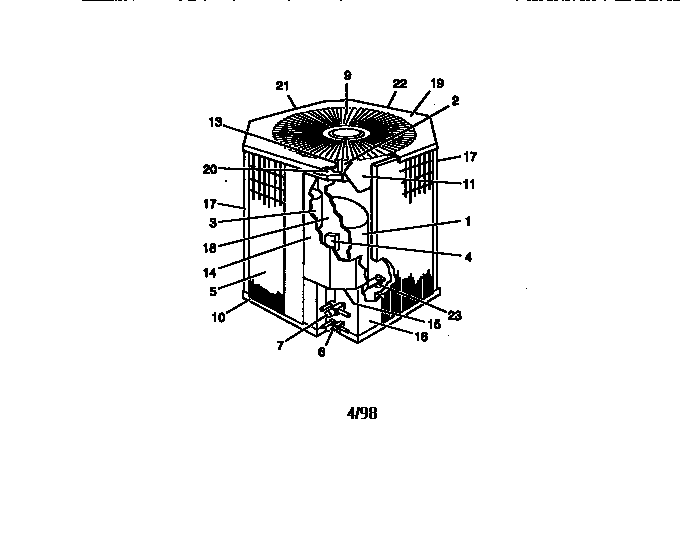
Air Conditioning Unit Model Numbers

One of the most frustrating experiences for a homeowner is when their air conditioning unit stops working, especially during the peak of summer. Before panicking and calling for expensive repairs, understanding your unit's model number can be a crucial first step in troubleshooting. This article will guide you through identifying your AC unit's model number, what you can learn from it, and how it can help you diagnose common problems and potentially fix them yourself. Remember, safety is paramount. If you are uncomfortable with any step, always call a qualified HVAC professional.
Understanding Your AC Unit's Model Number
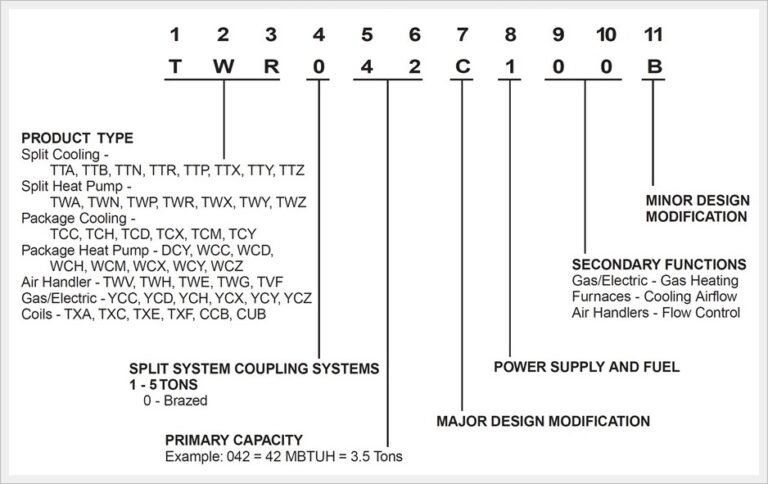
The model number is your AC unit's unique identifier, much like a car's VIN. It contains vital information about the unit's manufacturer, size (cooling capacity), efficiency rating, and sometimes even the year it was manufactured. This information is critical for:
- Finding the right replacement parts: Knowing the exact model number ensures you purchase compatible filters, capacitors, fan motors, and other components.
- Accessing accurate information: The model number allows you to download the correct owner's manual and technical specifications from the manufacturer's website. This manual provides detailed instructions on maintenance, troubleshooting, and warranty information.
- Troubleshooting common issues: Armed with the model number, you can search online forums and databases for solutions specific to your unit.
- Communicating with HVAC technicians: Providing the model number to a technician upfront helps them quickly understand your unit's specifics and prepare for the service call.
Where to Find the Model Number
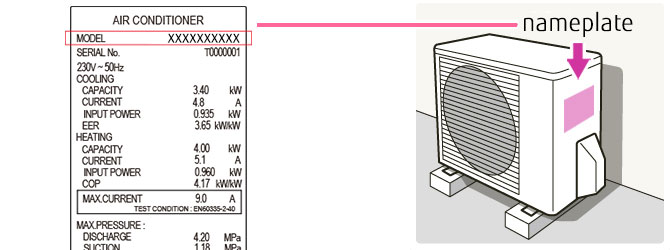
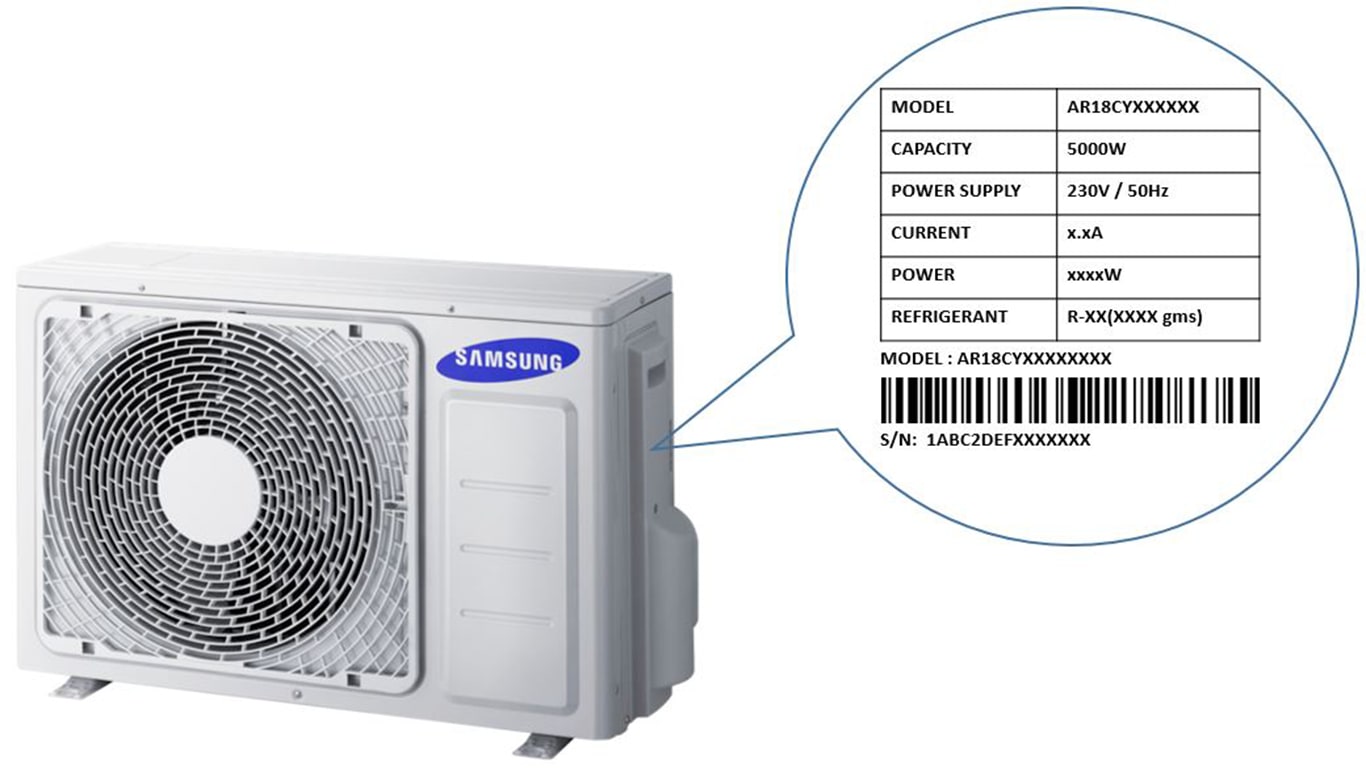
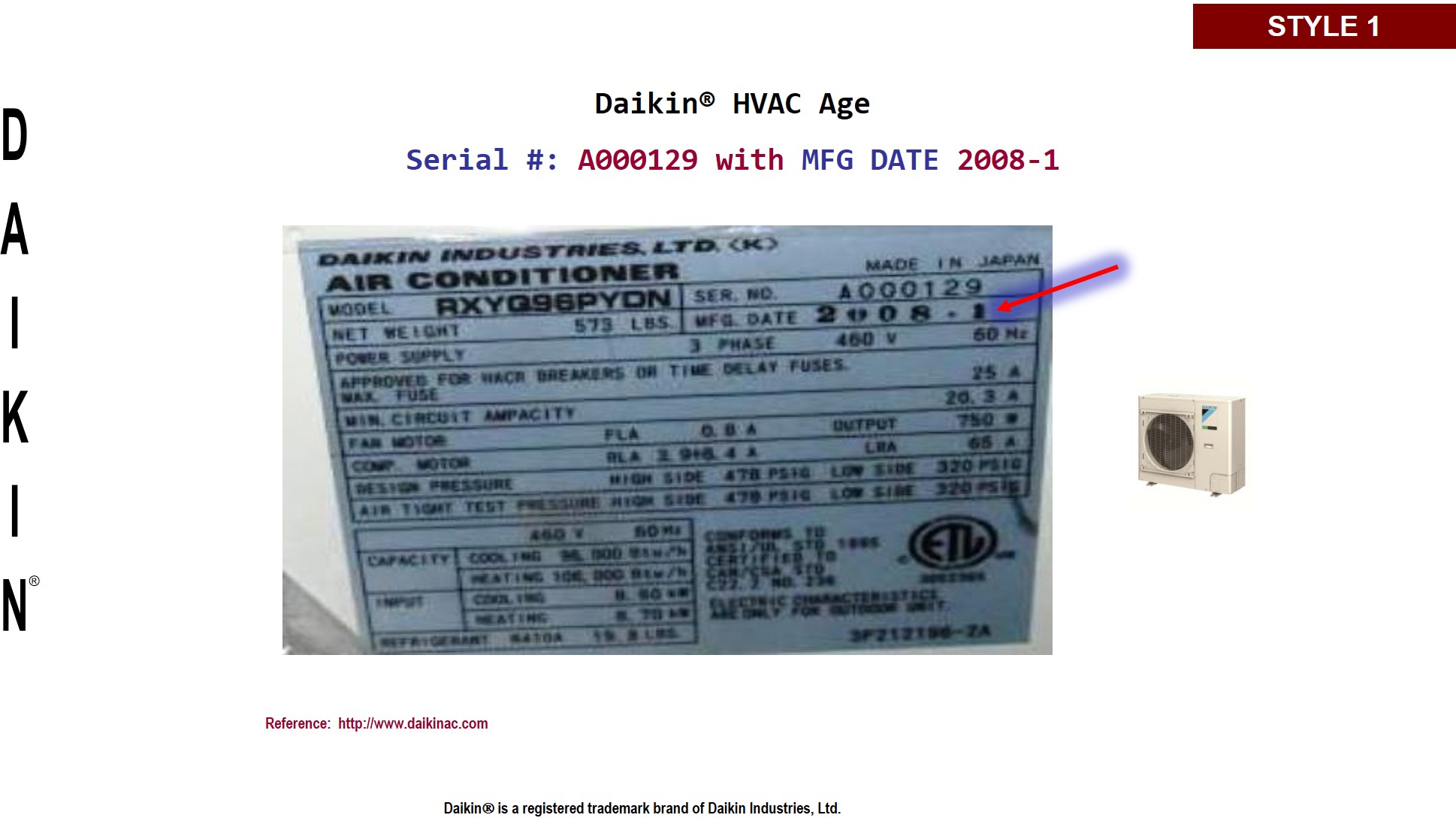
The model number is usually located on a metal nameplate or sticker affixed to the AC unit. Common locations include:
- Outdoor Unit (Condenser): Check the side or back panel of the outdoor unit. Look for a sticker or plate containing a combination of letters and numbers.
- Indoor Unit (Evaporator/Air Handler): This unit is typically located in your attic, basement, or a closet. Look for the nameplate on the unit's exterior.
- Owner's Manual: If you have the original owner's manual, the model number will be listed on the cover or in the introductory section.
If you are having trouble locating the model number, take clear photos of any stickers or labels you find on the unit. Even partial information can be helpful in identifying the correct model.
Common Problems and DIY Diagnosis Using the Model Number
Once you have the model number, you can start diagnosing common AC problems. Here's a step-by-step guide:
1. AC Unit Not Turning On
Possible Causes: Power issue, tripped breaker, thermostat problem, faulty capacitor, or a malfunctioning control board.
DIY Diagnosis:
- Check the Breaker: Locate the breaker in your electrical panel that controls the AC unit. Make sure it's not tripped. If it is, reset it. If it trips again immediately, do not keep resetting it. There could be a short circuit, and you should call an electrician.
- Thermostat Check: Ensure the thermostat is set to "Cool" and the temperature is set lower than the current room temperature. Make sure the batteries are fresh if your thermostat requires them. Consult your thermostat's manual (often available online using the thermostat's model number) for specific troubleshooting steps.
- Capacitor Inspection (Caution: Disconnect Power First!): Before touching anything, turn off the power to the AC unit at the breaker. Locate the capacitor in the outdoor unit (it's usually a cylindrical component). Visually inspect it for bulging, leaking, or any signs of damage. If it looks damaged, it needs to be replaced. This is best left to a professional, as capacitors store electricity and can deliver a dangerous shock even after the power is turned off.
- Consult the Owner's Manual: Use the AC unit's model number to find the owner's manual online. It may contain troubleshooting steps specific to your model.
When to Call a Professional:
- If the breaker trips repeatedly after resetting it.
- If you suspect a problem with the capacitor, especially if you are not comfortable working with electrical components.
- If the thermostat appears to be malfunctioning or you suspect a wiring issue.
- If you cannot find the owner's manual and are unsure how to proceed.
2. AC Unit Blowing Warm Air
Possible Causes: Dirty air filter, frozen evaporator coil, refrigerant leak, or a malfunctioning compressor.
DIY Diagnosis:
- Check the Air Filter: A dirty air filter restricts airflow and can cause the evaporator coil to freeze. Replace the air filter regularly (usually every 1-3 months). The correct filter size and type can often be determined using the AC unit's model number to look up specifications.
- Inspect the Outdoor Unit: Make sure the outdoor unit is free of debris, such as leaves, grass, and branches. Clear any obstructions that may be blocking airflow.
- Frozen Evaporator Coil: If you suspect a frozen coil, turn off the AC unit and run only the fan to allow the coil to thaw. Check the air filter and clean the outdoor unit as described above. If the coil freezes again quickly after restarting the AC, there may be a refrigerant leak.
- Consult the Owner's Manual: Use the AC unit's model number to find the owner's manual online. It may contain troubleshooting steps specific to your model.
When to Call a Professional:
- If you suspect a refrigerant leak. Refrigerant leaks require specialized equipment and training to repair.
- If the evaporator coil freezes repeatedly, even after cleaning the air filter and outdoor unit.
- If you suspect a problem with the compressor.
3. AC Unit Making Unusual Noises
Possible Causes: Loose components, fan motor issues, compressor problems, or refrigerant leaks.
DIY Diagnosis:
- Identify the Noise: Try to pinpoint the source and type of noise. Is it a rattling, buzzing, hissing, or grinding sound?
- Inspect the Outdoor Unit: Check for loose panels, screws, or debris that may be causing rattling.
- Check the Fan Blades: Make sure the fan blades are not bent or damaged. Also, check for any obstructions that may be hitting the blades. (Power off before inspecting the fan!)
- Consult the Owner's Manual: Use the AC unit's model number to find the owner's manual online. It may contain troubleshooting steps specific to your model regarding noise issues.
When to Call a Professional:
- If you hear a hissing sound, which could indicate a refrigerant leak.
- If you hear a grinding sound, which could indicate a problem with the compressor or fan motor.
- If you are unable to identify the source of the noise or are uncomfortable inspecting the unit.
4. AC Unit Leaking Water
Possible Causes: Clogged condensate drain line, cracked drain pan, or a frozen evaporator coil.
DIY Diagnosis:
- Check the Condensate Drain Line: The condensate drain line is a PVC pipe that runs from the indoor unit to the outside. Check for any clogs or obstructions in the line. You can try clearing the line with a wet/dry vacuum or a stiff wire. Be gentle to avoid damaging the line.
- Inspect the Drain Pan: The drain pan is located under the indoor unit. Check for cracks or damage. If the pan is cracked, it will need to be replaced.
- Consult the Owner's Manual: Use the AC unit's model number to find the owner's manual online. It may contain troubleshooting steps specific to your model regarding water leaks.
When to Call a Professional:
- If you are unable to clear the condensate drain line.
- If the drain pan is cracked and needs to be replaced.
- If the leak persists even after clearing the drain line and inspecting the pan.
The Importance of the Owner's Manual
As mentioned throughout this guide, the owner's manual is an invaluable resource for troubleshooting your AC unit. By using the model number, you can typically find the manual online on the manufacturer's website. The manual will contain specific information about your unit, including:
- Detailed diagrams and schematics: These can help you identify components and understand how the unit works.
- Troubleshooting tips and solutions: The manual may provide specific solutions for common problems.
- Maintenance schedules: The manual will outline recommended maintenance procedures to keep your unit running efficiently.
- Warranty information: The manual will detail the terms of your unit's warranty and how to file a claim.
Preventive Maintenance: Avoiding Problems in the First Place
The best way to avoid AC problems is to perform regular preventive maintenance. Here are some essential tasks:
- Replace the air filter regularly: As mentioned earlier, a dirty air filter can cause a variety of problems.
- Clean the outdoor unit: Remove any debris, such as leaves, grass, and branches, from the outdoor unit.
- Inspect the condensate drain line: Check for clogs and obstructions.
- Schedule professional maintenance: Have a qualified HVAC technician inspect and service your unit at least once a year. They can identify and address potential problems before they become major issues.
Safety First!
Always prioritize safety when working with electrical appliances. Before performing any maintenance or troubleshooting steps, turn off the power to the AC unit at the breaker. If you are not comfortable working with electrical components, call a qualified HVAC professional.
By understanding your AC unit's model number and following these troubleshooting steps, you can diagnose and potentially fix common problems yourself, saving time and money. However, remember that some issues require professional expertise. Don't hesitate to call a qualified HVAC technician when needed.