Air Conditioning Units For Basement Windows

Frequently Asked Questions About Basement Window Air Conditioners
Basements are notorious for being damp and cool, but during warmer months, they can become surprisingly stuffy and uncomfortable. Using a window air conditioner can significantly improve your basement's climate. Here are some common questions about using AC units in basement windows:
1. Can I Install a Standard Window AC Unit in My Basement Window?
Yes, in most cases, you can install a standard window AC unit in your basement window, provided the window is appropriately sized and structurally sound. However, there are a few crucial considerations:
- Window Size: Basement windows often come in unconventional sizes. Measure the width and height of the window opening carefully to ensure the AC unit fits. You may need to use adjustable side panels or purchase a unit specifically designed for smaller windows.
- Window Type: Sliding windows and casement windows might require special mounting kits or modifications. Double-hung windows are generally the easiest to work with.
- Security: Basement windows can be more vulnerable to break-ins. Make sure the AC unit is securely installed and consider adding extra security measures like window bars or alarms.
- Drainage: Ensure the AC unit is slightly tilted outwards to allow condensation to drain properly. This prevents water from pooling inside and potentially damaging the unit or the basement floor.
2. What Size AC Unit Do I Need for My Basement?
Choosing the right size AC unit is crucial for effective cooling. An undersized unit will struggle to cool the space, while an oversized unit can cycle on and off too frequently, leading to energy waste and poor dehumidification.
Here’s how to determine the appropriate size:
- Calculate the Square Footage: Measure the length and width of your basement in feet and multiply them together to get the square footage.
- Determine the BTU (British Thermal Units) Requirement: Use the following general guidelines as a starting point:
- 100-150 sq ft: 5,000 BTU
- 150-250 sq ft: 6,000 BTU
- 250-300 sq ft: 7,000 BTU
- 300-350 sq ft: 8,000 BTU
- 350-400 sq ft: 9,000 BTU
- 400-450 sq ft: 10,000 BTU
- 450-550 sq ft: 12,000 BTU
- Consider Additional Factors:
- Sun Exposure: If your basement gets a lot of direct sunlight, increase the BTU requirement by 10%.
- Insulation: Poor insulation will require a larger BTU unit.
- Ceiling Height: Basements with higher ceilings need more cooling power.
- Number of People: More people generate more heat, requiring a higher BTU. Add 600 BTU for each additional person who regularly occupies the space.
- Heat-Generating Appliances: If you have appliances like a computer server or a laundry dryer that generate significant heat, increase the BTU accordingly.
- When in doubt, it's usually better to slightly overestimate than underestimate the BTU requirement.
Example: If your basement is 300 square feet, well-insulated, and doesn't get much direct sunlight, a 7,000 BTU unit would likely be sufficient.
3. Are There Specific Types of AC Units Recommended for Basements?
While standard window AC units work in many basements, certain features and types can be particularly beneficial:
- Window AC Units with Dehumidification: Basements are prone to dampness, so choosing a unit with a strong dehumidification function is highly recommended. Look for units that advertise "dry mode" or specific dehumidification rates (measured in pints per day).
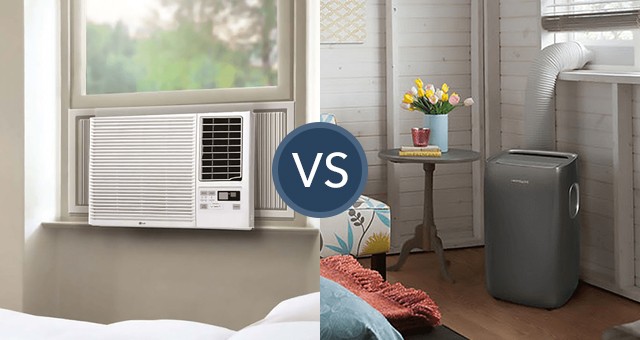
- Portable AC Units: While not installed in the window itself, portable AC units can be a good option if your basement window is not suitable for a standard window unit or if you need to move the AC around. They require venting to the outside through a window using an exhaust hose.
- Through-the-Wall AC Units: These units offer a more permanent and secure solution. They require creating an opening in the wall, which might involve professional installation. Through-the-wall units are generally more efficient and quieter than window units. However, they might not be practical for renters.
- Casement Window AC Units: If you have casement windows that crank open, consider a casement window AC unit that is specifically designed to fit those types of window openings. These units come with vertical inlets to match the dimensions of casement windows.
4. How Can I Secure My Basement Window AC Unit to Prevent Theft?
Basement windows are often easily accessible from the outside, making security a major concern. Here are several ways to protect your AC unit and your home:
- Secure Mounting: Ensure the AC unit is properly installed and securely mounted in the window. Use all provided mounting hardware and consider adding extra screws or brackets for added stability.
- Window Bars or Grilles: Installing window bars or grilles can deter potential intruders. Choose a design that allows for easy removal in case of emergency.
- AC Support Brackets: These brackets provide additional support for the AC unit and make it more difficult to remove from the outside.
- Window Alarms: Install a window alarm that will sound if the window is opened or if the AC unit is tampered with.
- Reinforced Window Film: Apply a security film to the window glass to make it more difficult to break.
- Proper Sealing: Seal any gaps around the AC unit with foam or weather stripping to prevent it from being easily pried open.
- Outdoor Lighting: Install motion-sensor lights outside the basement window to deter potential intruders.
5. How Do I Properly Insulate Around My Basement Window AC Unit?
Proper insulation is essential for maximizing the efficiency of your AC unit and preventing energy waste. Gaps around the unit allow warm air to enter and cool air to escape, increasing your energy bills and reducing the AC's effectiveness.
Here's how to insulate effectively:
- Foam Weather Stripping: Use foam weather stripping to seal the gaps between the AC unit and the window frame. Apply it to all sides of the unit for a tight seal.
- Insulating Foam Boards: Cut pieces of rigid foam insulation to fit the remaining open areas around the AC unit. Secure them with tape or adhesive.
- Duct Tape (Heavy-Duty): Use heavy-duty duct tape to seal any remaining cracks or gaps. Ensure the tape is securely adhered to both the AC unit and the window frame.
- Window AC Insulating Covers: Consider purchasing a pre-made window AC insulating cover. These covers are designed to fit around the AC unit and provide a barrier against drafts. They are particularly useful during the colder months when the AC unit is not in use.
- Check for Air Leaks Regularly: Periodically inspect the insulation around the AC unit for any signs of damage or wear. Replace or repair any damaged insulation to maintain a tight seal.
6. What About Condensation and Drainage in a Basement Setting?
Basements often have higher humidity levels. Condensation from the AC unit can be a real concern. Proper drainage is critical to prevent water damage and mold growth.
Follow these tips to manage condensation:
- Slight Outward Tilt: Install the AC unit with a slight downward tilt towards the outside. This allows condensation to drain away from the unit and out of the window. Most units are designed for this. Check the manufacturer's instructions.
- Drainage Hose: Some AC units have a drainage hose. Make sure the hose is properly connected and directed to a safe drainage area, such as a drain or a container.
- Check for Clogs: Regularly check the drainage holes and hoses for any clogs. Clean them out to ensure proper drainage.
- Drip Pan: Consider placing a drip pan underneath the AC unit to catch any excess condensation that may leak from the unit. Empty the drip pan regularly to prevent water damage.
- Dehumidifier: If your basement is particularly humid, consider using a dehumidifier in addition to the AC unit. This will help to remove excess moisture from the air and reduce condensation.
- Monitor Humidity Levels: Use a hygrometer to monitor the humidity levels in your basement. Aim for a humidity level between 30% and 50%.
7. How Do I Maintain My Basement Window AC Unit?
Regular maintenance will extend the life of your AC unit and ensure it operates efficiently. A little preventive care can save you from costly repairs or replacements down the road.
Follow these maintenance tips:
- Clean the Air Filter: Clean the air filter at least once a month, or more frequently if you have pets or live in a dusty environment. A dirty air filter restricts airflow and reduces the AC's efficiency. Wash the filter with mild soap and water, rinse it thoroughly, and allow it to dry completely before reinstalling it.
- Clean the Coils: Clean the condenser coils (located on the outside of the unit) and evaporator coils (located on the inside of the unit) at least once a year. Use a soft brush or a vacuum cleaner with a brush attachment to remove dust and debris. You can also use a commercially available coil cleaner.
- Check the Fins: Straighten any bent or damaged fins on the condenser coils. Bent fins restrict airflow and reduce the AC's efficiency. You can use a fin comb to straighten them.
- Inspect the Fan: Check the fan blades for any cracks or damage. Replace the fan if necessary.
- Lubricate Moving Parts: Lubricate any moving parts, such as the fan motor, with a light oil.
- Check for Leaks: Inspect the AC unit for any signs of leaks. If you find any leaks, contact a qualified technician for repair.
- Professional Servicing: Consider having your AC unit professionally serviced every few years. A technician can inspect the unit for any potential problems and perform necessary maintenance.
- Winter Storage: When the weather turns cold, properly store your window AC unit to protect it from the elements. Remove the unit from the window, clean it thoroughly, and store it in a dry place. Cover the window opening with insulation to prevent drafts.