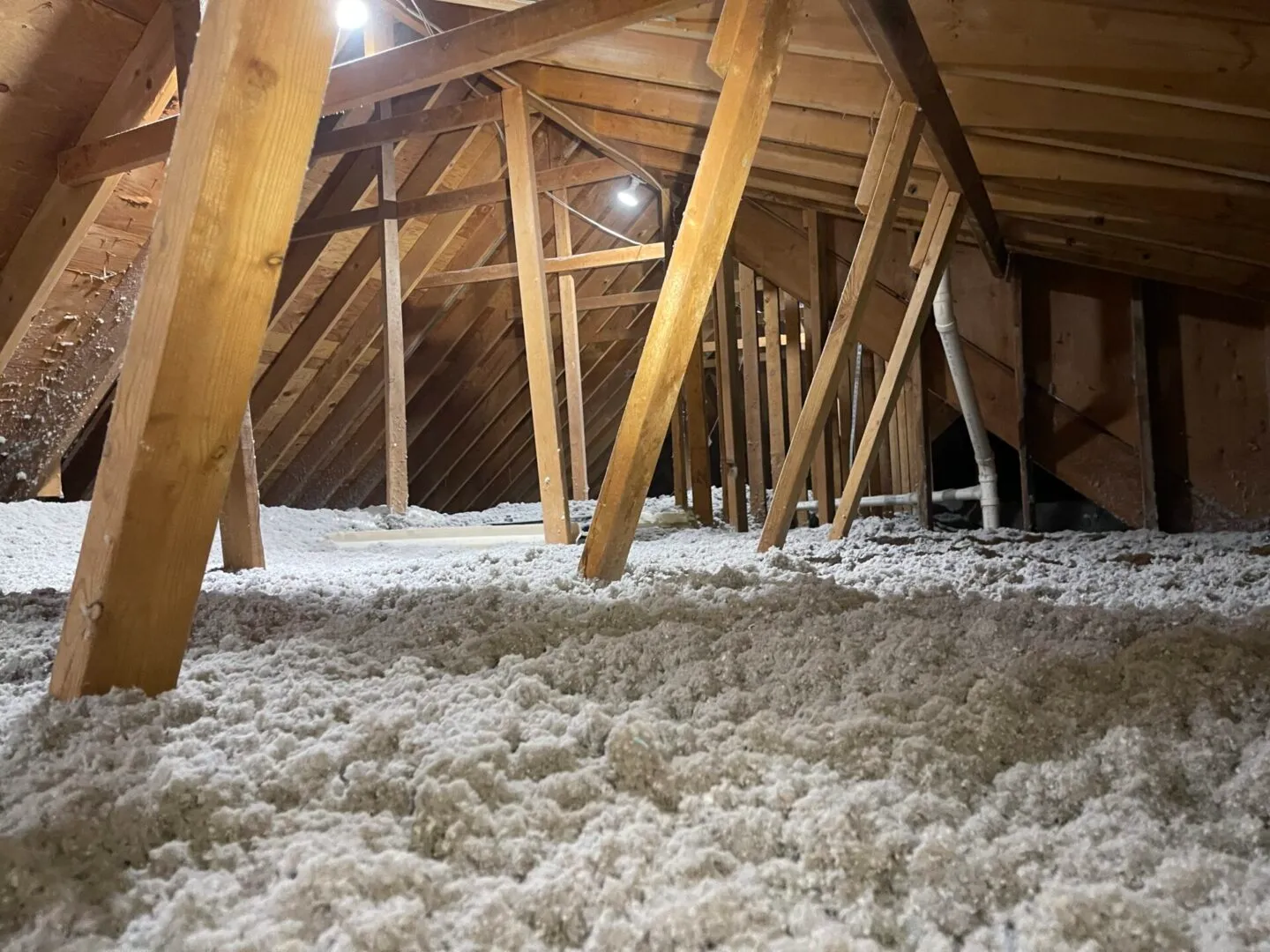
Air Sealing Attic With Spray Foam

Air sealing your attic with spray foam insulation is a powerful way to improve your home's energy efficiency, comfort, and indoor air quality. It creates a tight thermal barrier that minimizes air leaks, prevents drafts, and reduces energy bills. This guide will walk you through everything you need to know to make an informed decision about this upgrade.
Understanding the Benefits of Spray Foam Air Sealing
Air sealing is the process of closing up gaps and cracks in your home's structure to prevent air from leaking in or out. Your attic, being at the top of the house and often poorly sealed, is a prime candidate for this. Imagine your house as a leaky boat; constantly pumping water out (energy) to stay afloat (comfortable). Air sealing helps patch those leaks.
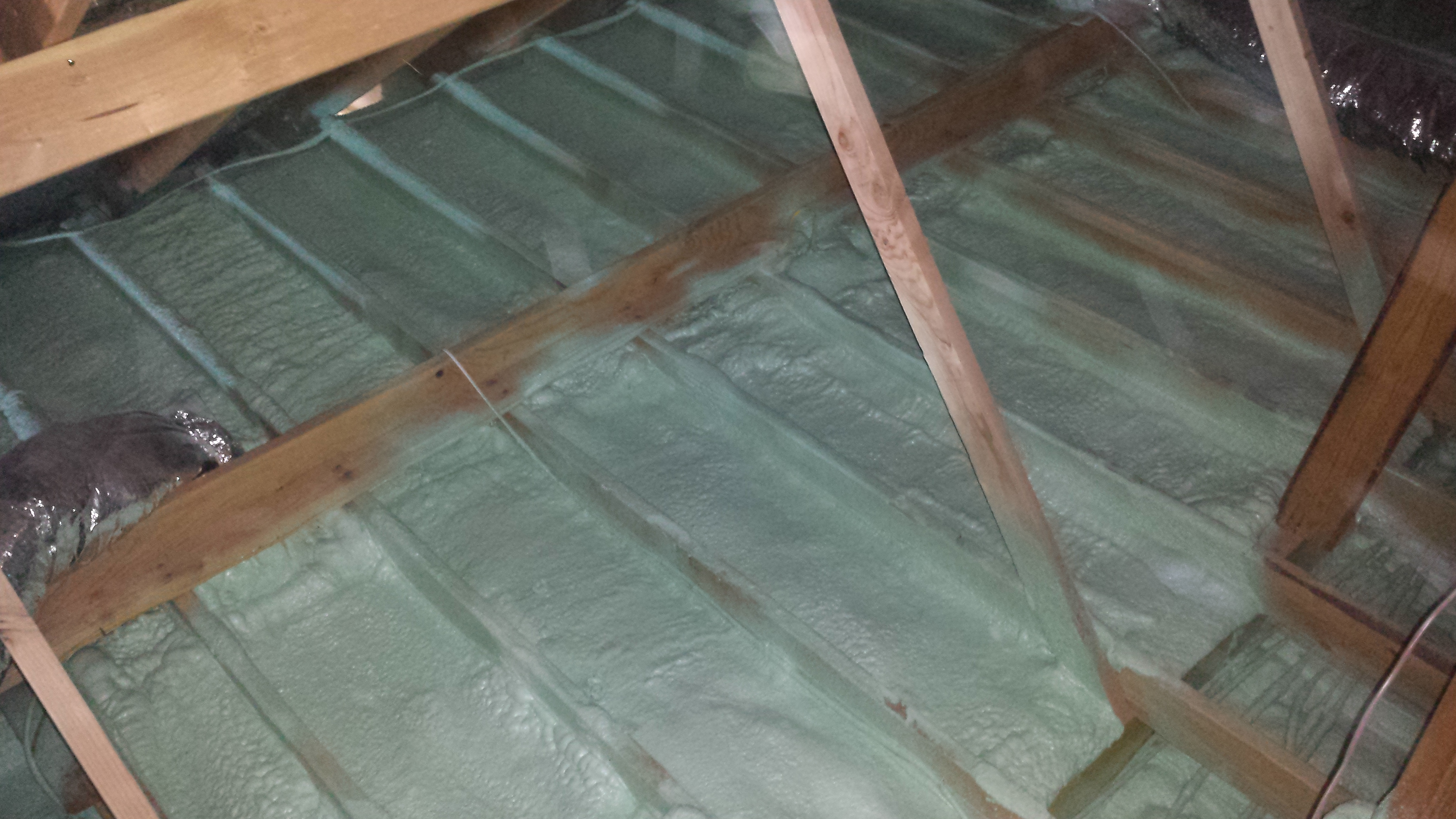
Spray foam insulation offers a unique advantage because it expands to fill those gaps and cracks, creating both an air barrier and an insulating layer in one application. This dual action provides a multitude of benefits:
- Reduced Energy Bills: Less air leakage means your heating and cooling systems don't have to work as hard to maintain a comfortable temperature. This translates directly into lower energy bills.
- Improved Comfort: Eliminating drafts makes your home more comfortable year-round. No more cold spots in the winter or overly warm rooms in the summer.
- Enhanced Indoor Air Quality: Air sealing helps prevent allergens, dust, and pollutants from entering your home through cracks and gaps in the attic. This can significantly improve air quality, especially for those with allergies or respiratory issues.
- Moisture Control: Proper air sealing helps control moisture levels in your attic. This reduces the risk of mold growth and wood rot, which can damage your home's structure.
- Increased Home Value: Energy-efficient homes are more attractive to buyers. Air sealing with spray foam can increase your home's value and make it more marketable.
- Noise Reduction: Spray foam can also help dampen sound transmission from outside, creating a quieter and more peaceful indoor environment.
Types of Spray Foam Insulation
There are two main types of spray foam insulation used for attics: open-cell and closed-cell. Each has its own characteristics and benefits.
Open-Cell Spray Foam
Open-cell spray foam is less dense than closed-cell foam. It has a spongy texture and allows air and moisture to pass through. Think of it like a sponge – it can absorb water.
- Pros:
- Lower cost
- Higher expansion rate, filling gaps quickly
- Good sound absorption
- Cons:
- Lower R-value per inch compared to closed-cell (typically R-3.5 to R-3.7 per inch)
- Not suitable for applications where it will be exposed to moisture
- May require a vapor barrier in some climates
Closed-Cell Spray Foam
Closed-cell spray foam is denser and has a rigid texture. The cells within the foam are closed, preventing air and moisture from passing through. It's like a waterproof container.
- Pros:
- Higher R-value per inch (typically R-6 to R-7 per inch)
- Acts as both an air barrier and a vapor barrier
- Stronger and more durable
- Resistant to moisture
- Cons:
- Higher cost
- Lower expansion rate
- Can shrink slightly over time
Which type is best for your attic? The answer depends on your specific needs and climate. In general, closed-cell foam is preferred in colder climates or in areas where moisture is a concern. Open-cell foam can be a more cost-effective option in warmer climates with less moisture.
Preparation is Key: Before the Spray Foam Application
Proper preparation is crucial for a successful spray foam insulation project. This includes:
- Inspection: Thoroughly inspect your attic for any existing problems, such as leaks, mold, or pest infestations. Address these issues before installing spray foam.
- Cleaning: Remove any debris, dust, and old insulation from the attic. A clean surface allows the spray foam to adhere properly.
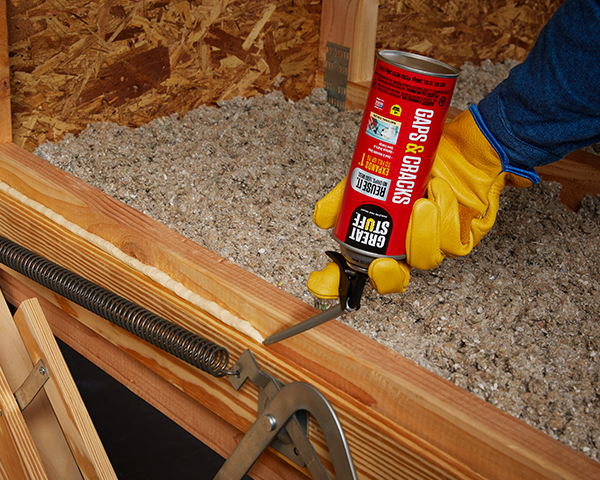
- Sealing Penetrations: Seal any penetrations in the attic floor, such as around pipes, wires, and chimneys. Use caulk or expanding foam to fill these gaps. This step is vital, even if you're planning to spray foam the underside of the roof deck!
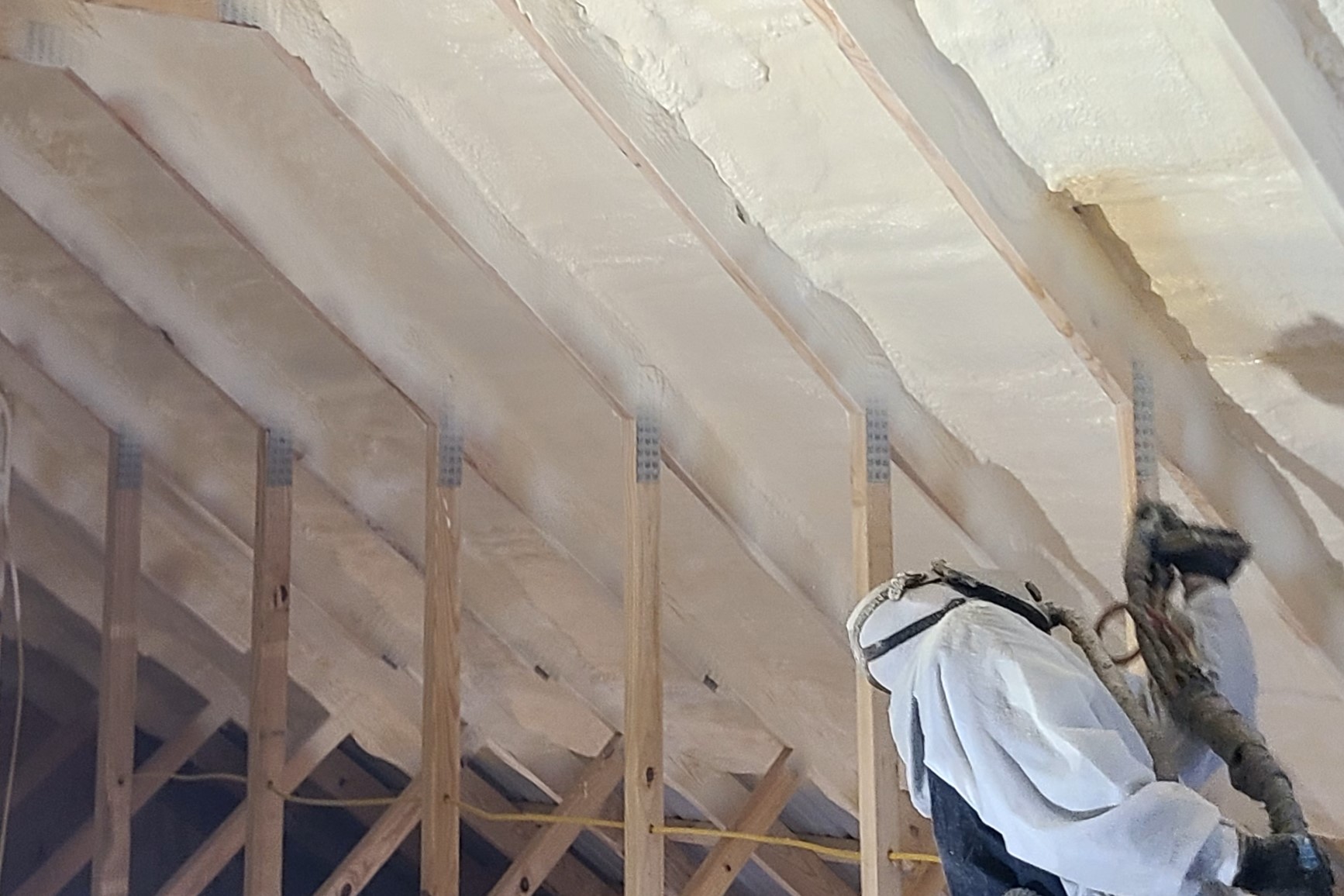
- Ventilation Considerations: Determine if your attic requires ventilation. If you are insulating the underside of your roof deck you will need to eliminate the existing soffit and gable ventilation, creating a sealed attic. If you are insulating the attic floor, you should maintain proper ventilation.
- Protecting Valuables: Cover any valuable items in your attic with plastic sheeting to protect them from overspray.
- Safety Gear: Wear appropriate safety gear, including a respirator, gloves, and protective clothing. Spray foam contains chemicals that can be harmful if inhaled or come into contact with skin.
The Spray Foam Application Process
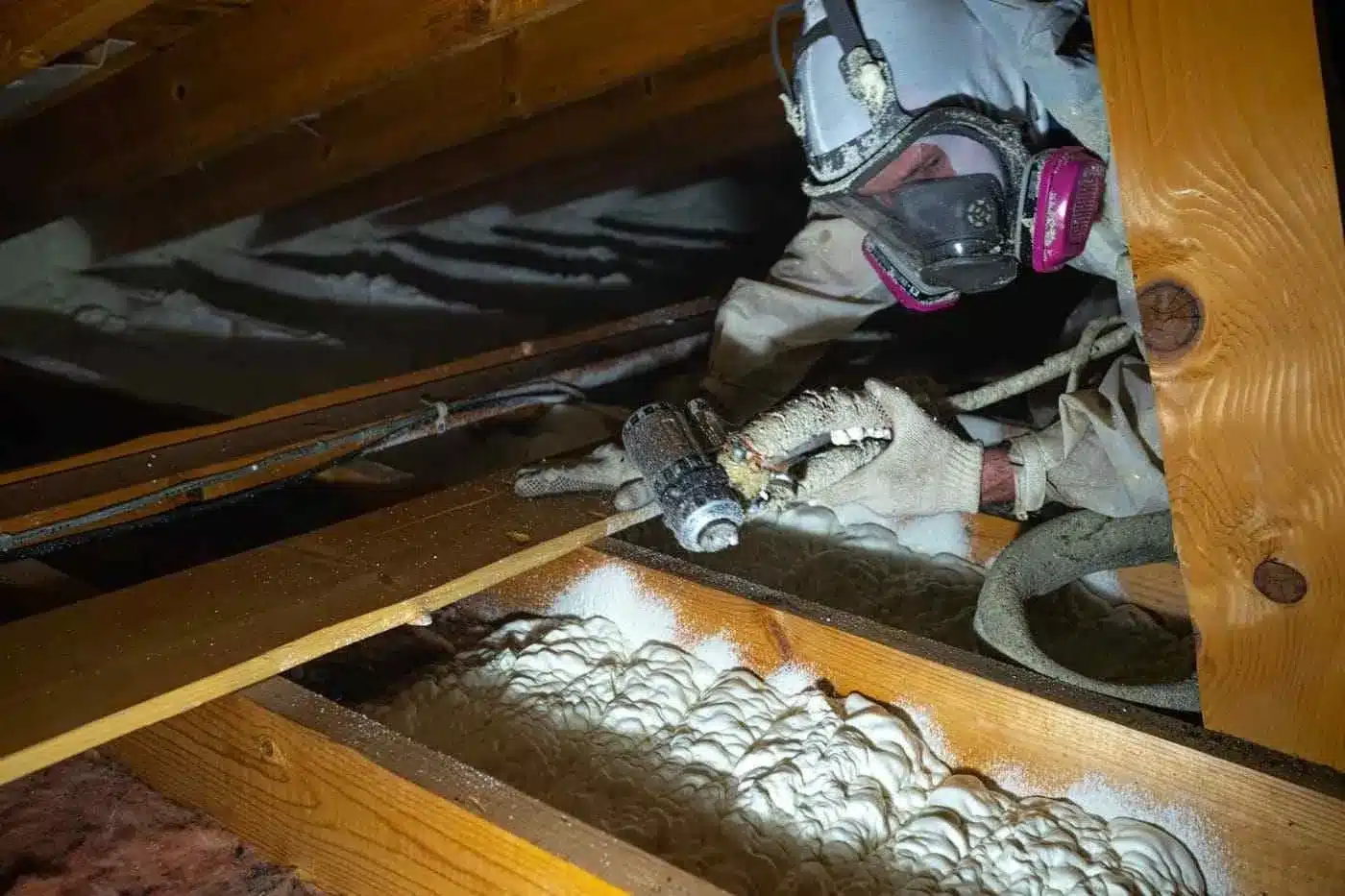
The spray foam application process is best left to professionals. It requires specialized equipment, training, and experience.
Here's a general overview of the process:
- Mixing: The two chemical components of spray foam are mixed together in a specialized machine.
- Application: The mixture is sprayed onto the surfaces to be insulated. The foam expands rapidly, filling gaps and cracks.
- Curing: The foam cures and hardens within a few minutes to a few hours, depending on the type of foam and environmental conditions.
- Trimming (if necessary): Excess foam may need to be trimmed to create a smooth, even surface.
Important Note: Spray foam application can release fumes. It's important to ventilate the area properly during and after the application. The manufacturer's safety guidelines should always be followed.
Cost Considerations
The cost of air sealing your attic with spray foam insulation varies depending on several factors, including:
- Size of the Attic: Larger attics require more materials and labor, resulting in a higher cost.
- Type of Spray Foam: Closed-cell foam is more expensive than open-cell foam.
- Thickness of the Foam: The required thickness of the foam will depend on your climate and desired R-value.
- Complexity of the Project: Attics with many obstructions or difficult access points may require more labor and increase the cost.
- Labor Costs: Labor costs vary depending on your location and the contractor you hire.
It's important to get quotes from multiple contractors to compare prices and services. Be sure to ask for a detailed breakdown of the costs and what is included in the price.
DIY vs. Professional Installation
While DIY spray foam kits are available, professional installation is generally recommended for attic air sealing. Here's why:
- Expertise: Professionals have the knowledge and experience to properly prepare the attic, apply the foam correctly, and ensure that the project meets building codes.
- Equipment: Professional-grade spray foam equipment is expensive and requires specialized training to operate.
- Safety: Spray foam contains chemicals that can be harmful if not handled properly. Professionals have the safety equipment and training to minimize risks.
- Warranty: Professional installations often come with a warranty, providing peace of mind in case of problems.
While DIY may seem cheaper upfront, a poorly installed spray foam job can lead to problems such as moisture damage, poor insulation performance, and health hazards.
Finding a Qualified Contractor
Choosing the right contractor is essential for a successful spray foam insulation project. Here are some tips for finding a qualified contractor:
- Get Referrals: Ask friends, family, or neighbors for recommendations.
- Check Online Reviews: Read online reviews to see what other customers have to say about the contractor's work.
- Verify Licensing and Insurance: Make sure the contractor is licensed and insured.
- Ask for References: Ask the contractor for references from previous clients.
- Get Multiple Quotes: Obtain quotes from multiple contractors to compare prices and services.
- Review the Contract Carefully: Read the contract carefully before signing it, and make sure it includes all the details of the project, including the scope of work, materials to be used, and payment terms.
Don't be afraid to ask questions and get clarification on any aspect of the project. A reputable contractor will be happy to answer your questions and address your concerns.
Maintaining Your Spray Foamed Attic
Once your attic is air sealed with spray foam, there's not much maintenance required. However, it's still a good idea to:
- Inspect Regularly: Check the spray foam periodically for any signs of damage, such as cracks or peeling.
- Repair Damage Promptly: If you find any damage, repair it promptly to prevent moisture intrusion or air leaks.
- Maintain Ventilation: Ensure that your attic ventilation system is working properly (if applicable).
Is Spray Foam Right for You?
Air sealing your attic with spray foam is a significant investment that can yield substantial returns in terms of energy savings, comfort, and indoor air quality. However, it's important to weigh the costs and benefits carefully and determine if it's the right choice for your home.
Consider the following factors:
- Your Budget: Spray foam is more expensive than traditional insulation materials.
- Your Climate: The type of spray foam and the required thickness will depend on your climate.
- Your Home's Needs: Consider your home's specific needs, such as moisture control or noise reduction.
- Your Long-Term Goals: Think about your long-term goals for energy efficiency and home value.
By carefully considering these factors and consulting with a qualified contractor, you can make an informed decision about whether air sealing your attic with spray foam is the right choice for you.