Air Source Heat Pump Air To Water
Air Source Heat Pump Air to Water: The Future of Efficient Heating and Cooling
Tired of sky-high energy bills? Looking for a sustainable way to heat and cool your home or business? An air source heat pump air to water (ASHP A2W) system could be the answer. This innovative technology is gaining popularity as a cost-effective and environmentally friendly alternative to traditional heating and cooling systems. This comprehensive guide explores the intricacies of ASHP A2W systems, their benefits, and how they can transform your energy consumption.
What is an Air Source Heat Pump Air to Water System?
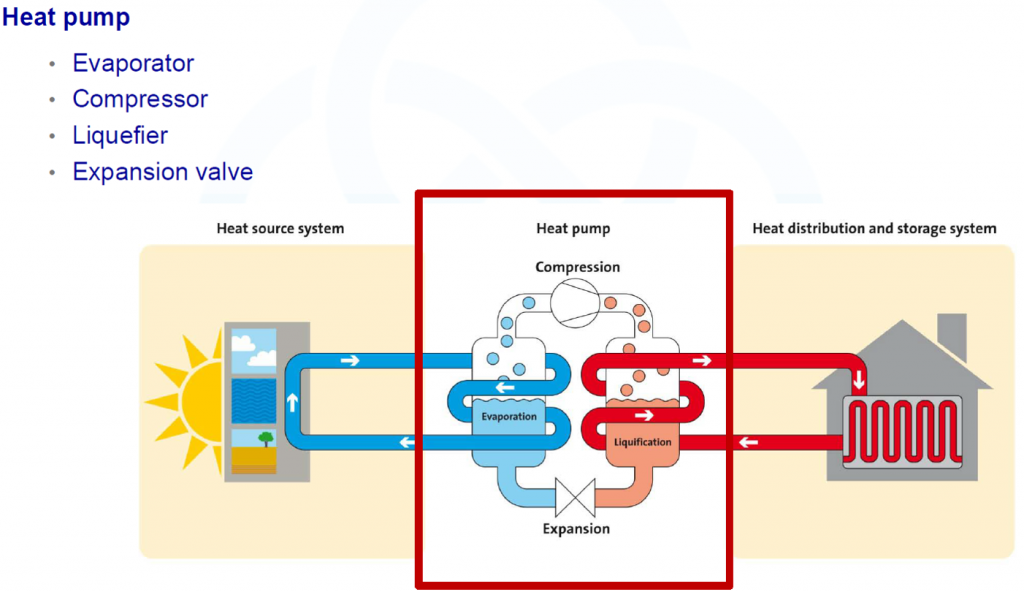
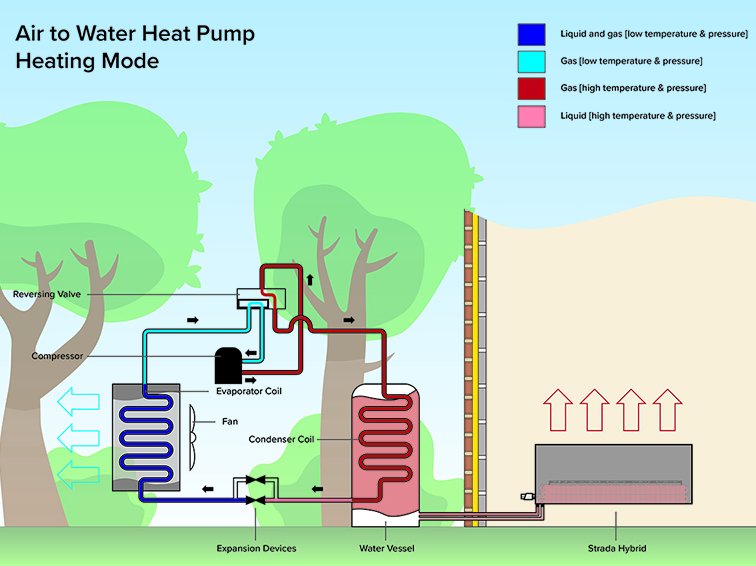
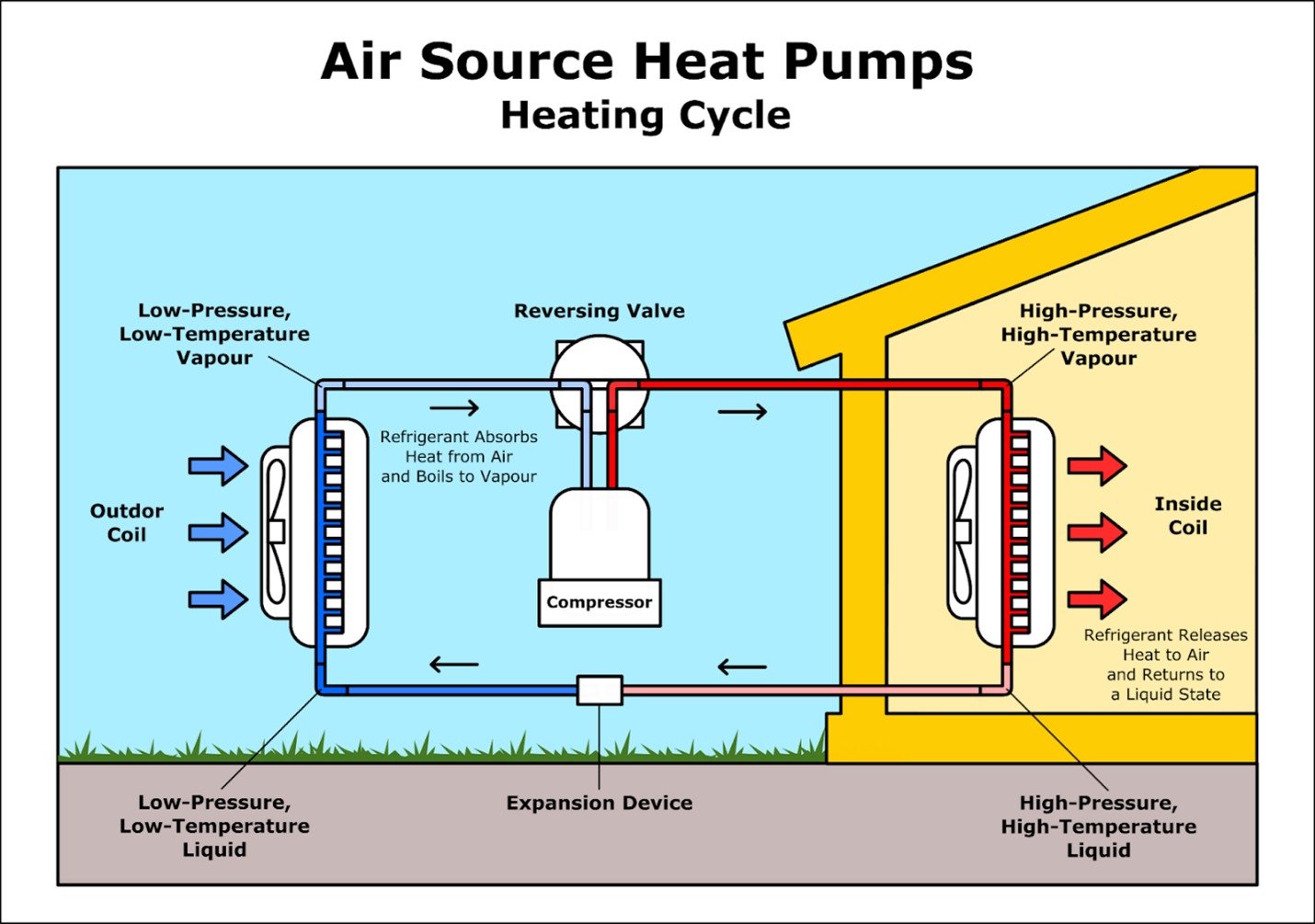
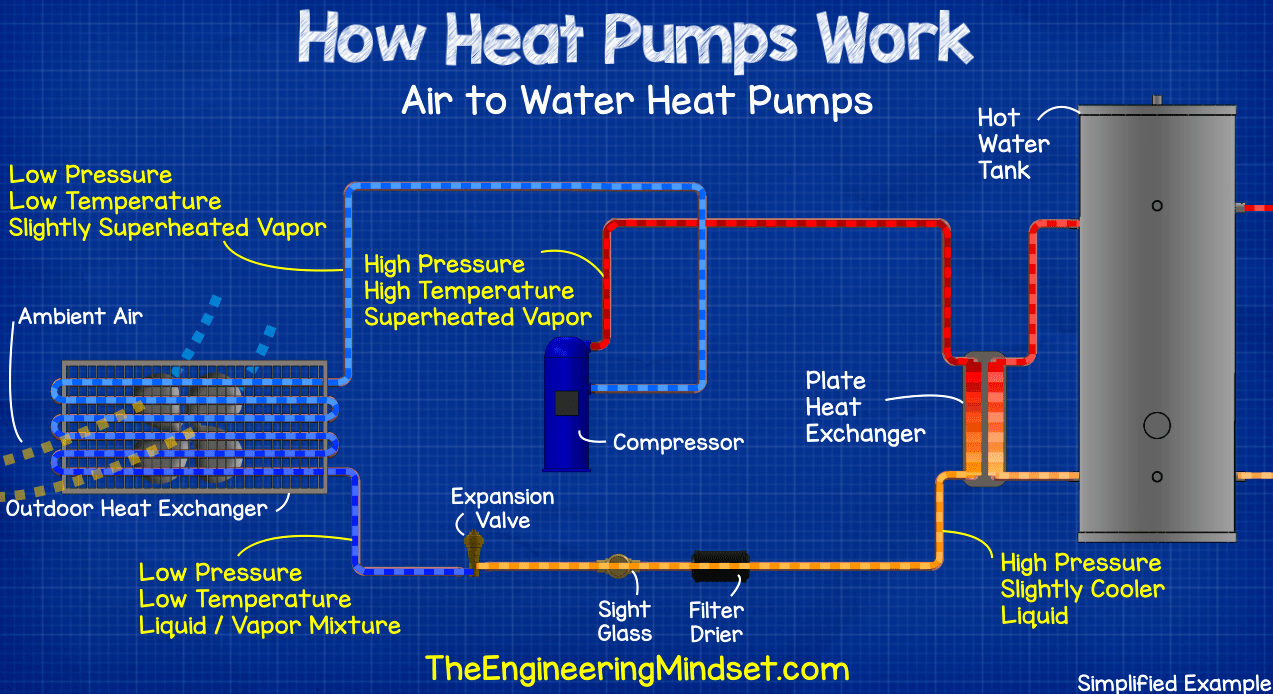
Unlike traditional forced-air systems that circulate heated or cooled air, an ASHP A2W system extracts heat from the outside air (even in cold temperatures!) and transfers it to water. This heated water then circulates through radiators, underfloor heating, or fan coil units to provide warmth. In the summer, the process is reversed, and the system removes heat from the water, providing cooling. Essentially, it's a heat transfer mechanism rather than a heat generation one, making it significantly more efficient.
Think of it like this: instead of burning fuel to create heat, an ASHP A2W system *moves* existing heat. This ingenious approach results in substantial energy savings.
How Does it Work?
The core components of an ASHP A2W system include:
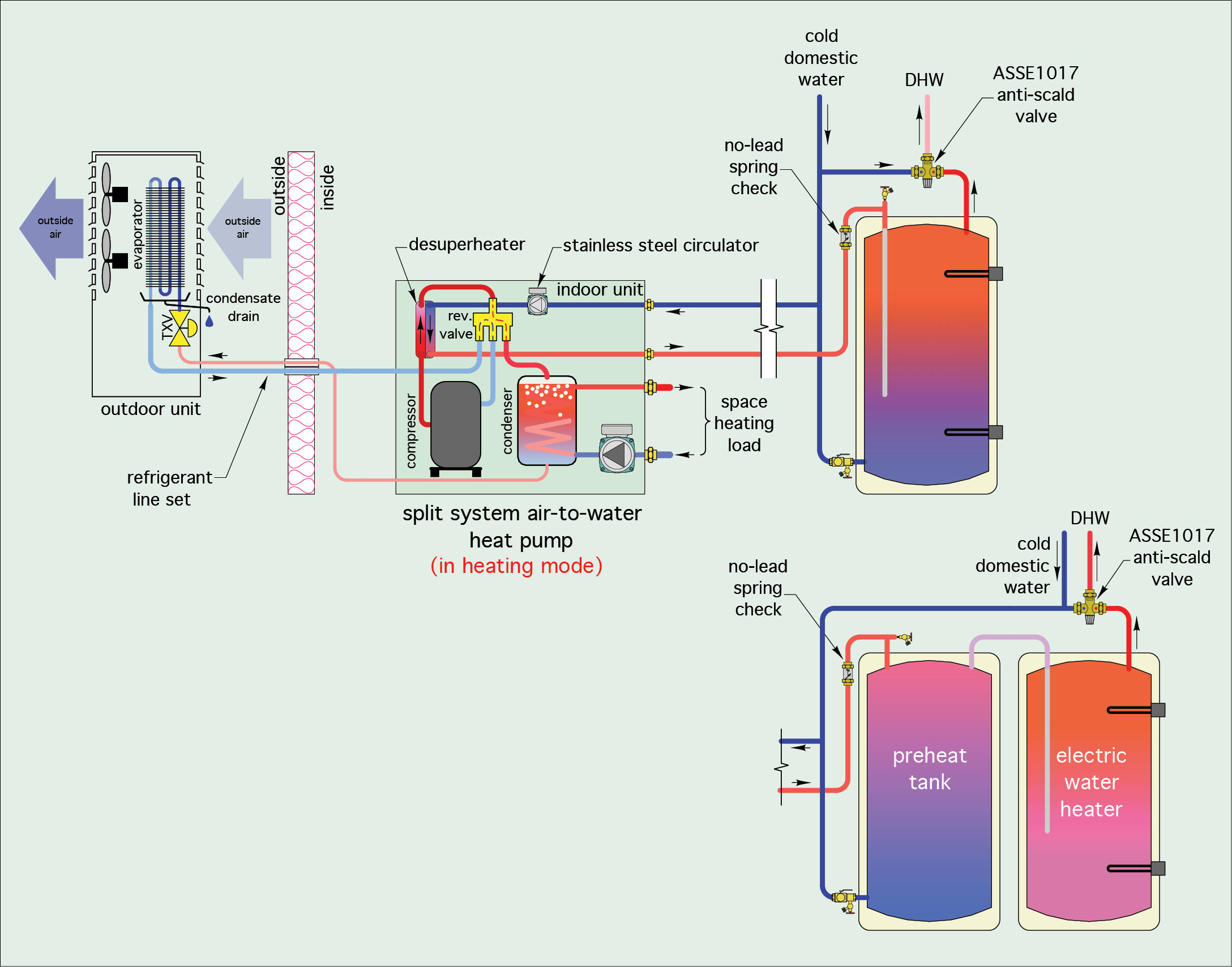
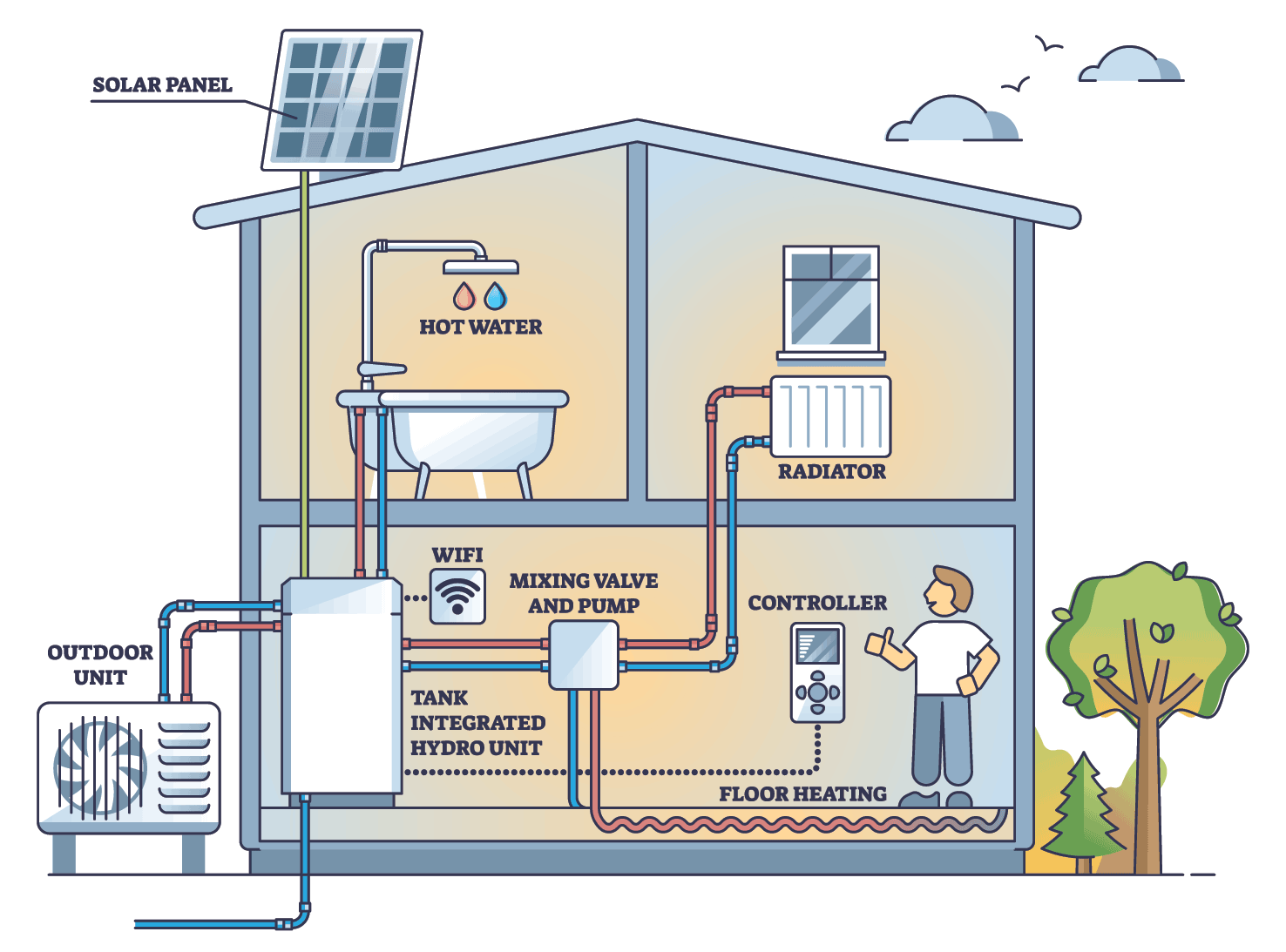
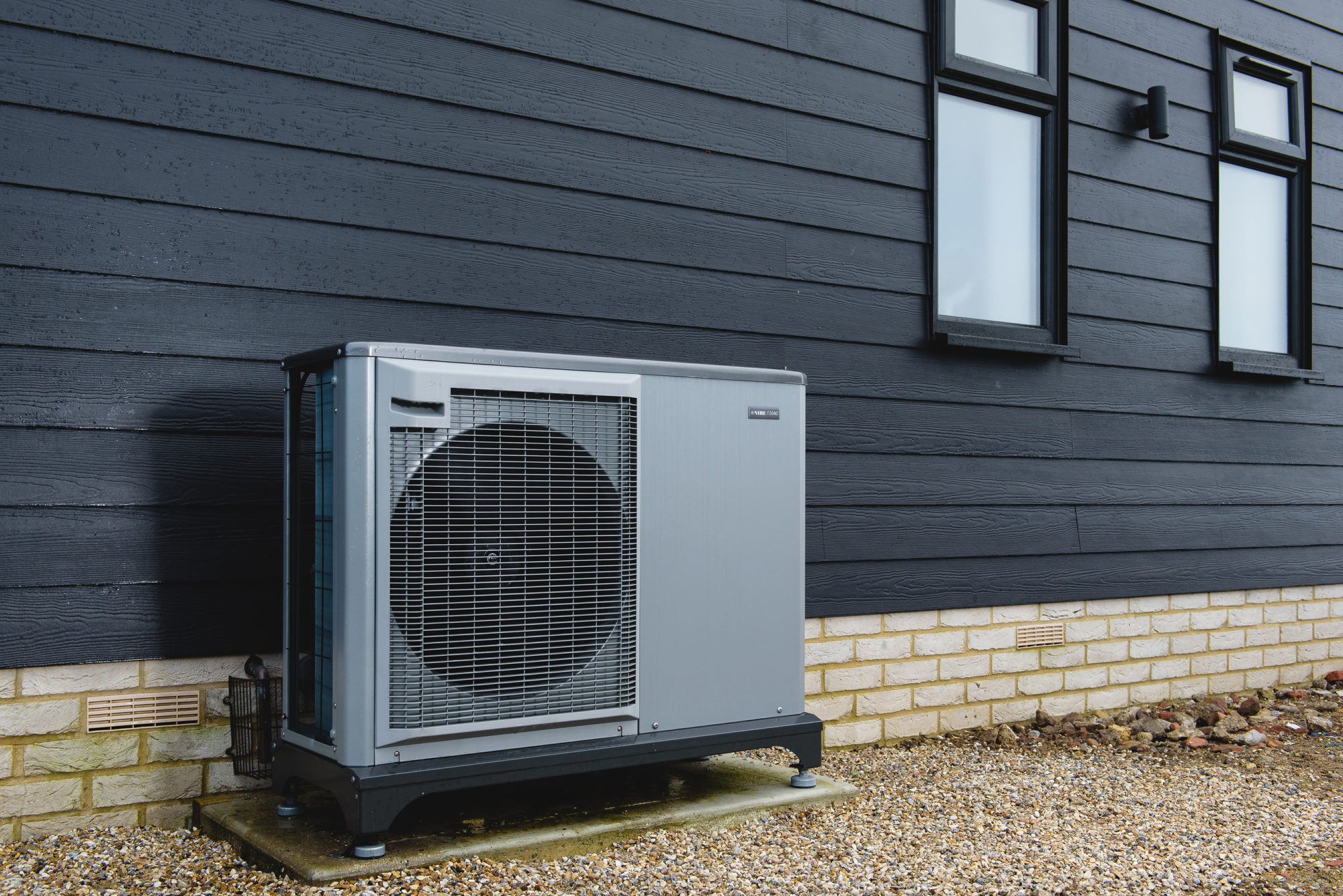
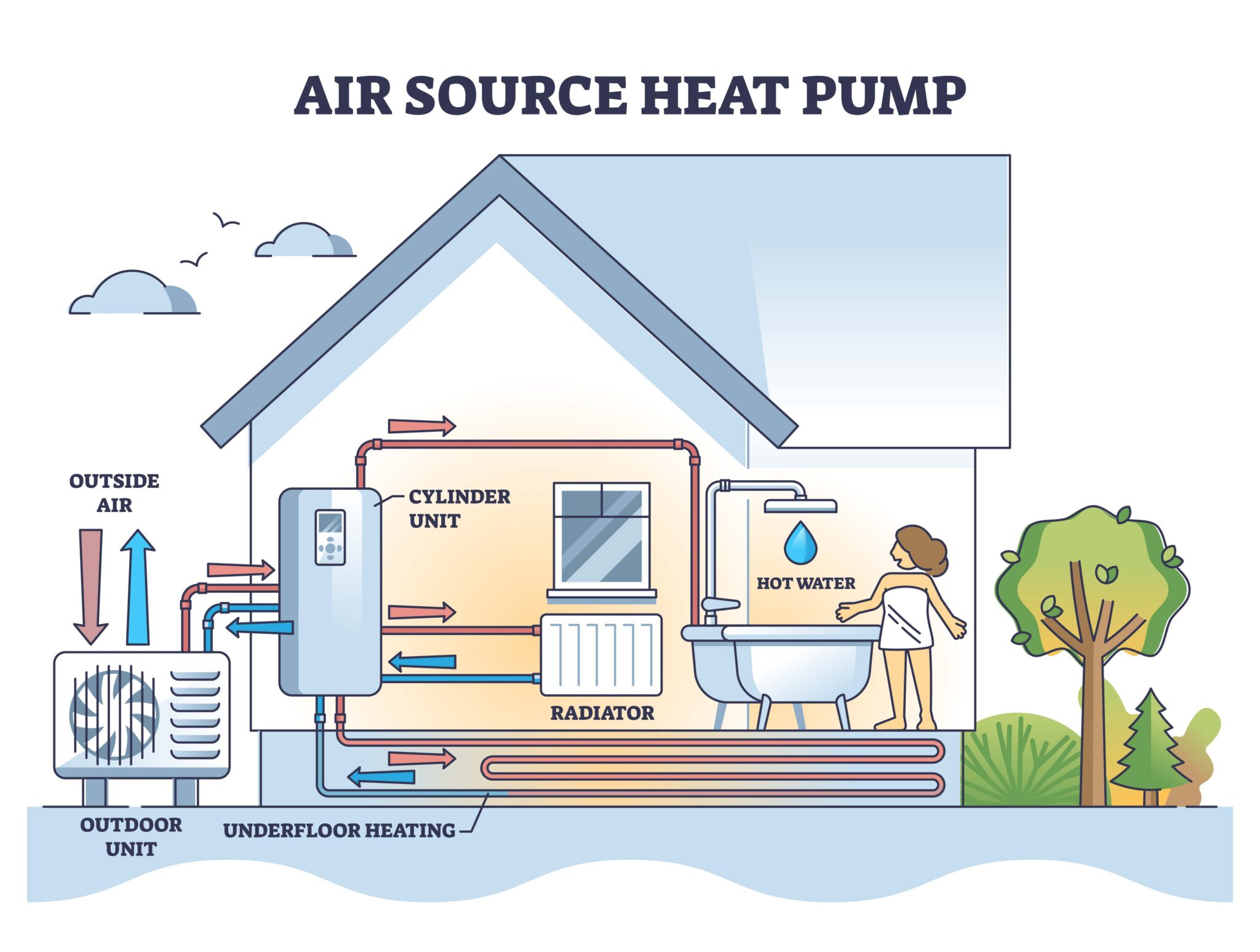
- Outdoor Unit: This unit contains a fan that draws in outside air, an evaporator coil where refrigerant absorbs heat from the air (or releases heat during cooling), and a compressor that increases the temperature of the refrigerant.
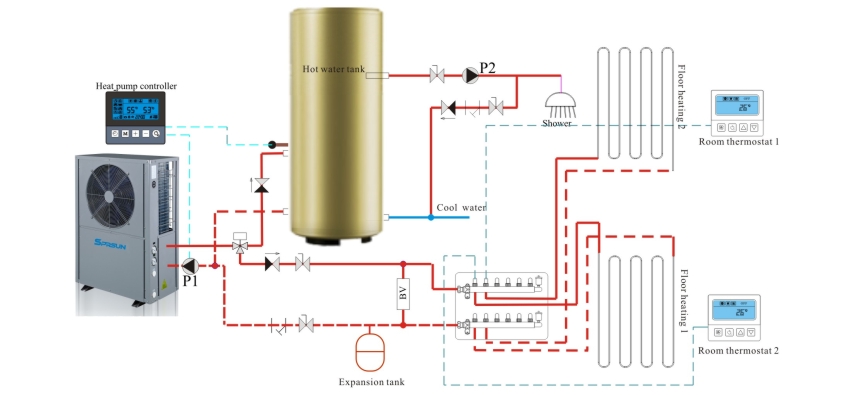
- Indoor Unit (Hydronic Module): This unit contains a heat exchanger that transfers the heat from the refrigerant to water, which is then circulated throughout the building. It also manages the heating and cooling cycles and system controls.
- Distribution System: This encompasses the network of pipes that carry the heated or cooled water to radiators, underfloor heating loops, or fan coil units.
- Radiators/Underfloor Heating/Fan Coil Units: These are the terminal units that release the heat or cool into the rooms. Underfloor heating provides a very even and comfortable heat distribution, while radiators are a more traditional and often cheaper solution. Fan coil units can offer both heating and cooling in a single unit.
The refrigerant cycles continuously between the outdoor and indoor units, transferring heat as needed. A control system, often integrated with smart thermostats, manages the entire process, ensuring optimal temperature and energy efficiency.
Benefits of Air Source Heat Pump Air to Water Systems
The advantages of switching to an ASHP A2W system are numerous and compelling:
- Energy Efficiency: ASHP A2W systems boast impressive Coefficient of Performance (COP) ratings. COP measures the ratio of heating or cooling output to energy input. High COP values translate to lower energy consumption and significant savings on your utility bills. Many modern systems have COP values exceeding 3.0, meaning they produce three units of heat for every one unit of electricity consumed.
- Cost Savings: While the initial investment may be higher than traditional systems, the long-term cost savings can be substantial. Lower energy bills, coupled with potential government rebates and incentives, can lead to a rapid return on investment (ROI). Consider consulting with an HVAC professional to calculate your potential ROI based on your specific energy consumption patterns.
- Environmental Friendliness: ASHP A2W systems use electricity as their primary energy source, reducing reliance on fossil fuels. This translates to lower greenhouse gas emissions and a smaller carbon footprint. Many systems also use environmentally friendly refrigerants.
- Comfort: Hydronic systems, particularly underfloor heating, provide even and consistent heat distribution, eliminating cold spots and drafts. This results in a more comfortable and pleasant indoor environment.
- Versatility: ASHP A2W systems can provide both heating and cooling, making them a versatile solution for year-round comfort. They can also be integrated with domestic hot water systems, further enhancing their efficiency.
- Smart Home Integration: Many ASHP A2W systems are compatible with smart thermostats and home automation systems. This allows for precise temperature control, remote monitoring, and energy optimization. Imagine adjusting your home's temperature from your smartphone, or having the system automatically adjust based on occupancy and weather conditions.
- Reduced Maintenance: Compared to combustion-based systems, ASHP A2W systems require less maintenance. Regular filter cleaning and occasional professional inspection are typically sufficient.
Factors to Consider Before Installation
While ASHP A2W systems offer numerous benefits, it's essential to consider the following factors before making the switch:
- Climate: While modern ASHP A2W systems are effective in colder climates, their performance may be slightly reduced at extremely low temperatures. Choosing a system specifically designed for colder climates can mitigate this issue. Look for models with built-in auxiliary heat, which provides supplemental heat when needed.
- Existing Infrastructure: Replacing an existing forced-air system with an ASHP A2W system requires installing a hydronic distribution system. This can be more complex and costly than simply replacing a furnace or air conditioner. However, if you are building a new home or undertaking a major renovation, the installation process is significantly simplified.
- Insulation: Proper insulation is crucial for maximizing the efficiency of any heating and cooling system, including ASHP A2W systems. Ensure your home is well-insulated to minimize heat loss and gain.
- System Sizing: It is vital to have an HVAC professional properly size the ASHP A2W system for your specific needs. An undersized system will struggle to heat or cool your home adequately, while an oversized system will cycle on and off frequently, reducing efficiency and shortening its lifespan.
- Noise Levels: While generally quieter than traditional air conditioners, ASHP A2W systems do produce some noise. Consider the placement of the outdoor unit to minimize noise disruption.
Cost and ROI: Crunching the Numbers
The initial cost of an ASHP A2W system can vary depending on the size of your home, the complexity of the installation, and the brand and model you choose. However, it's crucial to consider the long-term cost savings. For example, the Energy Star website offers tools and resources to help you estimate your potential savings. Many states and utility companies also offer rebates and incentives to encourage the adoption of energy-efficient technologies like ASHP A2W systems. These incentives can significantly reduce the upfront cost. Here is an example of costs that can be expected:
Let's say you install an ASHP A2W system that costs $15,000. Your annual heating and cooling costs are reduced from $2,000 to $800, resulting in annual savings of $1,200. Over a 10-year period, you'll save $12,000. Add in a $3,000 rebate, and your net cost is just $0, resulting in a positive ROI. *These are just examples, and actual savings will vary.*
Don't forget to factor in the potential increase in your home's value. Energy-efficient homes are increasingly desirable to homebuyers, making an ASHP A2W system a valuable investment.
Finding the Right Contractor
Selecting a qualified and experienced HVAC contractor is essential for a successful ASHP A2W installation. Look for contractors who have experience with hydronic heating systems and are certified by organizations such as the North American Technician Excellence (NATE). Get multiple quotes and ask for references. Don't be afraid to ask questions about the contractor's experience, their installation process, and their warranty policy.
A reputable contractor will perform a thorough assessment of your home's heating and cooling needs, recommend the appropriate system size, and provide a detailed installation plan. They should also be able to explain the system's operation and provide ongoing maintenance support.
Smart Home Integration: Taking Control of Your Comfort
Integrating your ASHP A2W system with a smart thermostat opens up a world of possibilities. You can:
- Control the temperature remotely: Adjust your home's temperature from anywhere using your smartphone or tablet.
- Create customized schedules: Set different temperature schedules for different times of the day or week to optimize energy efficiency.
- Monitor energy consumption: Track your energy usage and identify areas where you can save even more.
- Receive alerts: Get notified of any issues with your system, such as a filter needing replacement.
- Integrate with other smart home devices: Connect your ASHP A2W system to other smart home devices, such as lighting and blinds, to create a truly automated and energy-efficient home.
Consider investing in a smart thermostat that is specifically designed for hydronic heating systems. These thermostats offer advanced features, such as zone control and learning algorithms, to maximize comfort and efficiency.
Conclusion: Embracing the Future of Heating and Cooling
Air source heat pump air to water systems are revolutionizing the way we heat and cool our homes and businesses. With their exceptional energy efficiency, cost savings, environmental benefits, and smart home integration capabilities, they represent the future of sustainable HVAC technology. While the initial investment may be higher than traditional systems, the long-term ROI and positive impact on the environment make them a worthwhile investment. By carefully considering your needs, choosing a qualified contractor, and taking advantage of available rebates and incentives, you can embrace the future of heating and cooling and enjoy a more comfortable, energy-efficient, and sustainable lifestyle. Don't hesitate to consult with an HVAC professional to determine if an ASHP A2W system is the right choice for you.