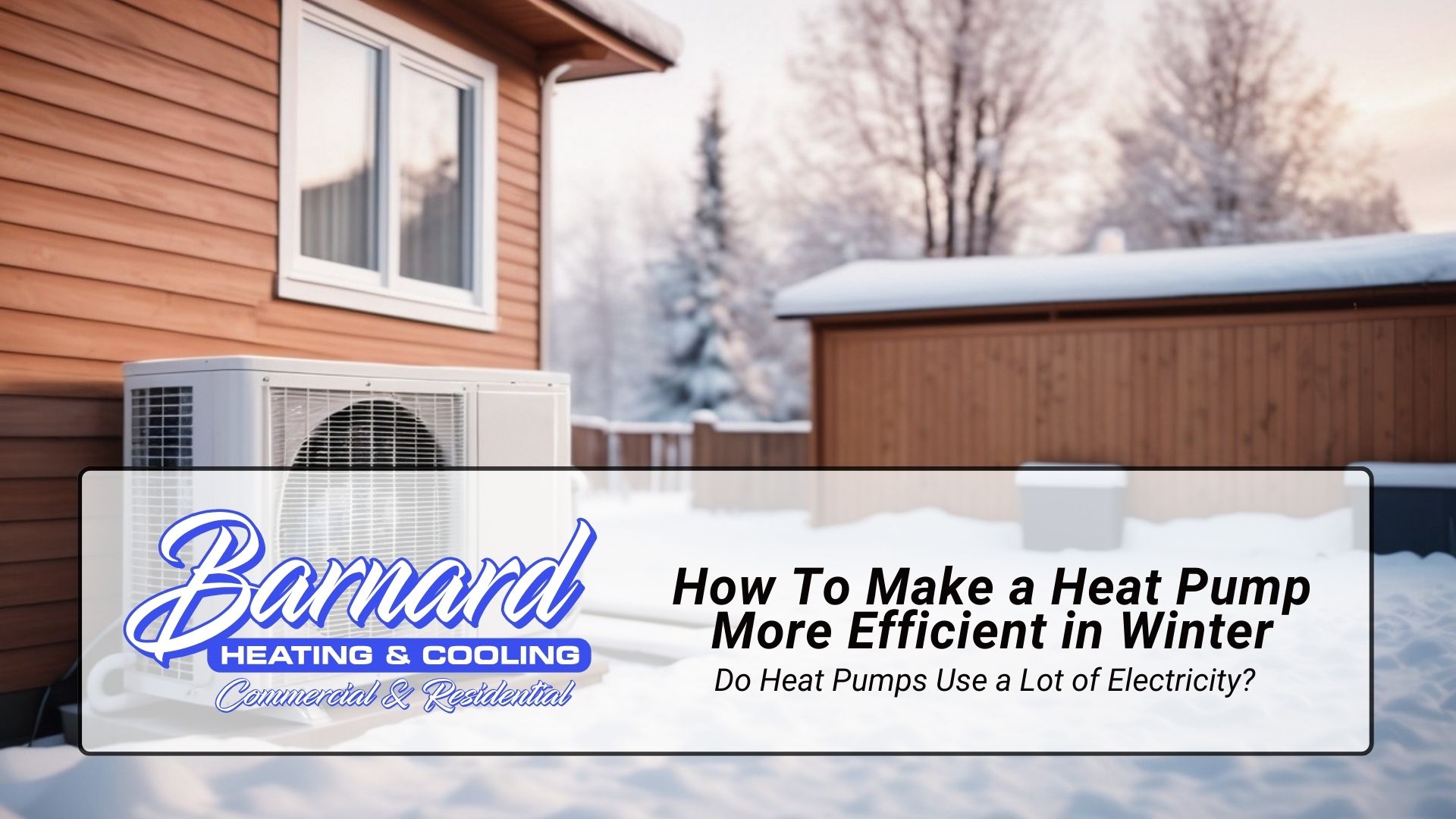
Air Source Heat Pump Efficiency In Winter

Air source heat pumps (ASHPs) are increasingly popular for heating and cooling homes due to their energy efficiency. However, their performance in winter, especially in colder climates, is a common concern. This guide provides a comprehensive overview of air source heat pump efficiency during the winter months, helping you understand how they work, the factors that affect their performance, and how to maximize their effectiveness.
How Air Source Heat Pumps Work
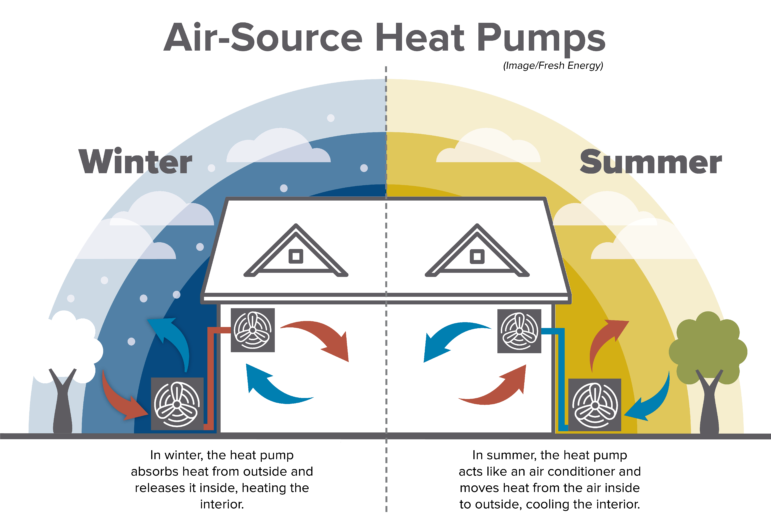
Unlike traditional furnaces that generate heat by burning fuel, heat pumps transfer heat. In the summer, they extract heat from inside your home and release it outside, acting like an air conditioner. In the winter, they reverse this process, extracting heat from the outside air and transferring it inside.
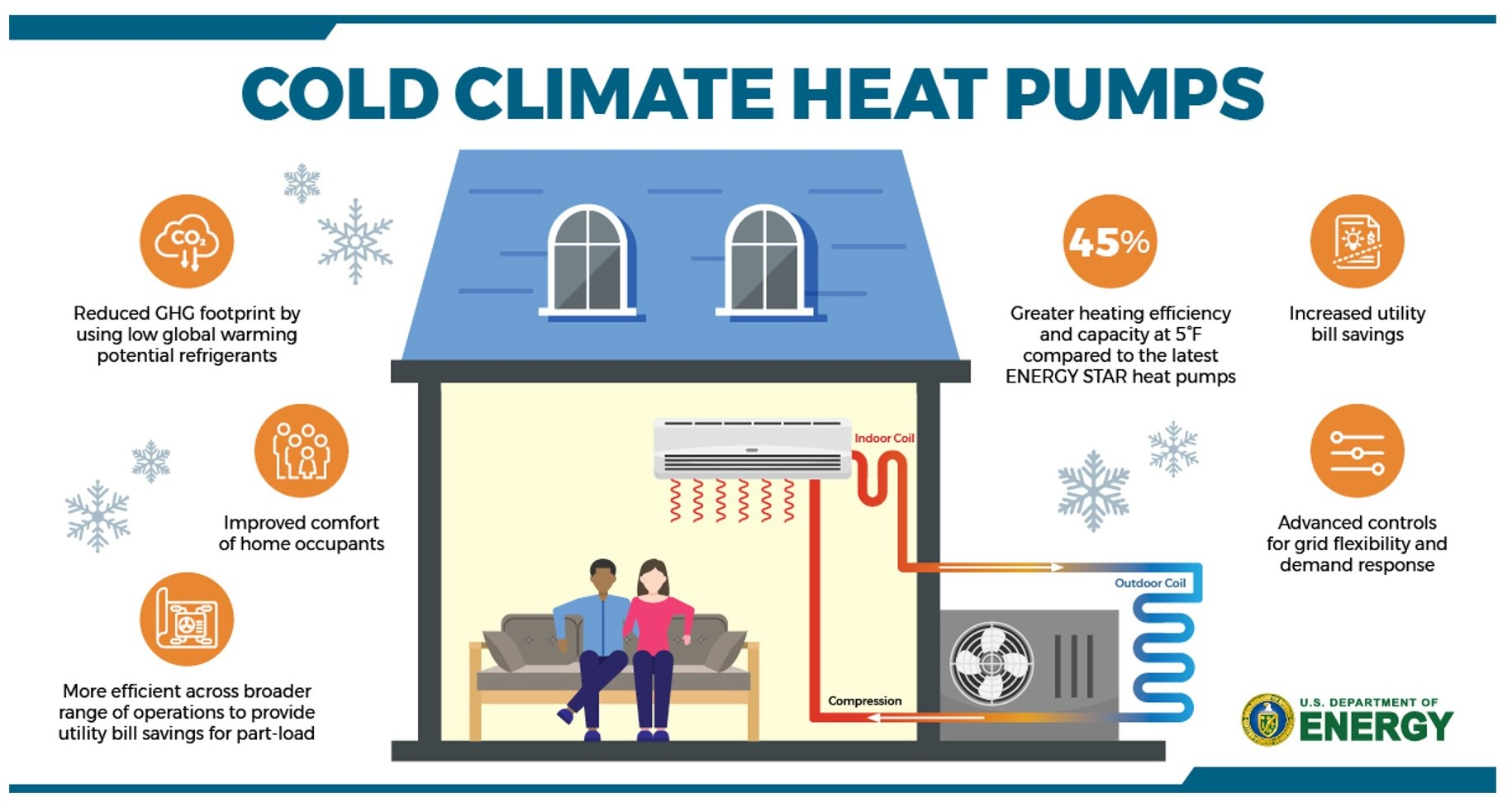
Even when the outside temperature is below freezing, there's still heat energy present in the air. A heat pump uses a refrigerant cycle to capture and amplify this heat. Think of refrigerant as the 'blood' of the system. It circulates through the heat pump, absorbing and releasing heat as it changes state from liquid to gas and back again.
Here's a simplified breakdown of the process:
- Refrigerant absorbs heat: The refrigerant, in a gaseous state, absorbs heat from the outside air as it passes through the outdoor coil.
- Compression: The refrigerant is compressed, which increases its temperature significantly.
- Heat release: The hot, high-pressure refrigerant flows through the indoor coil, releasing heat into your home.
- Expansion: The refrigerant expands, lowering its temperature and pressure, and the cycle begins again.
Factors Affecting Winter Efficiency
While heat pumps can operate efficiently in winter, several factors can impact their performance:
Outdoor Temperature
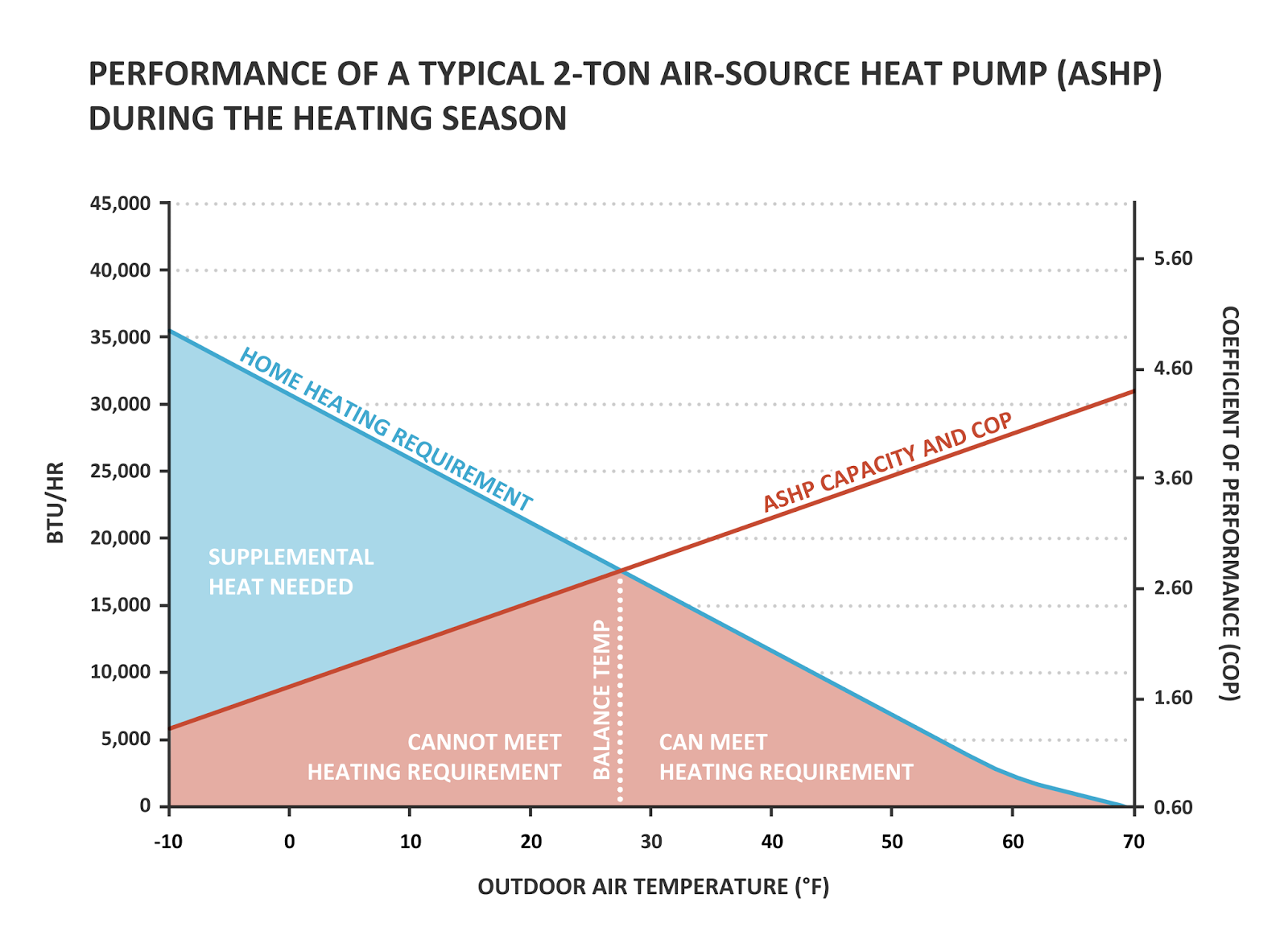
This is the most significant factor. As the outdoor temperature drops, the amount of heat a heat pump can extract from the air decreases. Heat pumps are most efficient when the temperature is above 40°F (4°C). Below freezing, their efficiency declines, and they may need supplemental heat sources.
Defrost Cycles
When the outdoor temperature is near freezing and the humidity is high, frost can form on the outdoor coil. This frost acts as an insulator, reducing the heat pump's ability to absorb heat. To combat this, heat pumps go through defrost cycles. During a defrost cycle, the heat pump temporarily reverses its operation, sending hot refrigerant to the outdoor coil to melt the frost. This process can cause a temporary drop in indoor temperature.
Advanced heat pumps use sensors to detect frost buildup and only initiate defrost cycles when necessary, minimizing the impact on indoor temperature and efficiency. Others have base pan heaters to avoid ice accumulation under the outdoor unit, which can inhibit defrost performance.
Humidity
High humidity levels can exacerbate frost formation, leading to more frequent defrost cycles and reduced efficiency. Dry air, on the other hand, can improve heat pump performance.
Size and Insulation of Your Home
A poorly insulated home will lose heat quickly, forcing the heat pump to work harder to maintain a comfortable temperature. Proper insulation in walls, ceilings, and floors is crucial for maximizing heat pump efficiency, especially in winter. Similarly, windows and doors should be properly sealed to prevent drafts.
An undersized heat pump will also struggle to keep your home warm in cold weather, leading to higher energy bills and a less comfortable indoor environment. Proper sizing is critical for optimal performance. A qualified HVAC professional can perform a load calculation to determine the appropriate size heat pump for your home.
Heat Pump Model and Technology
Not all heat pumps are created equal. Newer models often incorporate advanced technologies that improve their cold-weather performance. Look for heat pumps with a high Heating Seasonal Performance Factor (HSPF). HSPF measures the heating efficiency of a heat pump over an entire heating season. The higher the HSPF rating, the more efficient the heat pump. Also, consider models specifically designed for cold climates.
Cold climate heat pumps are engineered to operate efficiently at lower temperatures, often down to -15°F (-26°C) or even lower. They typically feature enhanced compressors, larger coils, and improved defrost controls.
Maintenance
Regular maintenance is essential for keeping your heat pump operating at peak efficiency. This includes:
- Cleaning or replacing air filters: Dirty filters restrict airflow, reducing efficiency and potentially damaging the unit.
- Cleaning the outdoor coil: Dirt, leaves, and debris can accumulate on the outdoor coil, hindering its ability to absorb heat.
- Checking refrigerant levels: Low refrigerant levels can significantly reduce efficiency.
- Inspecting and cleaning the blower motor: A dirty blower motor can reduce airflow and strain the system.
- Professional maintenance: Schedule regular maintenance with a qualified HVAC technician to identify and address any potential problems.
Supplemental Heating
In extremely cold weather, a heat pump may not be able to provide enough heat to maintain a comfortable temperature. In these situations, supplemental heating sources are often used. Most heat pump systems include a backup electric resistance heater, often referred to as "auxiliary heat" or "emergency heat". While effective, electric resistance heating is significantly less efficient than heat pump operation. Using it sparingly is crucial for maintaining energy savings.
Some homes may also have alternative supplemental heating options, such as gas furnaces or wood stoves. Choosing the most efficient supplemental heating method is essential for minimizing energy consumption.
Tips for Maximizing Winter Efficiency
Here are some practical tips to help you maximize the efficiency of your air source heat pump in winter:
- Set it and forget it: Avoid turning the thermostat up and down frequently. Heat pumps are most efficient when maintaining a consistent temperature.
- Keep the fan on auto: Running the fan continuously can increase energy consumption. Only use the "on" setting when needed to circulate air.
- Use programmable thermostats: Set different temperatures for different times of the day to optimize energy use.
- Seal air leaks: Caulk and weatherstrip around windows and doors to prevent drafts.
- Improve insulation: Add insulation to your attic, walls, and floors to reduce heat loss.
- Keep vents clear: Ensure that vents are not blocked by furniture or curtains.
- Clear snow and ice from around the outdoor unit: This will help the heat pump operate more efficiently.
- Don't panic when you see the auxiliary heat light on: Understand that the auxiliary heat will kick in when there is a large temperature difference or when the outside temperatures are extremely low. Let your heat pump do its job most of the time.
- Consider a smart thermostat: Smart thermostats learn your heating and cooling patterns and adjust automatically to optimize energy efficiency.
Is a Heat Pump Right for You in Winter?
Whether or not a heat pump is the right choice for winter heating depends on your climate, the insulation of your home, and your energy goals. In milder climates, heat pumps can be a highly efficient and cost-effective heating option. Even in colder climates, advancements in cold-climate heat pump technology have made them a viable option for many homeowners.
Before making a decision, consider the following:
- Your climate: Research how well heat pumps perform in your specific climate.
- Your home's insulation: Ensure that your home is adequately insulated to minimize heat loss.
- Your energy costs: Compare the cost of heating with a heat pump to the cost of other heating options in your area.
- The HSPF rating of the heat pump: Choose a heat pump with a high HSPF rating for optimal efficiency.
- Consult with a qualified HVAC professional: Get expert advice on whether a heat pump is the right choice for your home.
Conclusion
Air source heat pumps can be an efficient and cost-effective way to heat your home in winter, especially with proper maintenance, insulation, and usage habits. Understanding how they work, the factors that affect their performance, and how to maximize their efficiency is key to making an informed decision and enjoying the benefits of this energy-saving technology. By taking the steps outlined in this guide, you can optimize your heat pump's performance and stay warm and comfortable throughout the winter months while reducing your energy bills.
Remember that technological advancements continue to improve the efficiency and cold-weather performance of heat pumps. Stay informed about the latest innovations and consult with qualified professionals to ensure you're making the best choices for your home and your energy needs.