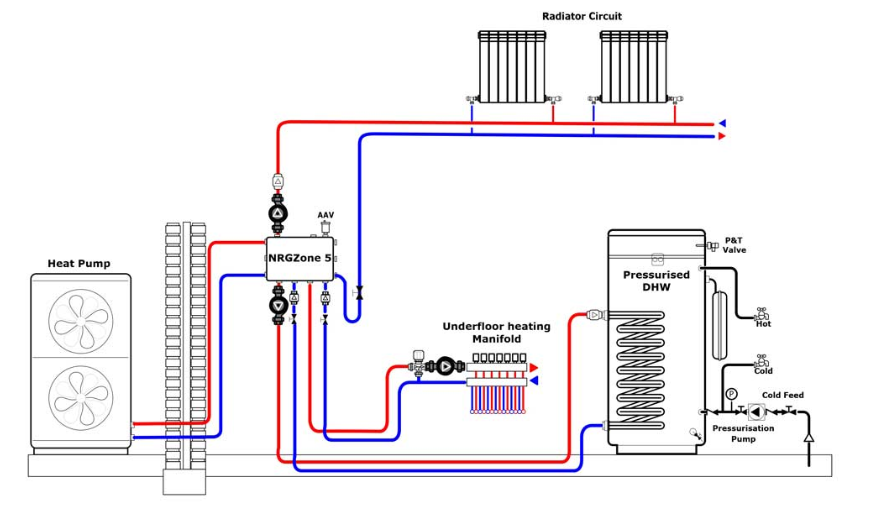
Air Source Heat Pump Heating System
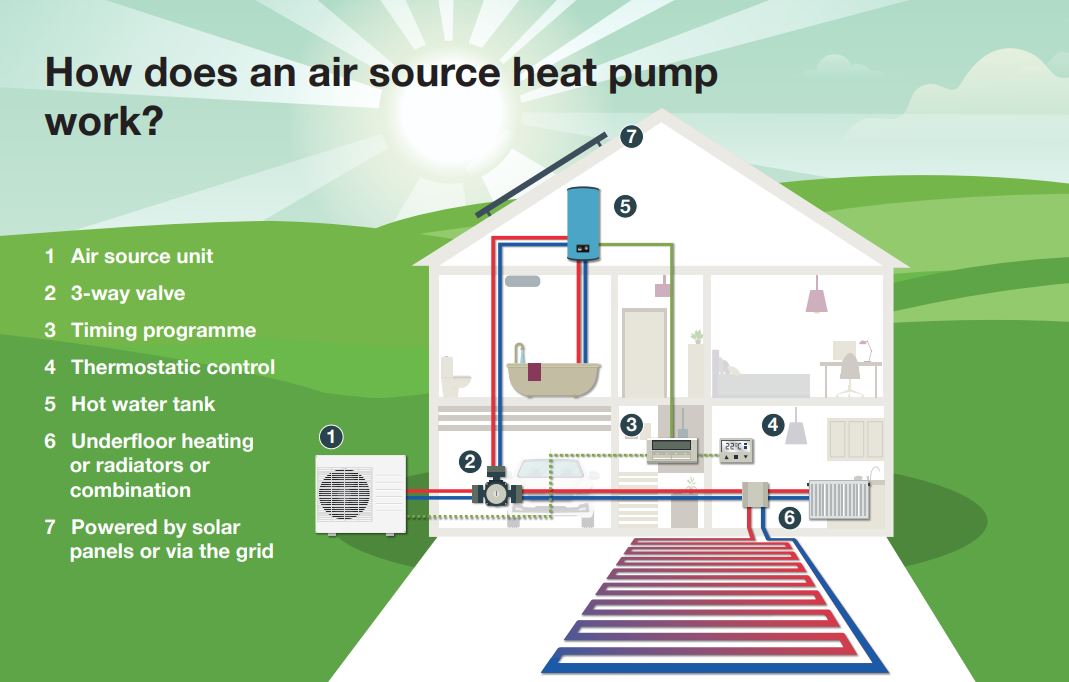
Air source heat pumps (ASHPs) are increasingly popular heating and cooling systems, offering an energy-efficient alternative to traditional furnaces and air conditioners. They function by transferring heat, rather than generating it, making them a versatile and cost-effective choice for many climates. This article provides a comprehensive overview of ASHPs, covering their operation, benefits, limitations, and considerations for installation and maintenance.
How Air Source Heat Pumps Work
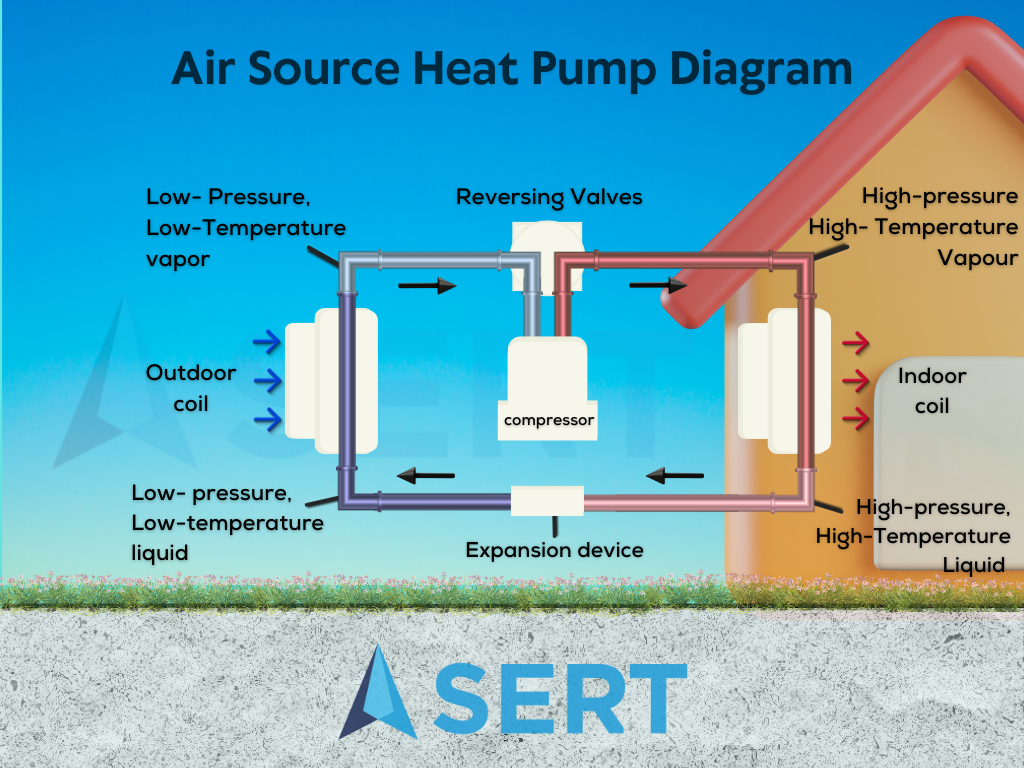
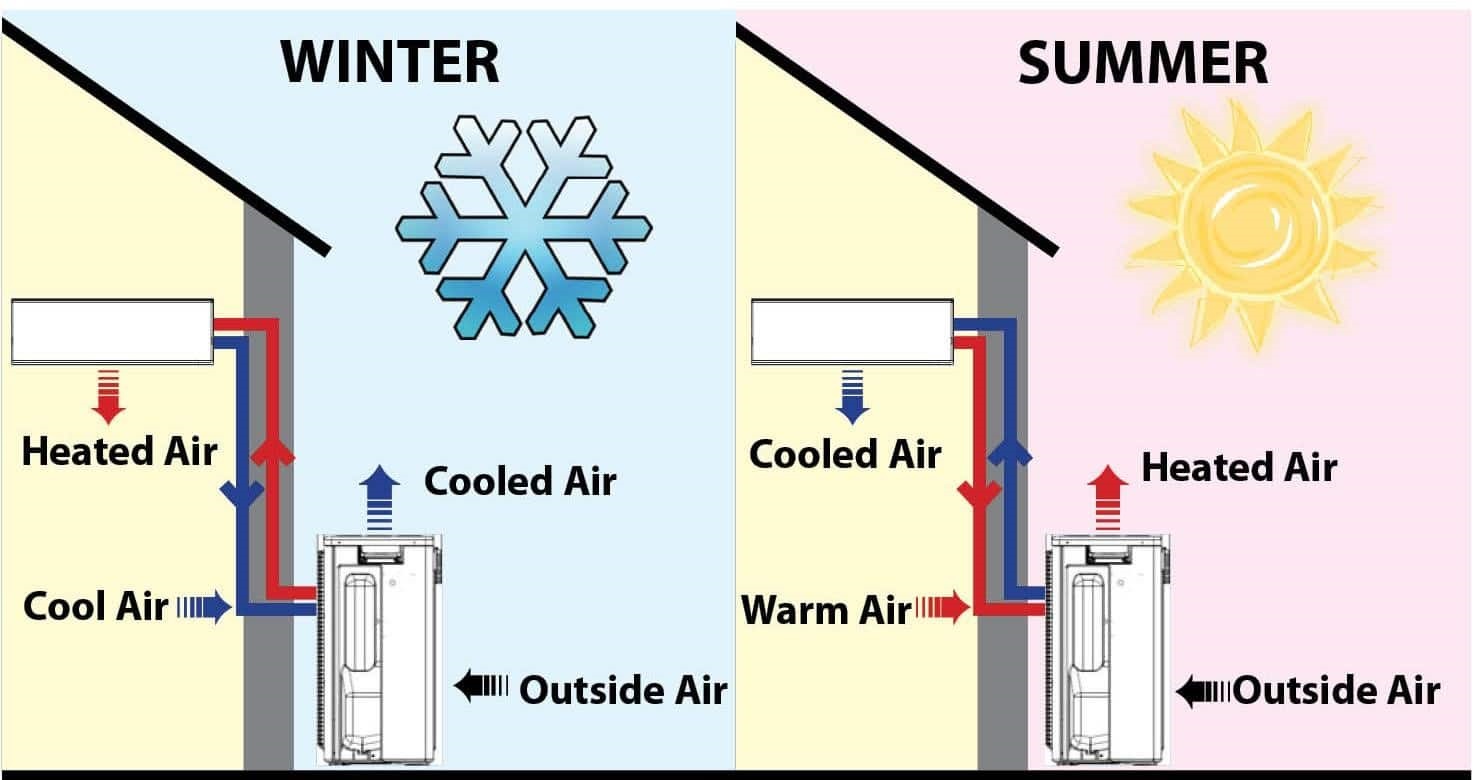
The core principle behind an ASHP is heat transfer. Unlike furnaces that burn fuel to create heat, ASHPs move heat from one place to another. In heating mode, an ASHP extracts heat from the outside air and transfers it inside. Even when the outside temperature is quite cold, there's still some heat energy available to be captured. In cooling mode, the process is reversed: heat is extracted from the inside air and expelled outdoors.
The key components of an ASHP include:
- Outdoor Unit: Contains the compressor, condenser coil, and a fan. The compressor circulates refrigerant, and the condenser coil releases or absorbs heat depending on the operating mode.
- Indoor Unit: Contains the evaporator coil and a fan that circulates air throughout the building.
- Refrigerant: A special fluid that absorbs and releases heat as it cycles between the indoor and outdoor units. Common refrigerants include R-410A and R-32. Newer systems are using even more environmentally friendly refrigerants with lower global warming potential.
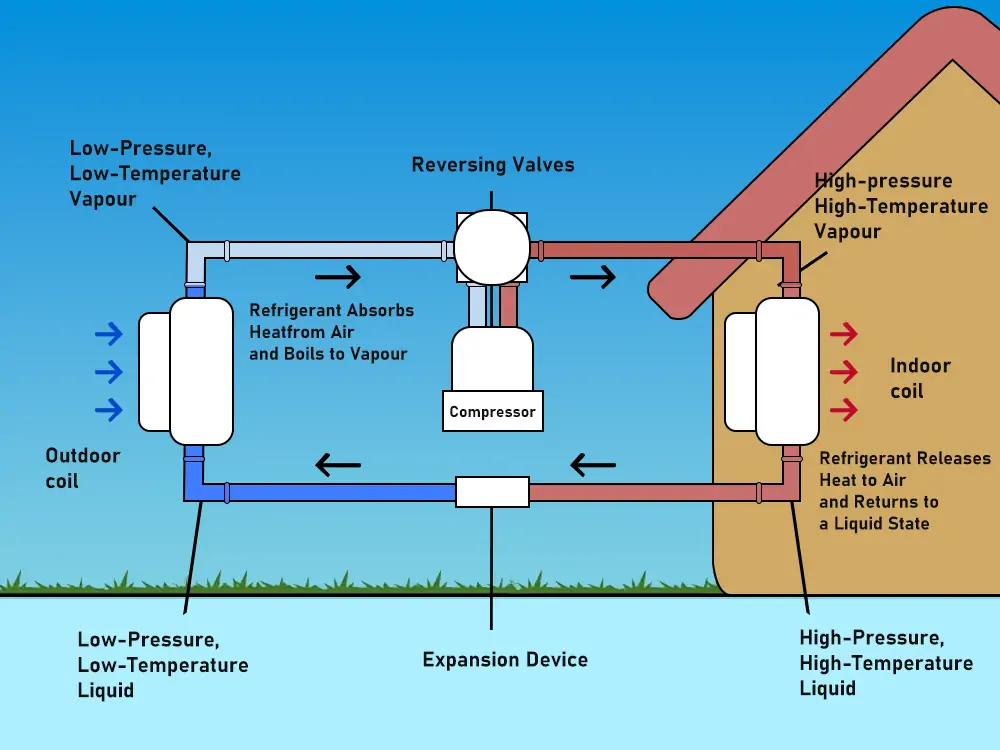
- Reversing Valve: This valve switches the direction of refrigerant flow, enabling the system to operate in either heating or cooling mode.
- Expansion Valve: Regulates the flow of refrigerant, causing a pressure drop that allows it to absorb heat.
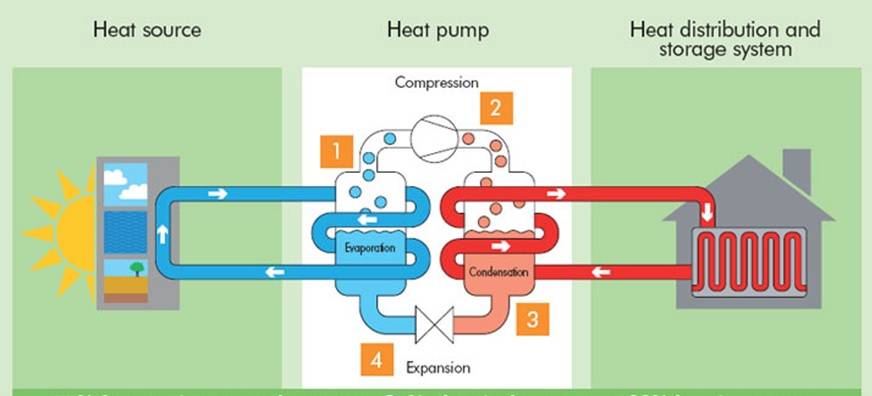
The refrigeration cycle consists of four main steps:
- Evaporation: In heating mode, the refrigerant in the outdoor coil absorbs heat from the outside air and evaporates into a gas.
- Compression: The refrigerant gas is compressed in the compressor, increasing its temperature and pressure.
- Condensation: The hot, high-pressure refrigerant gas flows to the indoor coil, where it releases heat to the inside air and condenses back into a liquid.
- Expansion: The liquid refrigerant flows through the expansion valve, reducing its pressure and temperature, and the cycle repeats.
Types of Air Source Heat Pumps
There are several types of ASHPs, each with its own characteristics and applications:
Standard Air Source Heat Pumps
These are the most common type and are suitable for a wide range of climates. They typically have a coefficient of performance (COP) of 3 or higher, meaning they produce three or more units of heat for every unit of electricity consumed.
Cold Climate Heat Pumps (CCHPs)
Designed for colder regions, CCHPs can operate efficiently at lower outdoor temperatures than standard ASHPs. They often feature improved compressor designs, larger coils, and enhanced defrost cycles. CCHPs can maintain heating capacity even when temperatures drop below freezing.
Ductless Mini-Split Heat Pumps
These systems consist of an outdoor unit connected to one or more indoor units, each serving a separate zone. They are ideal for homes without ductwork or for adding heating and cooling to individual rooms. Mini-split systems offer excellent energy efficiency and precise temperature control.
Ducted Air Source Heat Pumps
Ducted ASHPs integrate with existing ductwork to distribute heated or cooled air throughout the building. They are a good option for replacing an existing furnace and air conditioner.
Advantages of Air Source Heat Pumps
ASHPs offer numerous advantages over traditional heating and cooling systems:
- Energy Efficiency: ASHPs are significantly more energy-efficient than electric resistance heaters and can be more efficient than gas furnaces, especially in milder climates.
- Cost Savings: Lower energy consumption translates to lower utility bills. While the initial investment may be higher, the long-term savings can be substantial.
- Year-Round Comfort: ASHPs provide both heating and cooling, eliminating the need for separate systems.
- Environmentally Friendly: By reducing reliance on fossil fuels, ASHPs contribute to lower greenhouse gas emissions.
- Improved Air Quality: ASHPs circulate air through filters, helping to remove dust, pollen, and other allergens.
- Quiet Operation: Modern ASHPs are designed to operate quietly, minimizing noise pollution.
Disadvantages and Limitations
While ASHPs offer many benefits, they also have some limitations:
- Performance in Cold Climates: Standard ASHPs may struggle to maintain adequate heating capacity in extremely cold temperatures. However, cold climate heat pumps are designed to overcome this limitation.
- Initial Cost: The upfront cost of an ASHP can be higher than that of a traditional furnace and air conditioner.
- Installation Requirements: Proper installation is crucial for optimal performance. It's essential to hire a qualified HVAC technician.
- Defrost Cycles: In cold weather, ASHPs may need to periodically defrost the outdoor coil, which can result in a temporary reduction in heating output.
Factors to Consider When Choosing an Air Source Heat Pump
Selecting the right ASHP requires careful consideration of several factors:
- Climate: Choose a system that is appropriate for your local climate. If you live in a cold region, consider a cold climate heat pump.
- Building Size and Insulation: The size of your building and the quality of its insulation will affect the heating and cooling load. A load calculation will help determine the correct system size.
- Existing Ductwork: If you have existing ductwork, a ducted ASHP may be the best option. If not, a ductless mini-split system could be more suitable.
- Energy Efficiency Ratings: Look for systems with high Seasonal Energy Efficiency Ratio (SEER) ratings for cooling and Heating Season Performance Factor (HSPF) ratings for heating. Higher ratings indicate greater energy efficiency.
- Budget: Consider both the initial cost and the long-term operating costs when making your decision.
- Contractor Reputation: Choose a reputable and experienced HVAC contractor for installation and maintenance.
Installation and Maintenance
Proper installation and regular maintenance are essential for ensuring the optimal performance and longevity of your ASHP.
Installation
Installation should be performed by a qualified HVAC technician. The technician will:
- Determine the appropriate system size based on a load calculation.
- Properly install the outdoor and indoor units.
- Connect the refrigerant lines and electrical wiring.
- Evacuate the refrigerant lines to remove air and moisture.
- Charge the system with the correct amount of refrigerant.
- Test the system to ensure it is operating correctly.
Maintenance
Regular maintenance will help keep your ASHP running efficiently and prevent costly repairs. Recommended maintenance tasks include:
- Regularly clean or replace air filters: Dirty filters can restrict airflow and reduce efficiency.
- Clean the outdoor coil: Remove any debris, such as leaves, grass, and dirt, from the outdoor coil.
- Inspect refrigerant lines: Check for leaks and damage.
- Check electrical connections: Ensure that all electrical connections are tight and secure.
- Schedule professional maintenance: Have a qualified HVAC technician inspect and service your system at least once a year.
Cost and Efficiency Considerations
The cost of an ASHP can vary depending on the type of system, its size, and the complexity of the installation. However, ASHPs are often eligible for rebates and tax credits, which can help offset the initial cost.
The efficiency of an ASHP is measured by its SEER (Seasonal Energy Efficiency Ratio) rating for cooling and its HSPF (Heating Season Performance Factor) rating for heating. The higher the SEER and HSPF ratings, the more energy-efficient the system.
A typical ASHP may have a SEER rating of 14-20 or higher and an HSPF rating of 8-12 or higher. Cold climate heat pumps often have even higher HSPF ratings.
To estimate the potential cost savings of an ASHP, compare its energy consumption to that of your current heating and cooling system. Consult with a qualified HVAC contractor to get an accurate estimate.
Conclusion
Air source heat pumps are a versatile and energy-efficient heating and cooling solution for many homes and buildings. By understanding how they work, their benefits, and their limitations, you can make an informed decision about whether an ASHP is the right choice for your needs. Proper installation and maintenance are crucial for ensuring optimal performance and longevity. Whether you are a homeowner, HVAC technician, or facility manager, air source heat pumps offer a promising path toward greater energy efficiency and comfort.