Air Source Heat Pump Installation Guide
Air Source Heat Pump Installation: A Comprehensive Guide
Air source heat pumps (ASHPs) are becoming increasingly popular as efficient and eco-friendly alternatives to traditional furnaces and air conditioners. They offer year-round comfort, providing both heating and cooling. This guide provides a detailed overview of air source heat pump installation, helping you understand the process, make informed decisions, and ensure a smooth transition to this energy-saving technology.
Is an Air Source Heat Pump Right for You?
Before diving into installation, it's crucial to determine if an ASHP is suitable for your specific needs and climate. Consider the following:
- Climate: ASHPs are most effective in moderate climates with mild winters. While newer models are designed to perform well in colder temperatures, their efficiency can decrease significantly in extremely cold weather. Consider a supplemental heating source if you live in a region with prolonged sub-freezing temperatures.
- Home Insulation: Proper insulation is vital for maximizing the efficiency of any heating or cooling system, especially heat pumps. Ensure your home is adequately insulated to prevent heat loss and minimize energy consumption.
- Existing Ductwork: If you already have ductwork in place from a previous furnace or air conditioning system, you may be able to utilize it for your new heat pump. However, it's essential to have the ductwork inspected to ensure it's properly sized and sealed to avoid air leaks.
- Budget: ASHPs generally have a higher upfront cost than traditional HVAC systems. However, the long-term energy savings can offset this initial investment. Explore available rebates and incentives to help reduce the overall cost.
Understanding the Components of an Air Source Heat Pump System
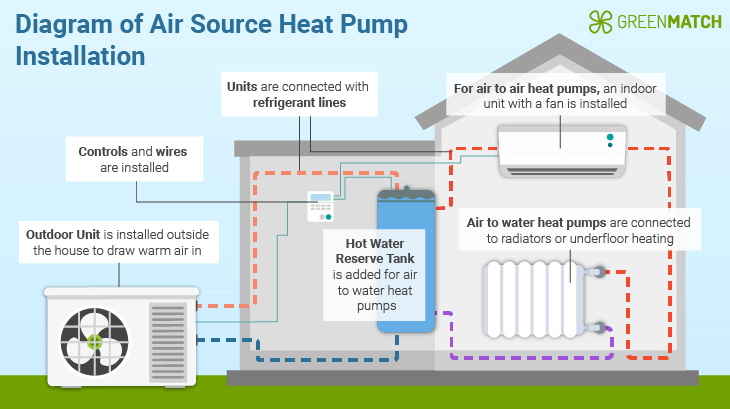
An air source heat pump system consists of two main components:
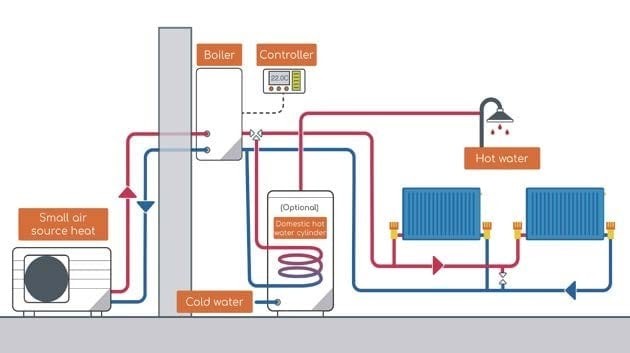
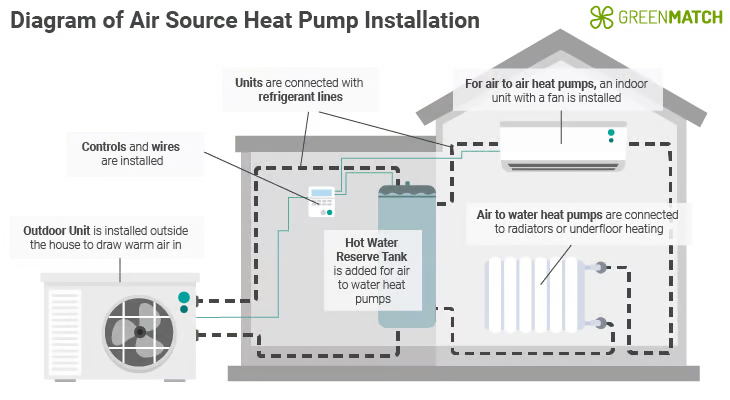
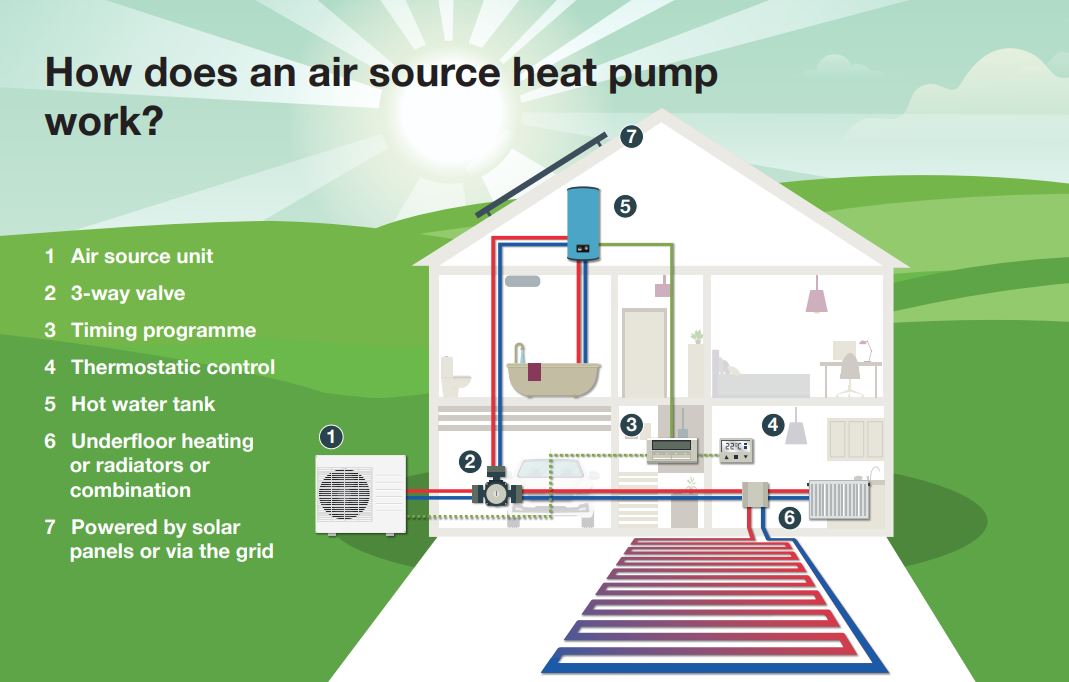
- Outdoor Unit: This unit houses the compressor, condenser coil, and reversing valve. It extracts heat from the outside air in winter and releases heat into the outside air in summer.
- Indoor Unit: This unit, also known as the air handler, contains the evaporator coil and a blower fan that circulates heated or cooled air throughout your home.
Key Features and Ratings: SEER, HSPF, and AFUE
When choosing an air source heat pump, it's essential to understand the significance of the following efficiency ratings:
- SEER (Seasonal Energy Efficiency Ratio): Measures the cooling efficiency of the heat pump. A higher SEER rating indicates greater energy efficiency. Look for models with SEER ratings of 15 or higher.
- HSPF (Heating Seasonal Performance Factor): Measures the heating efficiency of the heat pump. A higher HSPF rating indicates greater energy efficiency. Aim for models with HSPF ratings of 8 or higher.
- AFUE (Annual Fuel Utilization Efficiency): Primarily used for furnaces, but it's important to understand in context. While ASHPs don't have an AFUE rating, comparing the HSPF to a furnace's AFUE can help understand relative heating efficiencies.
Energy Star certified heat pumps meet or exceed minimum efficiency standards and offer superior performance.
Installation Process: A Step-by-Step Guide
Air source heat pump installation is a complex process that should be performed by a qualified HVAC technician. Here's an overview of the key steps involved:
- Site Assessment: The technician will assess your home's heating and cooling needs, taking into account factors such as square footage, insulation levels, and climate.
- Equipment Selection: Based on the site assessment, the technician will recommend a suitable heat pump model and size.
- Permitting: Depending on your local regulations, you may need to obtain permits before installation can begin.
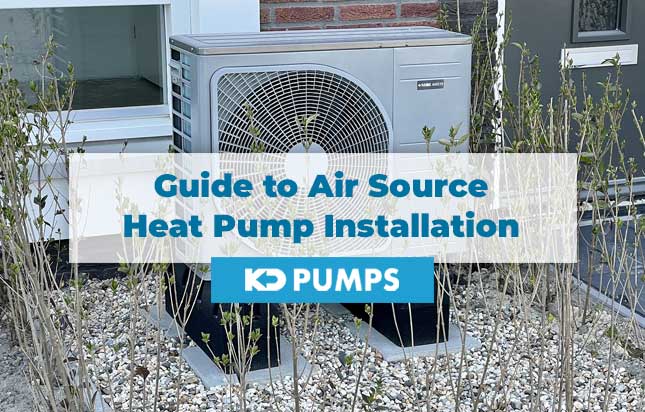
- Outdoor Unit Installation: The technician will install the outdoor unit on a level surface, ensuring proper clearance for airflow and accessibility for maintenance.
- Indoor Unit Installation: The technician will install the indoor unit in a suitable location, connecting it to the existing ductwork or installing new ductwork if necessary.
- Refrigerant Line Connections: The technician will connect the refrigerant lines between the outdoor and indoor units, ensuring a leak-proof seal.
- Electrical Connections: The technician will connect the electrical wiring to the heat pump system, ensuring proper voltage and grounding.
- System Testing and Start-Up: After installation, the technician will test the system to ensure it's functioning correctly and provide instructions on how to operate and maintain it.
Popular Air Source Heat Pump Brands and Models
Several reputable manufacturers offer high-quality air source heat pumps. Here are some popular brands and models to consider:
- Carrier: Known for their innovative technology and energy-efficient models. Carrier offers a wide range of heat pumps with varying SEER and HSPF ratings. Consider the Carrier Infinity series for top-of-the-line performance.
- Trane: Trane is a trusted brand with a reputation for durability and reliability. Their heat pumps are designed to withstand harsh weather conditions. Explore the Trane XV series for premium efficiency and comfort.
- Lennox: Lennox offers a variety of heat pump models to suit different budgets and needs. They are known for their quiet operation and advanced features. The Lennox SL28XCV is among the quietest and most efficient models available.
- Mitsubishi Electric: Specializing in ductless mini-split systems, Mitsubishi Electric offers highly efficient and flexible heating and cooling solutions. Their Mr. Slim series is a popular choice for zoning and targeted comfort.
- Daikin: Daikin is a global leader in HVAC technology, offering a wide range of heat pumps with exceptional energy efficiency and performance. Consider the Daikin Aurora series for cold-climate performance.
Cost Considerations: Initial Investment and Long-Term Savings
The cost of air source heat pump installation can vary depending on factors such as the size of your home, the complexity of the installation, and the brand and model you choose. Generally, you can expect to pay between $4,000 and $12,000 for a complete system installation.
While the initial investment may seem significant, it's essential to consider the long-term energy savings. ASHPs are significantly more energy-efficient than traditional heating and cooling systems, which can result in substantial savings on your utility bills over time. You can also explore available rebates and tax credits to help offset the upfront cost.
Warranty and Maintenance
Most air source heat pumps come with a manufacturer's warranty that covers parts and labor for a specific period. It's crucial to understand the terms and conditions of the warranty before making a purchase. Regular maintenance is essential to ensure the longevity and optimal performance of your heat pump system. Schedule annual maintenance appointments with a qualified HVAC technician to inspect and clean the system.
Common maintenance tasks include:
- Cleaning or replacing air filters regularly (every 1-3 months).
- Cleaning the outdoor unit's coils.
- Checking refrigerant levels.
- Inspecting electrical connections.
- Lubricating moving parts.
Finding a Qualified HVAC Technician
Choosing a qualified and experienced HVAC technician is crucial for ensuring a successful heat pump installation. Look for a contractor who is licensed, insured, and has a proven track record of installing and servicing heat pump systems. Ask for references and read online reviews to get a sense of their reputation and customer satisfaction. A reputable contractor will provide a detailed estimate, answer your questions thoroughly, and ensure that the installation is performed to code and manufacturer specifications.
Consider these tips when selecting an HVAC contractor:
- Verify their license and insurance.
- Ask for and check references.
- Obtain multiple quotes.
- Read online reviews and testimonials.
- Ensure they are experienced with heat pump installations.
By following these guidelines, you can confidently navigate the air source heat pump installation process and enjoy the benefits of efficient and comfortable heating and cooling for years to come.