Air Source Heat Pump Vs Geothermal
Air Source Heat Pump vs. Geothermal: Which is Right for Your Home?
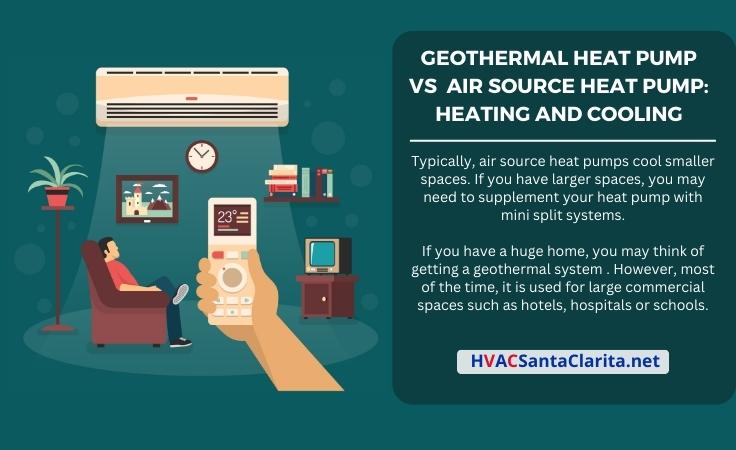
Choosing the right heating and cooling system is a major decision. Two popular options are air source heat pumps and geothermal heat pumps. Both offer energy-efficient alternatives to traditional furnaces and air conditioners, but they operate in fundamentally different ways. Understanding their strengths and weaknesses will help you make an informed choice.
How They Work: A Basic Overview
Air Source Heat Pumps (ASHPs):
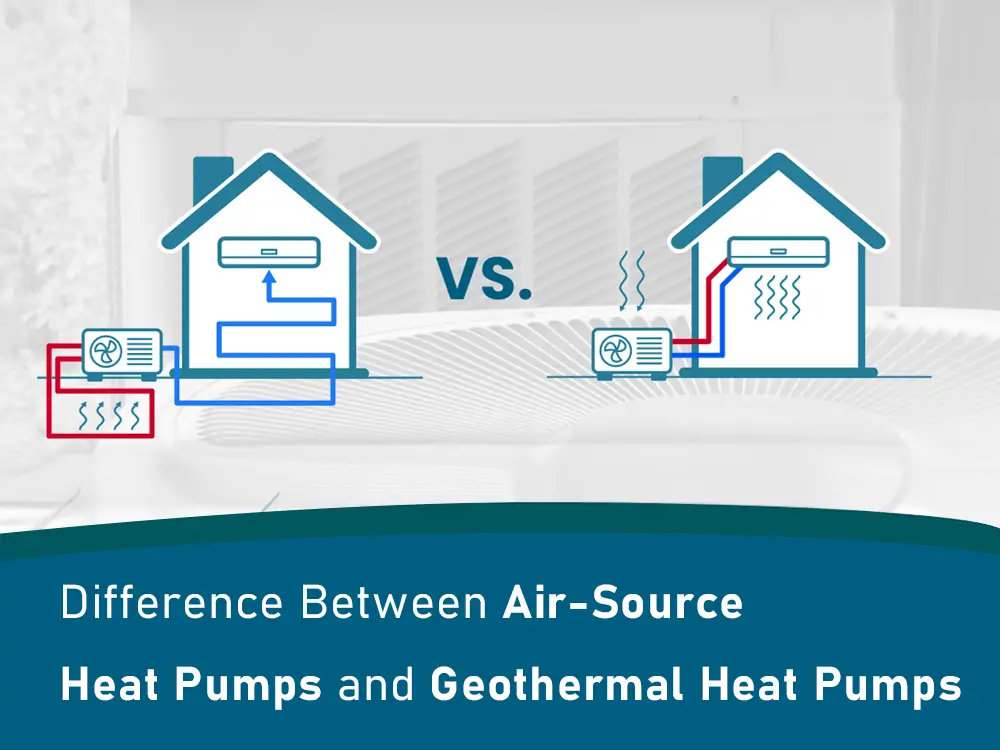
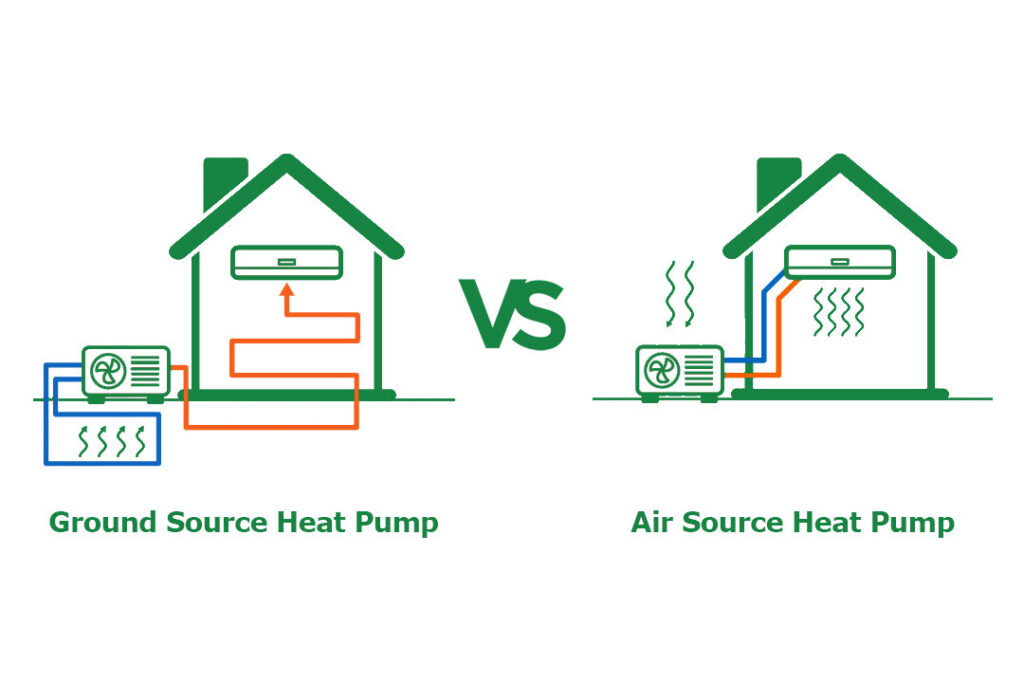
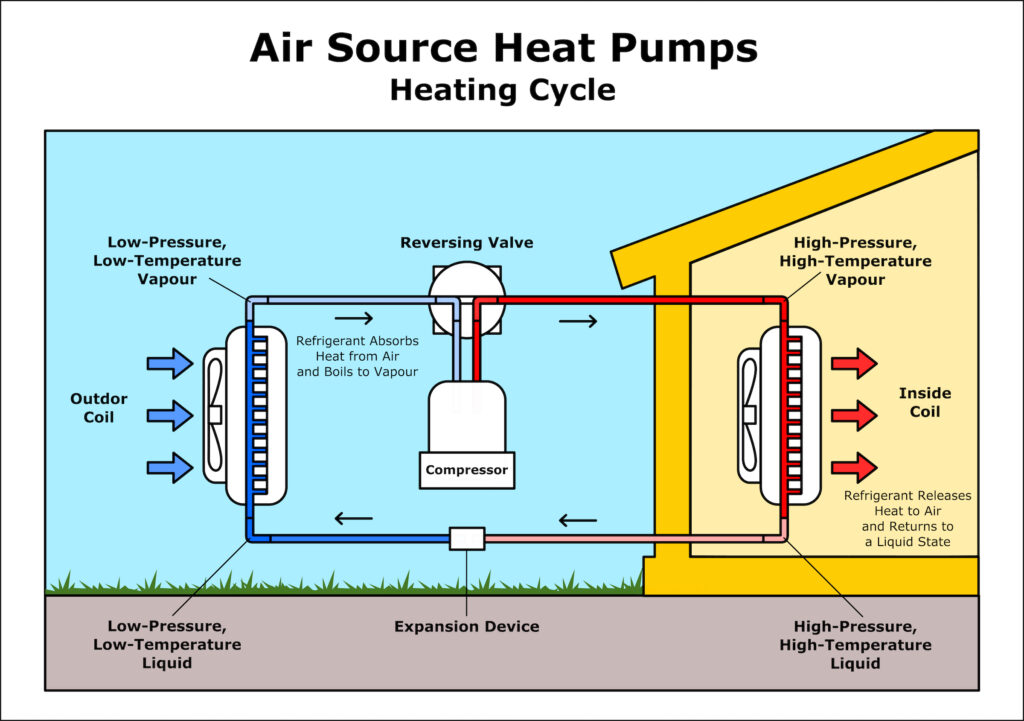
These systems transfer heat between your home and the outside air. In the winter, they extract heat from the outdoor air (even when it's cold!) and transfer it inside. In the summer, the process reverses, extracting heat from your home and releasing it outdoors, acting as an air conditioner. ASHPs use a refrigerant to facilitate this heat transfer.
Geothermal Heat Pumps (GHPs):
Also known as ground source heat pumps, these systems utilize the relatively constant temperature of the earth a few feet below the surface. They circulate a fluid (usually water or a water-antifreeze solution) through underground pipes (a ground loop) to absorb or release heat. In winter, the ground loop absorbs heat from the earth and transfers it into your home. In summer, the process reverses, rejecting heat from your home into the cooler ground. Because the ground temperature is more stable than the air temperature, GHPs are generally more efficient than ASHPs.
Air Source Heat Pumps: Pros and Cons
Advantages:
- Lower Initial Cost: ASHPs typically have a significantly lower upfront installation cost compared to GHPs.
- Easier Installation: Installation is generally simpler and faster, requiring less disruption to your property.
- Versatility: Can be a good choice for homes where geothermal installation is not feasible due to space constraints or soil conditions.
- Wider Availability: More HVAC contractors are familiar with ASHP installation and maintenance.
Disadvantages:
- Lower Efficiency in Extreme Temperatures: Efficiency decreases in very cold weather, potentially requiring supplemental heating.
- Shorter Lifespan: Generally have a shorter lifespan than GHPs.
- Higher Running Costs in Cold Climates: Due to reduced efficiency in cold weather, running costs can be higher than with GHPs in some climates.
- Can Be Noisy: The outdoor unit can generate noise similar to a traditional air conditioner.
Geothermal Heat Pumps: Pros and Cons
Advantages:
- Higher Efficiency: GHPs are significantly more energy-efficient than ASHPs, resulting in lower utility bills.
- Longer Lifespan: GHPs typically last longer than ASHPs, often 20-25 years or more.
- More Consistent Heating and Cooling: Provides more consistent and comfortable temperatures due to the stable ground temperature.
- Quieter Operation: The indoor unit is typically quieter than an ASHP.
- Environmentally Friendly: Reduces reliance on fossil fuels and lowers carbon emissions.
Disadvantages:
- Higher Initial Cost: The upfront installation cost is significantly higher due to the expense of installing the ground loop.
- More Complex Installation: Installation requires specialized equipment and expertise, including excavation.
- Land Requirements: Requires sufficient land area for the ground loop installation.
- Potential for Ground Loop Leaks: Although rare, leaks in the ground loop can occur.
DIY Troubleshooting and Maintenance: Air Source Heat Pumps
While complex repairs should always be left to a professional, here are some basic DIY troubleshooting steps for air source heat pumps:
Common Issues:
- Frozen Outdoor Unit: This is common in cold weather. Check to ensure proper airflow around the unit. If the unit is heavily iced over and doesn't defrost on its own, call a professional.
- Dirty Air Filter: A dirty air filter restricts airflow and reduces efficiency. Replace your air filter every 1-3 months.
- Blocked Outdoor Unit: Remove any debris (leaves, snow, branches) blocking the outdoor unit.
- Refrigerant Leaks: Refrigerant leaks are best left to qualified professionals.
- Thermostat Issues: Ensure your thermostat is set correctly and the batteries are fresh.
Tools You Might Need:
- Screwdrivers (Phillips and flathead)
- Wrench
- Vacuum cleaner
- Air filter
- Fin comb (to straighten bent fins on the outdoor unit)
Safety First:
- Always turn off the power to the unit at the breaker before attempting any maintenance.
- Never attempt to repair refrigerant lines. This requires specialized equipment and training.
- Be careful when working around electrical components.
When to Call a Professional:
If you suspect a refrigerant leak, hear unusual noises coming from the unit, or are uncomfortable working with electrical components, call a qualified HVAC technician. Complex repairs, such as compressor replacement or refrigerant charging, should only be performed by a professional.
DIY Troubleshooting and Maintenance: Geothermal Heat Pumps
Geothermal heat pumps require less maintenance than air source heat pumps, but there are still some basic checks you can perform.
Common Issues:
- Dirty Air Filter: Just like with ASHPs, a dirty air filter reduces efficiency. Replace it regularly.
- Circulation Pump Problems: Check the circulation pump (if accessible) to ensure it is running smoothly and not making unusual noises.
- Ground Loop Issues: Identifying ground loop problems typically requires professional diagnostic equipment.
- Refrigerant Leaks: Refrigerant leaks are best left to qualified professionals.
- Thermostat Issues: Ensure your thermostat is set correctly and the batteries are fresh.
Tools You Might Need:
- Screwdrivers (Phillips and flathead)
- Wrench
- Vacuum cleaner
- Air filter
Safety First:
- Always turn off the power to the unit at the breaker before attempting any maintenance.
- Never attempt to repair refrigerant lines. This requires specialized equipment and training.
- Be careful when working around electrical components.
When to Call a Professional:
Any issues with the ground loop, circulation pump, or refrigerant system require professional attention. These systems are complex and require specialized knowledge and equipment. Do not attempt to repair these components yourself.
Cost Considerations: Installation and Repair
The cost of installing a heat pump system varies depending on several factors, including:
- System Size: Larger homes require larger systems, which cost more.
- Location: Labor costs and material prices vary by location.
- Ground Conditions (for Geothermal): Soil type, water table, and accessibility can affect geothermal installation costs.
- Ductwork: Existing ductwork may need to be modified or replaced.
- Contractor: Prices vary between contractors. Get multiple quotes before making a decision.
Estimated Installation Costs:
- Air Source Heat Pump: $4,000 - $8,000 (depending on size and efficiency)
- Geothermal Heat Pump: $15,000 - $30,000 (including ground loop installation)
These are just estimates. Obtain quotes from qualified HVAC contractors for accurate pricing.
Estimated Repair Costs:
Repair costs vary depending on the type of repair needed. Some common repairs and their estimated costs include:
- Air Filter Replacement: $10 - $30 (DIY)
- Thermostat Replacement: $100 - $300 (DIY or professional)
- Fan Motor Replacement: $300 - $800 (professional)
- Compressor Replacement: $1,500 - $3,000 (professional)
- Refrigerant Leak Repair: $200 - $1,000 (professional)
- Circulation Pump Replacement (Geothermal): $500 - $1,200 (professional)
- Ground Loop Repair (Geothermal): $1,000 - $5,000+ (professional – can be very expensive depending on the leak location)
These are rough estimates. Always get a quote from a qualified HVAC technician before proceeding with any repairs.
Making the Right Choice
The best choice between an air source heat pump and a geothermal heat pump depends on your individual circumstances and priorities. Consider the following factors:
- Budget: If upfront cost is a major concern, an air source heat pump may be the more affordable option.
- Climate: Geothermal heat pumps are generally a better choice in colder climates due to their higher efficiency. High-efficiency air source heat pumps, especially those with cold climate ratings are becoming more viable in colder areas.
- Home Size: Larger homes require larger systems, which can increase the cost of both ASHPs and GHPs.
- Land Availability: Geothermal heat pumps require sufficient land area for the ground loop installation.
- Long-Term Savings: If you plan to stay in your home for many years, the long-term energy savings of a geothermal heat pump may offset the higher initial cost.
- Environmental Concerns: Geothermal heat pumps are a more environmentally friendly option.
Consult with a qualified HVAC contractor to assess your home's specific needs and determine the best heating and cooling solution for you. They can perform a load calculation to determine the appropriate system size and provide accurate cost estimates.
Disclaimer: This article provides general information and is not a substitute for professional advice. Always consult with a qualified HVAC technician before making any decisions about your heating and cooling system. Improper installation or repair can be dangerous and may void your warranty.